If only all our mistakes could be ignored as easily as those of politicians. You forgot to put the bins out, and now the rubbish is overflowing. Sorry, I don’t recognise that description. Didn’t you describe as brilliant that article that commentators savaged as: “Wow. Great piece … *snore*”? That’s not something I’ve ever heard of, or read, or seen. Don’t you still owe your colleague a fiver? This is no more than idle gossip.
Politicians and corporations have mastered the “non-apology”. (“I’m sorry for any offence caused,” is the classic; see McDonald’s apology after its advert was said to exploit child bereavement: “We apologise for any upset this advert has caused.”) But recently there has been an intriguing twist – the non-denial. The non-denial not only enables you to avoid having to say you’re sorry, but implies the criticism is not true – without quite calling it a lie. But who is using it and why?
The tittle-tattle approach
This is the best line to take if you want to instil in your critics the idea that their complaint is too far beneath you even to address.
Who has used it? Theresa May and Philip Hammond.
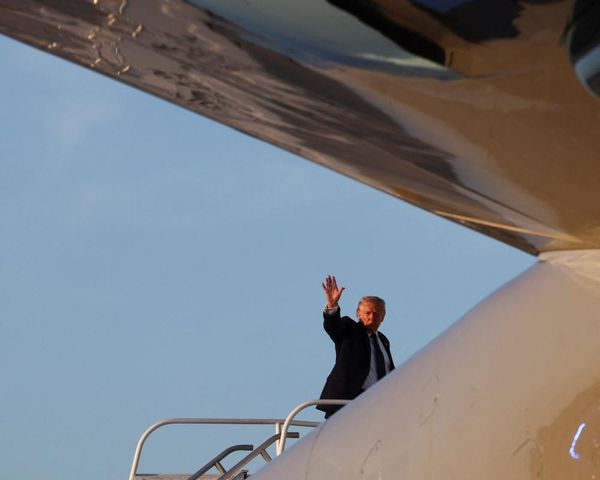
When? Faced with leaked reports that a dinner with Jean-Claude Juncker ended with the European commission president saying, “I leave Downing Street 10 times as sceptical as I was before”, May responded that it was “Brussels gossip”. Hammond tried it this week when he was accused of having “angry, sweary” phone rows with May’s team. “This is absolute tittle-tattle made up by the media,” he said.
No recognition
This is a subtle one – you don’t want to say something is not true, but you certainly don’t want to acknowledge that it is.Saying “I don’t recognise that” is code for backtracking wildly.
Who has used it? Jeremy Corbyn.
When? The Labour leader used the phrase when asked about commitments in the Labour election manifesto. Shadow business secretary Rebecca Long-Bailey had discussed spending commitments estimated at about £60bn but Corbyn later said the figure was “not one we recognise”.
I don’t recall that …
When all else fails, it might be best to blame your memory – forgetfulness can be endearing, after all.
Who has used it? Tim Farron.
When? Asked about an interview from 2007, in which he said abortion was wrong, too widely available and should be restricted, the leader of the Liberal Democrats claimed the publication in which the piece ran was not one “I’ve ever heard of or read or seen!” – although he has since told the Guardian he is “pro choice”.
Misspeaking
This one’s reserved for when you’ve said something seriously bad. Saying you “misspoke” at least suggests you knew the right answer all along. US politicians are experts at it.
Who has used it? Diane Abbott.
When? The shadow home secretary got her figures wrong on a radio show when she said of Labour’s pledge to fund 10,000 extra police officers for England and Wales would cost £300,000 over four years, then corrected this to “about £80m”. Corbyn later confirmed the policy would cost £300m.

.jpg?w=600)