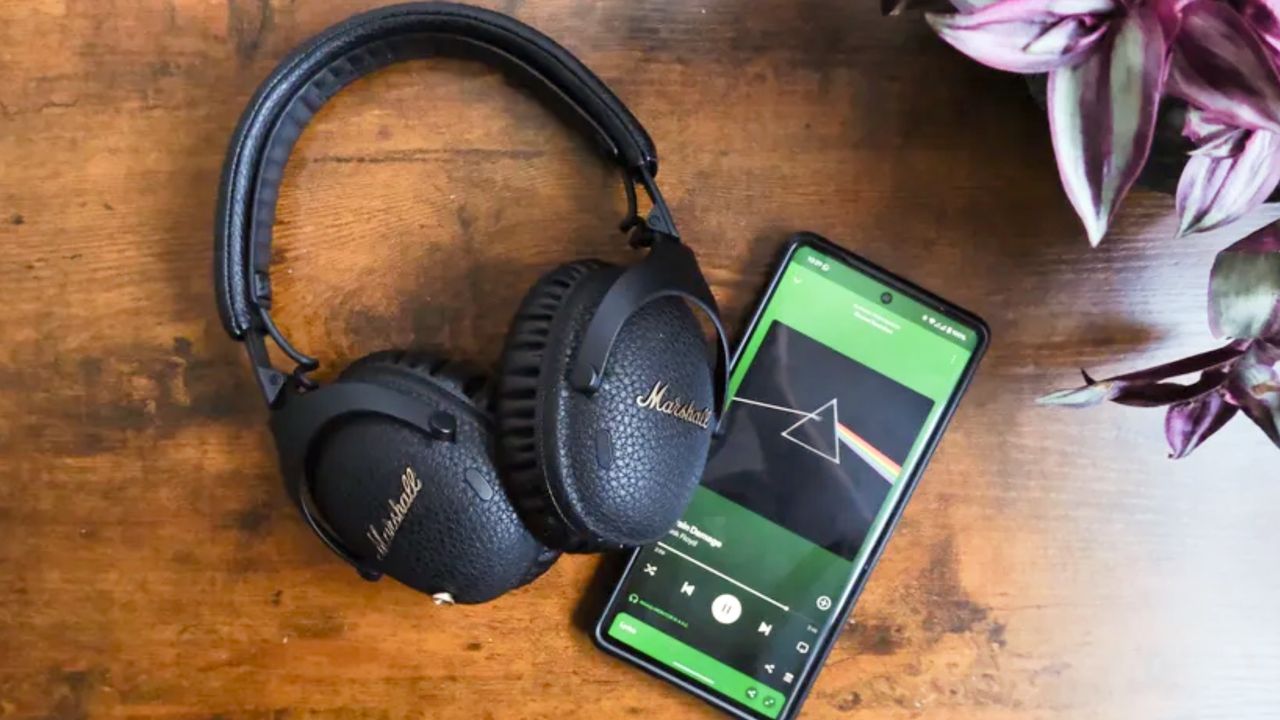
Like many people, I've used Spotify for as long as I can remember. In fact, longer than I can remember. I know roughly when I started using the music streaming service, but I struggle to recount the exact timings or the moment I first signed up to Premium.
The earliest memory I have of using Spotify is of my friend filtering through (and probably scoffing at) my Drum & Bass playlist while I was driving my Honda Civic: bass pumping, wheels screeching, smoke billowing from the car's windows. That basically describes my entire late teens and early twenties, so I'm still at a loss. I'm now 33, though, so suffice to say it's been a while.
For years, Spotify came bundled with my phone plan, giving me a hearty discount. I've used wireless earbuds or wireless headphones (so no need for hi-res). And I've had a decade of my own and other playlists to leverage. Although I'm slightly ashamed to admit it, I'm not altogether that moralistic about artists' rights either. So I've seen no reason to leave.
Then, a couple of years ago, I became the head of Tom's Guide's in-house reviews team. My team and I test a lot of audio gear; a lot of premium, high quality earbuds, headphones and Bluetooth speakers; a lot of stuff with "Hi-Res" branding plastered all over it.
Given the last two aren't necessarily synonymous, it's our job to put "Hi-Res" products through their paces with high-resolution playback — until recently, of course, that was something Spotify couldn't do.
I bandied around with Apple Music, Tidal and Deezer for testing purposes, but none of them pulled me away from ol' Spotty. Then we shifted all our high-res testing to Qobuz, and the wheels started to move — this time, perhaps, for good.
Why? Well, it has nothing to do with audio quality.
"But, but, but SPOTIFY LOSSLESS — yada yada"

I'll get it out of the way early. I'm really far from fussed about hi-res playback here.
Now, I can tell the difference between hi-res and lower-res playback on premium headphones and the like, but typically I only actually stream in high-resolution when testing audio gear. In day-to-day use, I'm almost always enjoying the benefits of wireless, listening to my music over Bluetooth from my iPhone 17 Pro Max and getting no benefit from Qobuz's higher-res playback. So I'm not really too concerned about the Spotify lossless vs Qobuz high-res topic (Spotify offers 24-bit 44.1 kHz lossless, which isn't as "good" as Qobuz's 24-bit 192 kHz playback).
Rather, this opinion piece is all about curation and recommendations...
The human touch
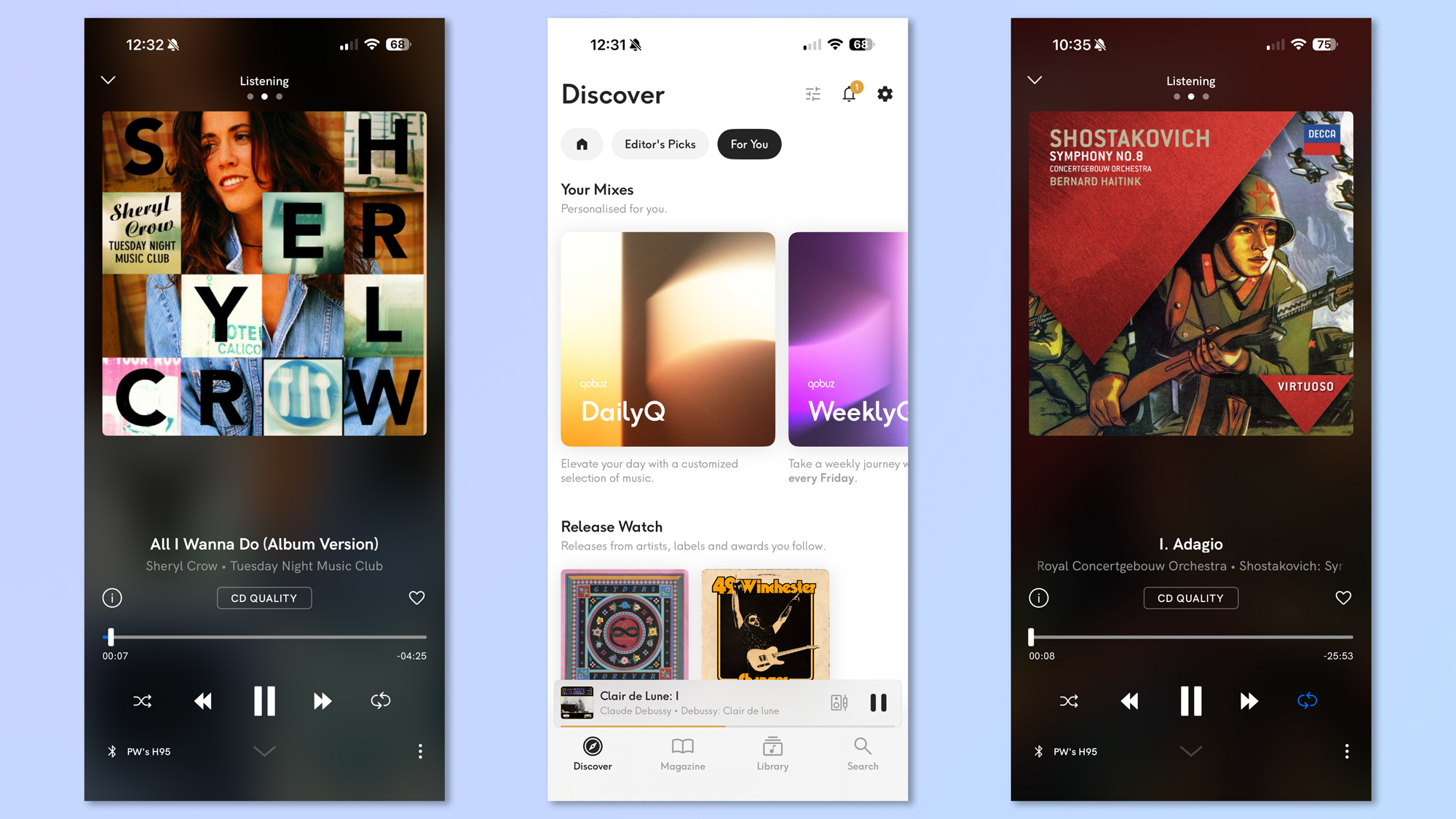
I dipped in and out of Qobuz for a while (primarily for testing purposes) without delving too deep or paying much attention, before really getting it. One morning, when listening to one of Qobuz's albums of the week, Sad And Beautiful World by Mavis Staples, I noticed some blurb — 'copy' as well call it in the media industry — beneath her album info.
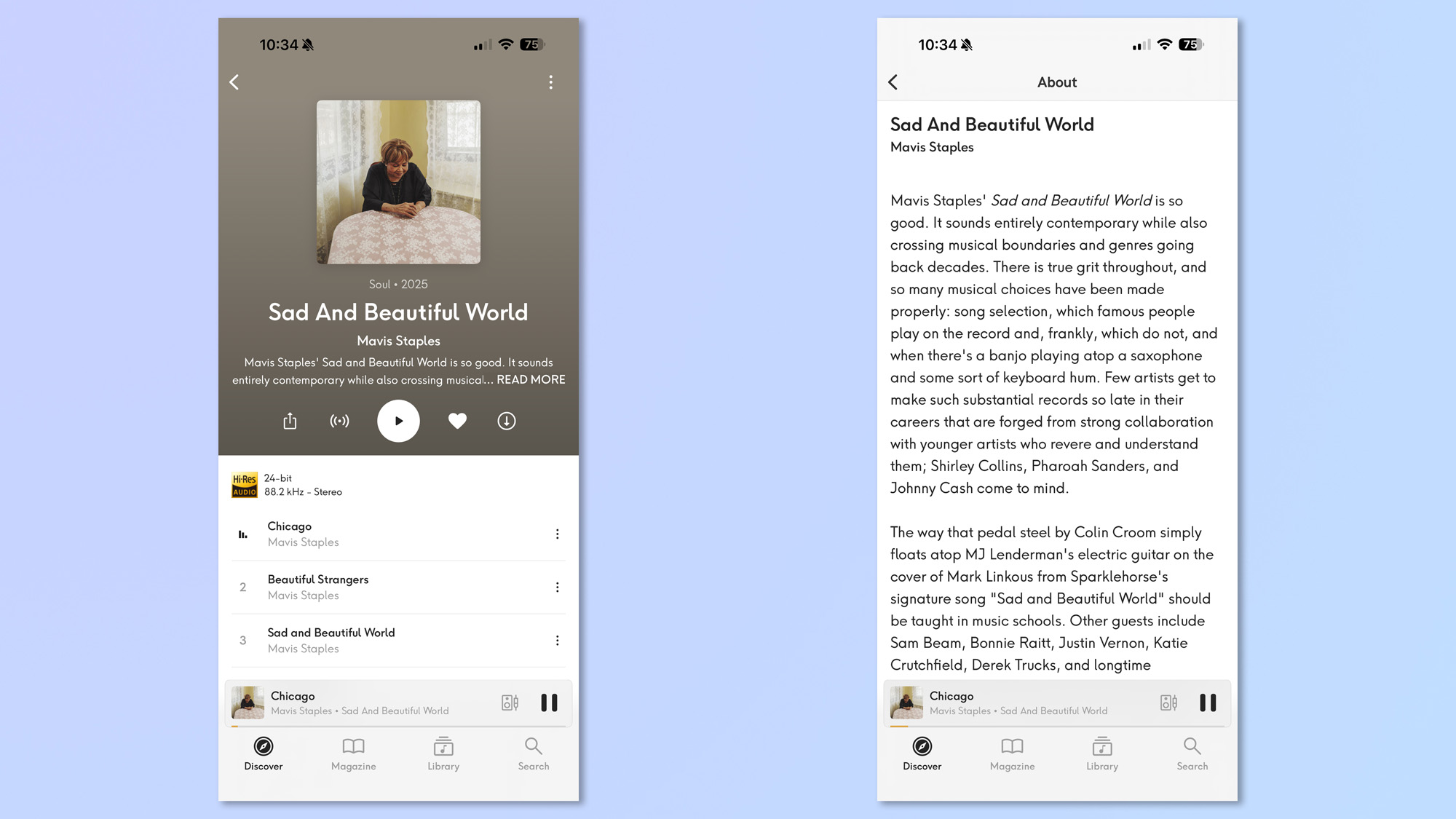
This is nothing new. Spotify has artist and album info. But upon clicking the "Read More" button, I was pleasantly surprised. Out spread a page of copy, clearly written by a person (and not the artist themselves), extrapolating on the album's background, composition and merits, helping contextualize why it made album of the week.
A human, who clearly cares a lot about the subject, wrote that. And as a journalist, that strikes a chord with me.
This deeper level of humanity is a key theme of Qobuz. The albums of the week are chosen by people, based on individual expertise and, indeed, preference (but that's okay). Playlists are curated, not software generated. And the whole lot is written about and explained to help you understand why.
Having spent years with the automation of music's end-user globocorp, the human element of Qobuz feels so refreshing.
Just tell me what to do
The human touch is also extremely beneficial for exploration. Spotify typically does two things: suggest music algorithmically based on what you and similar people have already listened to; or leave you to browse everything.
There's nothing inherently wrong with those two things, but I find it stifles my breadth of listening. With Spotify, I tend to just stick to what I already know because that's all that I'm being shown during automated playback. Discover tends to show me a few new things, but plenty of stuff I'm already familiar with pops up, too.
Browse sections, meanwhile, are simply too broad to be of much use to me. There's too much choice. You're already familiar with this concept, I'm sure: it's the same reason you find yourself endlessly scrolling Netflix at a loss for what to watch. Water, water everywhere, but not a drop to drink.
In short, to properly discover new stuff, I need to be told "this is good, listen to it lest ye be considered an ignoramus!" And that's what Qobuz does. Obviously, it doesn't ever call anyone an ignoramus, or come across snobbish at all for that matter — but that's the way I want it to make me feel. I need to feel as though I know nothing and must be shown new things; be shown how to be a music connoisseur by experts in the know.
Case in point: Jazz. Until recently, I was a staunch Anti-Jazzer. As I saw it, society's prolific ingestion of jazz is the reason we have so many auto-immune diseases and gluten intolerances these days. We shouldn't give jazz to our kids, I thought — it isn't good for them. Does anyone, I asked, really know what Big Trumpet is putting into the jazz?
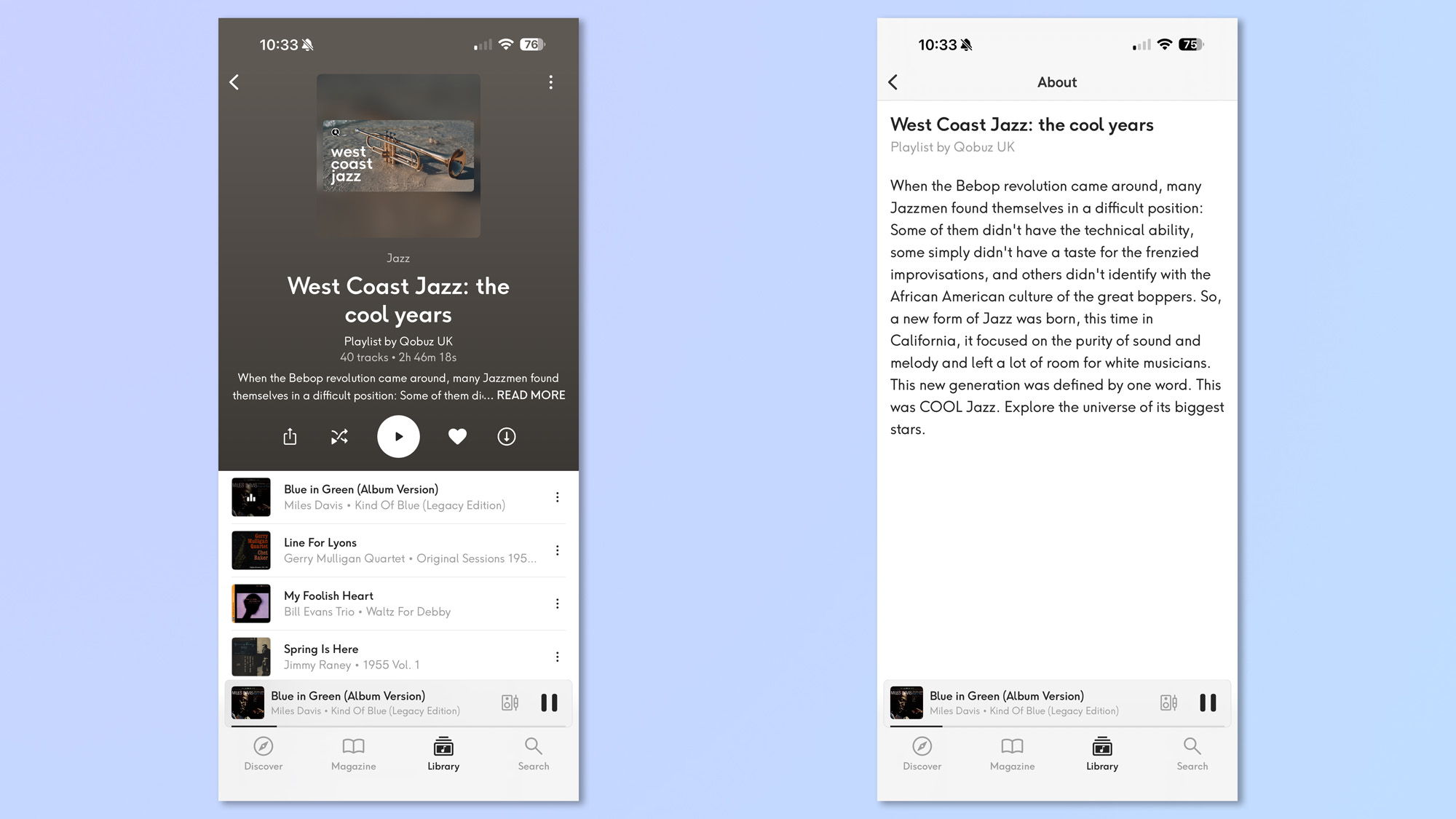
I never listened to jazz, nor would I have searched it out, so Spotify would've therefore never shown me it. Qobuz, on the other hand, did dare to show me. Little did I know, there's a genre called "West Coast" or "Cool" jazz — slower tempo, more loungy, less avant-garde, all the opposite of the things I dislike about typical (East Coast, I guess?) jazz. One day, on my home page sat a West Coast Jazz playlist, with a calming beach in the image to highlight the collection's relaxing nature. Qobuz told me: this jazz is good for you, listen to it. And I did. And I fell in love.
Actual randomization
Another gripe with Spotify I only discovered after leaving is in regards to proper randomization, or lack thereof. When I say randomization, I mean the random suggestions after a playlist ends.
Let's head back to my jazzy example from above. Based on a hunch (influenced, of course, by years of experience using Spotify), I did a little experiment. I headed to Spotify, added some neo-jazz songs I liked to a playlist and let it run out. Perhaps unsurprisingly to anyone who uses Spotify, the randomized recommendations were fairly lackluster. Spotify played songs I hadn't heard, but only from the same two artists. Over and over again. Not awful, but I want more than just two artists.
Anecdotally, at least, I've found Qobuz's algorithmic post-playlist recommendations much better. I tend to get a broader array of artists suggested, which helps me find more new music to enjoy.
So what's your point?
All the above results in a deeper delve into and understanding of music. At least on my part. With Qobuz, I feel like I'm getting into the nitty gritty; the undiscovered (to me) and slightly niche areas of music. I feel like I'm a renaissance man, listening to stuff I could reference during an intellectual conversation over a Scotch at some fancy party, impressing everyone.
Of course, my life isn't ever that romantic, and I've never been to such a party. But hopefully you get what I mean — with Qobuz I feel like I'm discovering sophisticated, adult music that I enjoy, rather than repeating my emo playlist for the 600th time this year. And it mostly comes down to the human element, which is a much bigger part of Qobuz than it is of Spotify.
It's counter-intuitive in a way. How can a few handmade recommendations deliver better results than an algorithm with the whole of Spotify's data at its disposal? I don't know, but it works. That's the power of proper curation, I guess.

Follow Tom's Guide on Google News and add us as a preferred source to get our up-to-date news, analysis, and reviews in your feeds.
More from Tom's Guide
- As a guitarist and an audiophile, this is the all-in-one speaker I’ve been waiting for
- I ditched my smartphone to listen to music on my decade-old iPod — 3 things I liked and 2 I didn't
- Looking for your first pair of wired audiophile headphones? I've got a great recommendation that won't break the bank