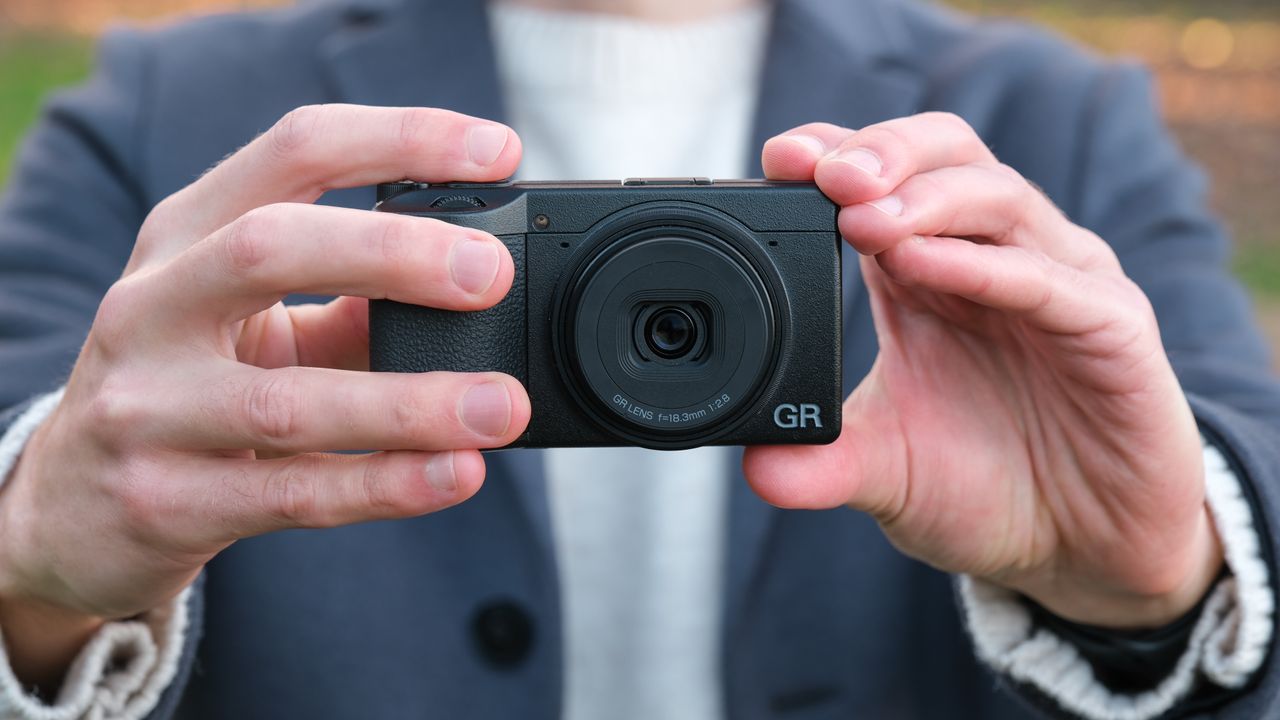
Few cameras can claim to have such a staunch cult following as the Ricoh GR III. And with the long-awaited Ricoh GR IV boasting the series’ biggest upgrade yet, that’s sure to continue. But as somebody who’d never handled a GR compact camera before, I’d rather ignorantly dismissed the whole series as a bit of a compact oddity. However, I quickly changed my mind when a colleague brought in a used GR III they’d acquired, and I got to handle the respected compact for the first time. The first thing I noticed was how premium it felt.
I’d always figured the GR cameras were a bit overpriced, and I guess if all you care about are technical specs, then there’s an argument to be had (more on that later). But holding this little camera in my hand for the first time, feeling the robustness of the casing and the texture of the grip, there was a – dare I say it – Leica quality to the camera. The alloy body felt reassuringly weighty, but not heavy, while the grip also had a pleasing tactile feel to it. Now, I’m not suggesting a GR camera can measure up to the premium feel of a Leica M-System camera, but the fact that the GR III is a compact really heightens the impact of the quality.
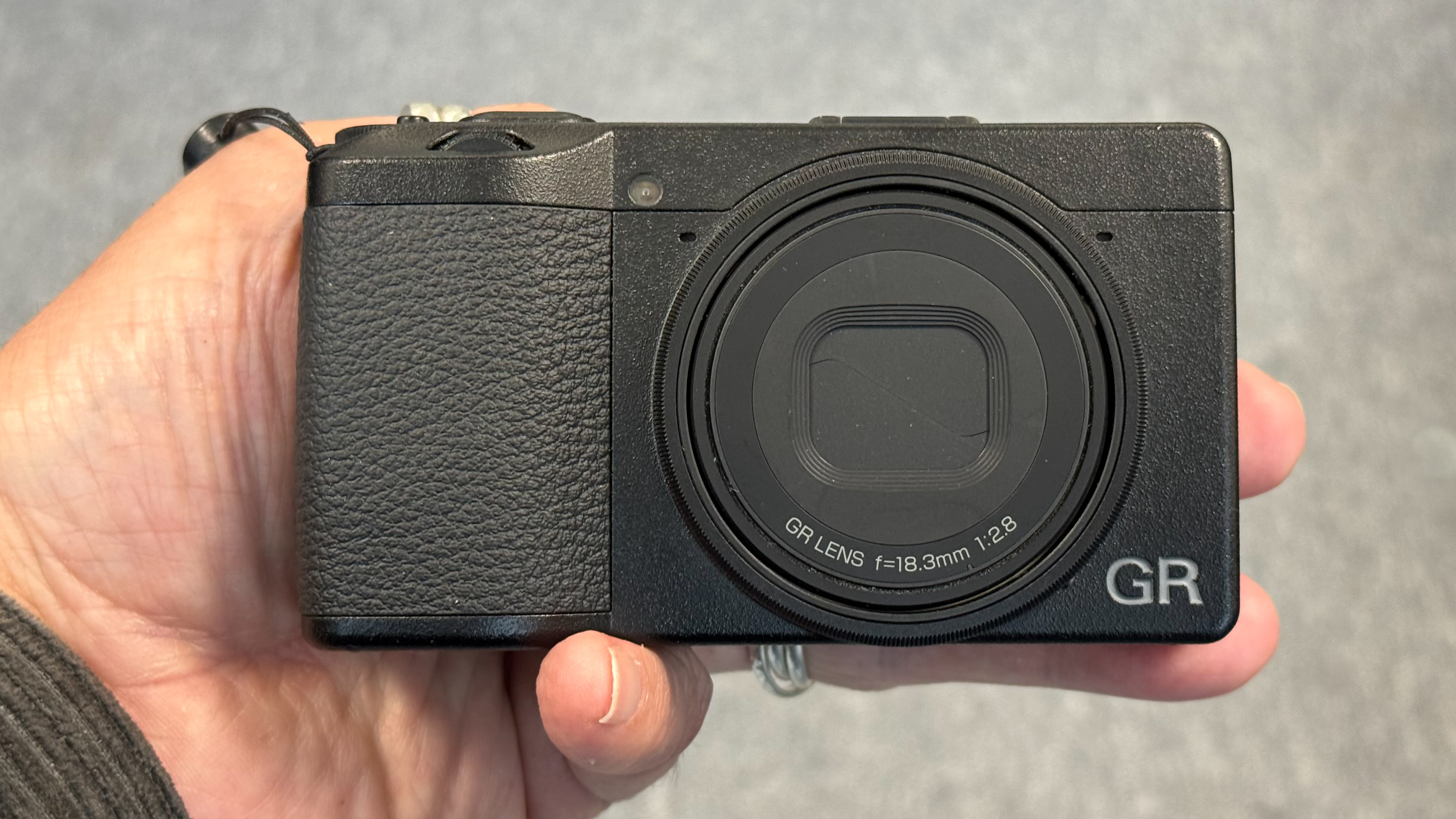
Next, I noticed the control layout. The camera is both minimalist, yet not wanting for direct-access controls at the same time. Then you have the form factor. I’m certainly a fan of the Fujifilm X100VI, but I don’t think it’s a true compact camera. It’s just too big. The GR III, on the other hand, feels like a compact camera. It’s not just small, it’s slight, you can easily slip it into a pocket.
The GR series’ design never really jumped out at me, and I now realise that’s not only a big advantage for cameras that are lauded by street photographers, but also a little bit unfair. While the GR III or IV doesn’t boast the retro-cool looks of the Fujifilm X100IV or Leica D-Lux 8, its stealthy all-black finish does have a definite charm (so, too, does the orange-accented Street Edition). In the same way that a beefy Canon or Nikon pro-grade body feels fit for purpose, so do GR cameras. They’re utilitarian by design; there are no gimmicks, they look and feel like they’re built to be a photography workhorse.
And the technical specs are utilitarian, too. Sure, a GR camera won’t knock your socks off with blistering burst speeds, ultra-detailed video, or monster megapixels, but these cameras are roundly praised for their exceptional RAW image quality. And as somebody who used an old Nikon D800 DSLR well passed its sell-by date, there can be an advantage to a simpler camera that cuts out the technical noise. In a world where compact cameras are often seen as casual devices, the GR III and IV really are the photographer’s compact cameras. I see now why the series is so revered.
You might also like...
Check out the Ricoh GR III vs GR IIIx. If you want a tiny camera but with great video specs, check out the Fujifilm X-M5. And here's the latest camera news.