Vanessa Gordon first tasted the bitter side of mom groups after joining a walking community following the birth of her first child in 2014. The 37-year-old Hamptons-based luxury events planner noticed the fellow moms were making judgmental comments about everything from parenting styles to what stroller brands were socially acceptable. “We would go exercise and work out together,” she says, “but then I felt the women were so cliquey.”
It didn’t stop when her two children, Sarah, now 12, and Ben, eight, started school. There would be confrontational WhatsApp groups, cutting remarks (“I wouldn’t let my daughter wear that”) and competitive conversations about expensive summer camps. When she and her husband filed for divorce, she felt judged by the other moms. “I could sense this feeling of, oh yeah, ‘That’s Ben’s mom over there, she’s going through a divorce. I could feel the isolation. My son is so social and he's so well-liked, but you could tell that I'm not as welcome.”
These days, Gordon deliberately distances herself from mom groups altogether. At mandatory school events or sports games, she makes a point of appearing busy, scrolling on her phone or jotting notes in a notebook. “I look as if I'm paying attention but still busy,” she says. “I do not look approachable.”
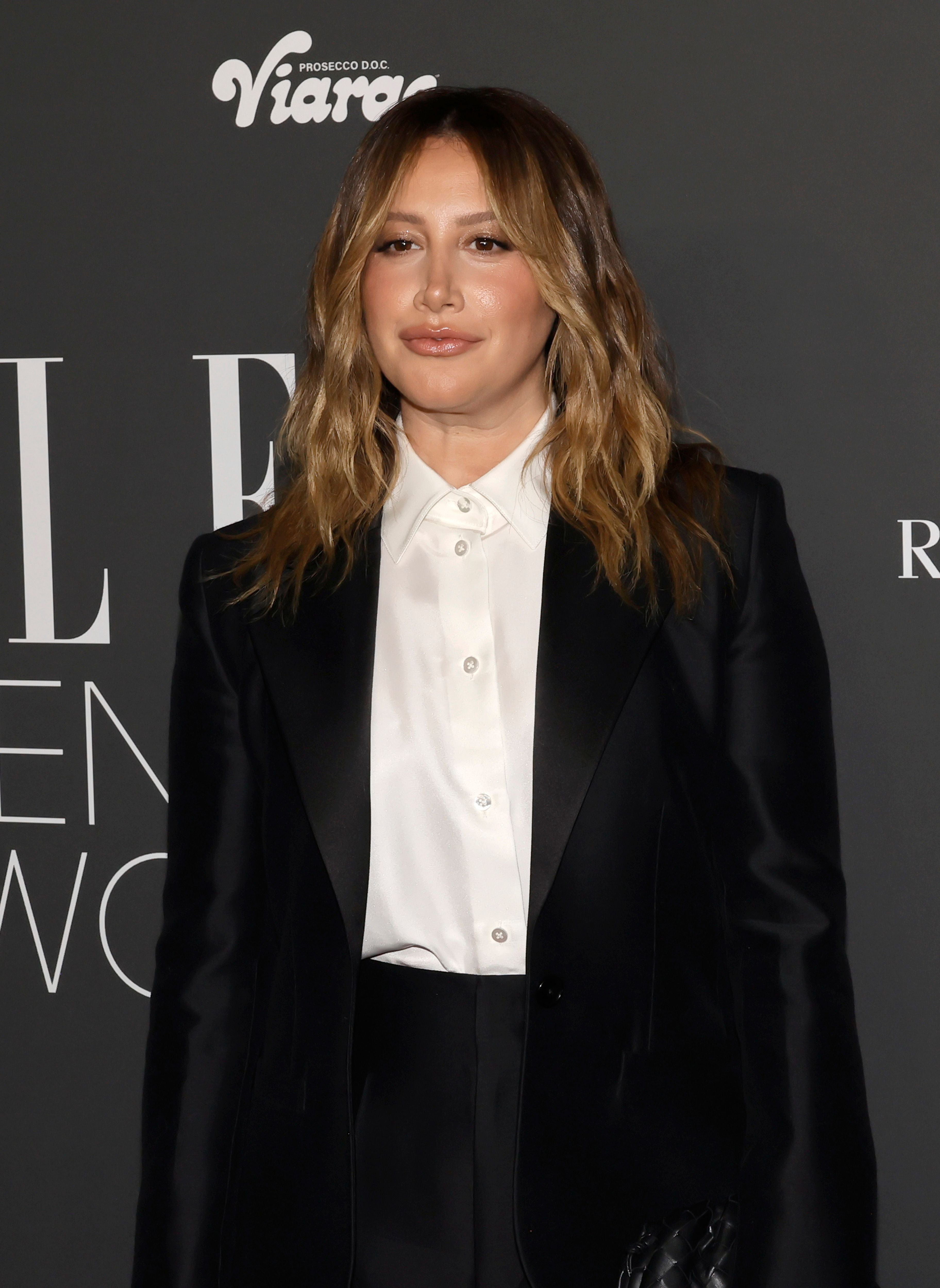
So-called “toxic mom groups” have been dominating online conversation in recent weeks after High School Musical star and mother-of-two Ashley Tisdale published a tell-all essay about being iced out of her Los Angeles mommy clique — rumoured to include entertainers Hilary Duff, Meghan Trainor and Mandy Moore — depicting the dynamic as akin to Regina George-style mean girl drama. Tisdale described feeling “not cool enough” and discovered she was being excluded from group hangouts only after seeing photos on Instagram. “I was starting to feel frozen out of the group, noticing every way that they seemed to exclude me,” she wrote.
If you put aside the Hollywood sheen of Tisdale’s mom group turmoil, it turns out that plenty of women relate. Stephanie Steele-Wren, a 36-year-old mother of one and therapist living in Arkansas, was desperate to find a connection with fellow parents after a traumatic experience of preeclampsia during pregnancy that ended with her daughter arriving four weeks prematurely.
As she grew closer to women in a mothers group, she encountered subtle passive aggressiveness, braggy messages about their children’s milestones and others talking about her behind her back. This made her doubt herself as a new parent, she says. “You're so already sleep deprived and just trying to figure it all out, and then on top of it, you have people judging you when, honestly, I was already judging myself,” she tells me.
One particularly hurtful comment came from a friend who spoke about her baby daughter’s size and weight. “She was saying, ‘Oh, I really miss it when mine was this little, but she was never that little.’ The tone that she used felt weird… it came off negatively,” says Steele-Wren. “It felt like she was saying, ‘I didn’t have a premature baby, so I’m a better mom than you.’”
Steele-Wren’s daughter is only two, but already, she is concerned about assimilating into larger mom groups when school starts. Diagnosed with ADHD, she says she has often felt like an outsider. “I’ve always been the oddball, but I do worry that people not liking me will have an impact on my daughter… that she may not have play dates and things because of my direct communication style.”
Dr Christie Ferrari, a Miami-based therapist and bona fide mean girl whisperer who specializes in fractured female friendships, read Tisdale’s essay and immediately recognised patterns she sees in her own practice. “All it takes is one person to pull back,” she says. “And then the rest of the group starts slowly mirroring that first person who withdrew and subtly follows to maintain harmony. It's all at the cost of someone being quietly pushed back to the margins or the periphery, and that's what makes this so painful and sometimes invisible.”
While I’m always wary of any narrative that depicts women as characteristically cruel or bitchy, it does seem that mom groups can become intensely policing environments, down to a combination of factors that range from insecurity to internalized misogyny. Ferrari tells me that these behaviors are more prevalent in feminine circles because women are often raised to be “pleasant, peaceful and to avoid open conflict to maintain our appearances” — but not shown how to resolve the more heated moments. “Many of us are not taught how to tolerate discomfort in relationships, or even how to stay grounded when you feel insecure or jealous.”

The idea that mean moms are just “mean girls” with kids slightly misunderstands why relations in these groups can get so fraught or tense, says Amalya Tagakchyan, a therapist and CEO at Untangled Path Therapy in Los Angeles. Poor behaviour in mom groups, she explains, is rarely about immaturity. More often, it stems from the underlying fear that can surface when someone becomes a new parent. The transition to motherhood, she says, is “profound”, often stirring up “unprocessed fear, perpetual comparison and questions about whether you’re enough in this role.”
“It comes with a deep sense of vulnerability, ambiguous grief of former identity, as well as an ongoing learning curve that can be exacerbated by loved ones and society,” says Tagakchyan. She explains that this can trigger a similar nervous system response to being in high school, which stems from the fear that others are more liked than you. “When we enter some of these mom groups and feel that ‘toxic’ feeling, it's a sign that things don't feel safe and can underscore a sense of self-doubt and insecurity,” Tagakchyan adds.
Competition — over everything from social status to children’s grades — is often what sharpens hostility. Ferrari notes that mom groups can be deeply supportive if they're built on a foundation of mutual respect and clear communication, but can quickly unravel if organized on rivalry. “And then, unfortunately, certain women become targets not really because they did something wrong but because they're just perceived as different, too confident or outside the unspoken hierarchy rules.”
For those brave enough to speak up, it’s not just their social lives at stake: it’s their children’s, too. When Ferrari advises clients navigating tension in their parental groups, she recommends avoiding any defensive language. If everyone but you is invited somewhere, instead of saying, “Why didn’t you invite me?” Ferrari suggests trying something less accusatory, like, “That looks fun… I didn’t know you were all getting together.” “It’s calling out the behavior without creating a problem,” she explains. “One will lead to escalation, whereas the other response will hopefully open the conversation.” Another rule: always discuss in person and never over text. “The screenshot and share will always happen,” warns Ferrari.
Just because you might have a child the same age, there’s no reason for another parent’s experience to align with yours. Instead, Tagakchyan recommends finding “a smaller group or even one person who evokes that sense of safety”; someone who can “complement your own values and more importantly sense of connection.”
Gordon has found community within a small collection of moms who don’t have any desire to gossip or posture themselves in self-congratulatory round robins. “It’ll be like that one mom who's sitting alone on one rock and I'm sitting alone on another. Then we look at each other and we go, ‘You're one of me!' We join, we sit on the same rock, eventually we feel each other out,” she says. “I find those relationships to be way more fruitful because we’re more intuitive.”
I’m a psychiatrist. Why online ADHD tests could fuel over-diagnosis
Ashley Tisdale posts about ‘finding strength’ amid ‘toxic’ mom group drama
The ADHD symptoms that are often missed as they don’t fit the stereotype
Why you should choose a sourdough bagel over a regular one
Today is National Bagel Day: Here’s all the best deals and freebies
Dozens ill as popular diet supplement powder recalled over salmonella fears