I use AI every day, but I’ve noticed something strange about so many AI tools: the more they remember about you, the less you have to recall on your own. Whether it's an AI notetaker or even enabling ChatGPT's memory, it seems like outsourcing information to AI could mean forgetting more as a human.
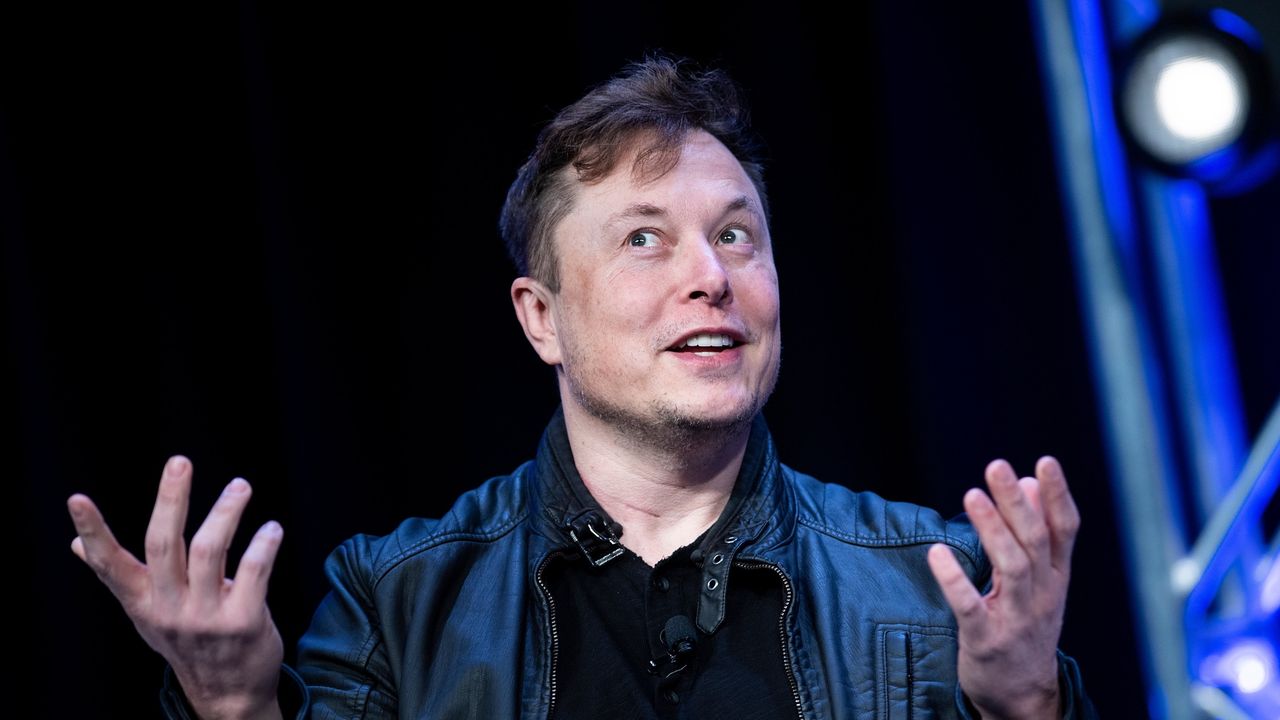
In other words, instead of storing information in our own brains, we're hoping AI remembers it and we're calling it "being productive." So when I came across a simple memory idea that Elon Musk shared a few years ago on the Full Send podcast, I wanted to test it.
The concept is simply that people remember information better when it feels relevant. If the brain understands why something matters, it’s more likely to hold onto it. That made me wonder: instead of using ChatGPT as a storage unit, could I use it to help me make Elon Musk's memory hack work for me?
For one week, I tried exactly that. Instead of asking the chatbot to remember things for me, I asked it to help make information feel more meaningful, useful and connected. Because of this strategy, I felt less mentally scattered, dropped fewer small tasks and remembered more without constantly checking notes.
Here are the 7 prompts that actually helped.
1. The 'why does this matter?' prompt

Prompt: "I need to remember [task/topic]. Explain why this matters to my goals, stress level or daily life."
Not everything in life is exciting. Whether it's a task for work or returning a permission slip to my child's teacher on time, there are things that need to get done. Remembering everything is tricky, so I use this prompt when I need to retain something that might not stick otherwise. This prompt worked because once something felt important, it became easier to remember.
Example: Remembering another school form isn’t exciting — but remembering it avoids a last-minute scramble, makes it worth not forgetting.
2. The 'connect it to something I know' prompt

Prompt: "Explain [new topic] by connecting it to something I already understand: [topic]."
I'm a big fan of connecting things in meaningful ways. I'v found that this prompt helps new information sticks because it attaches to old information I already know. It helps me feel less like I'm starting from scratch, which is particularly important for retaining something new. My brain remembers the connection, not just the fact.
3. The name memory prompt

Prompt: "Help me remember the name [person]. Create a quick mental image or story tied to their name and job."
I am embarrassingly terrible with names. This prompt suprised me and I often use it without ChatGPT. For example, if I'm at an event and I mean someone named "Jack," I might associate it with what he does so "Jack the journalist." Seems simple enough, but it works especially well when done immediately after the person says their name.
4. The meeting recall prompt
Prompt: "I have a meeting about [topic]. Give me 3 key things I should remember and one question to ask."
Before calls or meetings, I used this to retain prep notes. This strategy helps me pay attention more in meetings and not "work in the background." Staying focused and present with a prompt like this has really made a difference for what I retain once the meeting is over. I now turn passive notes into active recall.
5. The test me prompt

Prompt: "Quiz me on [topic] with 5 quick questions so I remember it better."
Depending on the topic, you can either ask ChatGPT or sometimes I'll upload documents and have the AI quiz me. This prompt is one of my favorites because the retrieval practice is so powerful. Being tested forces memory to strengthen.
6. The end-of-day save prompt

Prompt: "Here are 5 things I did today: [list]. Which 2 matter most long term, and why should I remember them tomorrow?"
Have you ever said "How is it Thursday already?" I find this happens to me more often than I want to admit. My days are so busy that they often blur together. This prompt helps me stay on task and truly make a mental note of what made each day unique and important.
7. The tomorrow trigger prompt
Prompt: "What should I remember first thing tomorrow based on everything I told you today? Keep it to 3 priorities."
My mornings are so busy that by the time I come up for air it's lunchtime. This prompt is useful for getting a headstart on the next day so things start smoothly, not hectic. This one really helps reduce morning brain fog instantly for me.
Bottom line
Using these prompts didn't some how give me a photographic memory or turn me into a memory genius. But I noticed myself forgetting fewer tasks, less rereading notes and an overall reduction of mental clutter. I also had better recall in meetings and fewer “why did I walk in this room?” moments.
For me, and this is probably true for a lot of people, it's not a memory problem as much as it is an overload problem. We’re flooded with information all day, so the brain filters aggressively. When something feels random or unimportant, it gets dropped.
Using ChatGPT to create relevance instead of just storing data helped me shift in a healthy way. Instead of having AI remember things for me, I used it to spark better ways to retain information. And if you ask me, that's a much sparter way to use AI.