
I use ChatGPT every day for work. It helps me write faster, think clearer and test ideas I might not have considered on my own. But recently, I realized something: I wasn’t using it for the things that actually stress me out.
I have a lot on my mind; the kind of stuff that builds up quietly until I'm ready to scream with overwhelm. Like many parents, I'm juggling work, kids, a house that feels endlessly in need of cleaning and the constant feeling that there’s never enough time.
So I tried something different. I gave ChatGPT seven real problems I’ve been dealing with lately — and asked it to help me fix them.
Some of the answers were obvious. A few were surprisingly useful. And one actually changed how I’m thinking about my day.
Here’s what happened.
1. Getting started while also being overwhelmed

Prompt: “I feel constantly overwhelmed — where do I even start?”
This was the big one because it's just so true. Between a full-time job and three kids (who somehow manage to argue and need snacks at the exact same moment), I often feel like I’m behind before the day even starts.
But with this prompt, instead of giving generic advice, ChatGPT had me break my day into three categories: must do, nice-to-do and not today.
It sounds simple, but forcing me to slow down and put everything into one of those buckets eased my stress significantly.
What actually worked: I stopped trying to do everything. And that alone lowered the pressure. If it's not in the must do bucket, I'm going to think twice before I do it. Before using this prompt, everything felt "must do," and that's just not the case.
2. Kids on screens (constantly)

Prompt: “My kids are always on screens — what can I do instead?”
This is a constant battle. My kids love to play outside but they often want me to be out there with them. It's not always practical for me to work outside so giving AI this prompt, helped me find a solution.
I asked ChatGPT for low-effort alternatives that didn’t require a full Pinterest-level setup.
It suggested things like: “challenge jars” (quick activities written on paper), 10-minute “family competitions" and rotating “kid in charge” nights. It also gave me a quick tip that playing with them for just 20 minutes, can help "get them started." I've noticed this works really well and honestly, I enjoy the much needed break.
What actually worked: Letting one kid “run the night” was weirdly effective. Less complaining, more engagement.
3. Finding time to take care of myself

Prompt: “I want more ‘me time’ — but there’s no time”
This felt like a trick question even as I prompted ChatGPT. But the AI didn't judge me or come back with a response that wasn't doable. Instaed, it suggested stacking “micro breaks." I had never thought of that before, but it absolutely makes sense. For example, 10 minutes before anyone wakes up, 5 minutes after school chaos or 15 minutes at night without a screen
What actually worked: Lowering the bar. “Me time” didn’t have to mean a full hour. Giving myself micro moments and being present with that time has really helped with my mental health.
4. Keeping up with the house work
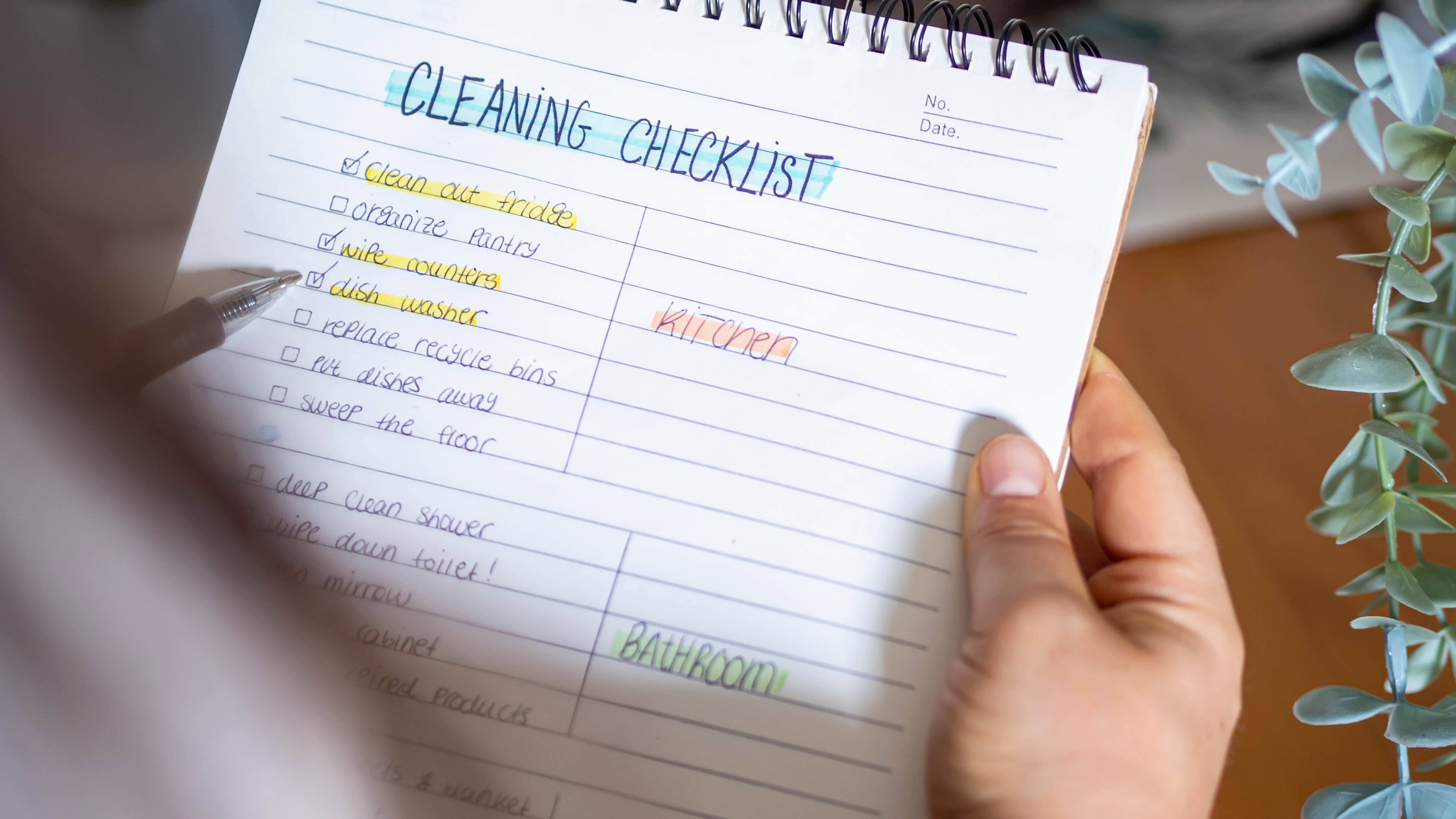
Prompt: “My house always feels messy — how do I keep up?”
Keeping my house clean with three young kids feels impossible. When I prompted ChatGPT, I was expecting a cleaning schedule. But what I got was permission to do less. This is something every mom wants to hear. I got a minimum baseline system that looked like this: 1 load of laundry per day (I was usually doing 3 loads at once), 10-minute nightly reset, one “focus zone” per day (kitchen, living room, etc.). I wasn't sure if it would be sustainable, but I gave it a try.
What actually worked: The 10-minute reset turned into more like 30-minutes, but it was still doable and short enough that I actually was able to do it. The rest didn't feel entirely realistic, but I'm working on it.
5. Money is tight, but I need a vacation

Prompt: “I want to take a vacation — but it feels too expensive”
The last time I took a vacation I didn't have kids. Yup, that's how long it's been. But, instead of pushing big trips, ChatGPT reframed it as: “micro-adventures," off-season planning and one-night local escapes.
It also suggested building a “vacation fund” from small weekly cuts, but we've cut just about everything.
What actually worked: Thinking smaller made it feel possible instead of overwhelming. We aren't planning any vacations any time soon, but ChatGPT did make it feel more like reality than a pipe dream.
6. The future and AI

Prompt: “I’m worried about AI taking my job”
Using this prompt with AI felt really ironic and I certainly wasn't expecting comfort here — but ChatGPT reframed this in a practical way. It told me to focus on what AI can't easily replicate such as my voice, judgement and perspective. It told me to see AI as leverage, not competition.
Like many, I'm feeling like the future is a bit bleak with AI, but using it to build skills while also not avoiding it, made sense.
What actually worked: ChatGPT helped shift my mindset from fear to control. Focusing on human skills is what we all can do right now.
7. Feeling exhausted

Prompt: “I feel tired all the time — how do I fix that?”
I often joke that I "wake up tired." I do all the things to stay healthy — eat well, exercise daily and see a doctor regularly, but my life is extremely busy and I often just don't get enough sleep. But instead of "sleep more" advice, ChatGPT helped me make sense of that tired feeling by asking me what time I usually go to bed, what keeps me up and what drains me most during the day. Then it suggested one realistic change:
go to bed 20 minutes earlier, consistently.
What actually worked: Going to bed 20 minutes earlier was a huge stretch, but I did try 10 minutes and then 15. Now, I am consistently going to bed 20 minutes earlier, atleast on the week days and I'm noticing a real difference.
Bottom line
Using AI for productivity is something I do daily. But using it for something far more personal gave me advice, that I didn't expect. I wasn't planning on AI "fixing my life," and it didn't. But it did make overwhelming problems feel smaller, clearer and more actionable.
It made me feel heard in a way I wasn't expecting and it gave suggestions that I hadn't considered. Not all of them were great, but a few actually stuck — and that was enough to change how my days feel.
If anything, this experiment showed me that AI isn’t just for productivity hacks or writing help. It can actually be useful for the messy, everyday problems most of us are quietly trying to manage.