

There's nothing quite like a clean-out and refresh before the busy holiday season, and when it comes to finding solutions for just that, it's at the top of my list. Often, we grow attached to items that may no longer serve us, and seeking out different methods to help us let go is a must. Lately, I've been applying something a little different to my decluttering routine, and it's all about the strangers, acquaintances, and friends’ decluttering technique.
Knowing how to declutter a home is one thing, but using the right technique is another. Applying this method to my space has helped me identify which items I love most, which items I no longer feel strongly about (but still use from time to time), and which items I've sadly left to gather dust.
Now, to better understand this technique and all that it entails, I reached out to Jessica Linighan, a professional organizer at Homefulness — a multi-award-winning luxury home and office organization brand that strives to bring calm from chaos. Here, Jessica explains exactly what I need to do with the strangers, acquaintances, and friends’ decluttering technique and how to apply it at home.
What Is the Strangers, Acquaintances, and Friends’ Decluttering Technique?
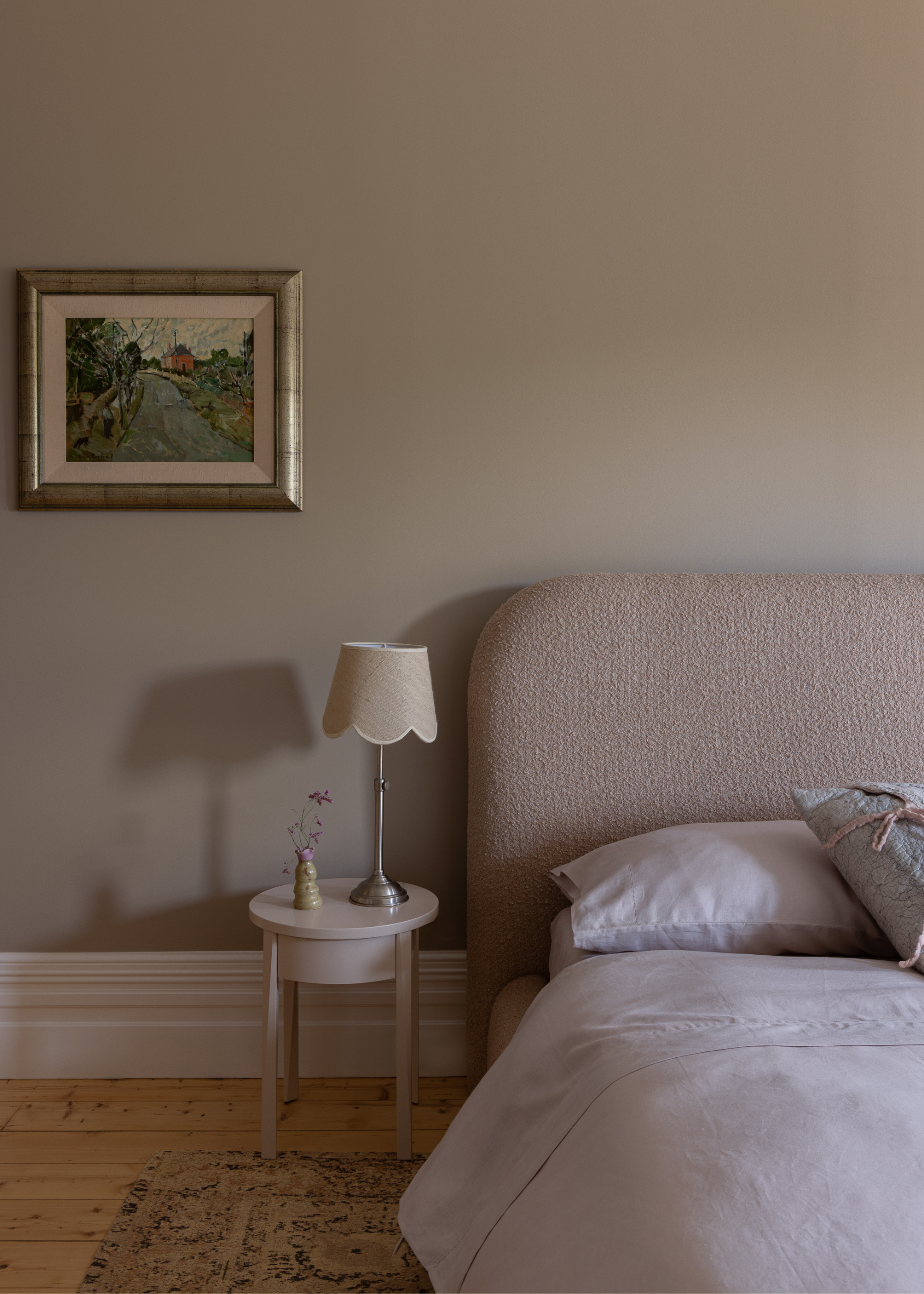
Before implementing this method in the home and reaping the benefits of decluttering, it's important to understand exactly what it is.
"This technique is a thoughtful, emotionally informed way to declutter and one we would recommend at Homefulness for clients who feel overwhelmed by decision-making," Jessica Linighan, professional organizer at Homefulness, explains.
She says it works by categorizing belongings based on emotional connection and actual usefulness. This includes:
Friends: Items you love, use often, or genuinely value.
Acquaintances: Items you like but don’t feel strongly about; things you might use.
Strangers: Items you barely recognize, rarely touch, or have outgrown.
"By sorting belongings through this lens, the decision-making process becomes less about guilt and pressure, and more about recognizing what truly supports your everyday life," says Jessica. "It’s a gentle method that brings clarity without emotional overwhelm."
How Can I Implement It In My Home?
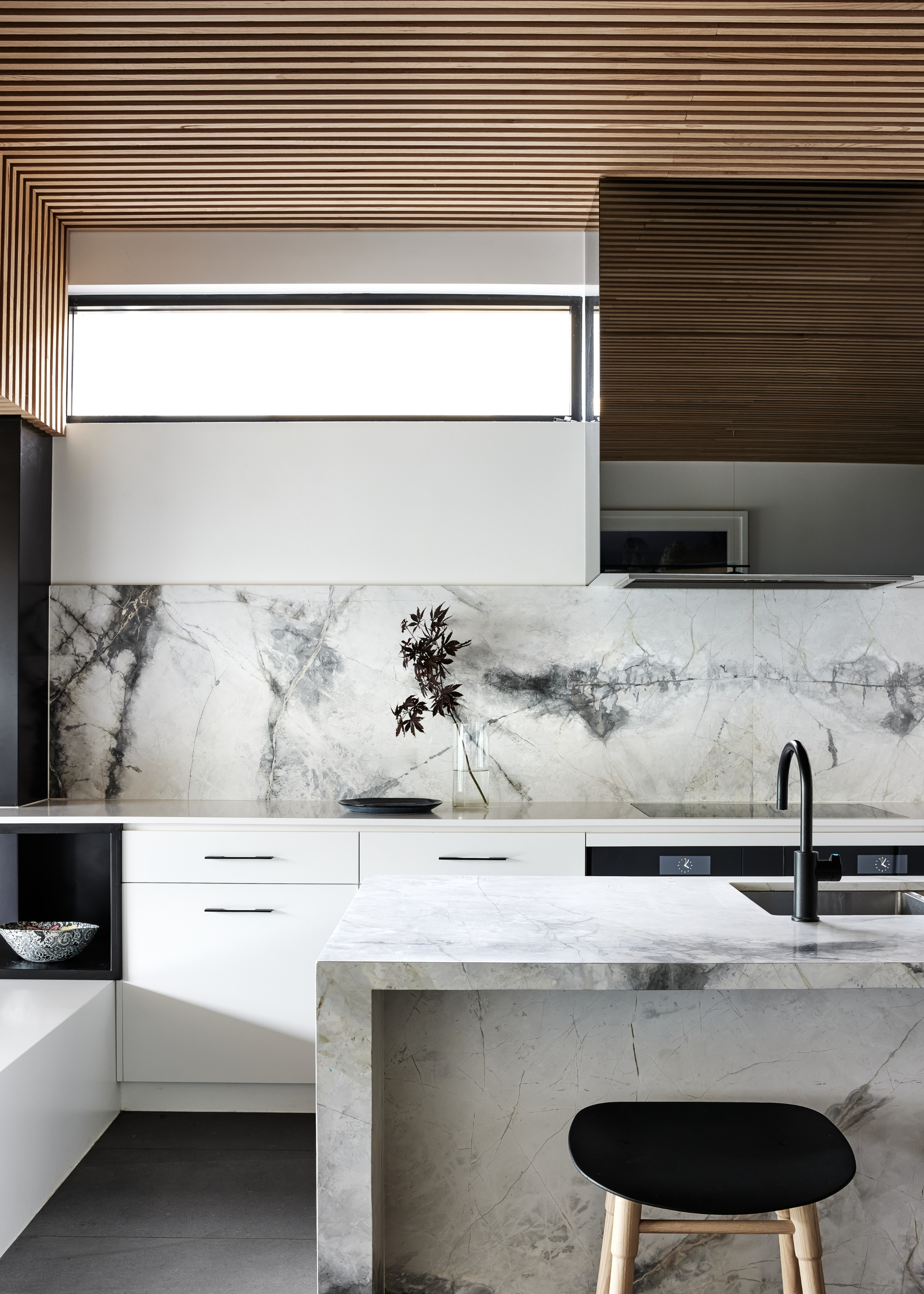
Whether it's decluttering a kitchen or bedroom, using the strangers, acquaintances, and friends’ decluttering technique in your home will make the process a whole lot smoother.
"The beauty of this method is its simplicity — it doesn’t require an entire weekend or a big overhaul," Jessica tells me. "You can start small and still experience meaningful results."
To begin the process, Jessica says it's best to "Choose a small area (a drawer, a shelf, a wardrobe section). Working in micro-zones keeps the process manageable." Be sure to identify those zones, whether it's zoning your bathroom or even perhaps understanding your kitchen zones.
You should then handle one item at a time and ask yourself: "Is this a Friend, an Acquaintance, or a Stranger?" Once you've figured that out, Jessica says, "Friends stay and get proper homes. Acquaintances are thoughtful 'maybes' reviewed with intention. Strangers can be donated, recycled, or passed on."
She continues, "Use a 'transition' or 'maybe' box for anything you’re unsure about. Revisit it in 30–60 days; if you haven’t needed anything inside, the decision becomes clearer."
The expert notes that it's best to repeat in small bursts. "A few focused minutes can transform an entire space over time! This method works especially well for clothing, books, paperwork, kitchen drawers, and even sentimental belongings, anywhere decisions feel emotionally heavy."
Decluttering Reads
Written by Matt Paxton, this book explores releasing and letting go of things that no longer serve you, as well as identifying the items that might just be worth keeping.
Francine Jay gives readers an insight into having less stuff and finding joy in such. She guides readers into simplifying their lives and managing the overwhelm of clutter.
Based on the BBC One show: Sort Your Life Out, this book explores what you need to do to successfully declutter in your home through three transformative methods.
FAQs
What If I Struggle to Let Go of Things During the Decluttering Process?
Knowing how to declutter when you're feeling overwhelmed will ease any anxieties or uncertainty you might feel during the process. But if you are struggling to let go of a few things, Jessica says it's completely normal.
"At Homefulness, we approach this with empathy," she says. "Some tips for navigating the emotional side of decluttering: Shift the focus from losing something to gaining clarity. A calmer home, easier routines, and more breathing room are all part of the 'why'. Use time as a neutral guide. If you haven’t used an item in a year, or can’t imagine using it soon, it may no longer serve your present life."
She continues, "Preserve the memory, not the clutter. Photograph special pieces or write a note about why they mattered. The sentiment remains without taking up space. Let your items continue their story elsewhere. Donating items so they’re truly used again often releases emotional guilt."
And lastly, Jessica says it's always best to start small and be kind to yourself. "Decluttering is not an all-or-nothing act; small, consistent steps create the biggest long-term transformation."
Now that you've got another smart decluttering technique under your belt, why not give it a go for yourself and see how it helps you let go of items that may no longer serve you? Or perhaps you want to change things up a bit and try out a few famous Japanese decluttering techniques. Whatever you opt for, stick with it — trust me, it'll be worth it in the long run.