
Ahead of the World Cup 2026, I, along with many others, have noticed just how grueling the competition schedule looks, especially in searing temperatures and with relentless training sessions. It got me thinking about how elite soccer players and teams all over the world approach their recovery routines.
And who better to turn to than Geoff Scott, a senior physiotherapist and Premier League performance expert who not only has 25 years of Premier League experience under his belt, but is also the founder of Hauora Performance and a director of performance at Nottingham Forest FC.
As a personal trainer, I'm fascinated by the level of fitness the players achieve to stay fit, powerful, strong and injury-resistant despite demanding schedules. "To stay ahead, we look beyond standard GPS vests and integrate recovery tech into the players' daily routines, managing their physiology around the clock," Scott says.
Below, Scott reveals how the best recovery technology is integrated into players' routines, the benefits, and how you can recover just like them with some tips we think you need to know about. Read on for more.
"How do you incorporate gym-based training, and what type of equipment and exercises are crucial?"
"In the Premier League, gym-based training focuses heavily on building high-velocity athletes capable of handling intense physical demands," explains Scott. "We look at gym work through two lenses: explosive performance and injury prevention."
"In the gym, we place significant focus on eccentric training, where the muscle elongates under tension, using exercises like Nordic curls and flywheel training. This specific stimulus is vital for lengthening muscle fascicles and increasing structural strength, which makes players significantly more robust."
In the fitness world, eccentric training helps the body absorb the braking forces that players experience in soccer, and Scott credits this with "helping prevent soft-tissue injuries during high-speed cutting and sprinting, as well as increasing agility in tight spaces."
With that in mind, Scott says there's a foundation that relies on variable resistance equipment and velocity-based training devices. "By tracking the exact speed of a barbell or cable movement, we can measure daily central nervous system fatigue and adjust a player's load in real time," he says.
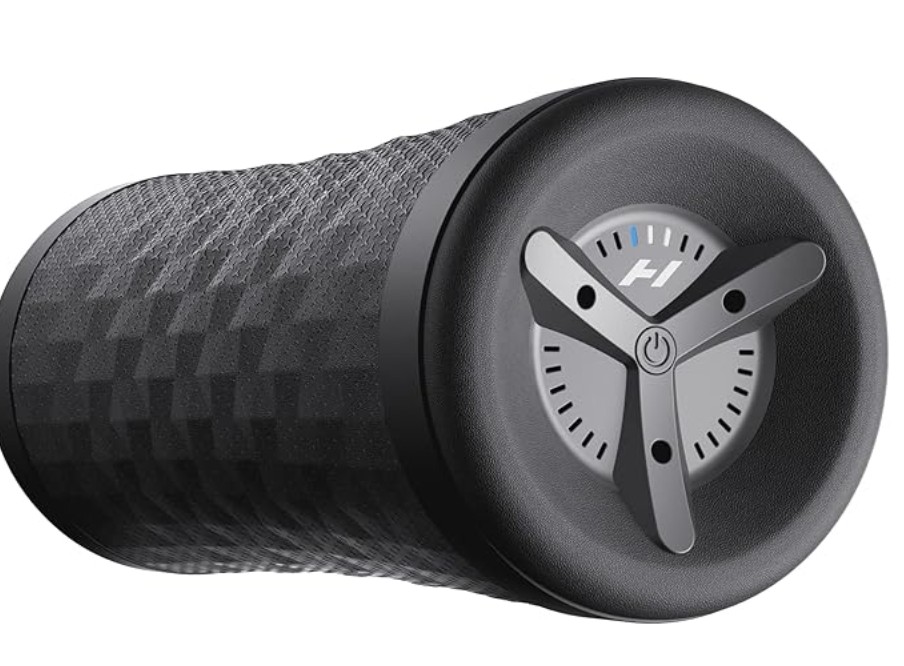
"Hyperice products such as the Vyper 3 Foam Roller and Hypersphere Go are vital for pre-activation sessions and recovery between games.
"Do you incorporate garments or technology into training or recovery programmes?"
"To stay ahead, we look beyond standard GPS vests and integrate recovery tech into the players' daily routines, managing their physiology around the clock," says Scott.
"We have fully integrated the Hyperice range into our pre-training preparation and post-match recovery protocols. Before hitting the grass, players use the Hyperice Vyper 3 vibrating rollers and Hypervolt massage guns to increase local blood flow and improve joint range of motion."
According to Scott, the Normatec compression system has been game-changing. "Our players routinely wear the Normatec leg sleeves on travel coaches, planes, and in the dressing room," he says.
"The dynamic air compression mimics natural muscle pumps, drastically speeding up lymphatic drainage and reducing the delayed onset muscle soreness (DOMS) that can affect a player's performance in a multi-game week. Between games, recovery is our primary focus."
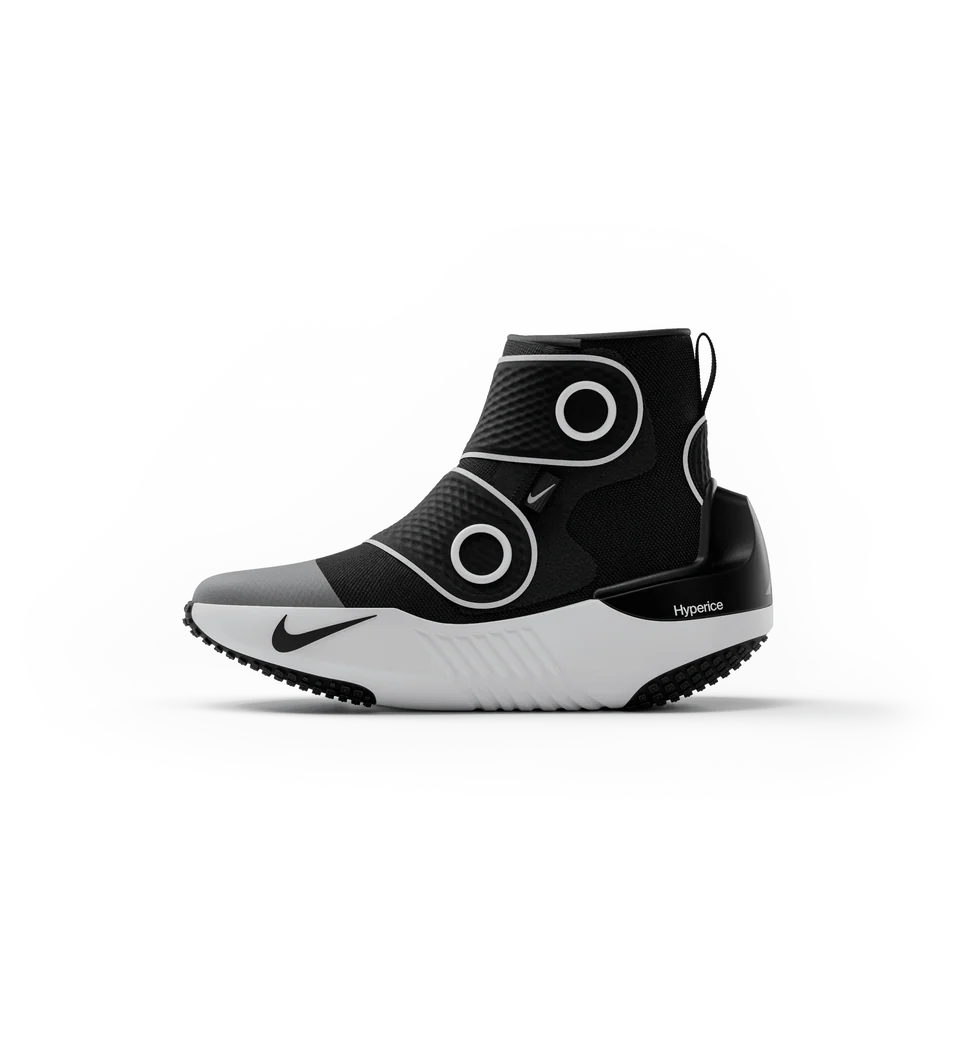
Another addition to the dressing room has been the Hyperice x Nike Hyperboot.
A post shared by Tom's Guide Fitness (@tomsguidefitness)
A photo posted by on
The Hyperboot uses a combination of dynamic air compression and warming, targeting the feet, ankles and Achilles tendons; areas which take an enormous amount of stress, according to Scott, and are under-prepared.
"Players can slip on the Hyperboot in the dressing room in the build-up to kick-off, and the compression and heat help drive blood flow into the foot and surrounding structures, loosening the Achilles and improving ankle mobility before they even set foot on the pitch," he explains.
"What data is crucial to capture for recovery, and how do you use it?"
"Data is only useful if it drives an immediate, actionable decision," says Scott.
- Training Data: "We monitor external and internal loads via GPS and heart rate profiles, tracking total distance, high-speed running, and sprinting. Comparing this to chronic training loads helps us spot spike risks before they lead to injury. We are beginning to implement live video capture, which we use to detect fatigue (live in match) through the Xalo Labs platform."
- Performance Data: "During match play, we sync physical metrics with tactical video data. Tracking high-intensity efforts and acceleration profiles tells us volumes about a player's current match-fitness or residual fatigue."
- Recovery Data: "Every morning, players log subjective wellness scores alongside biometric check-ins for Heart Rate Variability (HRV), sleep amount and quality, and resting heart rate. We also conduct periodic countermovement jumps on force plates on specific days to assess neuromuscular fatigue."
He adds: "If a player's HRV is suppressed and force plate power output drops below their baseline, we adapt. We might pull them from high-intensity tactical drills and redirect them to a low-impact recovery session using the Normatec sleeves and pool work."
Finally, we asked what sorts of performance checks are given to players who might be a transfer target for a Premier League team, especially when it comes to preventing potential injuries.
"When evaluating a potential transfer target, our ultimate responsibility is to be absolutely certain they can cope physically with the ferocious, relentless tempo of the Premier League or, at least, that we can develop them to get there over a period of time," he says.
"We dive deep into a player's previous physical performance stats and historical injury records. We look at their availability data, training volumes, and high-speed running trends over past seasons to assess performance metrics and robustness."
There will also be a level of live profiling. "We run comprehensive baseline testing on force plates to uncover limb asymmetries, test eccentric hamstring strength to catch residual weaknesses, and conduct thorough cardiovascular profiling.
"If the data shows a gap between where they are and what our team style demands, it gives us a clear development blueprint to build the robustness they need."

Follow Tom's Guide fitness on Instagram for more workouts, routines, tips, and tricks.
A post shared by Tom's Guide Fitness (@tomsguidefitness)
A photo posted by on