I'm not here to give you a gardening lesson — this is Livingetc, not Gardener's World, after all, but if there's one piece of advice I give anyone for making raised beds and planters look better (as someone with a pretty magical container-based courtyard myself), it's to make sure you've got some 'spillers' in the mix.
Spillers, if you're unfamiliar, refer to trailing plants — ones that don't just grow up in the air, but will creep down the edge of your beds, breaking the lines and softening the edges, while giving your planting scheme way more depth and intrigue. It's a game-changer, and any time I see raised beds or planters now where everything just sticks 'up', I can't help but feel they're missing something.
In my own container garden, I use a mix of shade-and-sun-loving trailing plants, depending on the spot in the garden, but there are three particular plants I've come back to again and again over the years because I not only love how they look, but how easy they are to look after.
So, if you're looking for some spillers to round out your garden this season, here are my picks.
1. Creeping Thyme
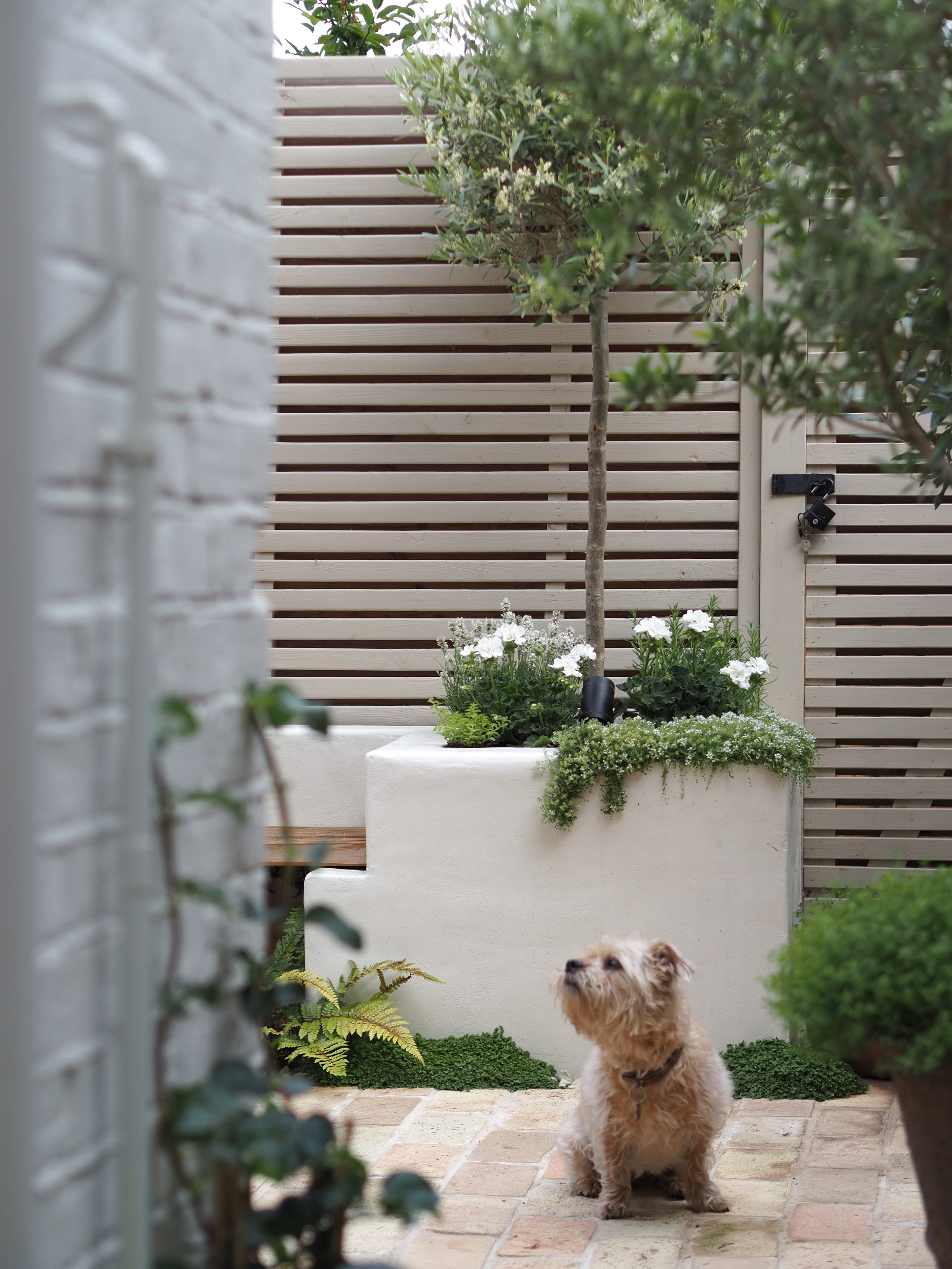
Creeping thyme might feel like an unusual choice for a trailing plant — it's more often used (and even I do in places) as a groundcover plant, but I like it for my garden beds because, while it does trail, it's not an expedient grower in length. That means it creates more of a tight, dense mat, so it trails quite tidily, in a very aesthetically pleasing way.
I find the curse of a Mediterranean garden is dealing with plants going woody, where stems change from soft, flexible, and green to hard and rigid — and often less good-looking. However, creeping thyme doesn't do this for a good three to five years, which is pretty good going.
Traditional creeping thyme often has pink flowers in spring, but as my garden is largely an all-white affair, you'll find most plants on my list end with albus, meaning they're white-flowering varieties, like this one from Amazon.
Creeping thyme is drought-resilient, hardy, and can thrive in poor soil, so it's no plant diva.
2. White Maiden Pink
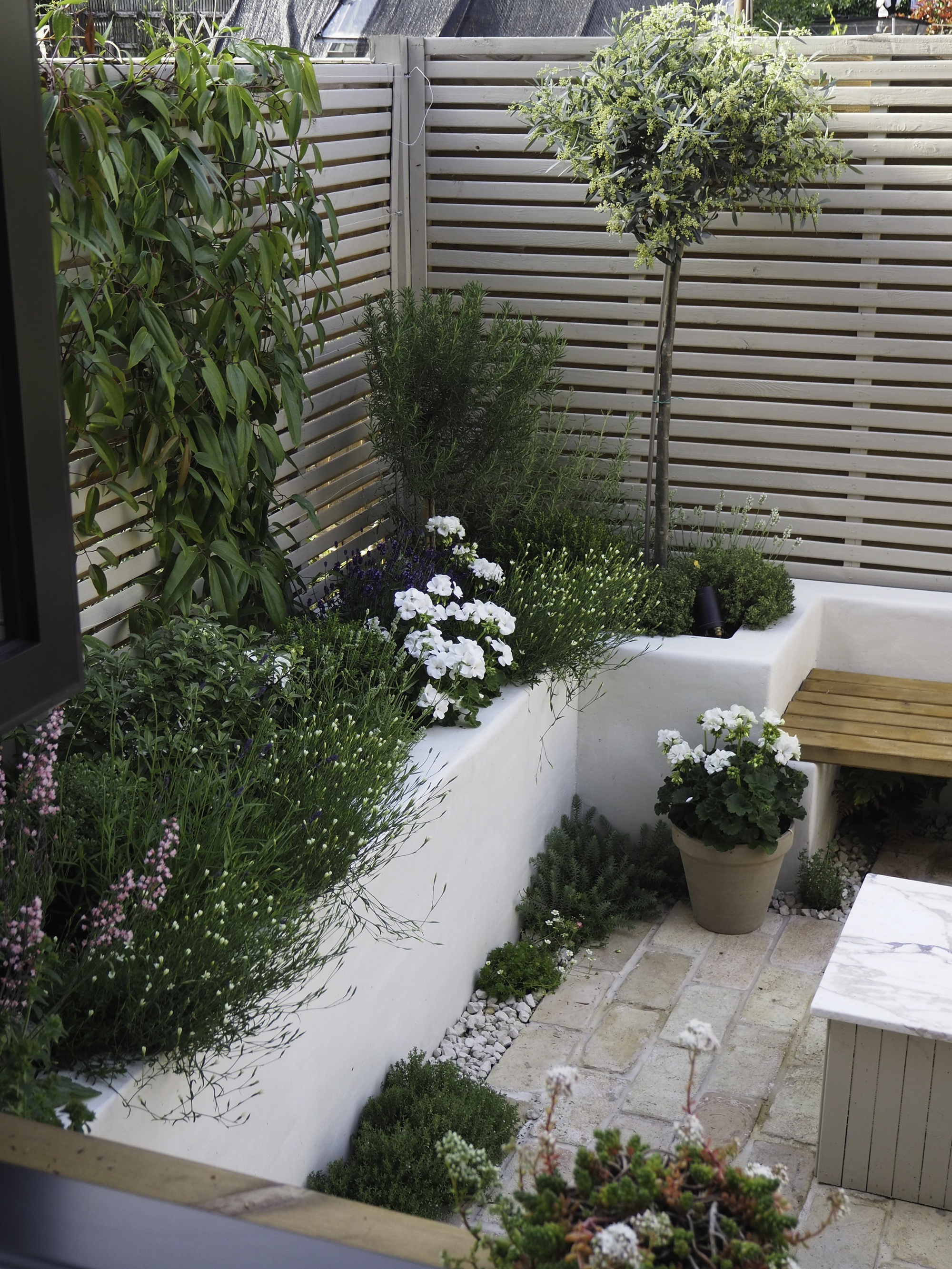
For something a little more wild, I love Maiden Pink (though I tend to remember it better by its Latin name Dianthus deltoides than I do most other plants in my garden).
As a trailing plant, it's not wild in itself. It grows a bit faster and longer than something like creeping thyme, giving you a more impressive spill over the edge, but what I really love about it is that it comes to life when it flowers. The flowers don't just sit flat to the plant; they burst through on taller stems, which gives this some brilliant height, alongside its trailing qualities.
Again, it's an albus for my garden (which you can find from plant suppliers like Suttons), but it typically comes in pinks and reds, too.
3. Trailing Rosemary
I love rosemary — it's the backbone of any good Mediterranean garden for its good looks and the fact that it's pretty budget-friendly and a good filler plant. I'll even overlook its blue flowers in my all-white garden, that's how much I like its foliage.
I can't remember the first time I saw trailing rosemary, but it was a lightbulb moment for my garden. It meant I could start to use it for spilling over the edges of my raised beds. It's a little harder to find, and if you don't keep on top of its pruning, it can go woody as quickly as a couple of years, but once it's established, it sort of thrives on neglect. It likes full sun and good drainage, so it doesn't work for every corner of my garden, but I've found a few happy spots for it.
The variety I have is a prostratus, which you can find from Crocus.
If you want better garden planters, you should probably know about the spillers, thrillers and fillers rule — it'll change how you choose your plants.
And, if you want more outdoor living inspiration, sign up to the Livingetc newsletter this gardening season.