
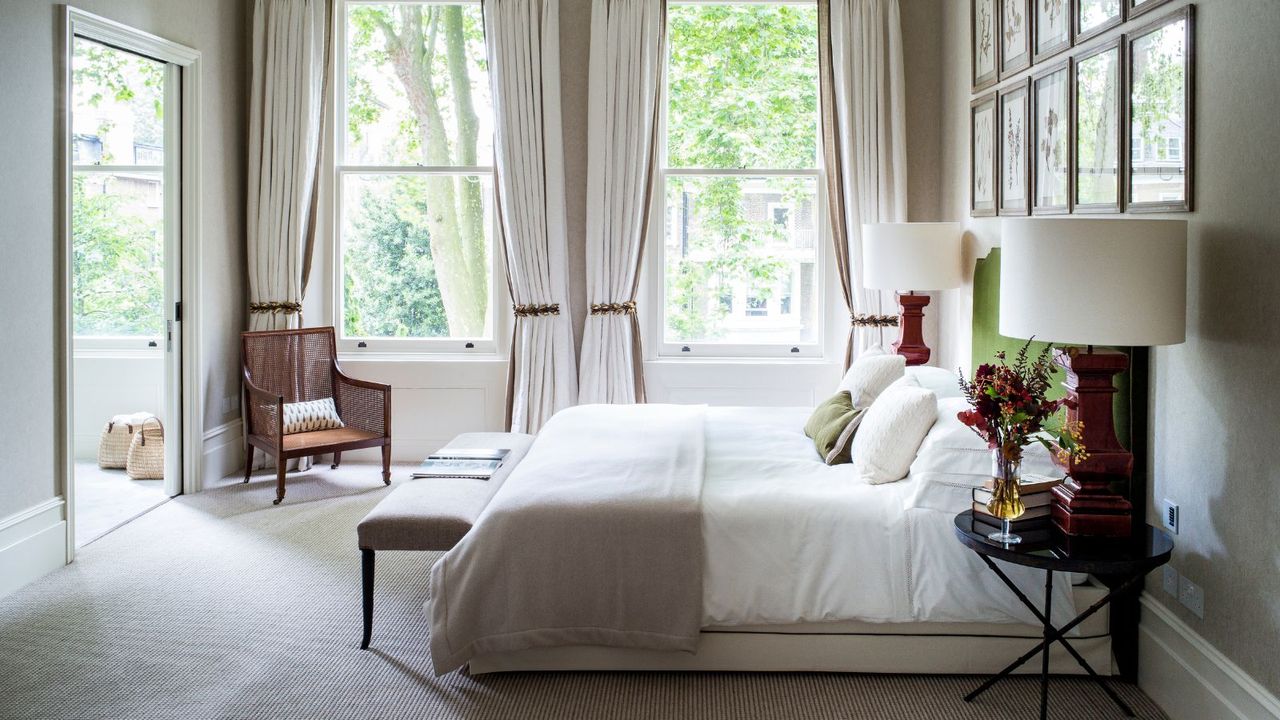
During winter, it's understandable that a desire for cozy, comfortable nights might tempt you to crank up your thermostat. However, according to our HVAC pros, the perfect temperature for better sleep is likely lower than you think.
In fact, between 65 and 70 degrees Fahrenheit is the sweet spot, with this setting also helping to lower your energy bills at the same time.
Here, our HVAC pros share everything you need to know about the ideal room temperature for serene sleep and savvy savings.
The Perfect Thermostat Setting for Better Sleep
While designing a bedroom for better sleep, the temperature to set your thermostat to might not be your first consideration. But, explain our HVAC pros, get it right, and you'll likely find yourself sleeping better, quickly.
Josh Mitchell, HVAC expert and founder of AirConditionerLab, advises, 'I've found 65 to 70°F is the best range for most people to sleep well. Your core body temperature starts to drop about an hour before sleep. If your room stays too warm, it interferes with that cooling process and makes it harder to reach deeper sleep stages like REM and slow-wave sleep.
'Studies from the National Institutes of Health and the Sleep Foundation both point to 66-68°F as the range with the fewest sleep interruptions. In sleep clinics, 65-67°F is common.'
Fatemah Farahan, a licensed psychotherapist, founder of Farahan therapy
& Associates, and the author of Wired For Happiness, available at Amazon, agrees that, when it comes to sleep, cool, fresh air can help, especially as lower temperatures support the natural drop in body temperature that occurs with sleep.
'Ideal bedroom temps are around 60-67°F – think brisk but cozy,' she says. 'That sweet spot encourages our bodies to settle into the deeper, restorative sleep phases. Plus, fresh air can help reduce stuffiness, which benefits respiratory health and can improve overall sleep quality.'
How to Achieve the Ideal Room Temperature for Sleep
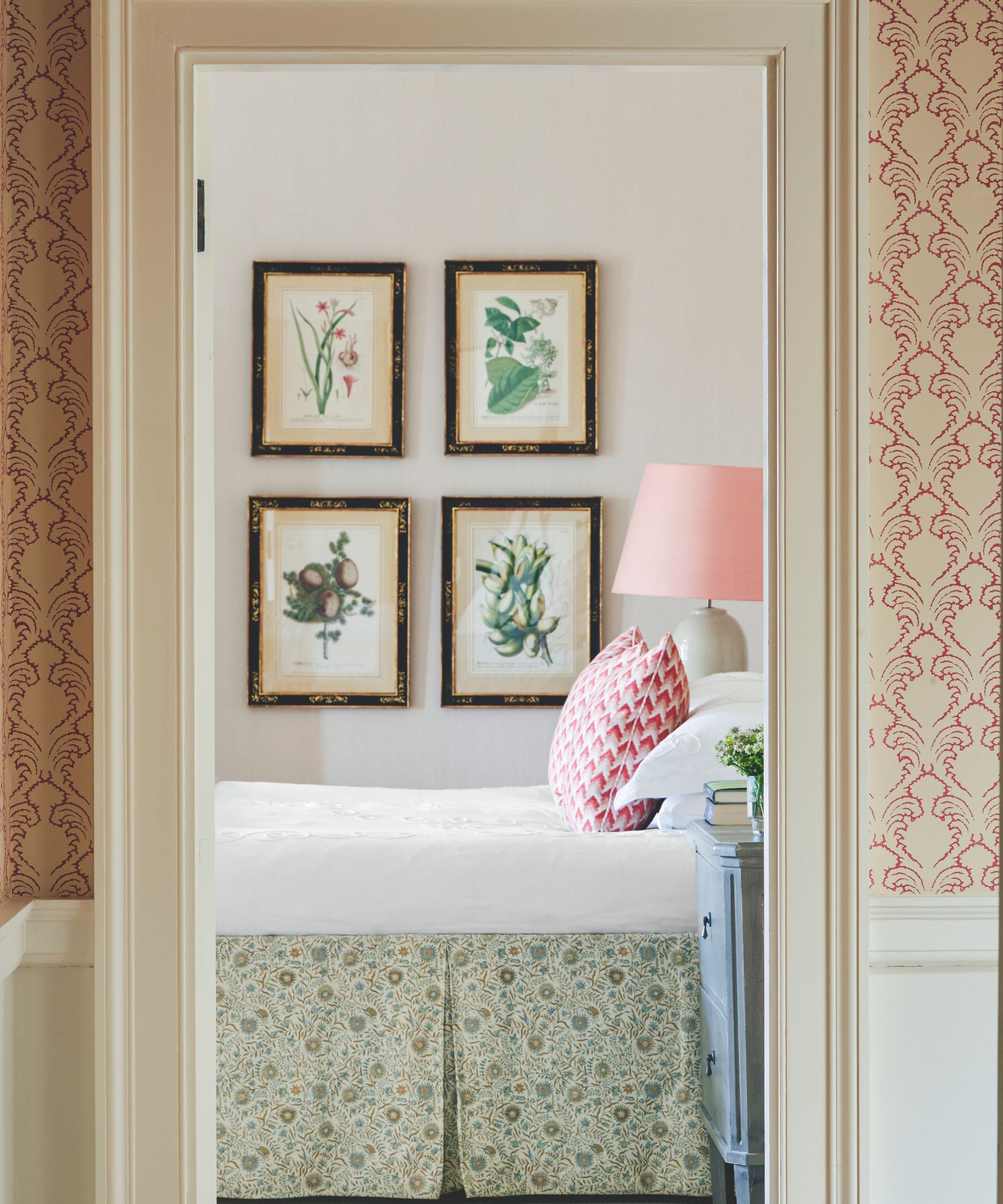
So, to hit this ideal range and avoid any thermostat mistakes, Josh recommends turning your thermostat down 30 to 45 minutes before bed.
'That gives your system time to adjust without blasting cold air as you're falling asleep,' he explains. 'With smart thermostats, you can also schedule it to warm back up 20 minutes before wake-up so you're not stepping into a freezing room. That balance improves sleep and prevents overheating during long recovery cycles overnight.'
And, as Nick Barber, co-founder at Utilities Now, adds, according to the Department of Energy, this can actually help to cut energy bills, too, saving as much as 10 percent annually on your heating bill. 'In the evenings, reducing the temperature right before bedtime not only conserves energy but can help you sleep more soundly as well,' he assures.
In addition to setting your thermostat, Josh also suggests moving your bed placement to stay warm at night, away from any exterior walls or windows, and using thermal blackout curtains and plastic window insulation film, such as the Frost King Plastic Shrink Film Indoor Window Insulator Kit available at Walmart.
'Both help reduce heat loss by around 10 to 15 percent overnight, based on testing I've done with blower doors and thermal cameras,' he says. 'If you want to stay warm without raising the air temperature, I suggest heated mattress pads over electric blankets. They're safer in the long term and more efficient because the heat is trapped beneath your body.
'I've measured a 3°F drop in room temperature when switching from full-room heating to just a mattress pad, with no loss of comfort. It's a simple way to cut energy use while still sleeping warm.'
And, while Fatemeh is a big advocate for opening windows in winter, and sleeping with your bedroom door open, and windows open, she adds that, if it gets down to freezing, it's best to keep the window shut.
'If room temps dip below that ideal range, our bodies work to stay warm, which can disrupt our ability to fall into deep, restful sleep,' she explains. 'Waking up shivering isn’t exactly a recipe for a great night’s rest. Not to mention, chilly air can be irritating for those with asthma or allergies.'
What to Shop
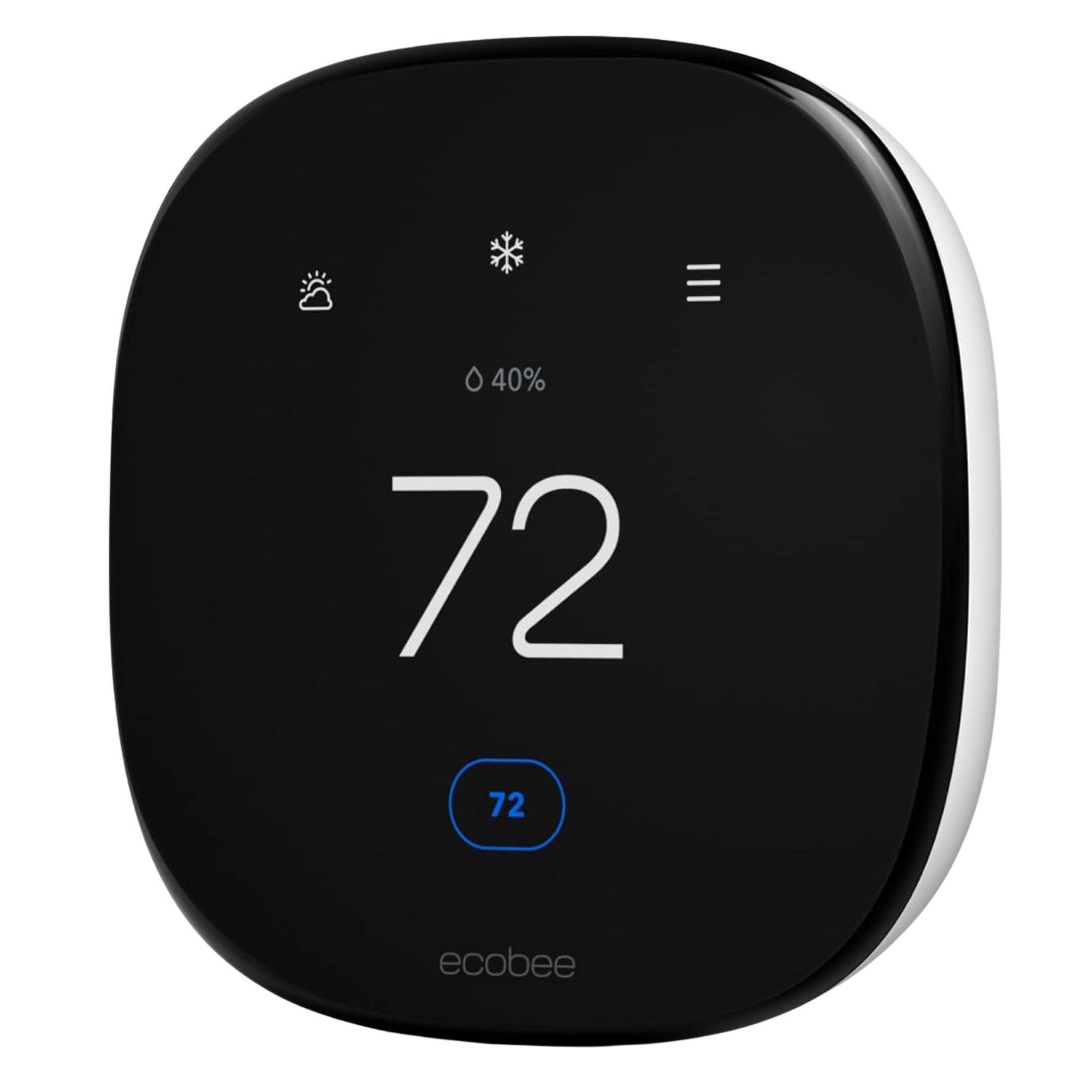
This smart thermostat is Energy Star certified and works with Siri, Alexa, and Google Assistant. It also cleverly automatically adjusts the temperature to account for humidity, so your bedroom will always feel like the temperature you’ve set.
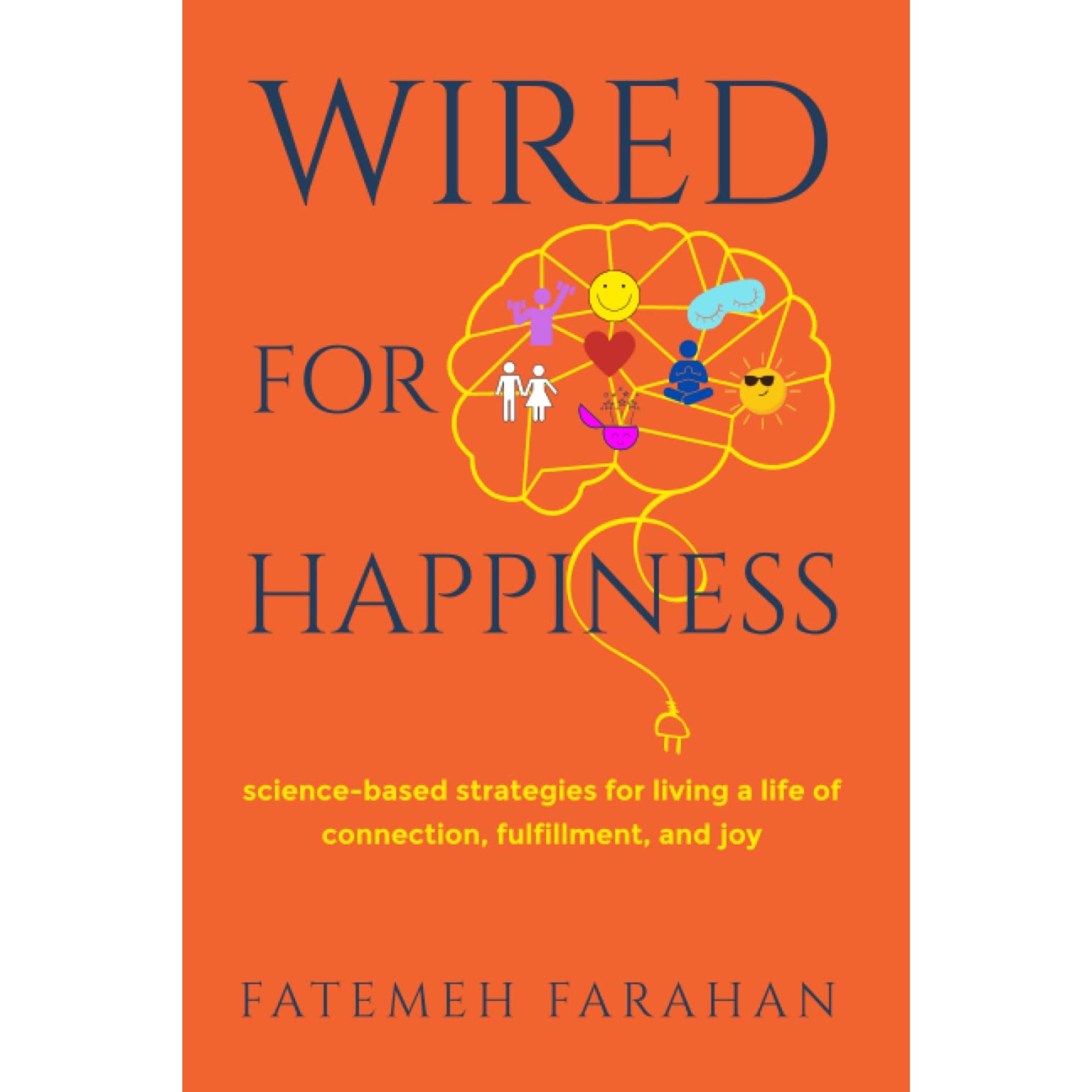
This is Fatemeh's book, filled with science-based strategies to help prime your brain for positivity and better sleep, shift your mindset, emotions, and actions, and connect more deeply with yourself and others.
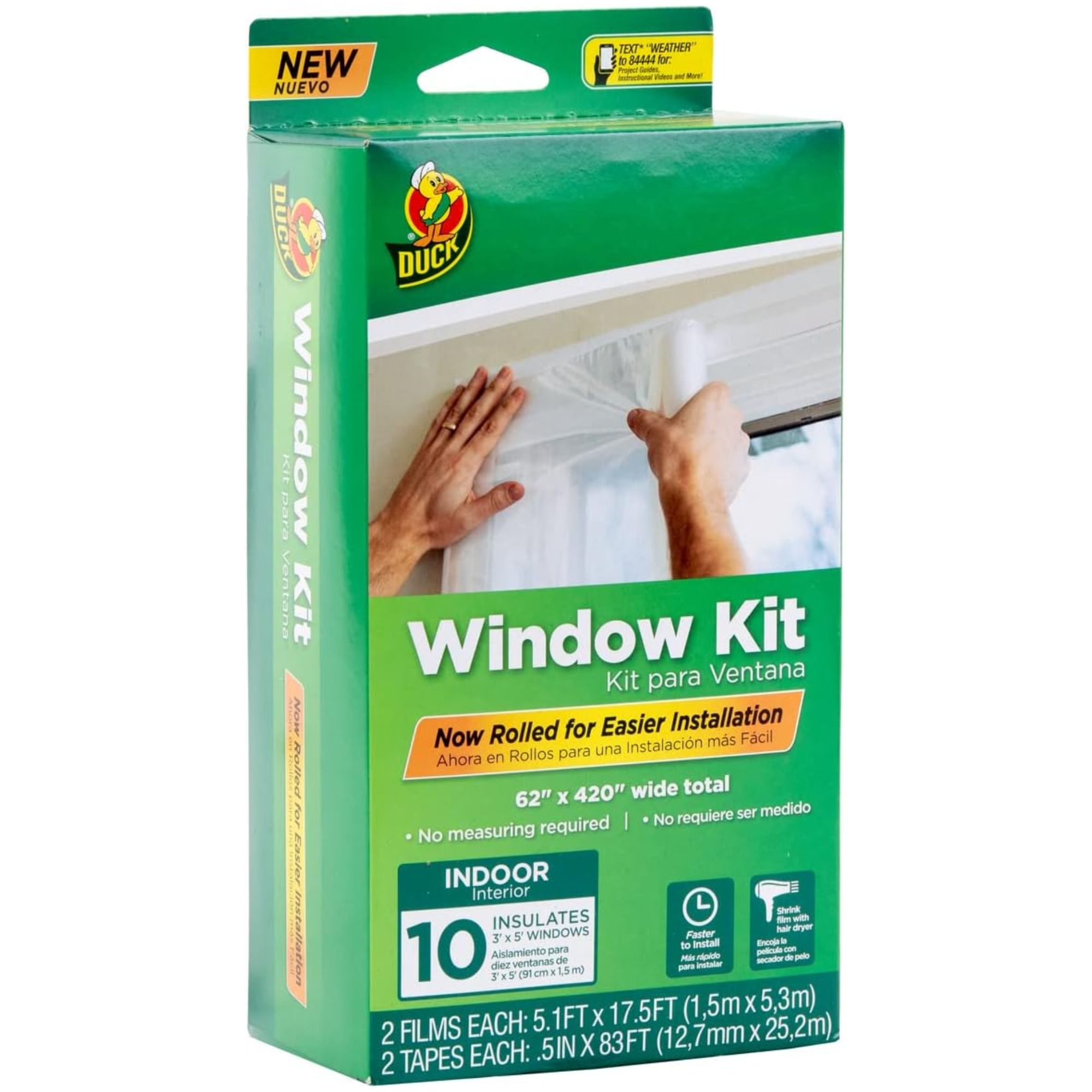
This window insulation kit is easy to fit with no measuring required, and only scissors and a hairdryer are needed for installation. It effectively creates an insulating barrier to block drafts and air leaks, and helps to reduce heating costs.
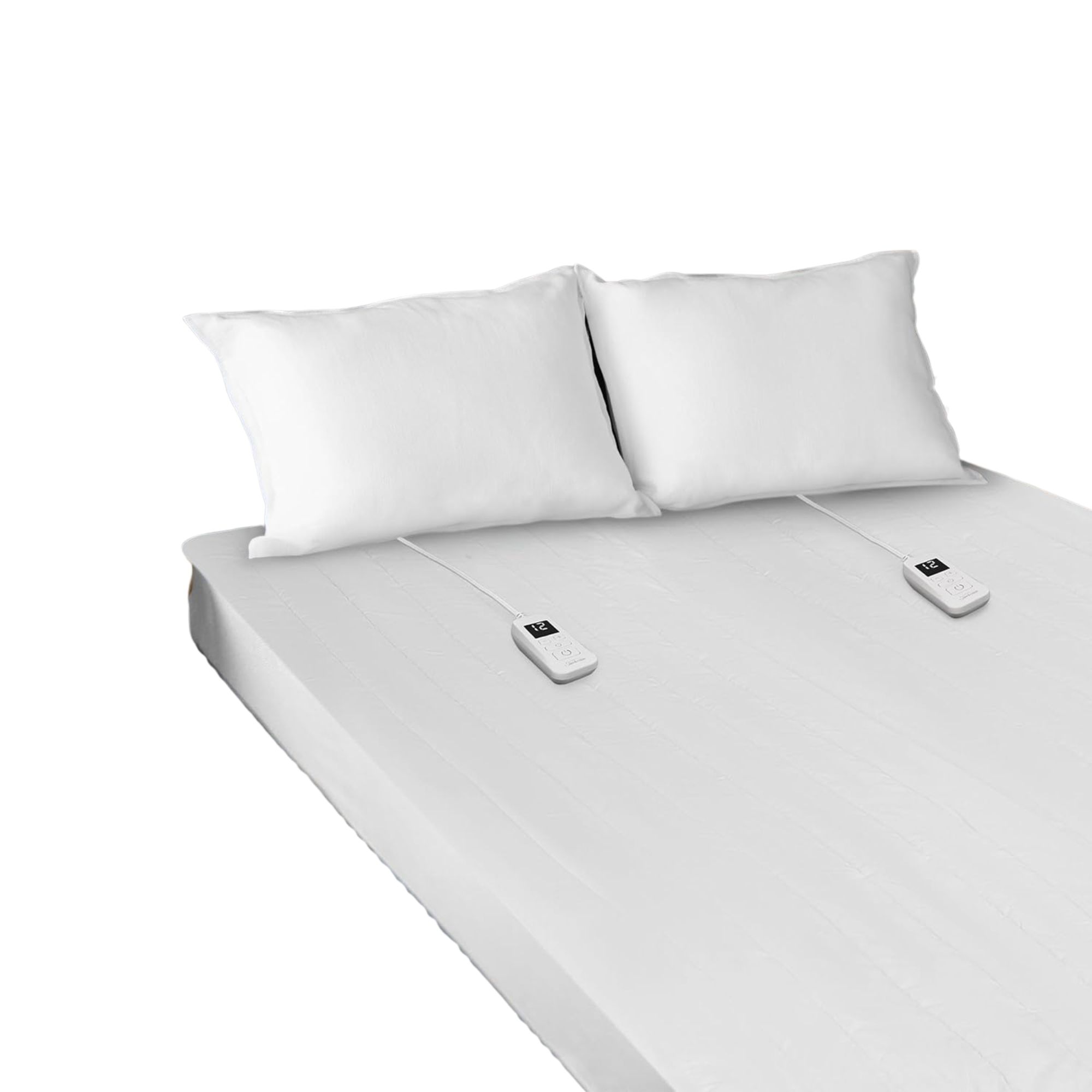
This is the heated mattress pad Josh recommends, which is available in Twin, Full, Queen, and King sizes, and features 12 heat settings for perfect comfort and temperature control.

These thermal curtains are available in 13 different colors and patterns, and feature a unique woven textured design to reduce energy loss through windows by up to 40 per cent.
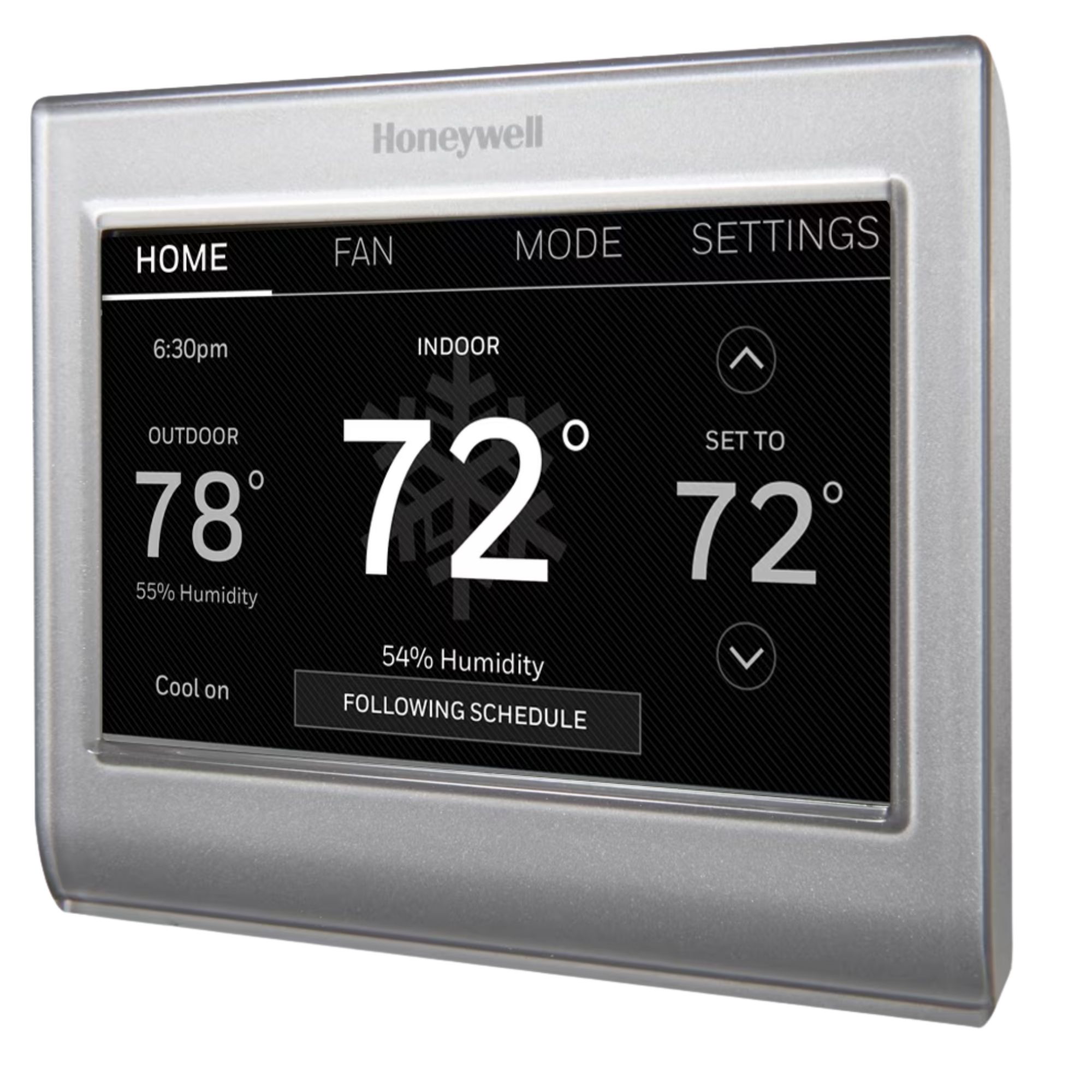
This energy-efficient smart thermostat features a customizable color touchscreen that is bright and easy to read, and has fully flexible programming options that can be controlled anywhere via iPhone, iPad, Android, or computer.
Meet the Experts
If you're still hot, should you sleep with the fan on overnight? Our experts say yes, you can, but it's worth knowing the risks before you do.