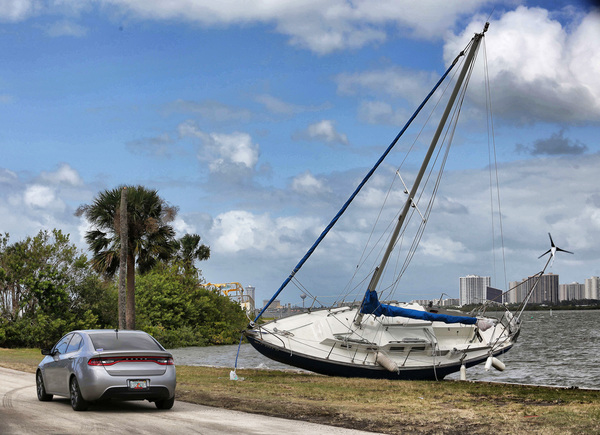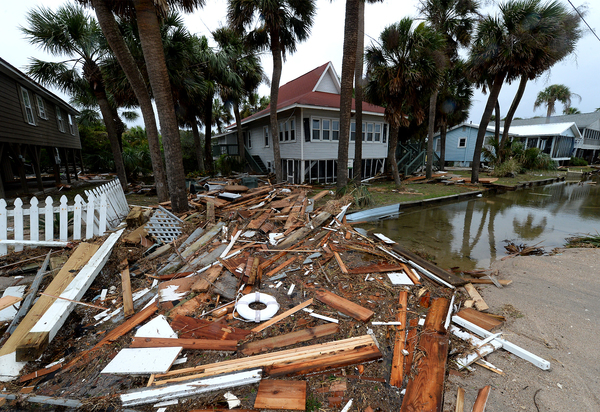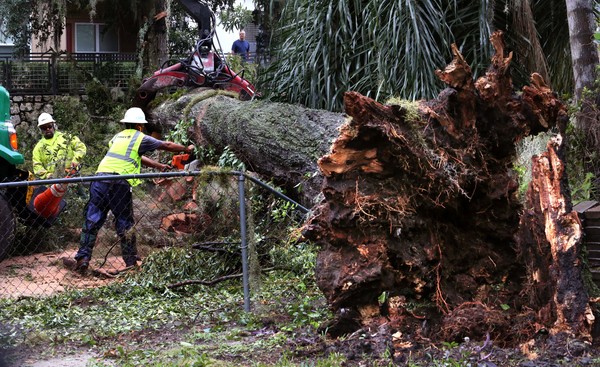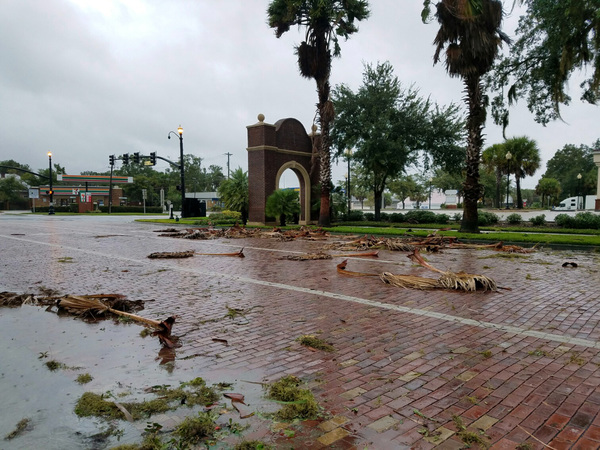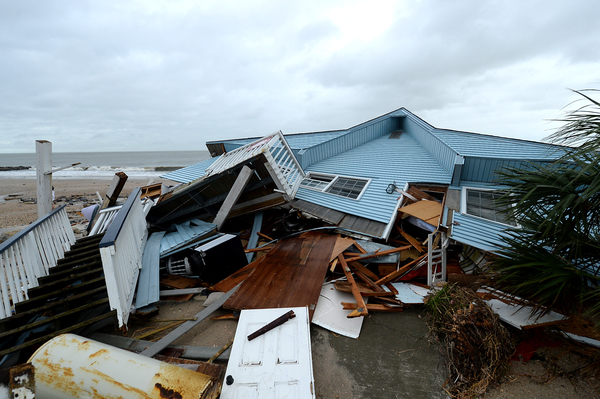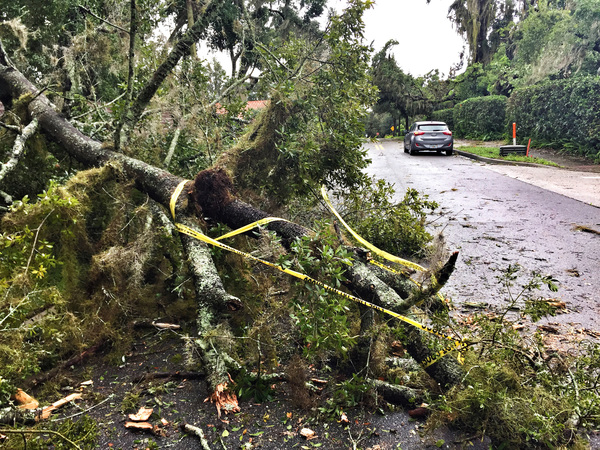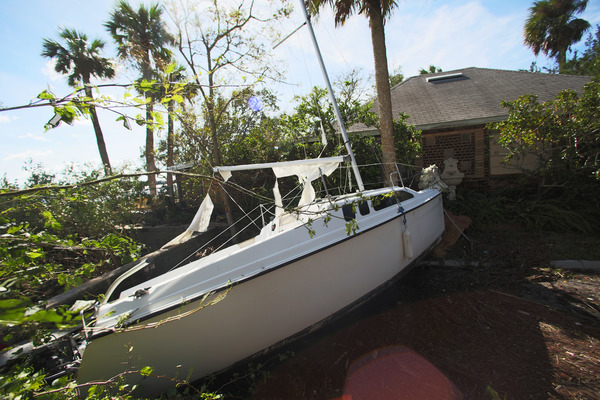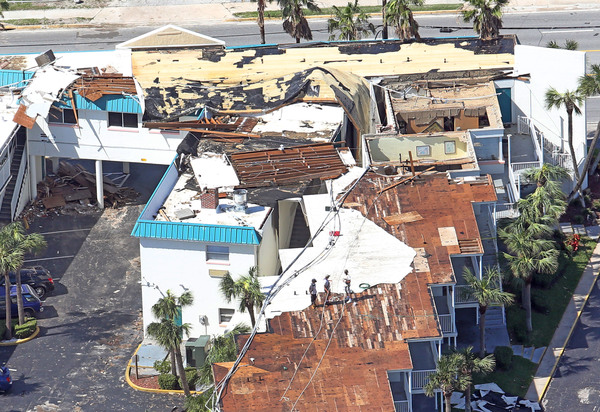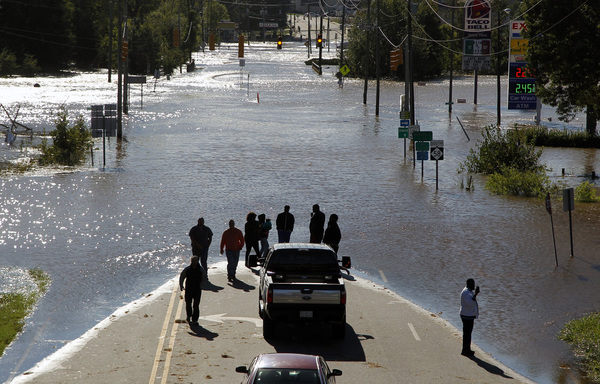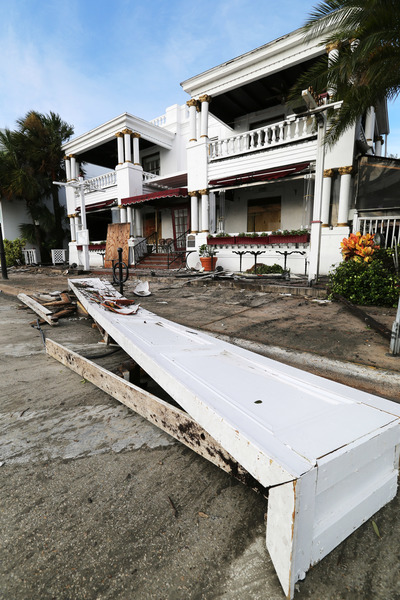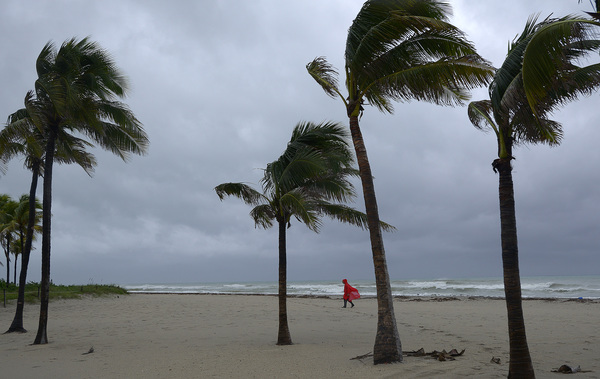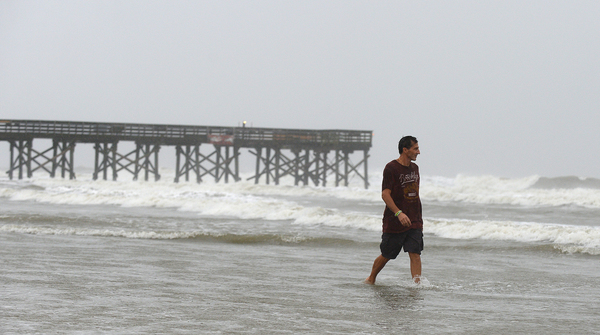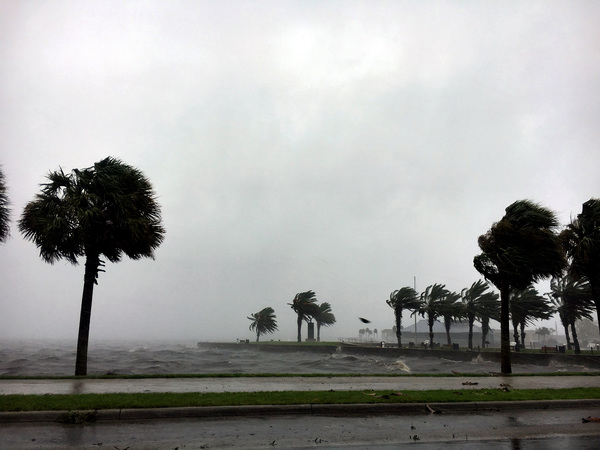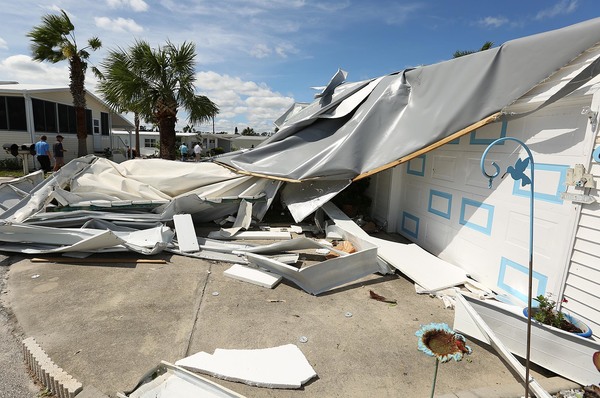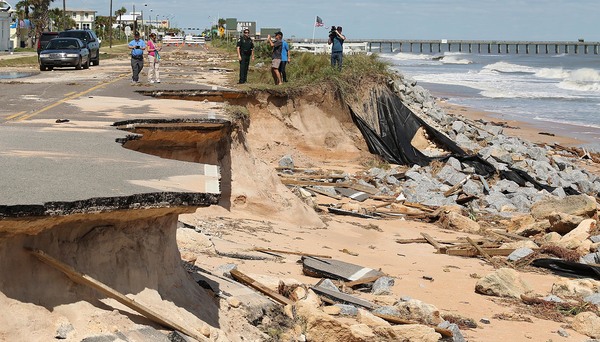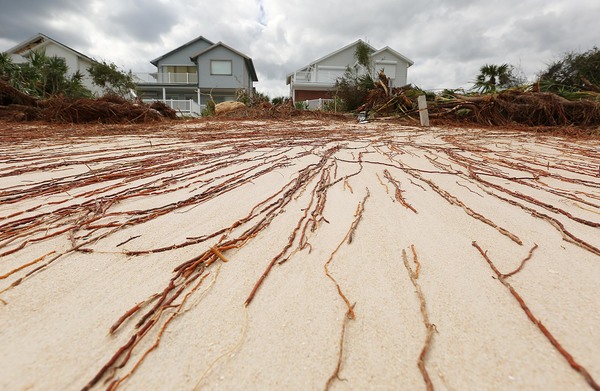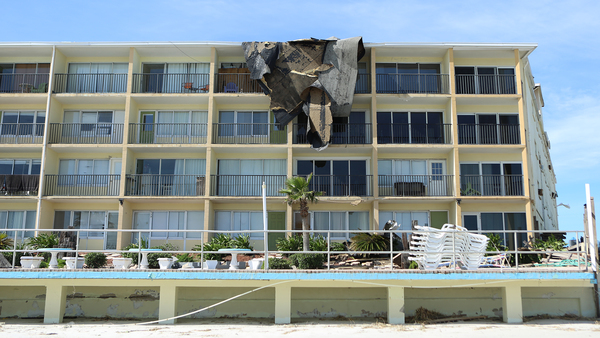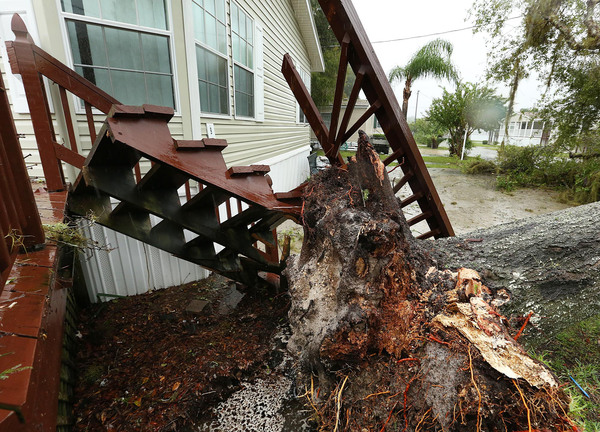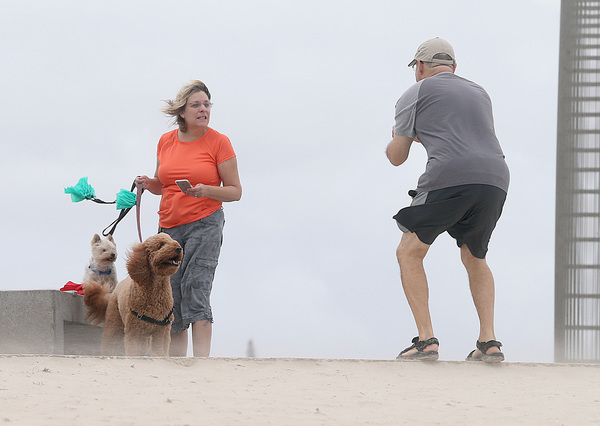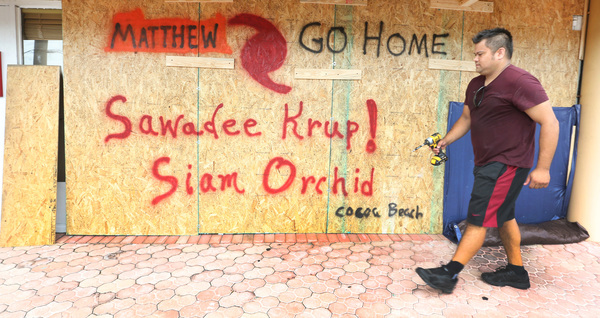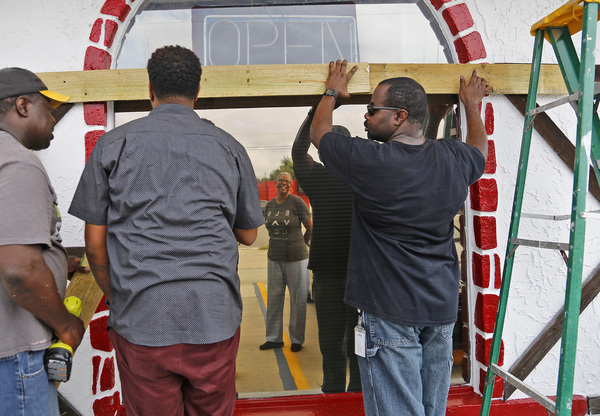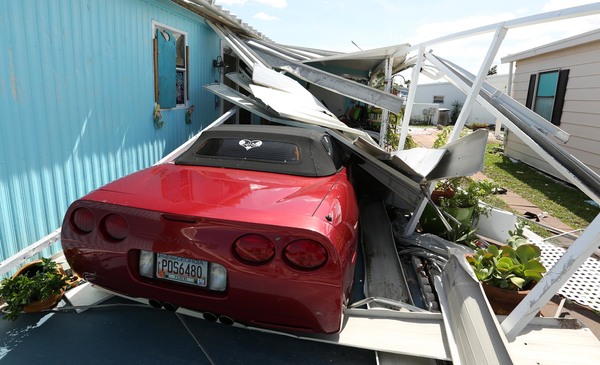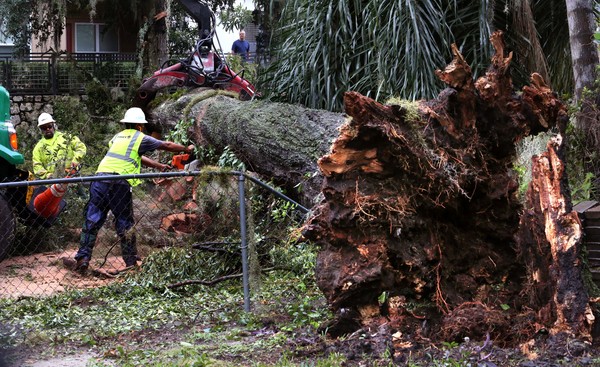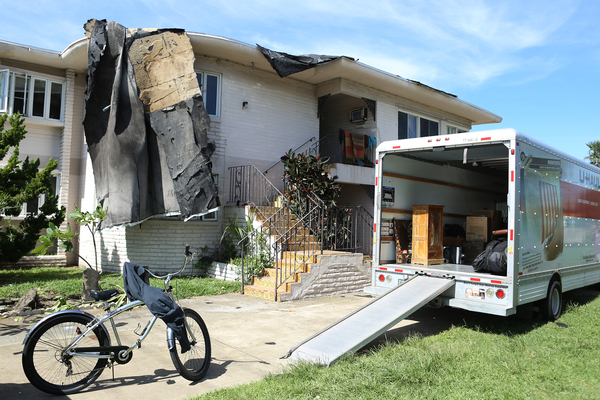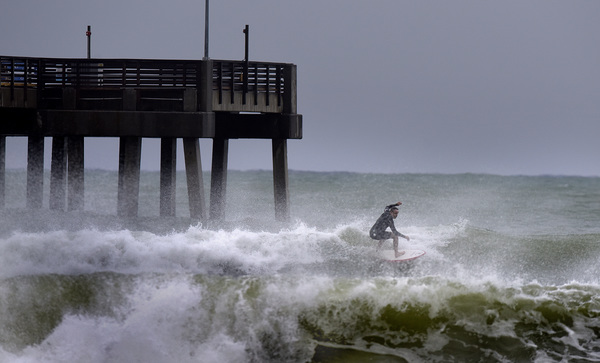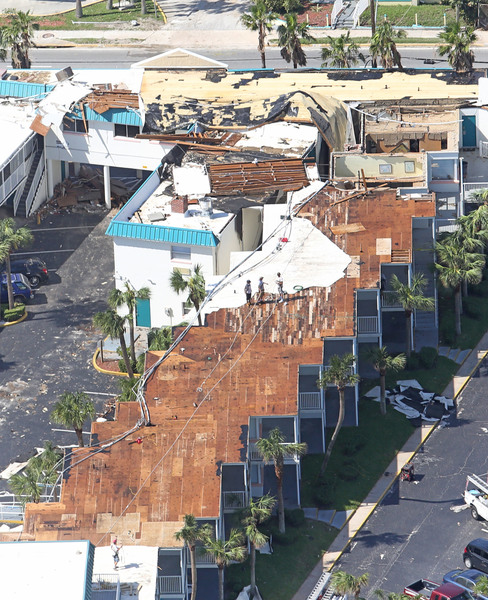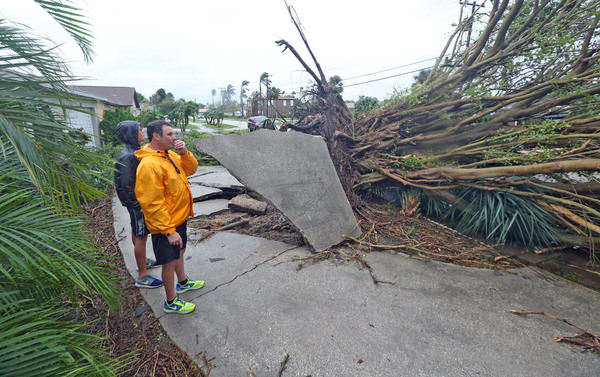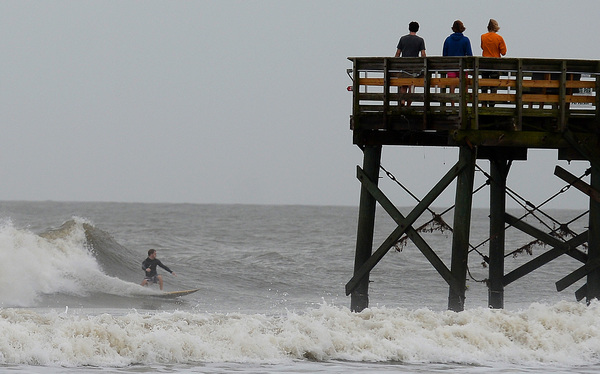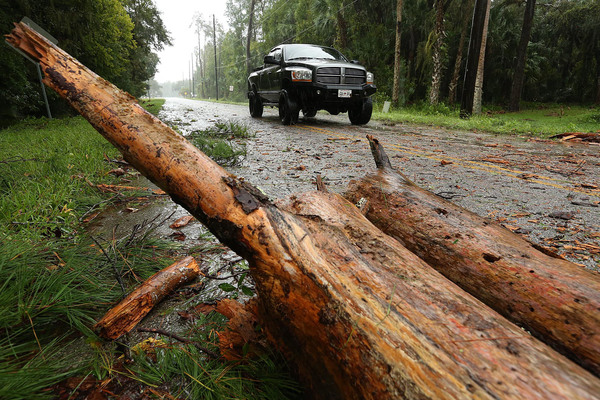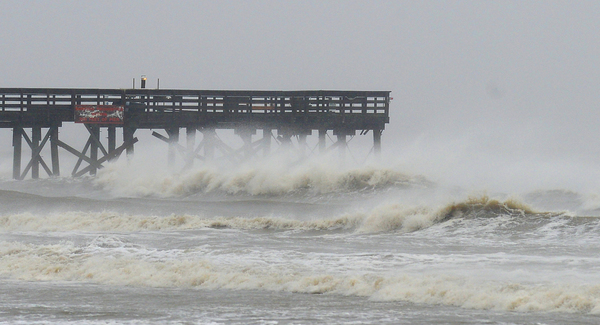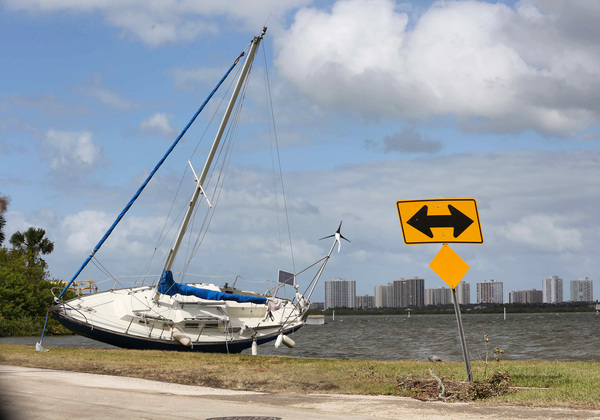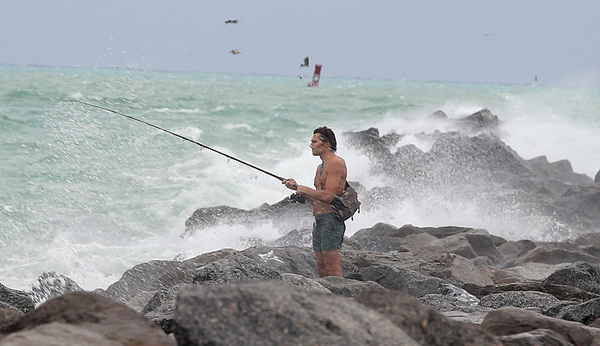
Hurricane Matthew tore into Haiti's southern coast early Tuesday, ripping off corrugated rooftops, toppling trees and flooding streets and agricultural fields in a country still struggling after a devastating earthquake six years ago.
The dangerous Category 4 storm, one of the strongest Caribbean hurricanes in years, was carrying winds of 145 mph when it made landfall at 6 a.m. near the town of Les Anglais, on the southwestern tip of Haiti, the National Hurricane Center in Miami said.
At least three deaths were blamed on the storm in Haiti and four more in neighboring Dominican Republic, bringing the death toll on the island of Hispaniola to seven. There were also reports of two people killed in Colombia and in St. Vincent and the Grenadines.
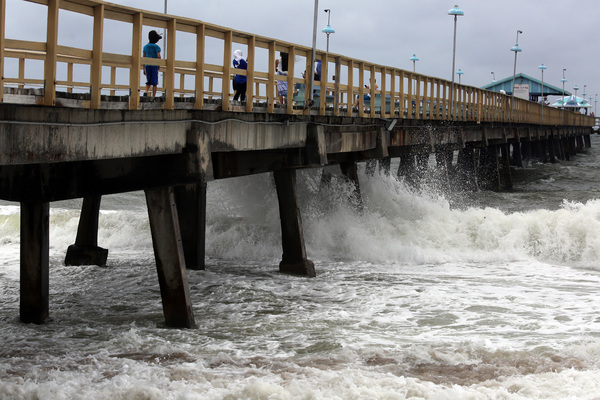
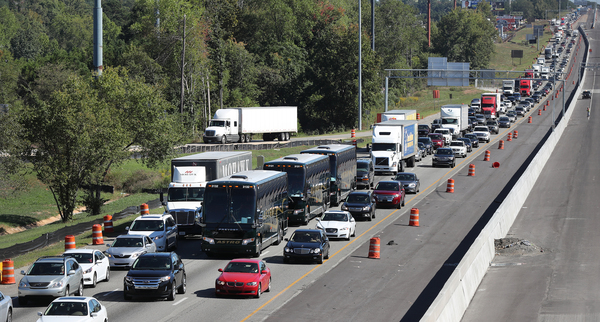
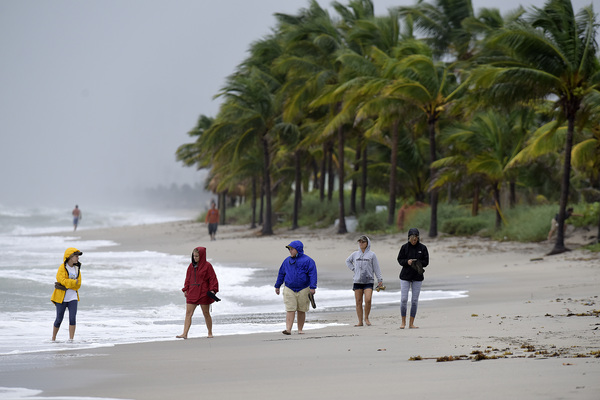
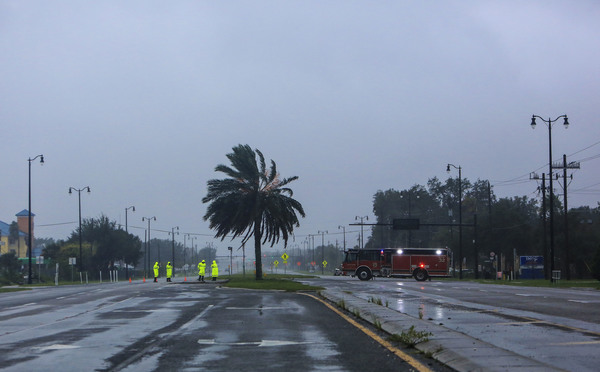
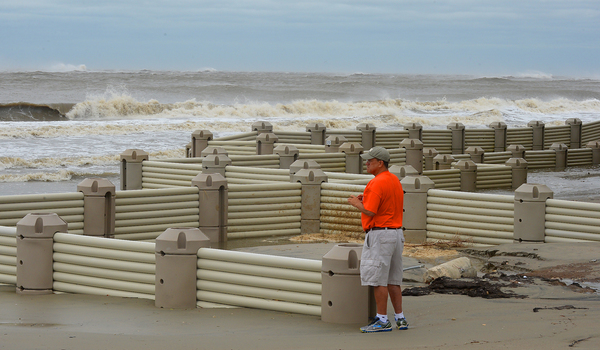
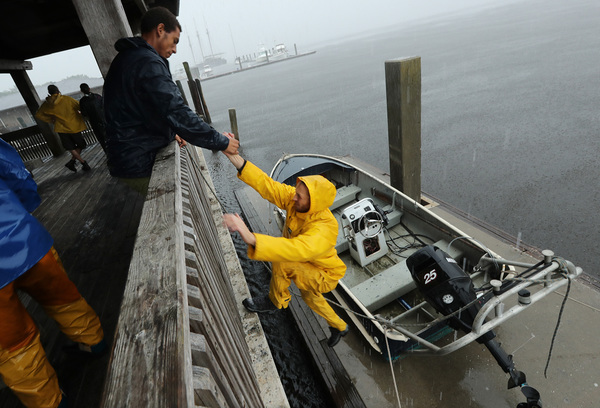
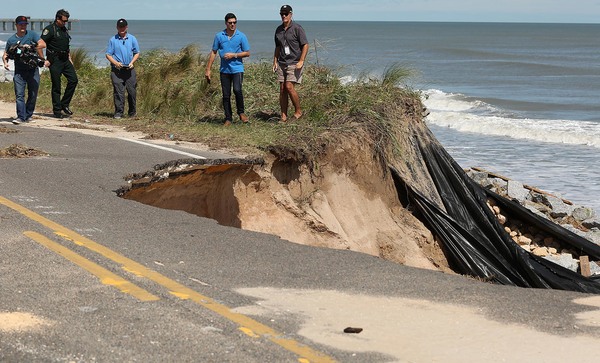
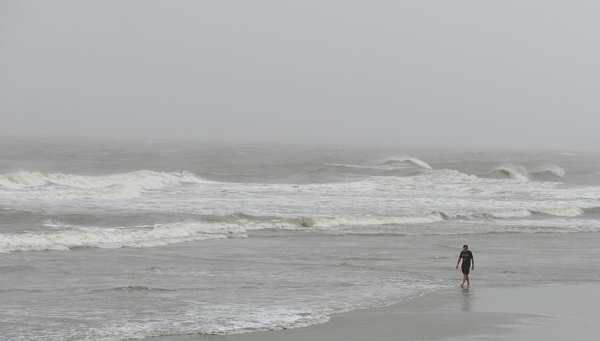
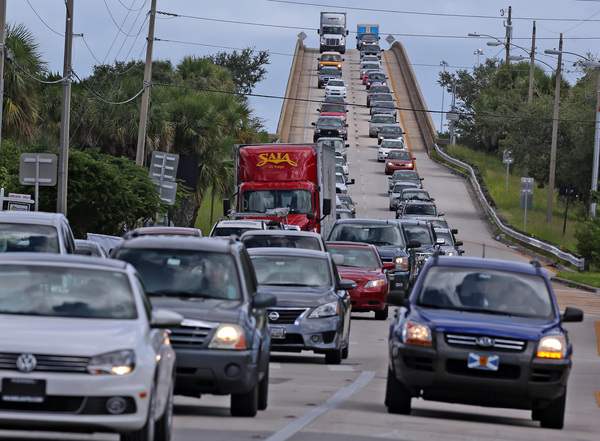
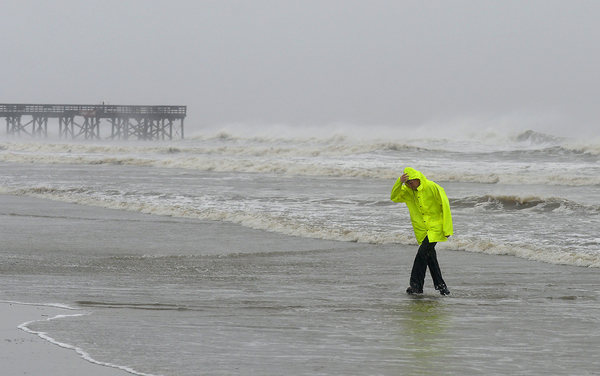
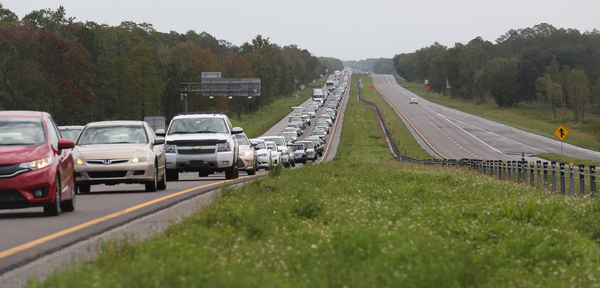
As Matthew barreled north toward Cuba and the Bahamas, states across the southeastern coast of the United States declared emergencies, and South Carolina urged more than 1 million people to evacuate its coast.
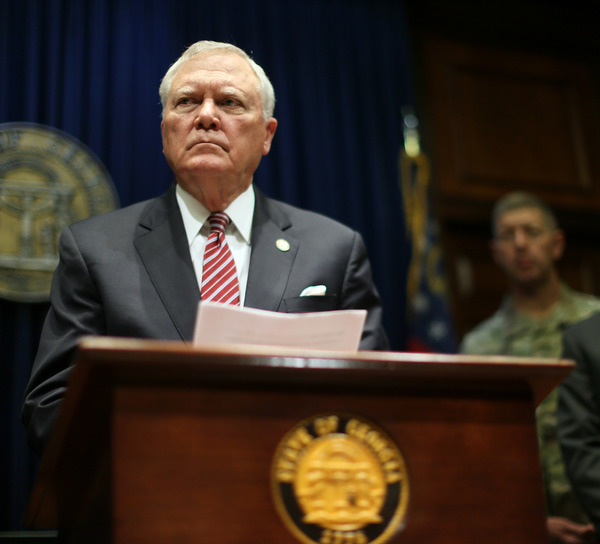
"It's time to take note: We have a hurricane that seems to be hugging the coastline and steering towards South Carolina," Gov. Nikki Haley said at a Tuesday news conference. "This is not something that we want to play with. If you don't get out in time, you might actually get stuck.
"That's the worst-case scenario," she said, "to be get stuck on the coast and have no place to go."

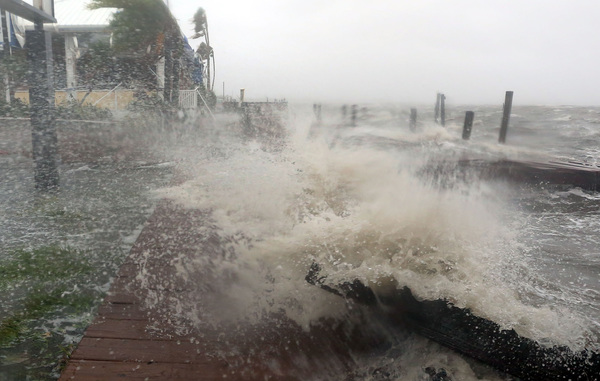
In Haiti, many residents hunkered down in flimsy shacks that offered little protection from the howling wind, heavy rains and battering storm surges.
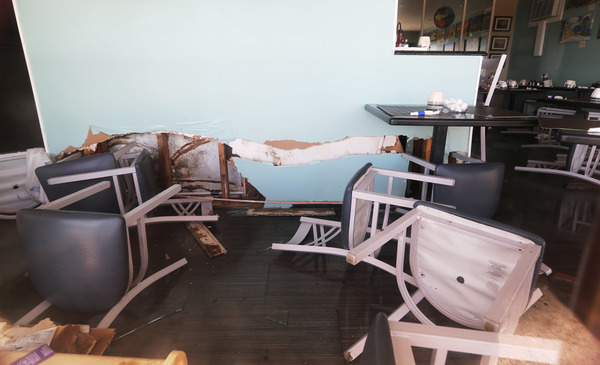
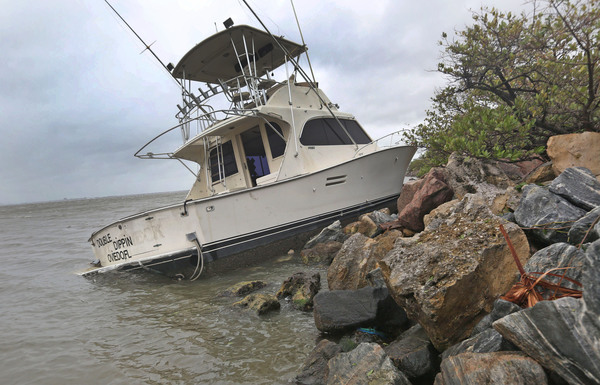
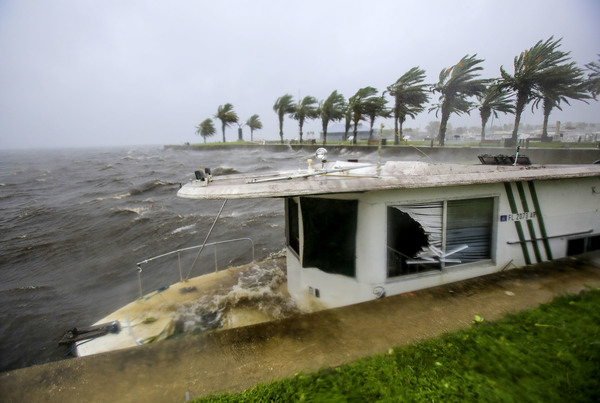
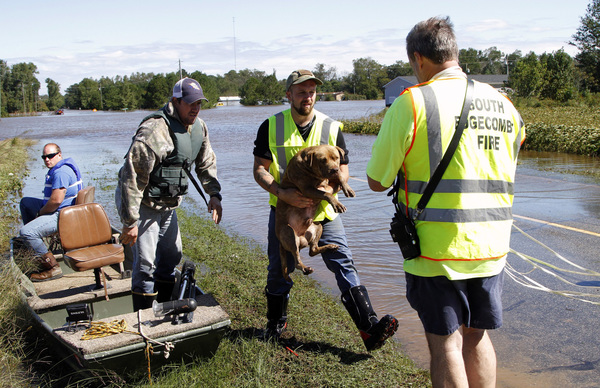
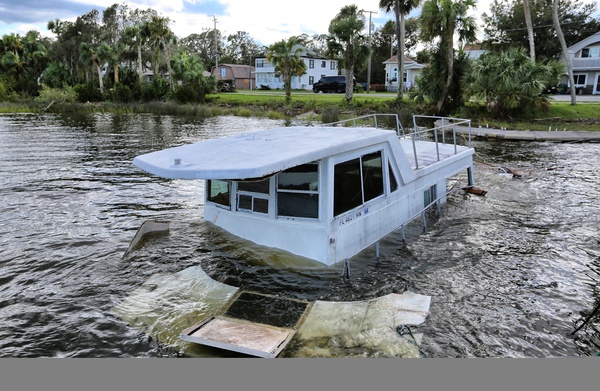
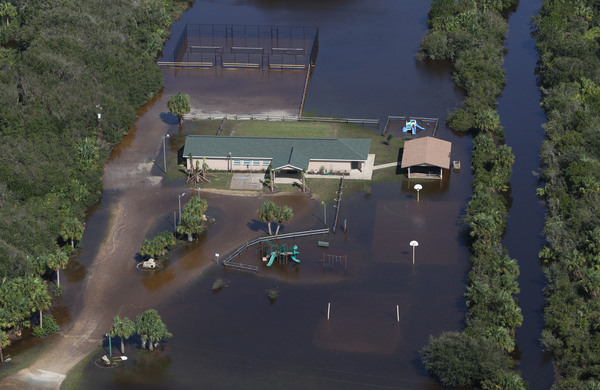
Marie Alta Jean-Baptiste, director of the country's civil protection agency, said more than 10 towns were flooded and numerous homes and boats destroyed. But landslides, downed trees and washed out bridges were hampering access to some communities, and authorities had not yet determined the full scale of the damage.
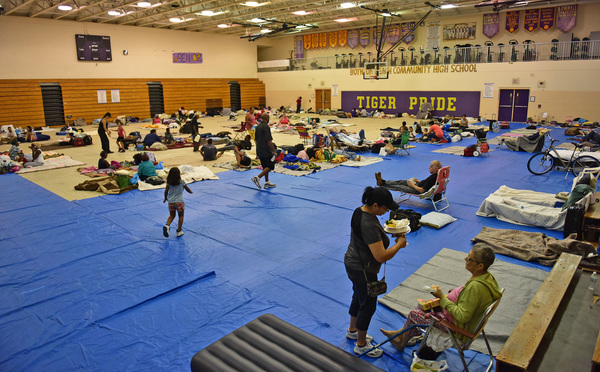
Officials had spent Monday trying to persuade residents in vulnerable coastal communities and in shantytowns around the capital, Port-au-Prince, to move into emergency shelters set up in churches and schools. But many were too afraid to leave their homes, in case they were robbed.
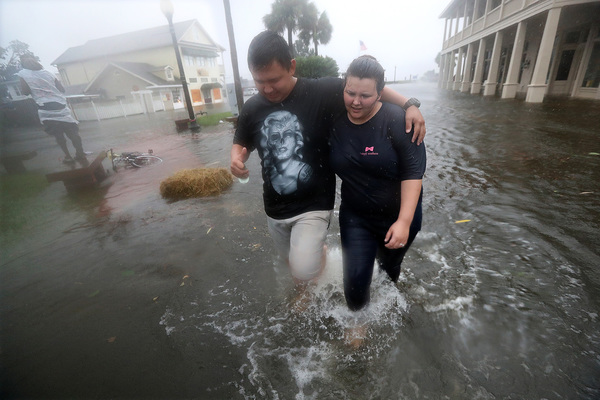
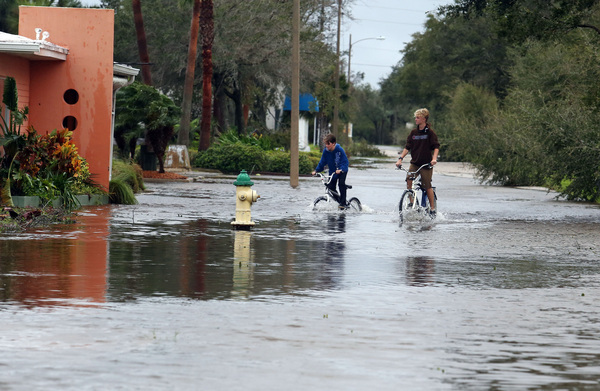
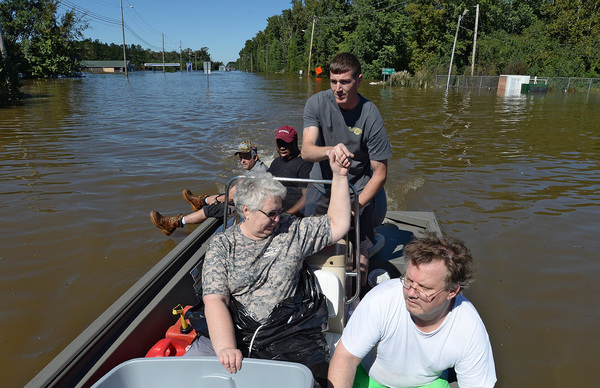
Some sought shelter only after the worst of the storm hit, sloshing through knee-high water and debris-strewn streets in the pelting rain.
"There was panic in the cities of Jeremie and Les Cayes," Alta Jean-Baptiste was quoted as saying in Haiti's Le Nouvelliste newspaper. "The population was distraught because of the rise of the water."
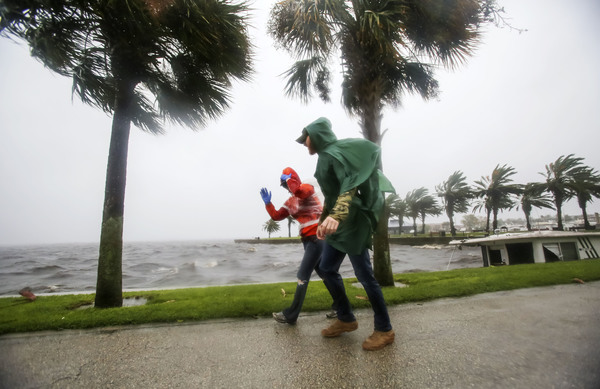
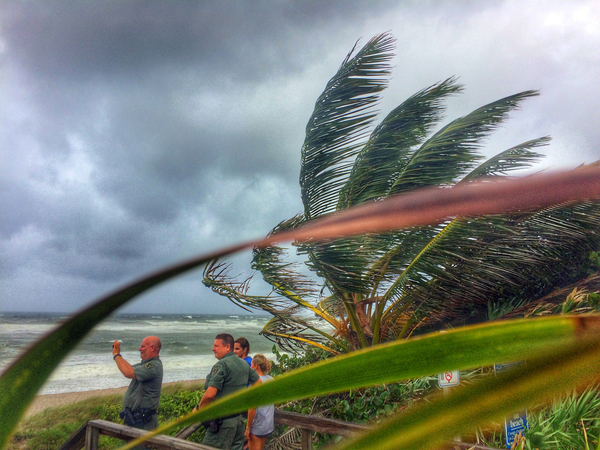
A video filmed in Les Cayes and shared on social media showed palm trees being whipped by fierce winds. "Pray for us!" a voice is heard yelling.
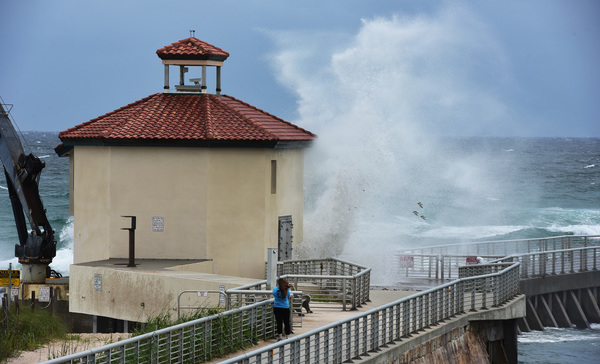
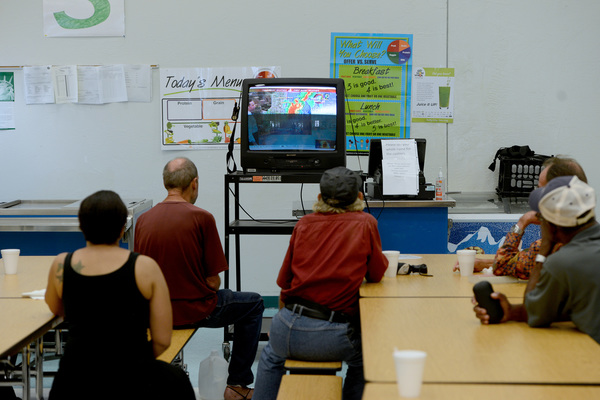
By late Tuesday, at least 10,000 people were in shelters across Haiti, and hospitals were overflowing and running short of water, said Mourad Wahba, the United Nations representative for Haiti.
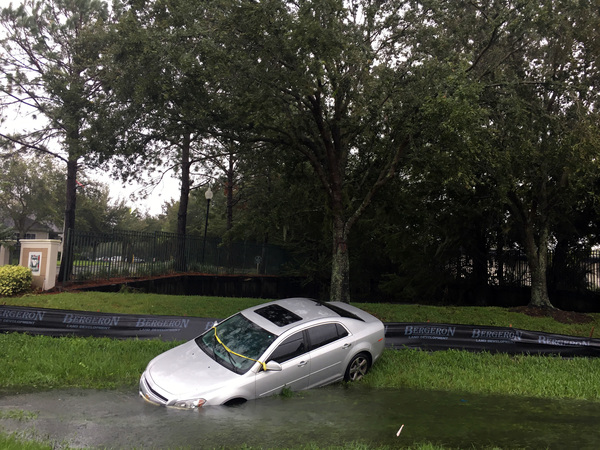
Aid agencies warned of more danger ahead. Between 15 and 25 inches of rain were forecast over hills that are largely denuded and prone to flash floods and mudslides, and the National Hurricane Center warned that as much as 40 inches could fall in some places.
Haiti, the hemisphere's poorest country, is still recovering from the 2010 earthquake, which killed more than 200,000 people, and a deadly cholera outbreak blamed on U.N. peacekeepers who responded to the disaster.
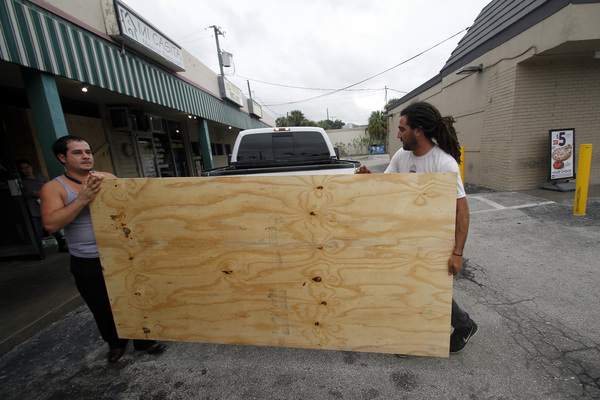
"Thankfully the force of the storm was not so strong in Port-au-Prince, where 50,000 to 60,000 people are still living in tents after the earthquake of 2010," said Jean Claude Fignole, a program director in Haiti for the international aid agency Oxfam.
"Our priority is to get clean water and hygiene items to families as fast as possible to avoid a spike in cases of cholera."
Hunger is also likely to become a concern in the coming weeks and months, aid groups said. Some crops in the south of the country were destroyed.
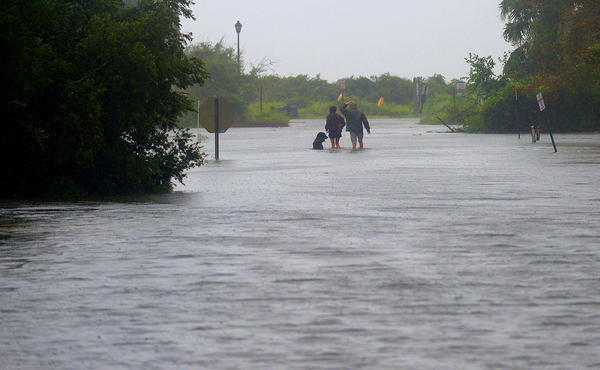
"This comes right on the heels of one of the worst droughts in the last 50 years," said Jessica Pearl, country director for the Portland, Ore.-based Mercy Corps. "For many households, this was the first decent harvest they were expecting, so to have this setback and loss is very difficult."
Milriste Nelson, a 65-year-old farmer in the town of Leogane, said his yard was strewn with the fruit he depends on for a living.
"All the banana trees, all the mangoes, everything is gone," Nelson told The Associated Press as he boiled breadfruit over a charcoal fire early Tuesday. "This country is going to fall deeper into misery."
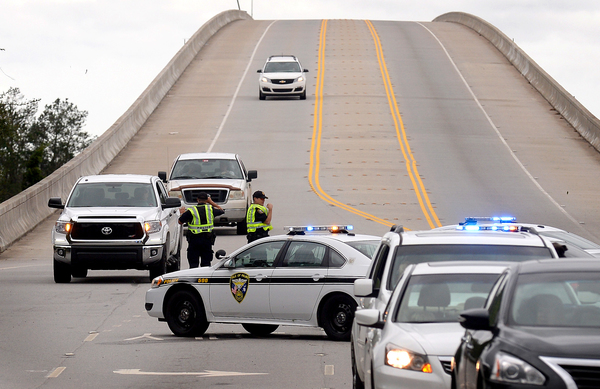
The storm hit at a particularly difficult time for Haiti, as authorities were preparing for a long-delayed presidential election on Sunday. Government officials and aid agencies were anxious to avoid the kind of the delays, confusion and waste that marred the relief operations in 2010.
"I know from the international community, there was a pretty impressive response from as early as Friday," said Chris Skopec, of the Los Angeles-based International Medical Corps. "Normally, I think we might wait a couple of days to see the direction (the storm) was going to go _ it's a very unpredictable weather pattern. But because everybody is a bit hypersensitive to how vulnerable Haiti is, and is really committed to improving on past response efforts, there was a lot of mobilization of resources and supplies and pre-positioning of teams."
North of Haiti, Cubans were bracing for the storm, which was expected to hit the eastern side of the island later Tuesday.
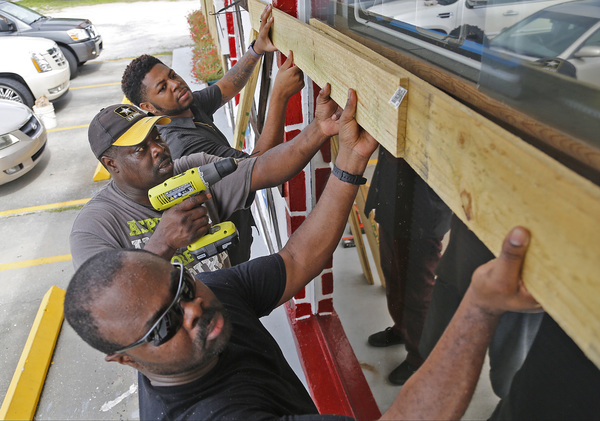
Six eastern provinces were on hurricane alert, including densely populated Santiago de Cuba, where workers had in recent days been taking down light poles and other large objects that could become dislodged in high winds.
The region was hit hard four years ago by Hurricane Sandy, which killed nearly a dozen people and caused billions in damage. Since then, the Cuban government has formed brigades in every province focused on preparedness before a storm hits and clean-up afterward, according to the state-run newspaper Granma.
Authorities believed as many as 179,000 Cubans might need to evacuate their homes because of the possibility of landslides and flooding, the newspaper reported.
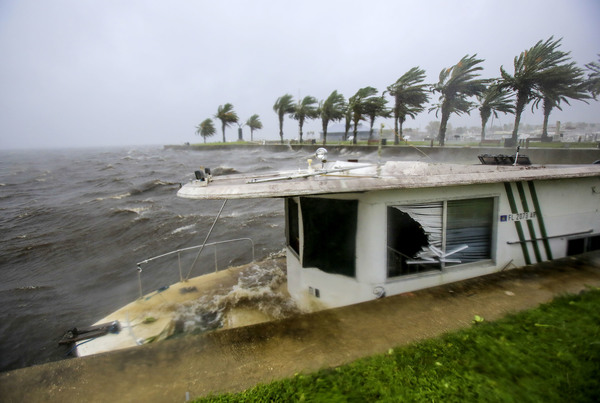
Cuba is home to a U.S. Navy base and detention facility at Guantanamo Bay. About 700 family members of service members stationed there were evacuated over the weekend.
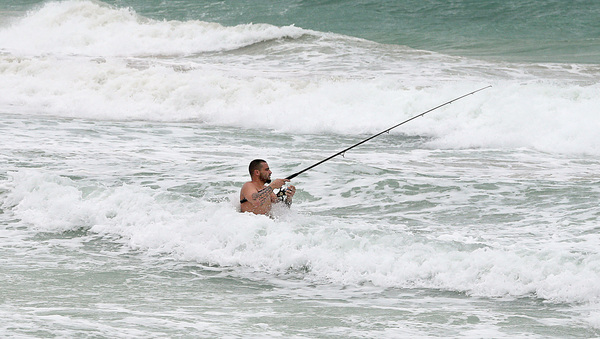
Meteorologists at the National Hurricane Center said some fluctuations in intensity were possible as Matthew moved north, but the storm was expected to remain a powerful hurricane at least through Wednesday night.
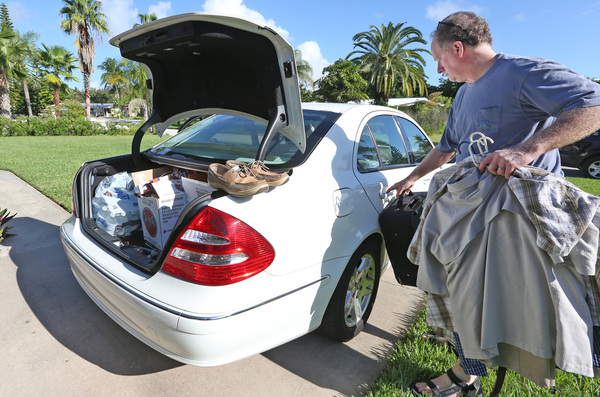
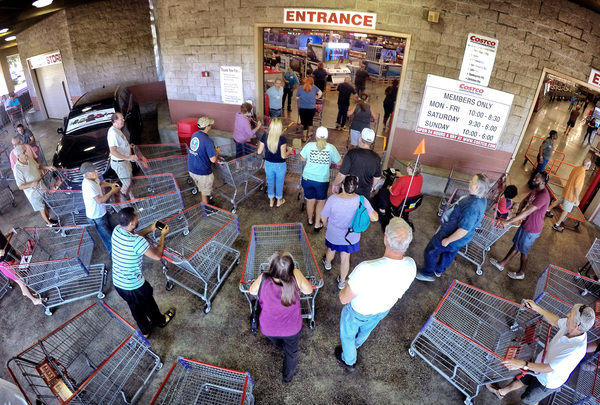
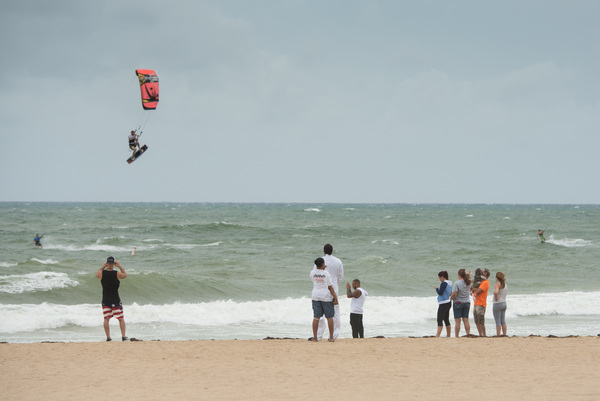
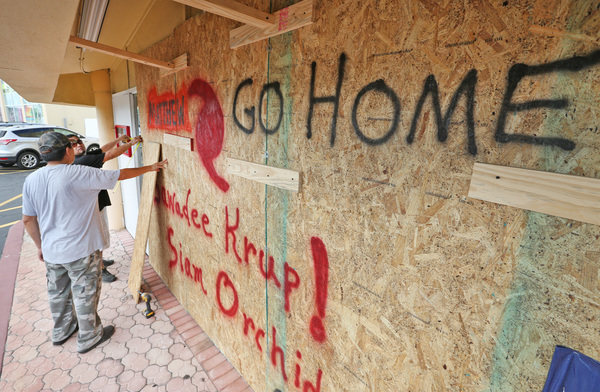
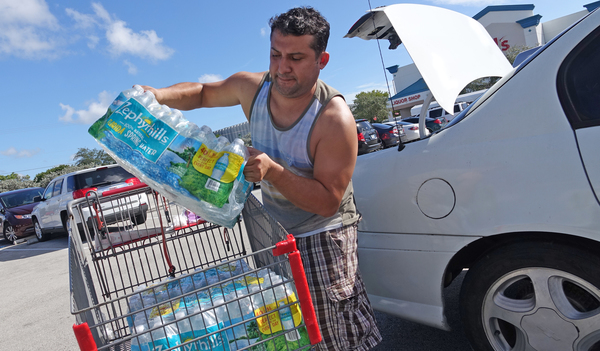
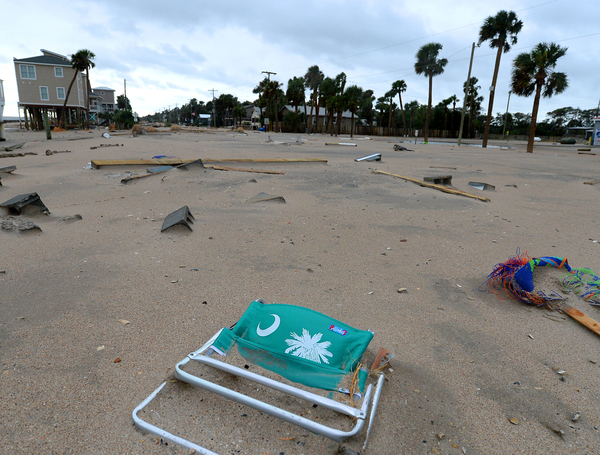
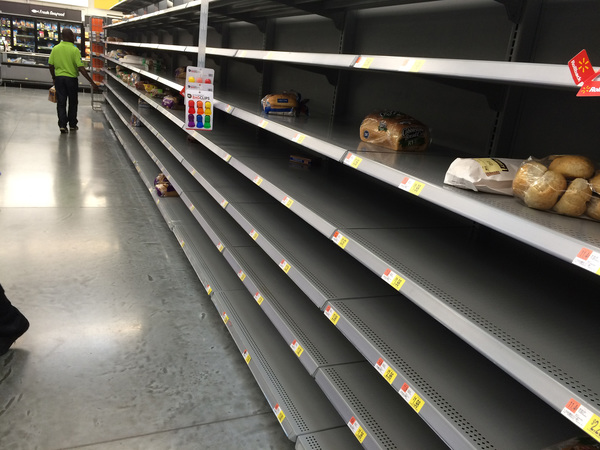
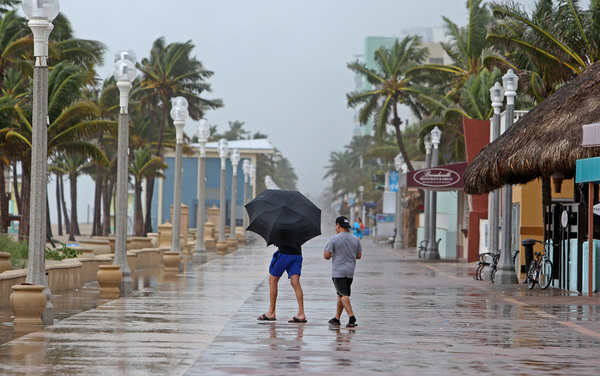
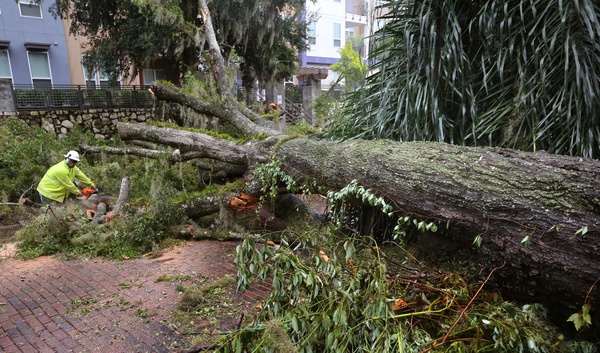
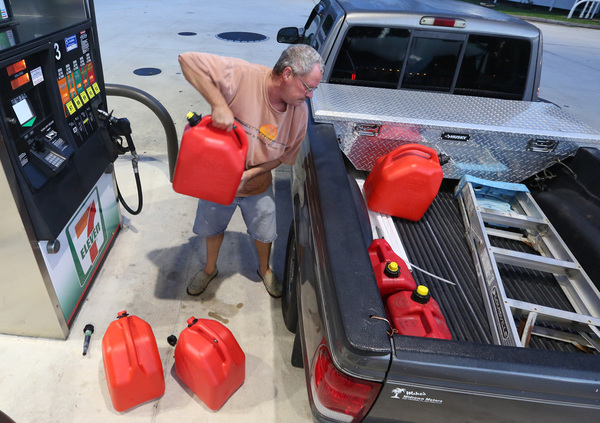
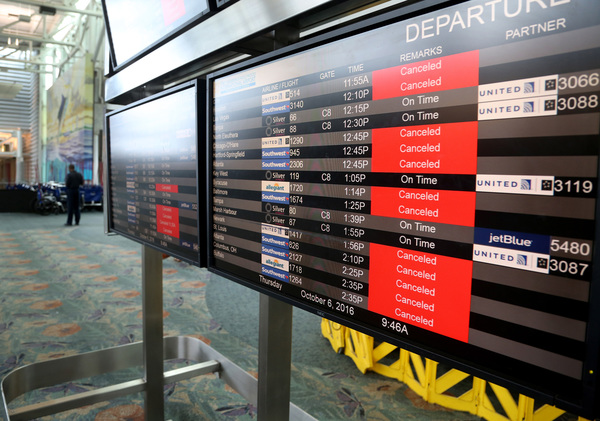
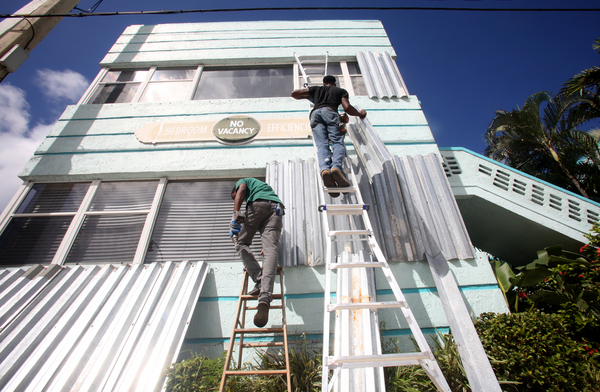
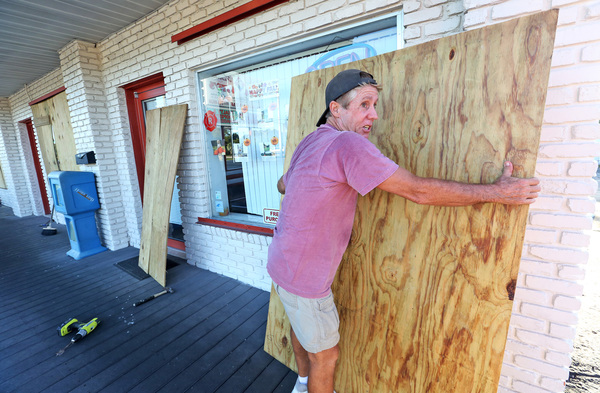
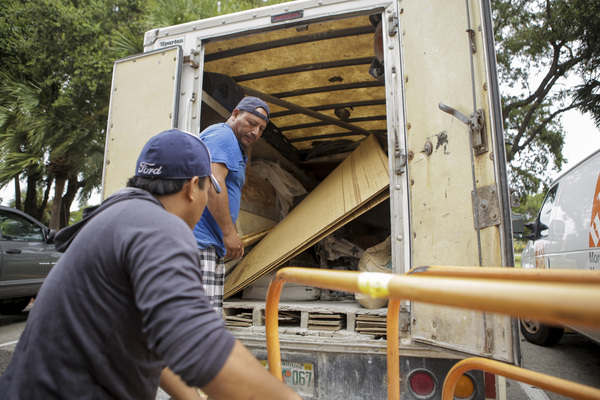
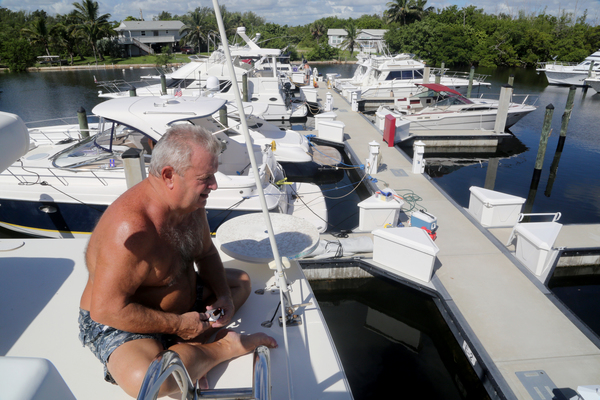
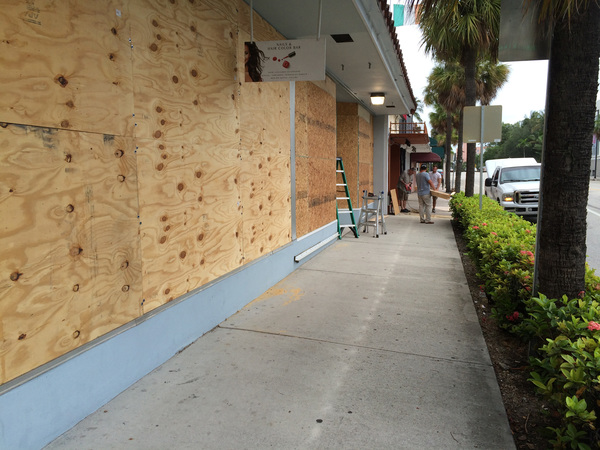
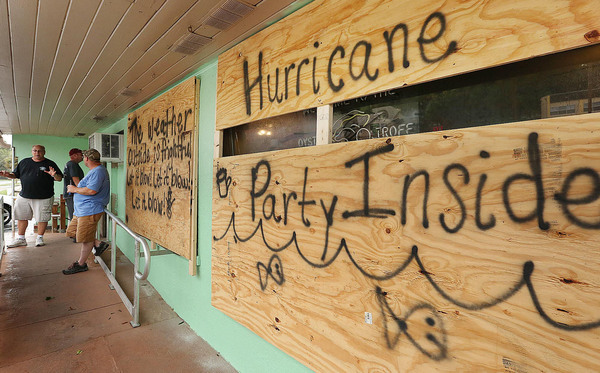
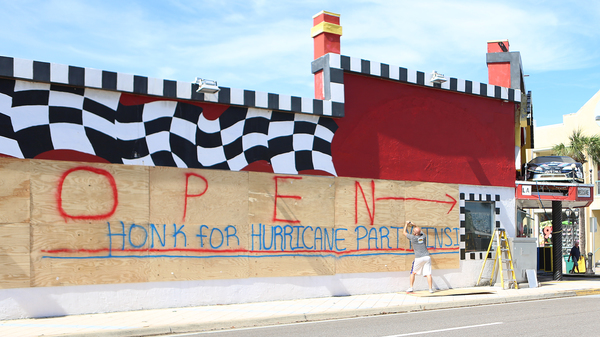
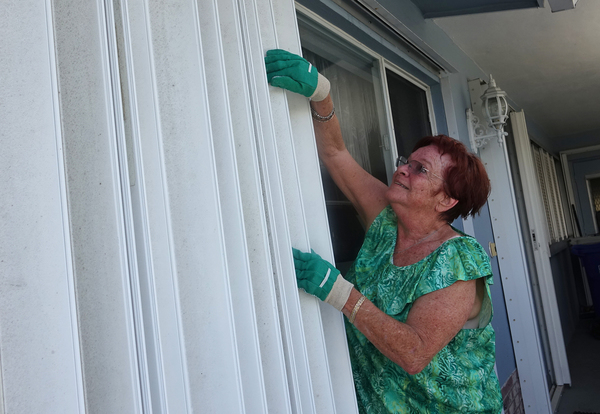
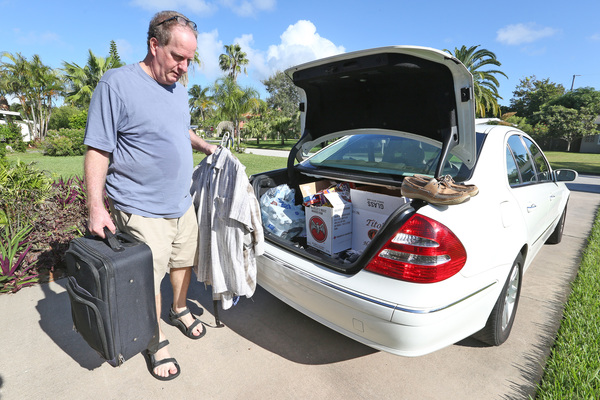
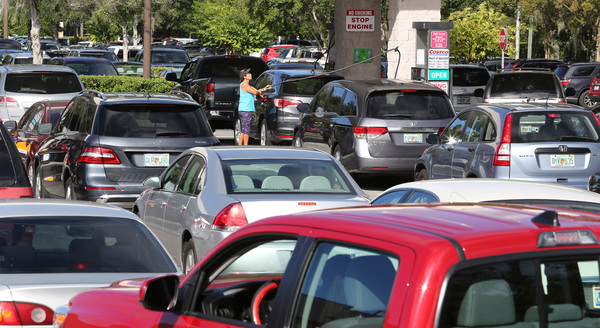
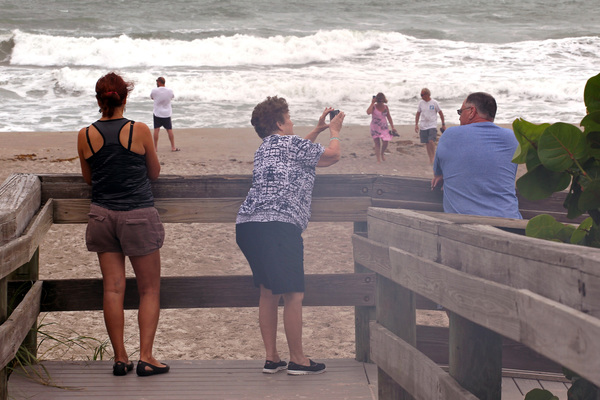
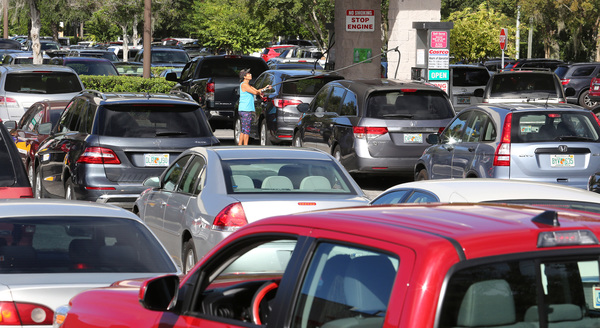
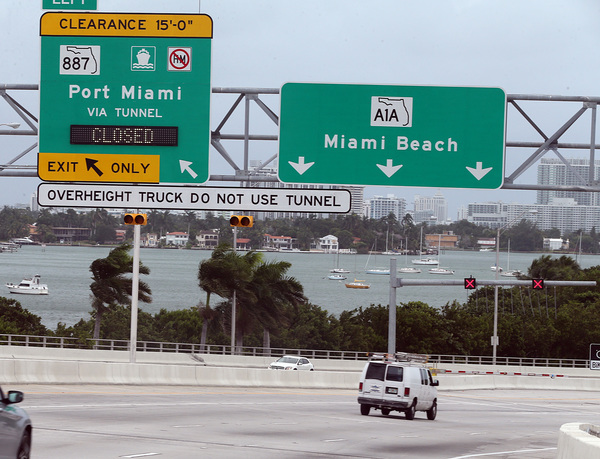
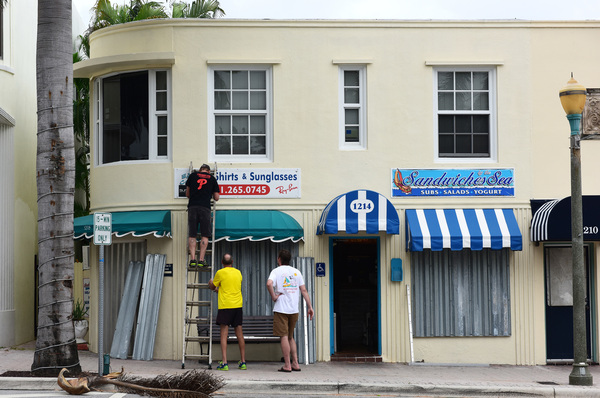
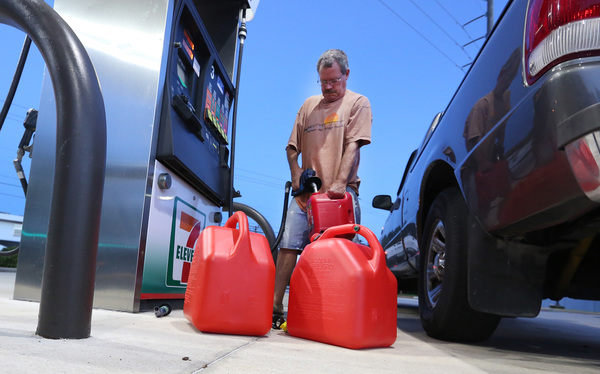
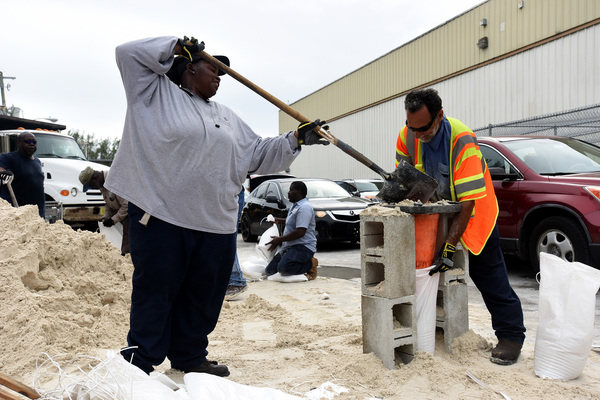
In the U.S., residents flocked to grocery stores and gas stations as emergencies were declared in four states _ all of Florida and South Carolina, eastern and central North Carolina and southeastern Georgia.
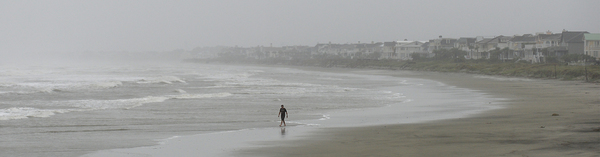
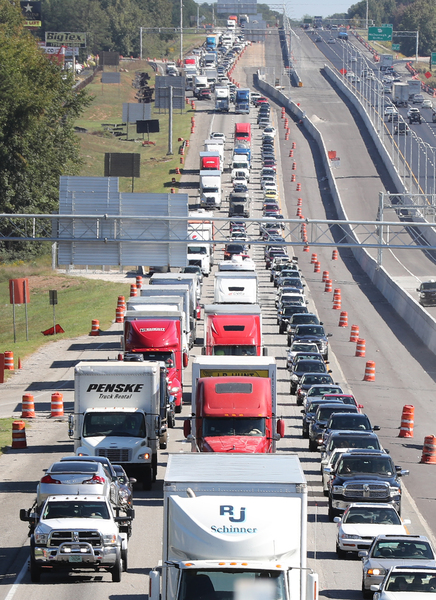
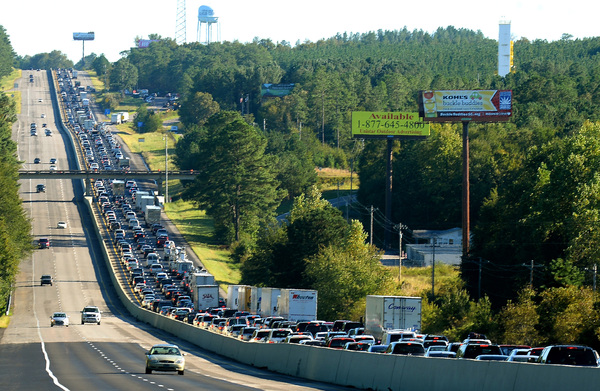
In South Carolina, medical evacuations began Tuesday afternoon and evacuations for all coastal communities were expected to begin at 3 p.m. Wednesday, barring any changes in the direction of the storm.
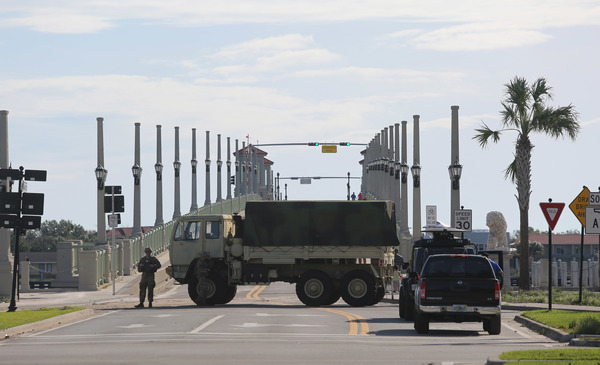
Coastal residents were urged to gather important up paperwork, fill their cars up with fuel, stay on evacuation routes and get at least 100 miles away from the coast. About 3,700 law enforcement officials, as well as the National Guard, would be on the roads to assist the evacuation, the governor said.
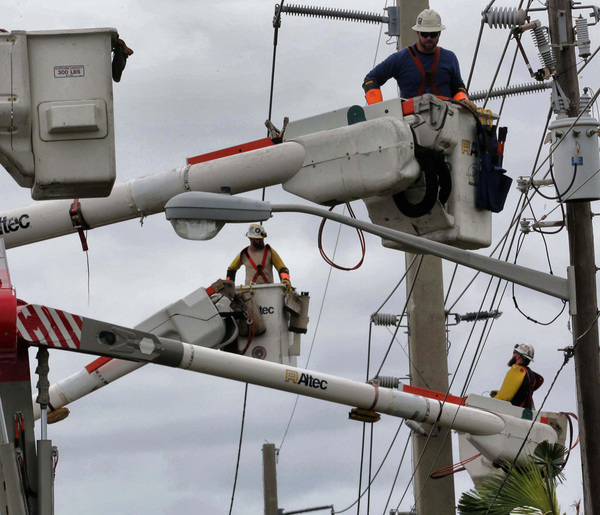
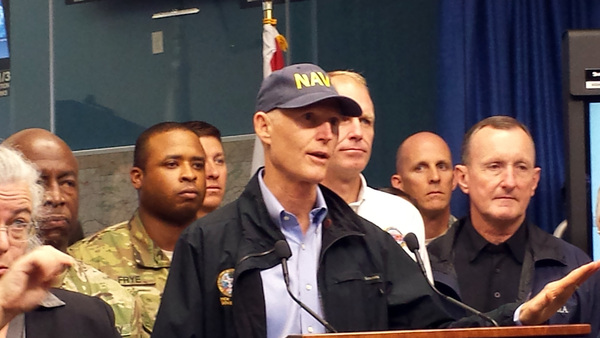
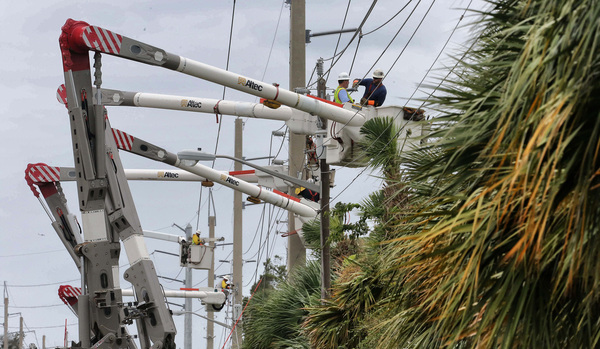
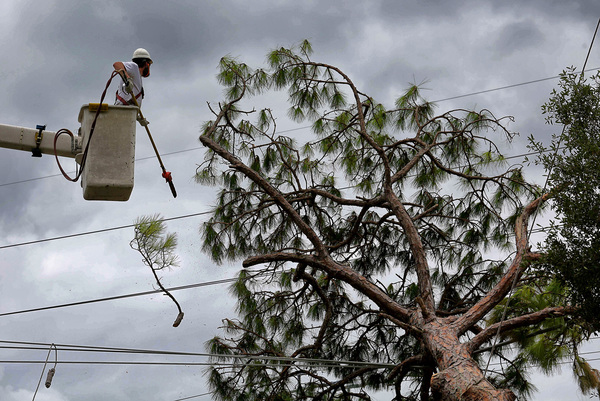
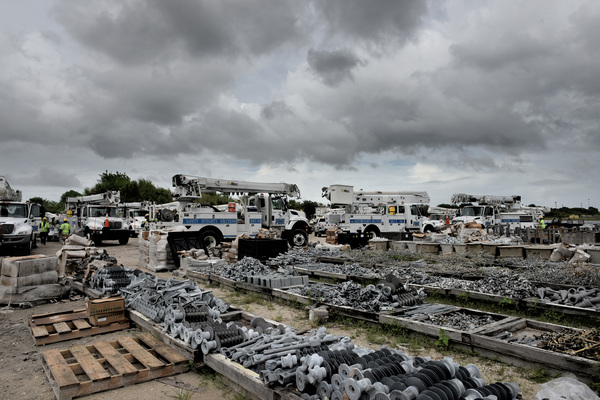
In Florida, Gov. Rick Scott warned residents to prepare for evacuations and power outages. About 200 members of the Florida National Guard were activated to support hurricane preparedness, and more than 6,000 guardsmen were ready to be deployed if needed.
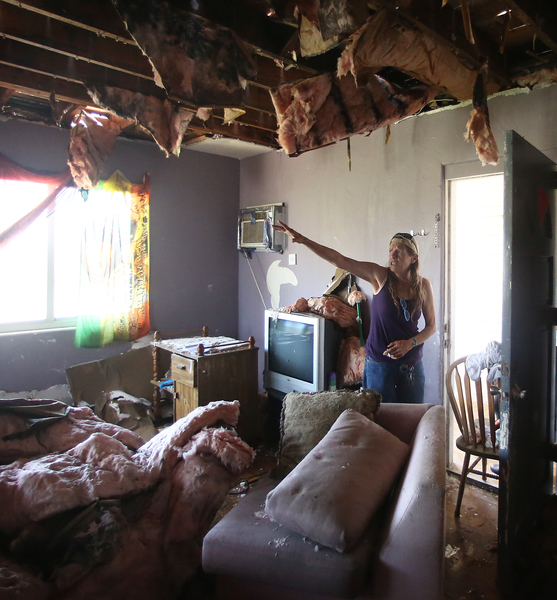
"At this time, we cannot focus on the exact track of this storm," Scott said in a statement. "We know that it will be very close to our state, and any small deviation from its track could mean a catastrophic change along Florida's east coast. That is why everyone in our state must prepare today for a direct hit."
Carnival Cruise Line said it had rerouted Carnival Pride, which left Baltimore Sunday on a seven-day cruise. Instead of stopping at Caribbean islands, the ship sailed to New York.
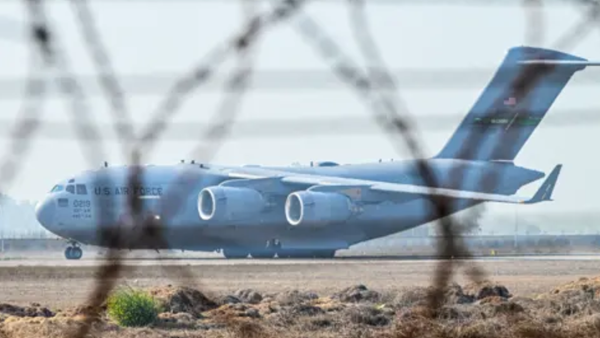
The U.S.'s military's Southern Command, which oversees operations in the Caribbean, Central America, and South America, said a team of about 100 military personnel and nine helicopters had been sent to Grand Cayman Island to support disaster relief operations.

The Marine task force, headquartered out of Soto Cano Air Base in Honduras, arrived Tuesday and was ready to provide heavy lift support, if requested by the U.S. Agency for International Development.
"We're ready to support USAID, if needed, to save lives, alleviate human suffering and provide aid to those afflicted by this storm," Adm. Kurt W. Tidd, Southern Command commander, said in a statement.
The aircraft carrier George Washington, the hospital ship Comfort, and amphibious ship Mesa Verde could also be deployed, Pentagon Press Secretary Peter Cook said.
"This is a serious storm, and while we have not received any specific request for assistance at this point, we do stand ready to provide support in the region as needed," he said.