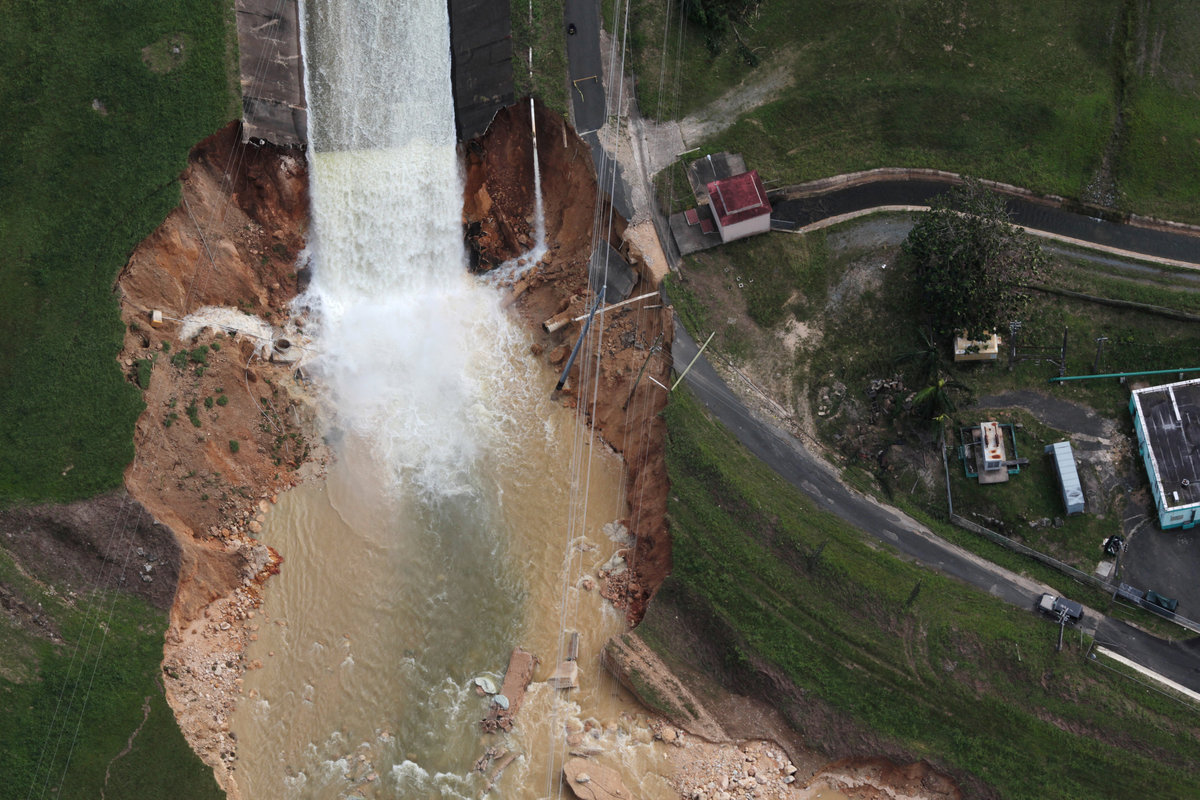
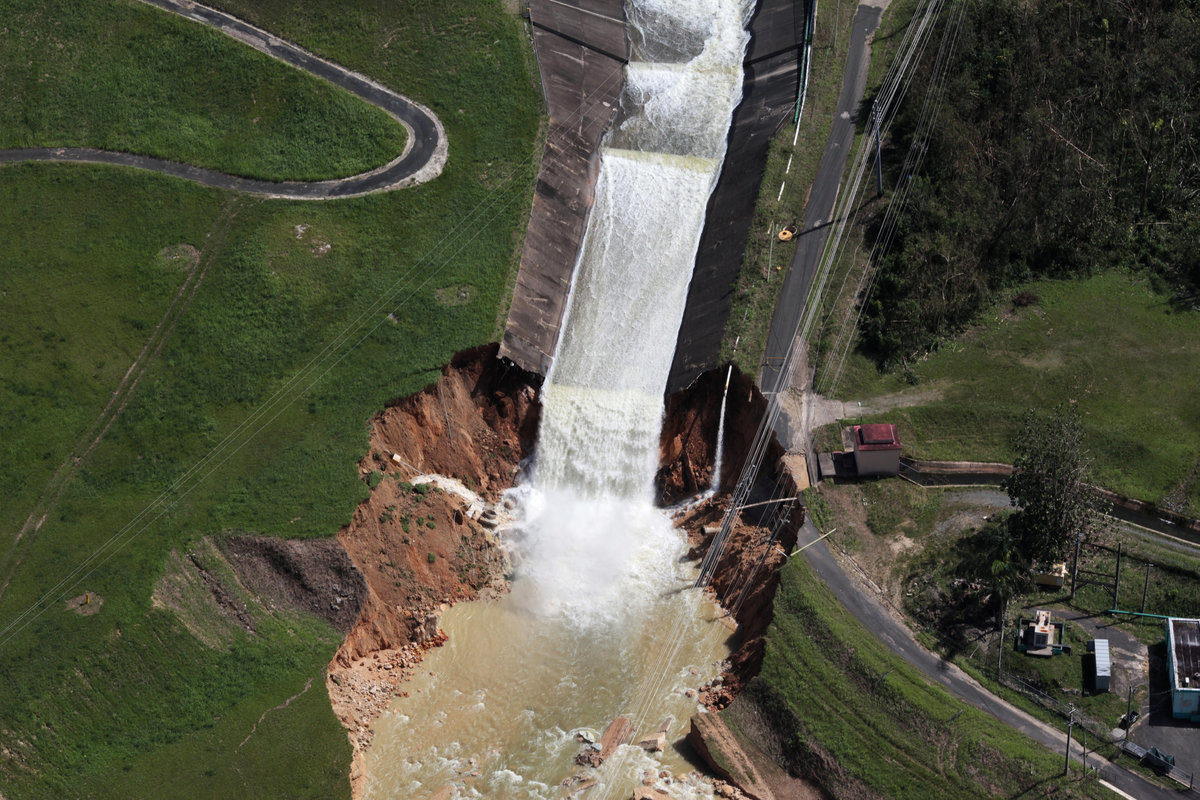
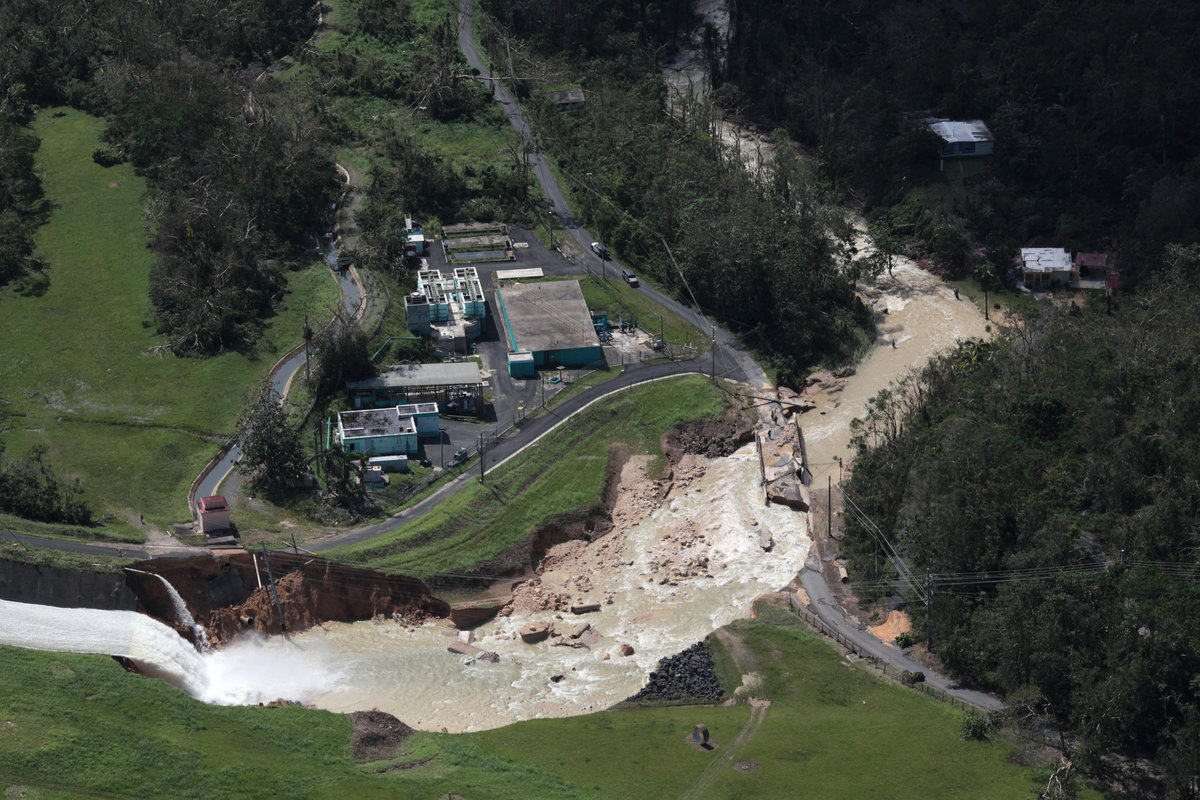
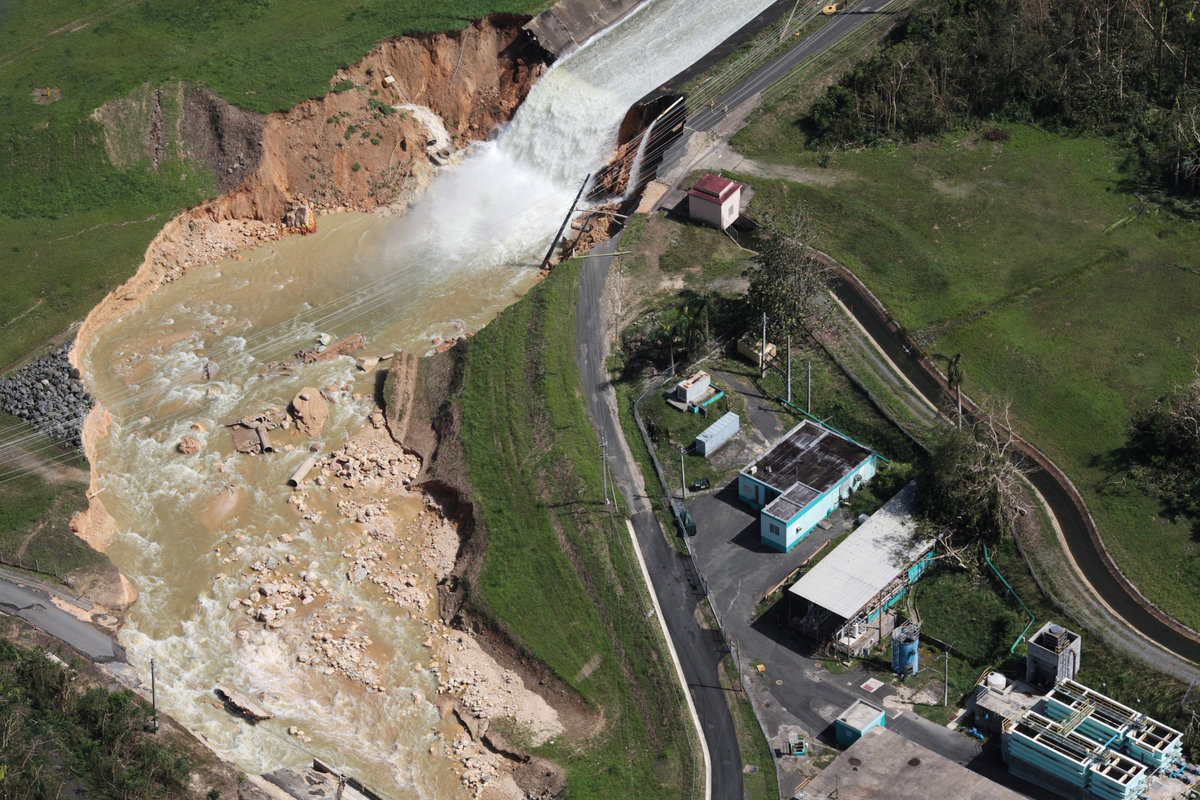
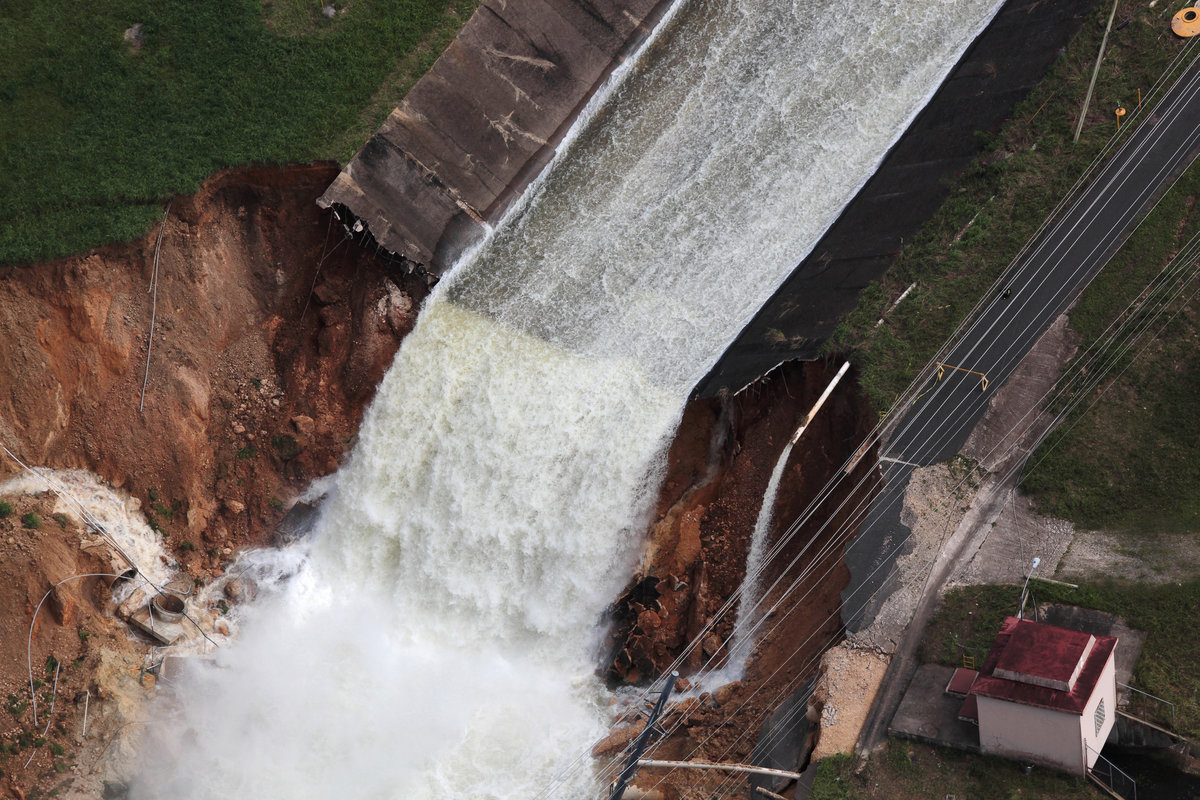
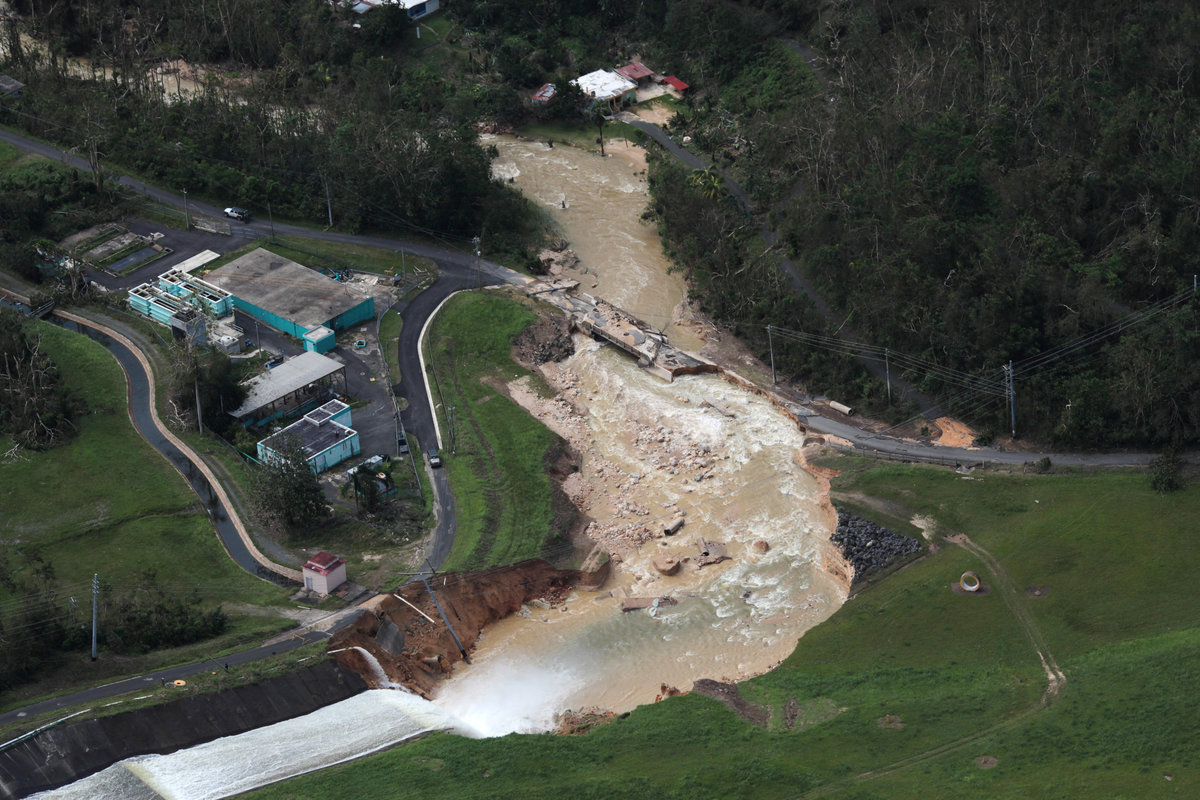
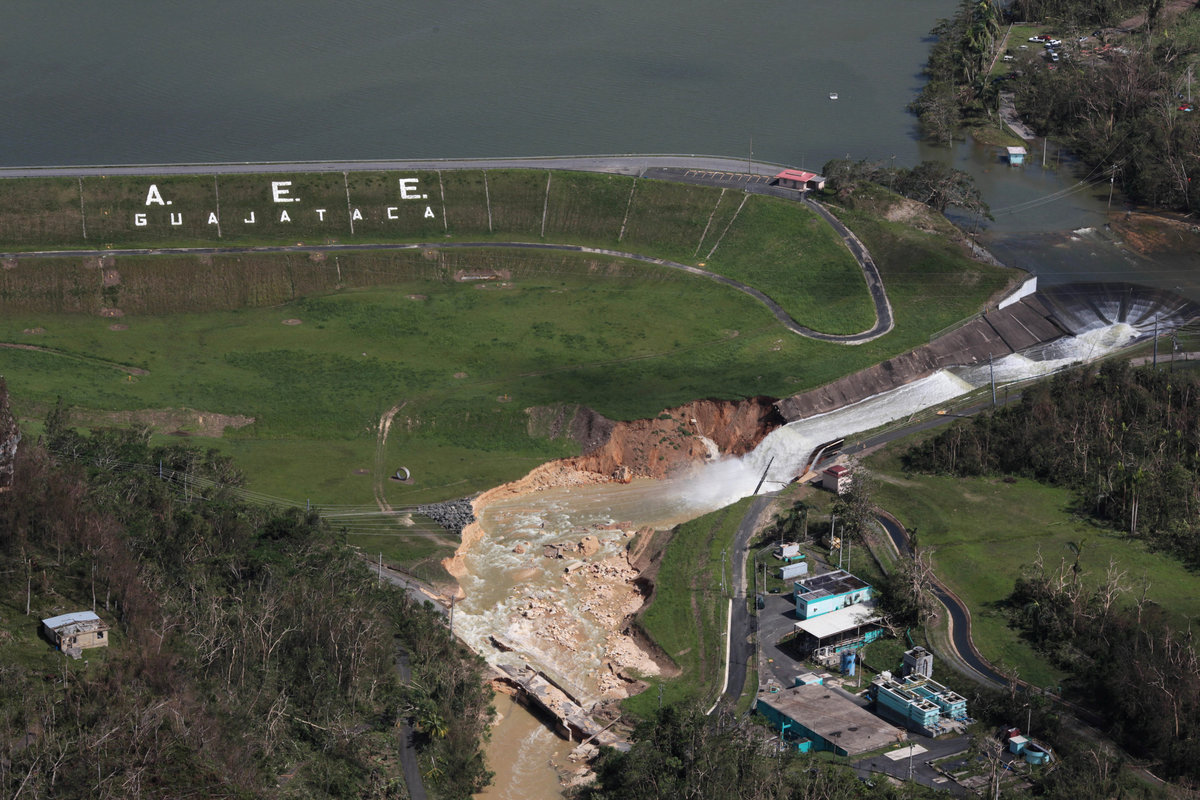
SAN JUAN, Puerto Rico (Reuters) - Puerto Rico's governor met mayors from around the ravaged island on Saturday after surveying damage to an earthen dam in the northwestern part of the U.S. territory that was threatening to collapse from flooding in the aftermath of Hurricane Maria.
Some 70,000 people who live downstream from the compromised dam, which has formed a lake on the rain-swollen Guajataca River, were under orders to evacuate, with the structure in danger of bursting at any time.
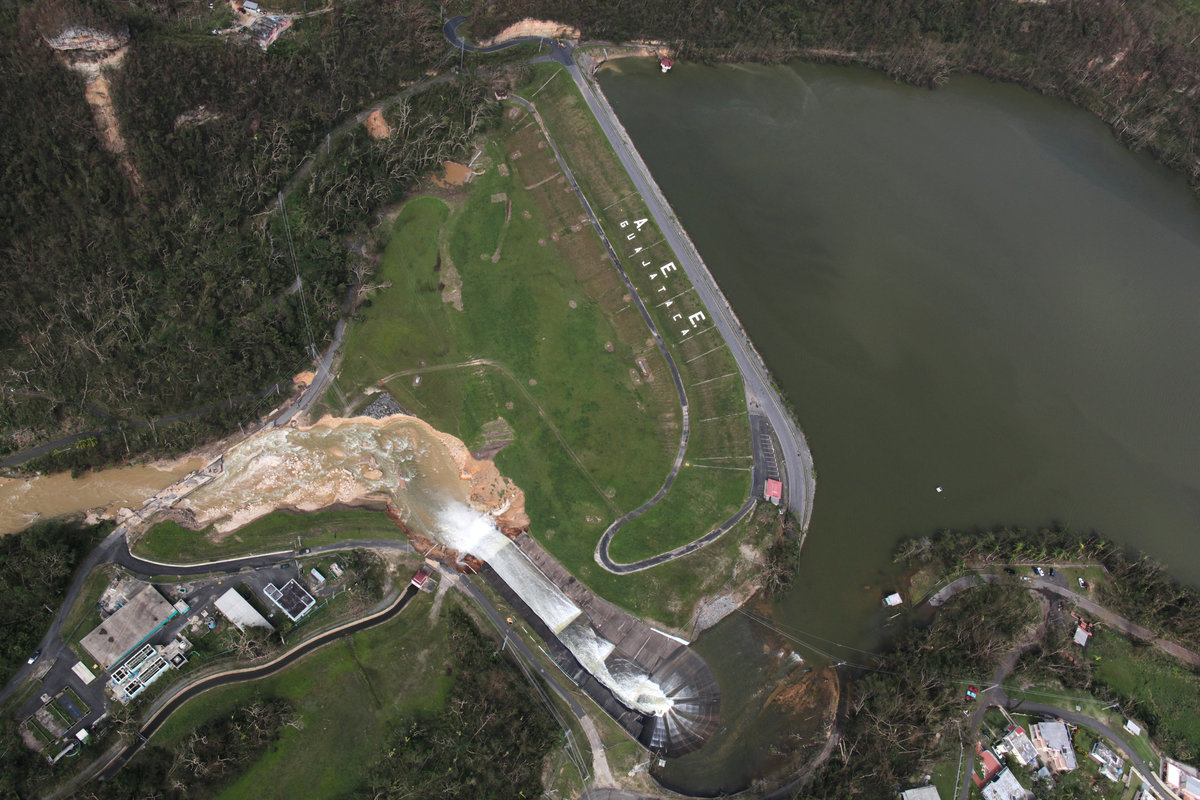
"We saw directly the damage to the Guajataca dam," Governor Ricardo Rossello said in a Spanish-language Twitter message on Saturday while reinforcing his request that people leave the area as soon as possible.
"The fissure has become a significant rupture," Rossello said separately at a news conference on Saturday.
The U.S. National Weather Service said on its website the dam was still in danger of failing and triggering life-threatening flash floods.
"Stay away or be swept away," it warned.
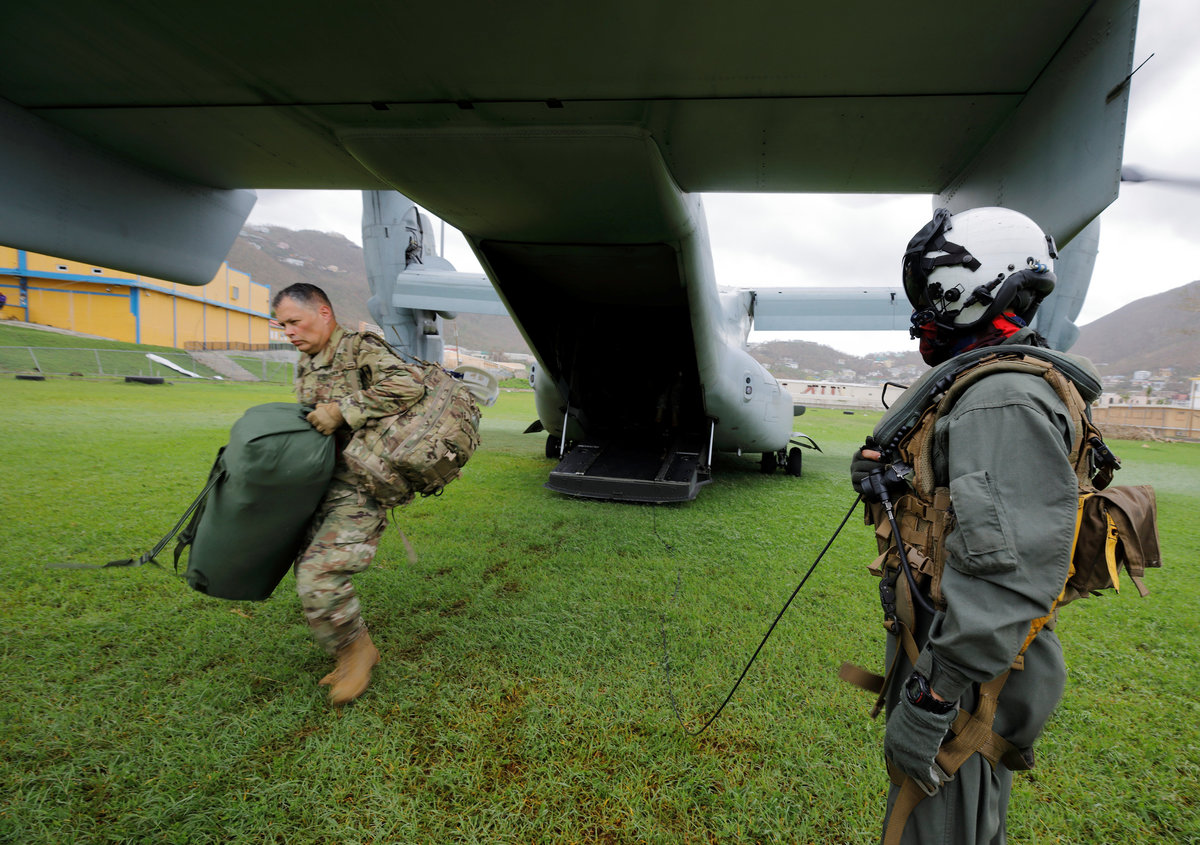
Meanwhile, people across the island were struggling to dig out from the devastation left by the storm, which killed at least 25 people, including at least 10 in Puerto Rico, as it churned across the Caribbean, according to officials and media reports.
"To all Puerto Ricans, please know we will get back up," the governor tweeted as he met mayors in the territory to identify their most urgent needs. "Together with the mayors, as one government.4Puerto Rico"
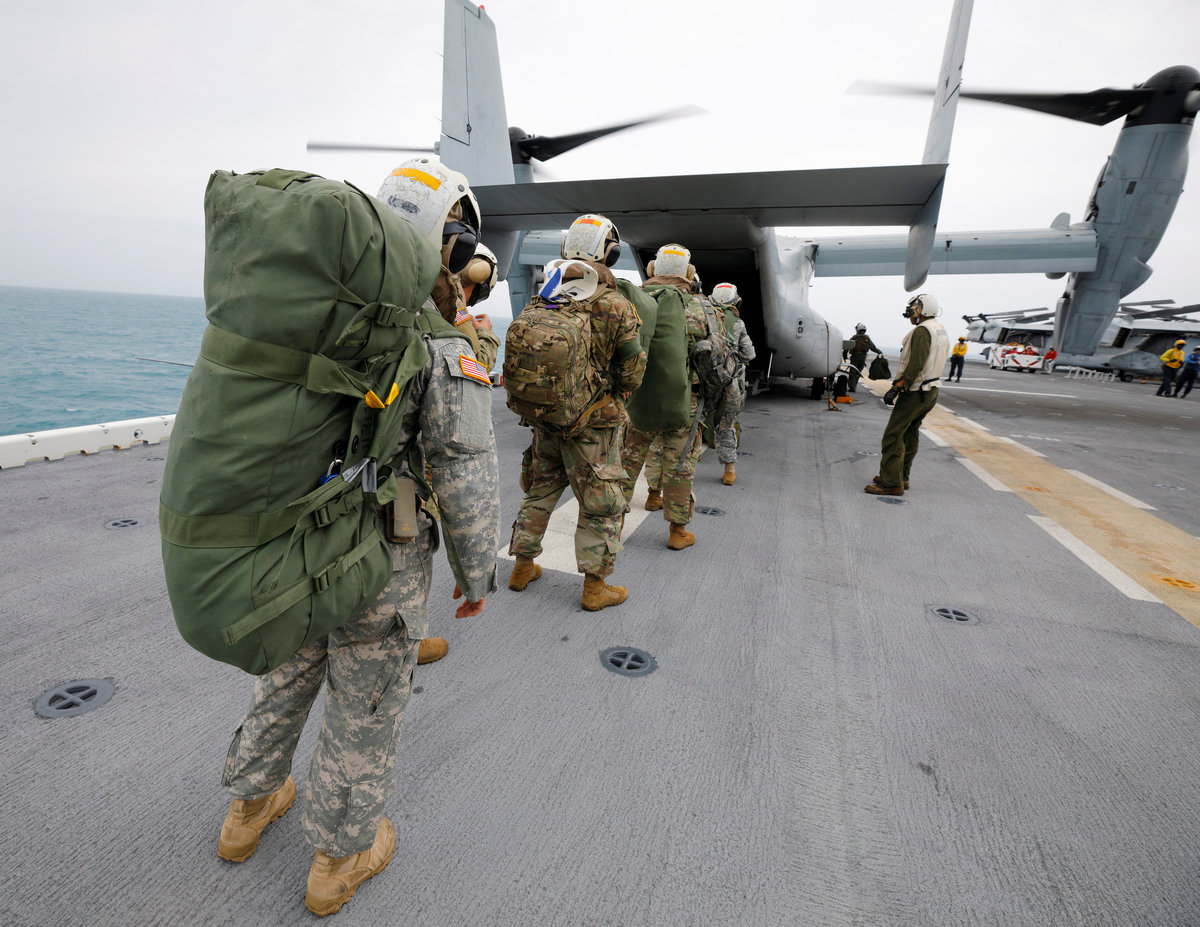
In a development that could help the recovery effort, the Port of San Juan reopened, according to a Twitter message from the agency that operates it, allowing ships to unload supplies.
Severe flooding, structural damage to homes and virtually no electric power were three of the most pressing problems facing Puerto Ricans, said New York Governor Andrew Cuomo during a tour of the island.
"It's a terrible immediate situation that requires assistance from the federal government - not just financial assistance," said Cuomo, whose state is home to millions of people of Puerto Rican descent.
"It is a dangerous situation today and it's going to be a long-term reconstruction issue for months," Cuomo, a Democrat and potential 2020 presidential candidate, told CNN.
PATH OF DESTRUCTION
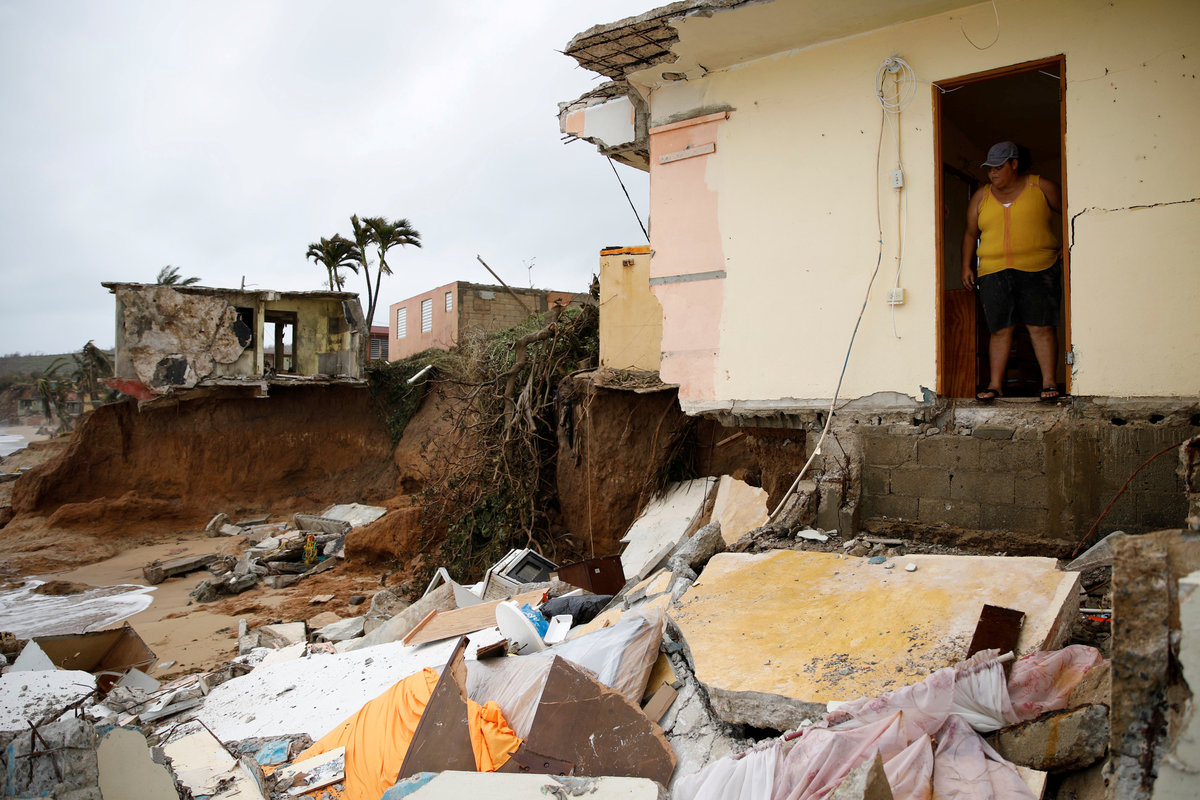
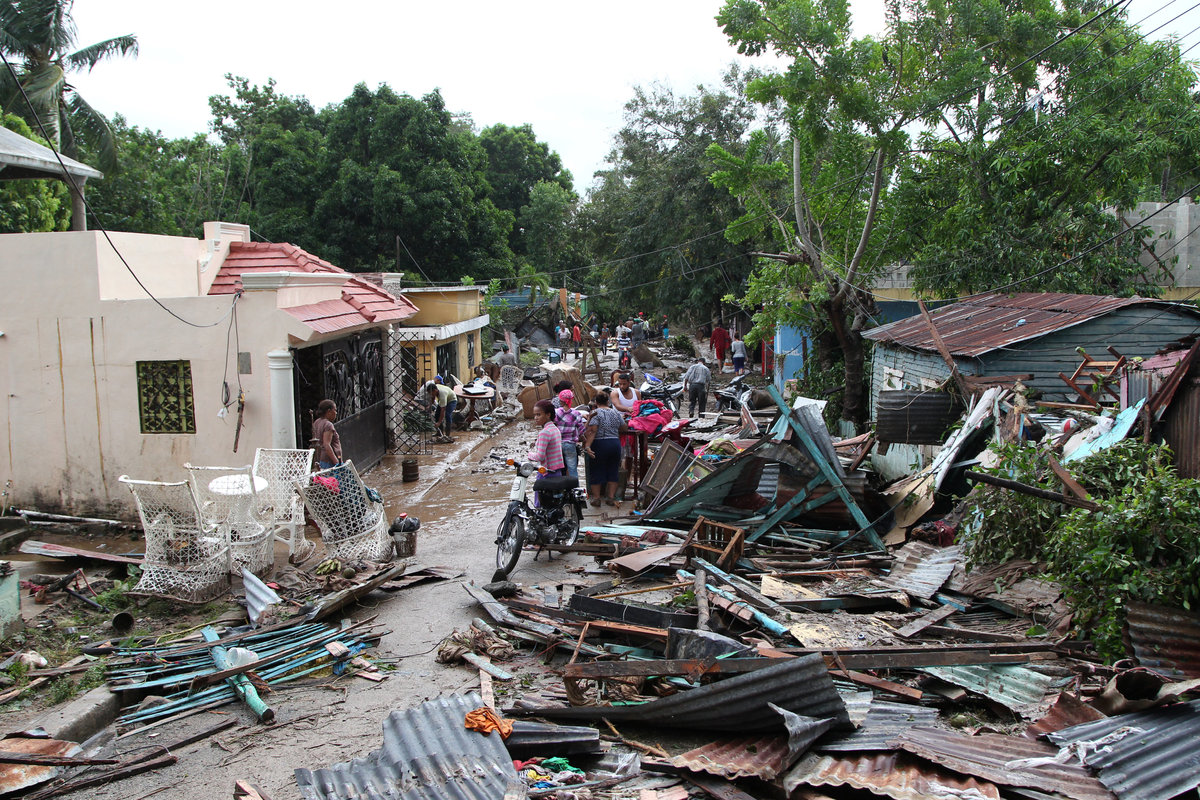
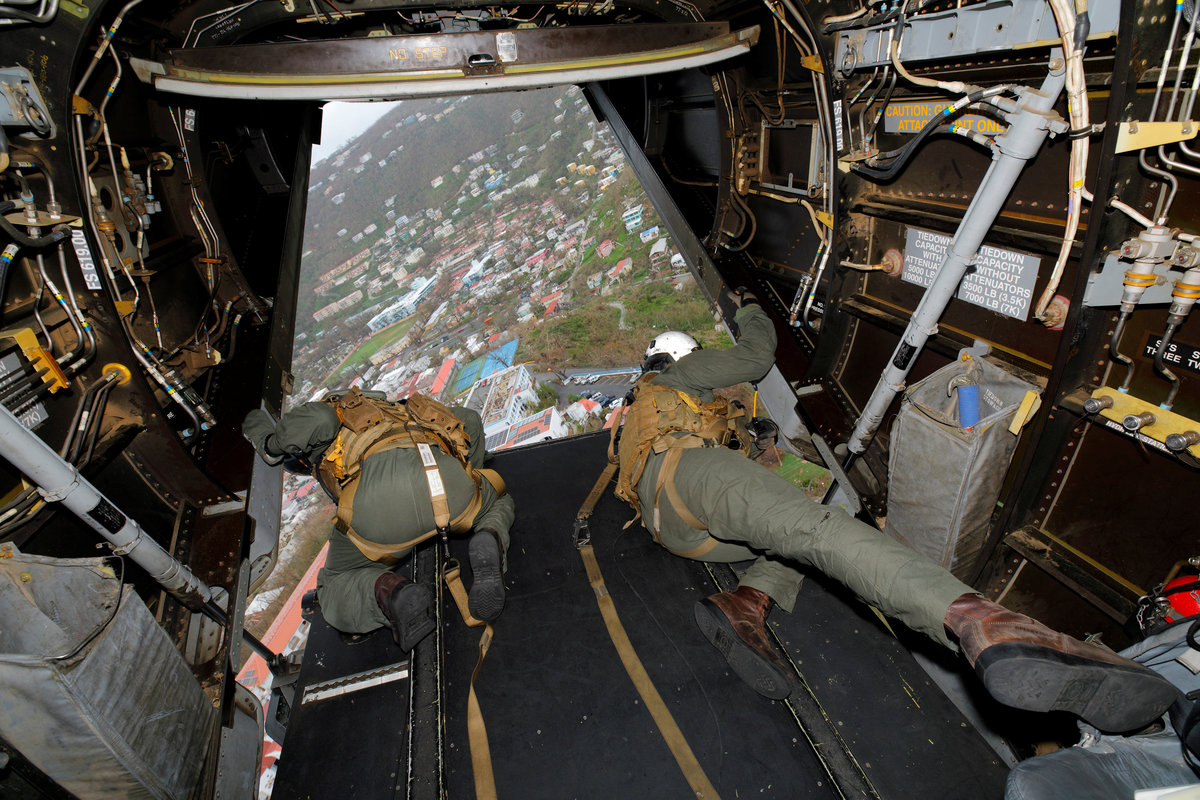
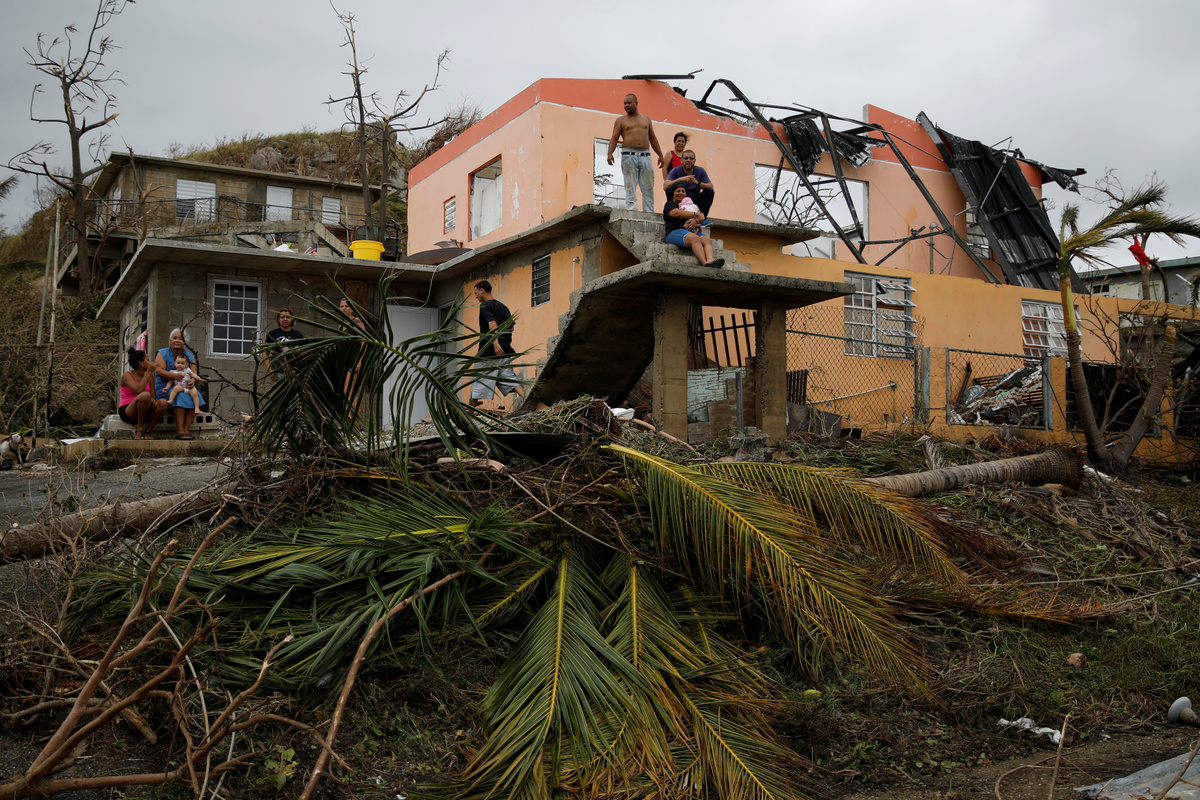
Maria, the second major hurricane to savage the Caribbean this month and the most powerful storm to strike Puerto Rico in nearly a century, carved a path of destruction on Wednesday. It knocked out electricity, apart from emergency generators, on the island of 3.4 million inhabitants.
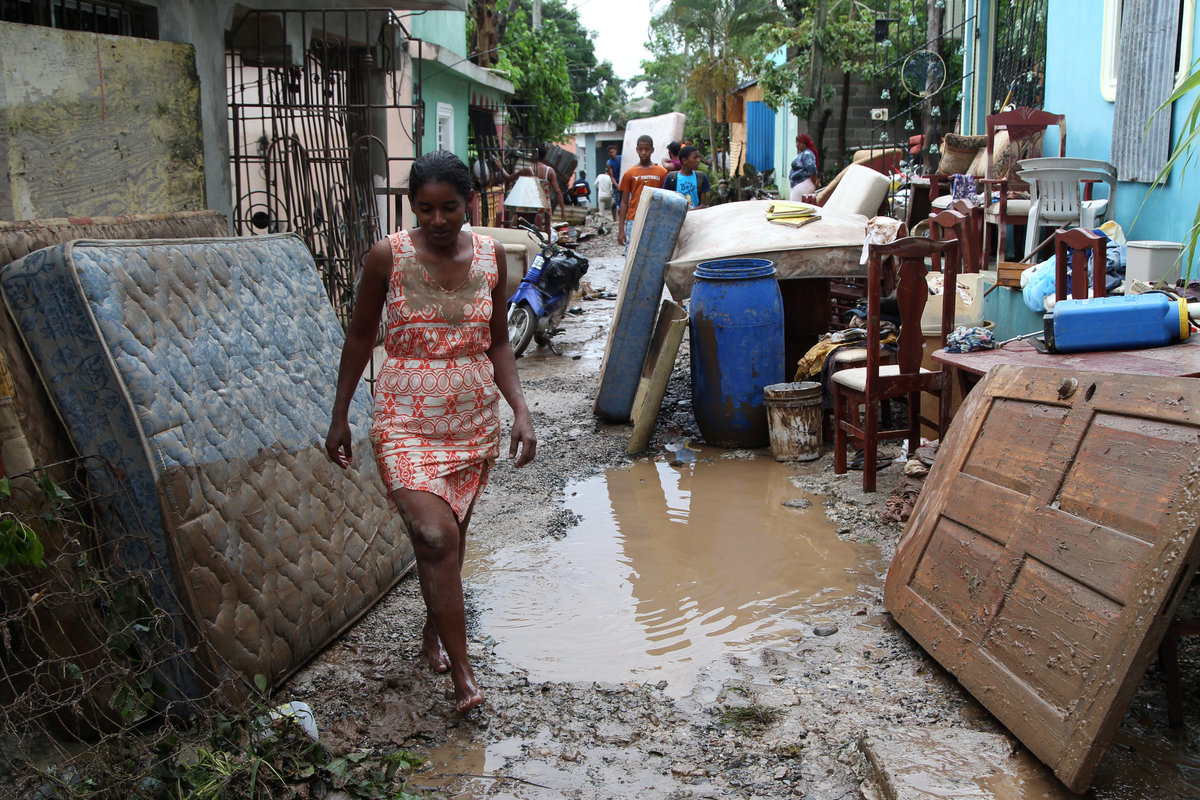
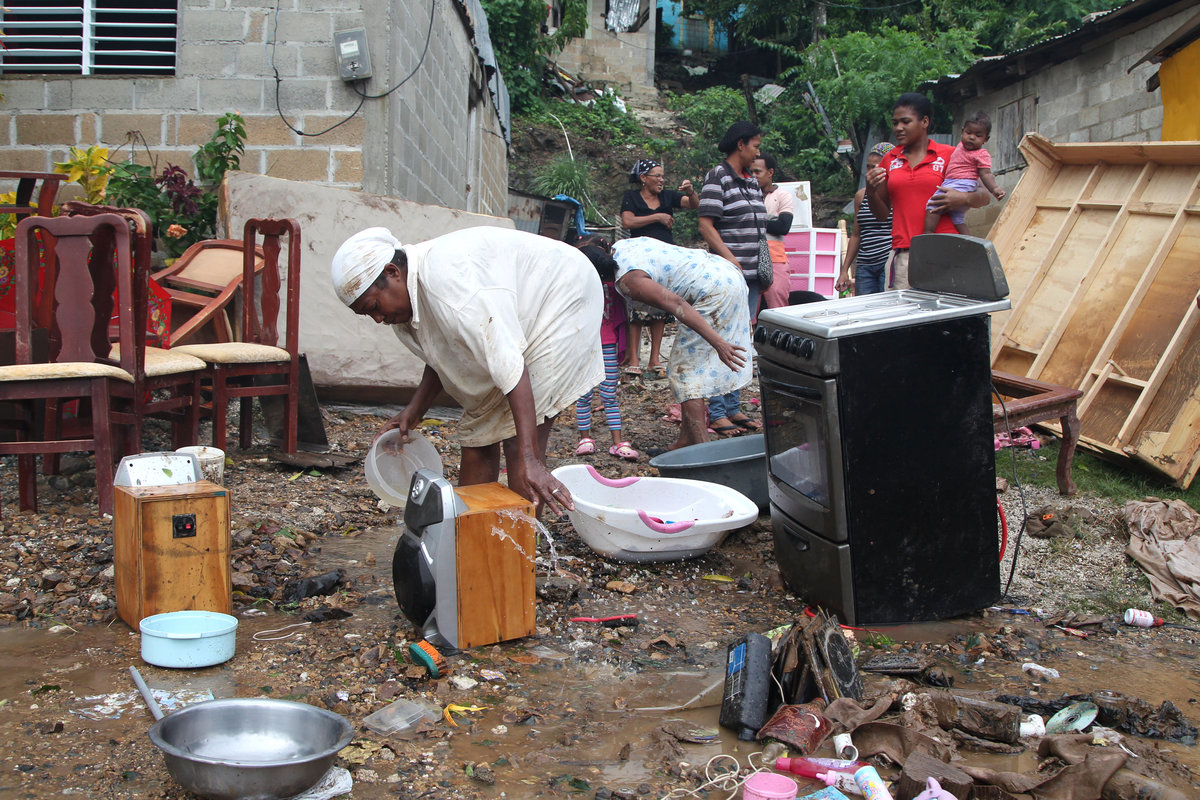
Near the rain-swollen Guajataca River, in the northwest part of the island, floodwater littered with branches and debris engulfed the first floor of a number of homes and swamped vehicles that were left behind.
"We lost our house, it was completely flooded," said resident Carmen Gloria Lamb. "We lost everything, cars, clothes, everything."
The storm has resulted in 10 confirmed fatalities on the island so far, Rossello's office told CNN on Saturday. The governor's office could not be reached for comment by Reuters.
Signs of the strain on Puerto Ricans were evident throughout San Juan, the capital.
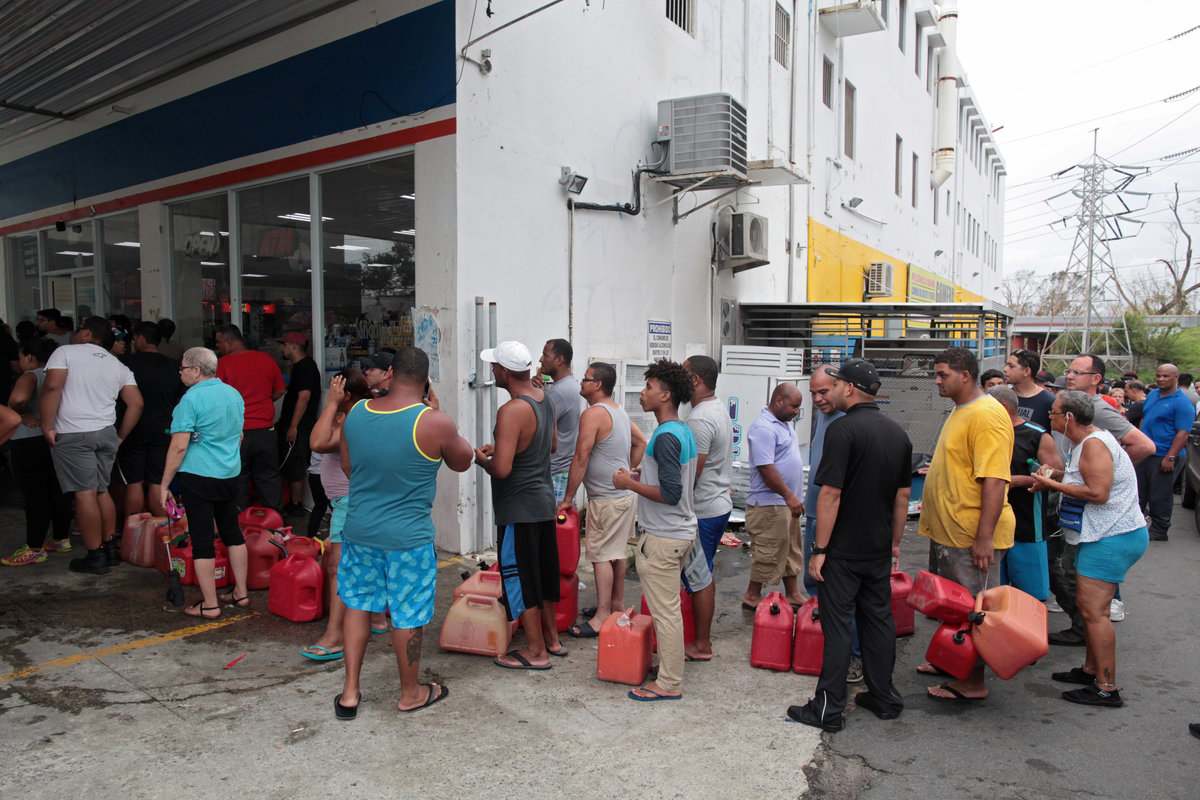
Drivers had to wait up to seven hours at the few filling stations open on Saturday, according to news reports, and lines of cars snaked for blocks. Hotels warned that guests might have to leave soon without fresh supplies of diesel to keep generators operating.
Water rationing also began on Saturday. Signs posted throughout San Juan's Old Town informed residents that service would return for two hours each day, between 5 p.m. and 7 p.m., until further notice.
Telephone service was also unreliable, with many of the island's cell towers damaged or destroyed.
People swarmed under some of the towers, holding up their devices in the hopes of getting a signal.
The governor also extended a nightly curfew on Saturday, the Caribbean Business newspaper reported.
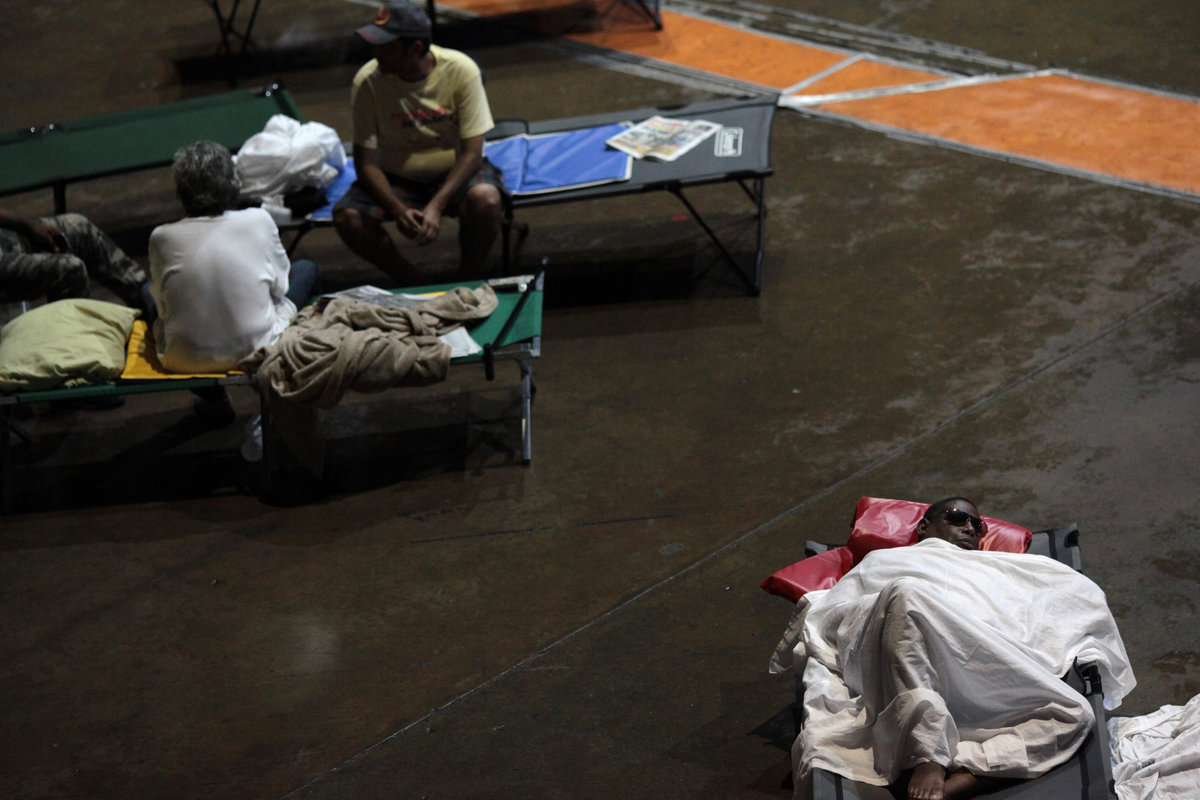
At San Juan's Luis Munoz Marin International Airport, Mary Ann Arciola, her 32-year-old daughter and two young grandchildren slept in a rented van hoping to get a flight home to the United States.
"There's nobody at the desks. There's nothing on the screens," said Arciola, 62. "There's a ton of people. They are starting to fight. It's not good."
DEBT CRISIS
Maria struck Puerto Rico as a Category 4 storm on the five-step Saffir-Simpson scale as the island was already facing the largest municipal debt crisis in U.S. history.
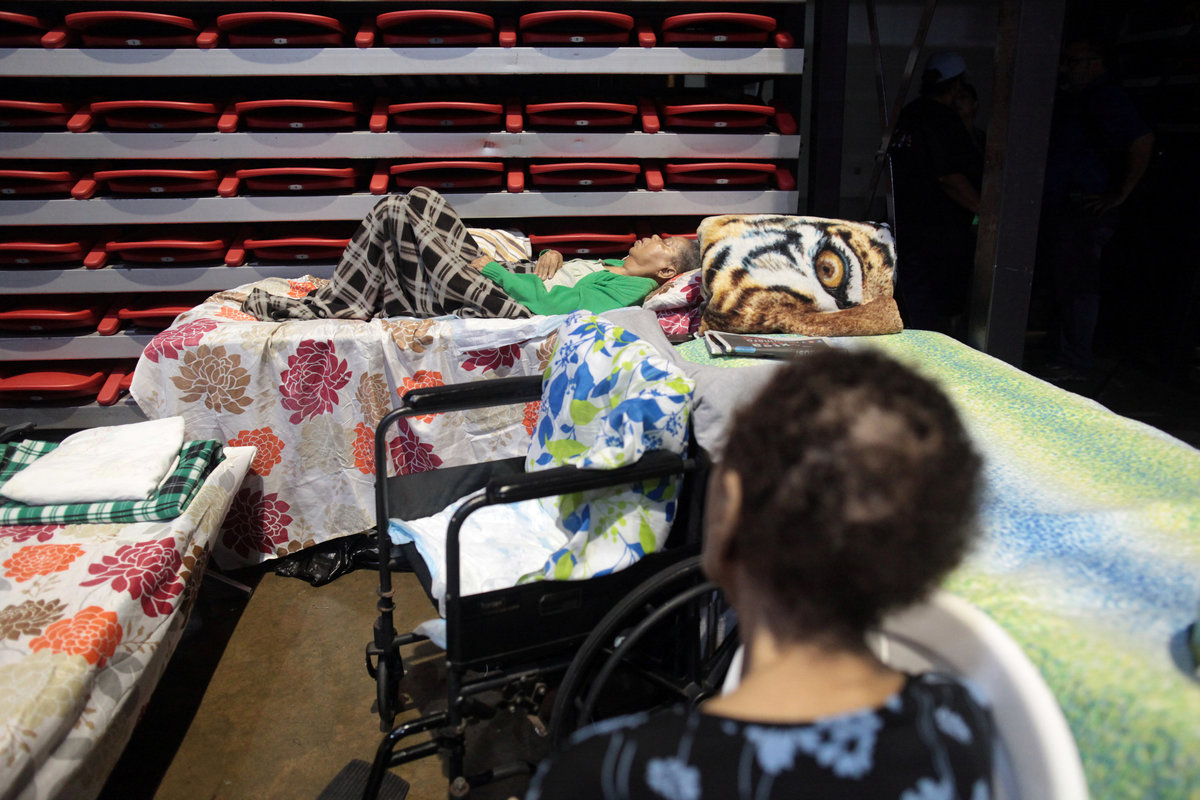
The storm may have caused an estimated $45 billion in damage and lost economic activity across the Caribbean, with at least $30 billion of that in Puerto Rico, said Chuck Watson, a disaster modeller at Enki Research in Savannah, Georgia.
Elsewhere in the Caribbean, 14 deaths were reported on Dominica, an island nation of 71,000 inhabitants.
Two people were killed in the French territory of Guadeloupe and one in the U.S. Virgin Islands. Two people died in the Dominican Republic on Thursday, according to media outlet El Jaya.
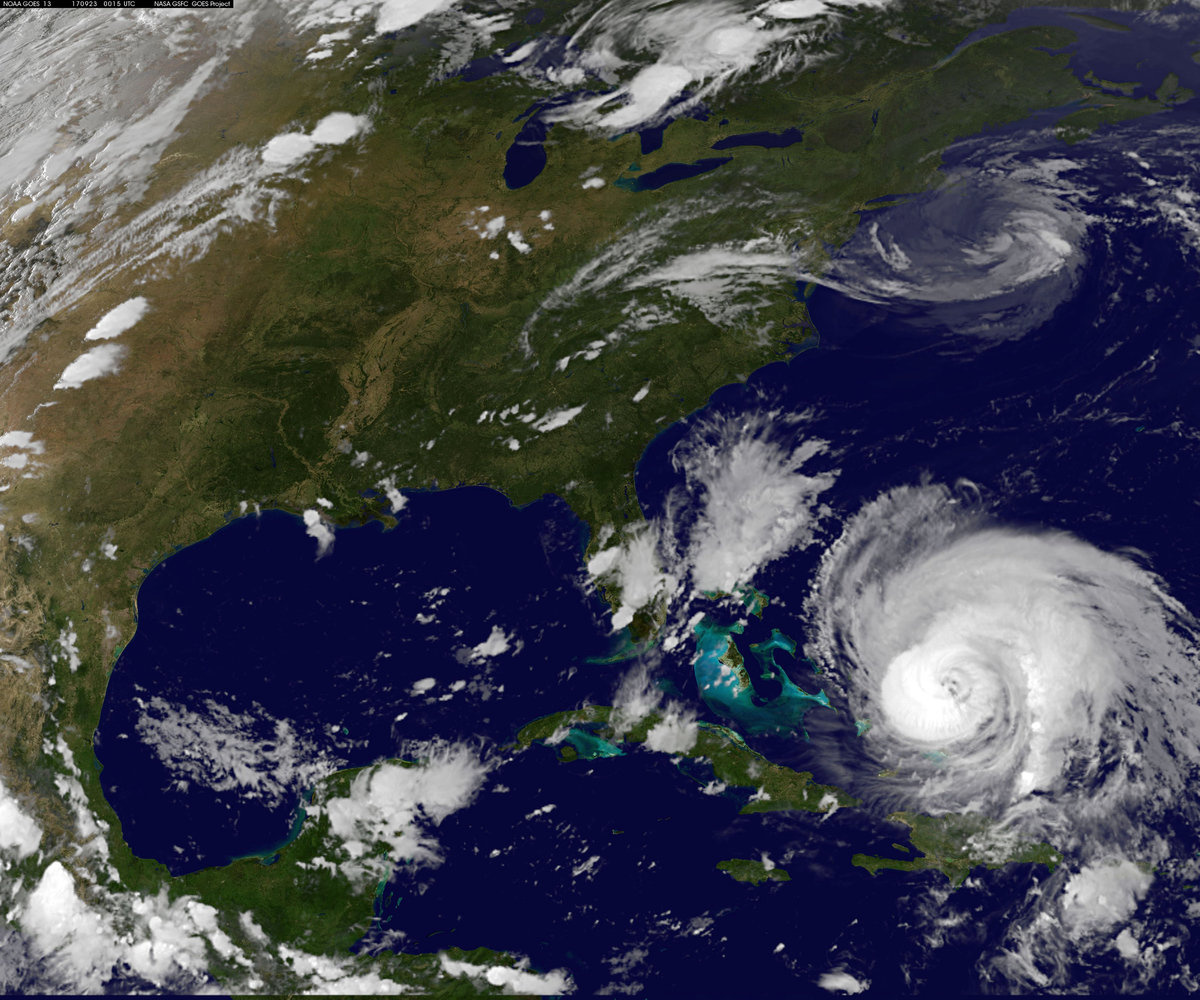
Maria still had sustained winds of up to 115 miles per hour (185 km per hour) on Saturday, making it a Category 3 hurricane, but was expected to weaken gradually over the next two days as it turned more sharply to the north.
Dangerous surf and rip currents driven by the storm were expected along the southeastern coast of the U.S. mainland for several days, the National Hurricane Center said.
Maria hit about two weeks after Hurricane Irma, one of the most powerful Atlantic storms on record, killed more than 80 people in the Caribbean and the United States. It followed Hurricane Harvey, which also killed more than 80 people when it struck Texas in late August and caused flooding in Houston.
(Reporting by Dave Graham and Robin Respaut in San Juan; Additional reporting by Chris Kenning in Chicago and Alex Dobuzinskis in Los Angeles,; Writing by Frank McGurty; Editing by Andrew Bolton, Paul Simao and Paul Tait)