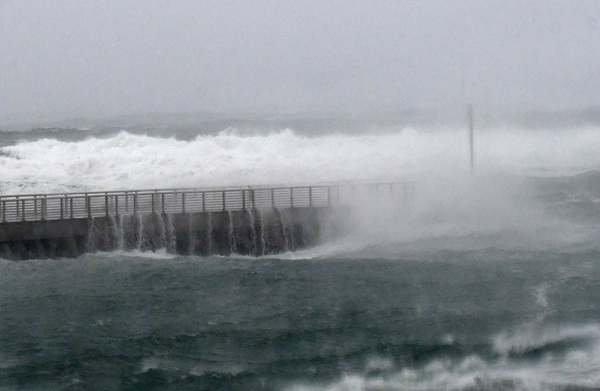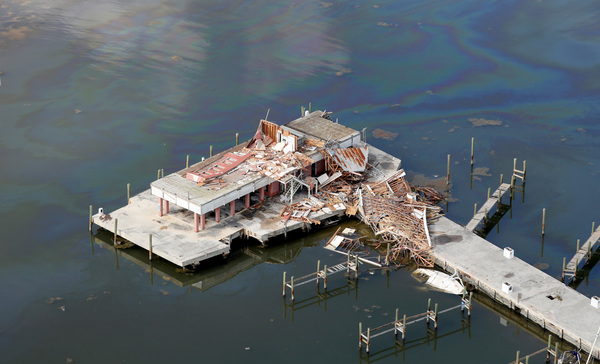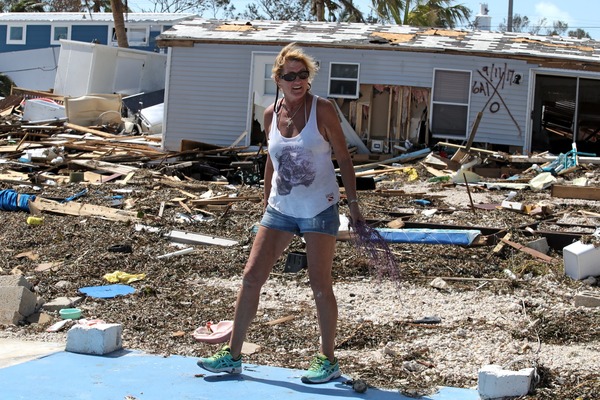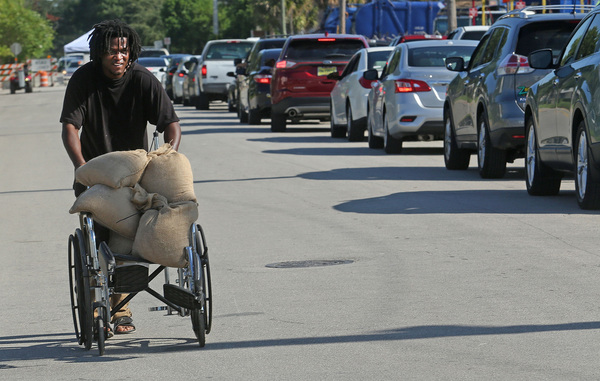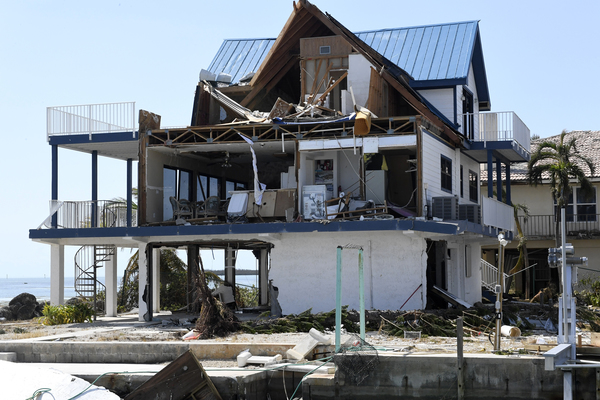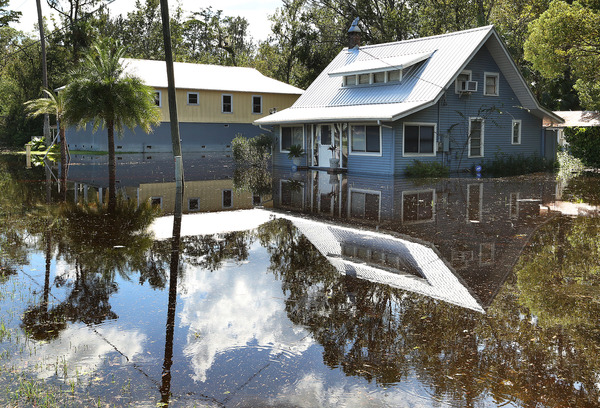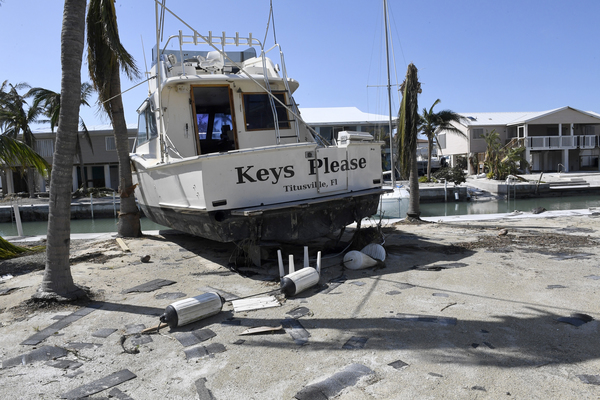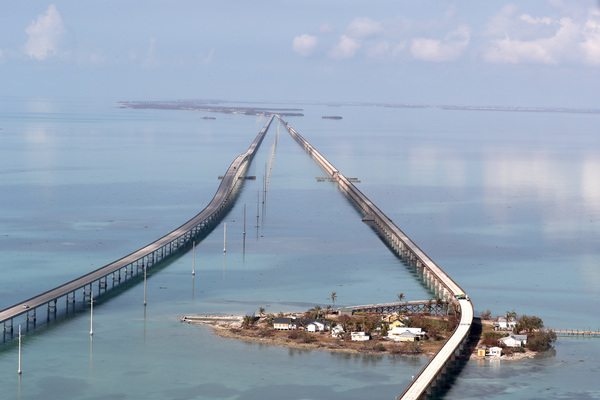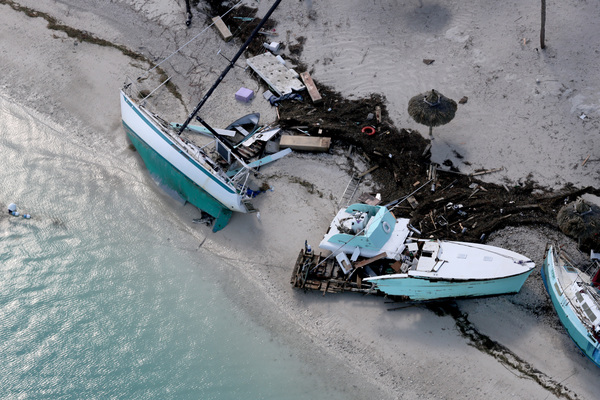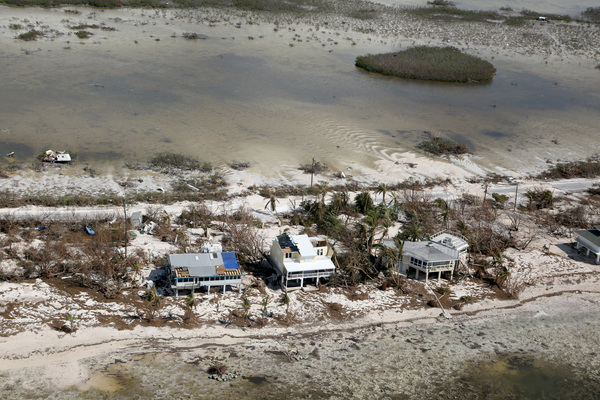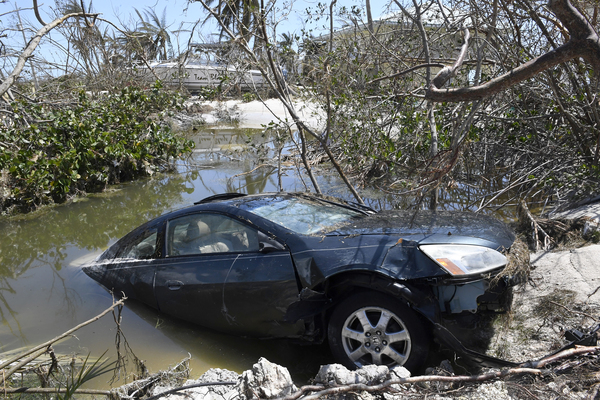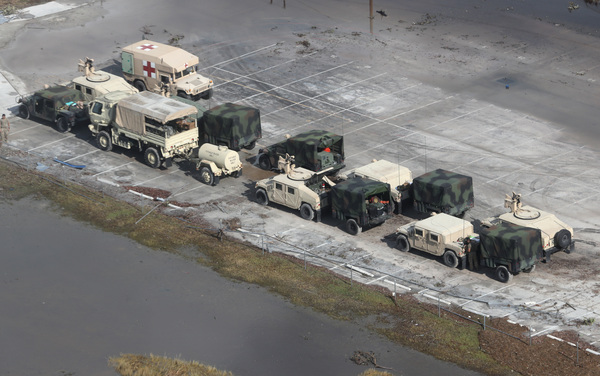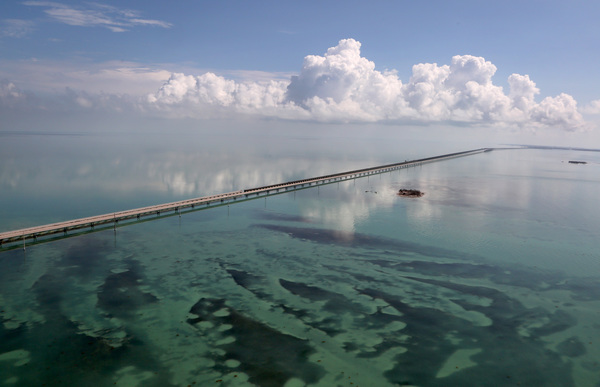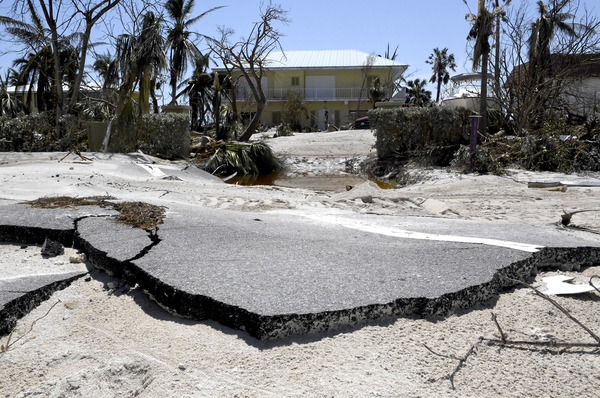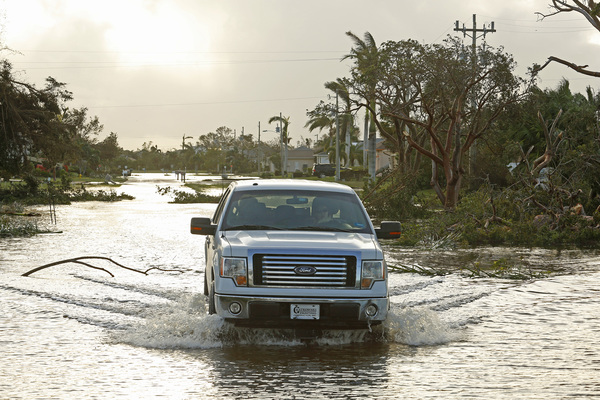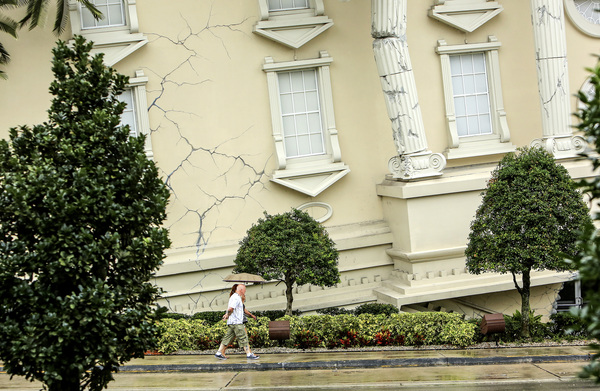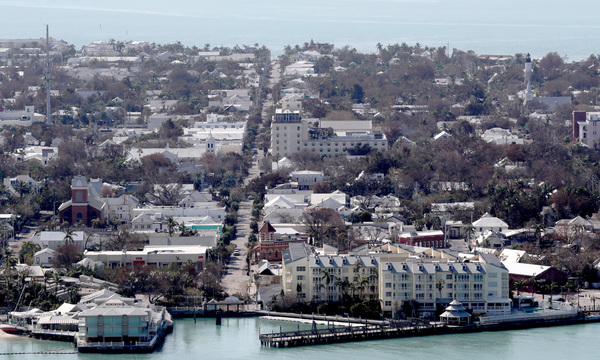
FORT MYERS, Fla. �� Hurricane Irma made a second ferocious landfall near Naples Sunday after inundating the low-lying Florida Keys, sending floodwaters surging into downtown Miami and menacing millions in Florida's Gulf Coast cities where some had initially sought shelter from the storm.
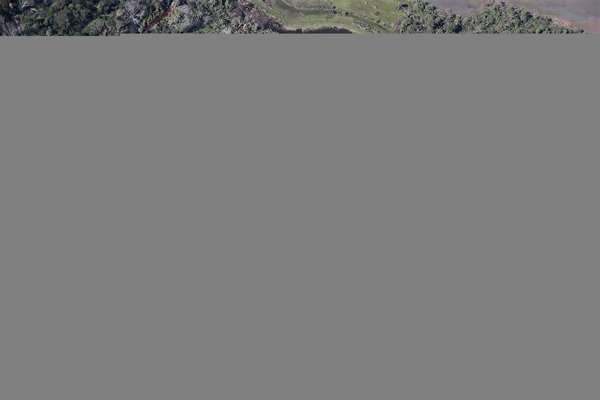
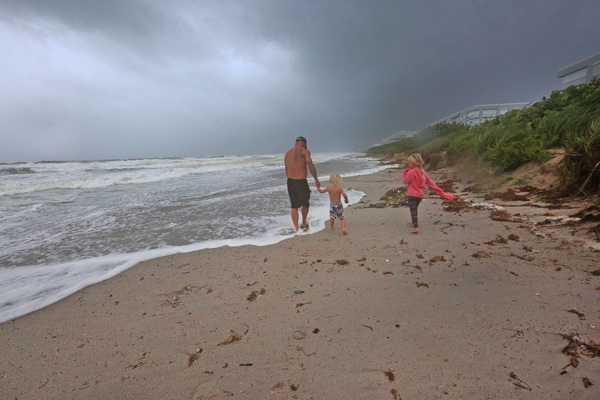
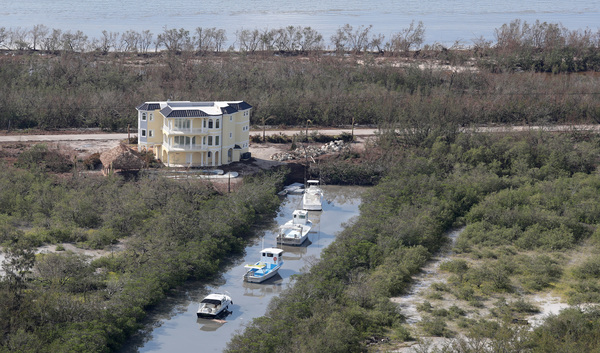
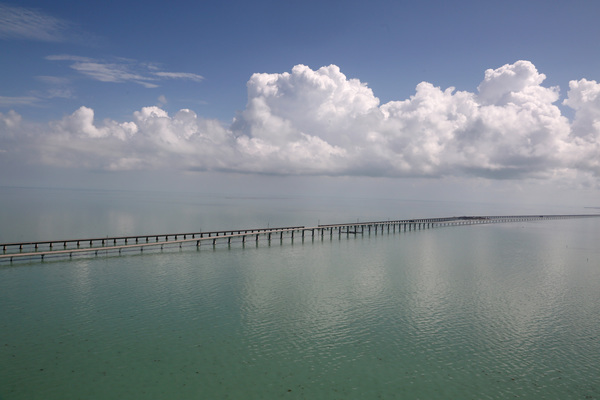
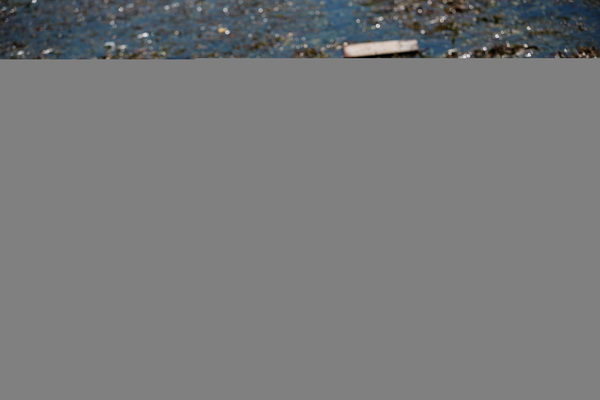
As the Category 3 storm tracked its way up Florida's west coast, water was sucked from part of Tampa Bay, exposing a muddy expanse that would normally be underwater _ a frightening portent of flooding to come when that water, and more, comes rushing back.
The cities bracketing the bay _ Tampa and St. Petersburg, with a population of about 3 million people between them _ were forecast to be clobbered later Sunday by sustained hurricane-force winds.

"We are about to get punched in the face by this storm," said Tampa Mayor Bob Buckhorn. Brock Long, administrator of the Federal Emergency Management Agency, said on ABC that it was a "worst-case scenario" for Florida's west coast.
By midafternoon, Irma had hit Marco Island, near Naples, bearing blinding rains and sustained winds of 115 mph, gusting to 130 mph. And it was steadily bearing north.
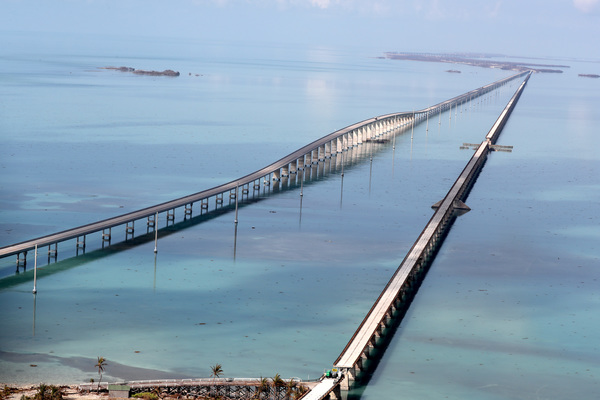
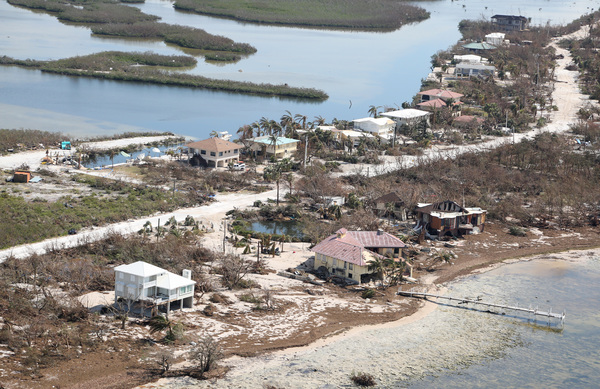
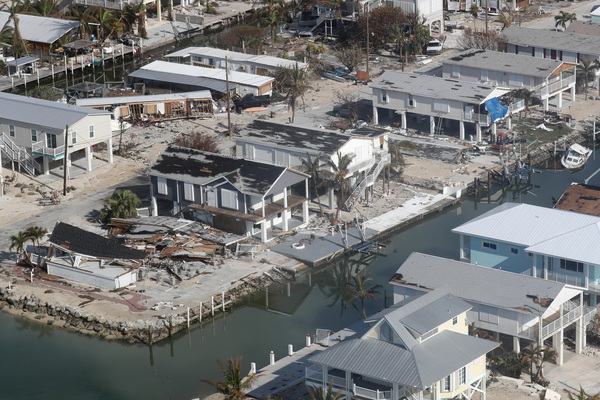
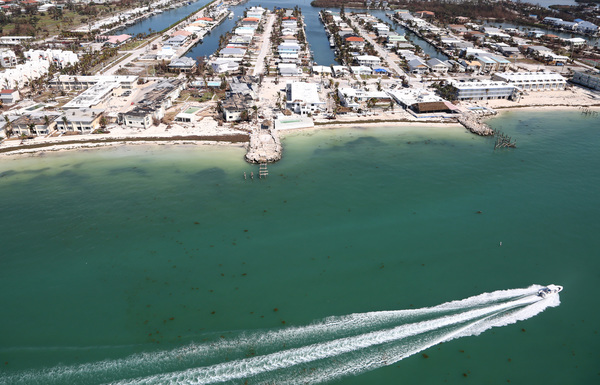
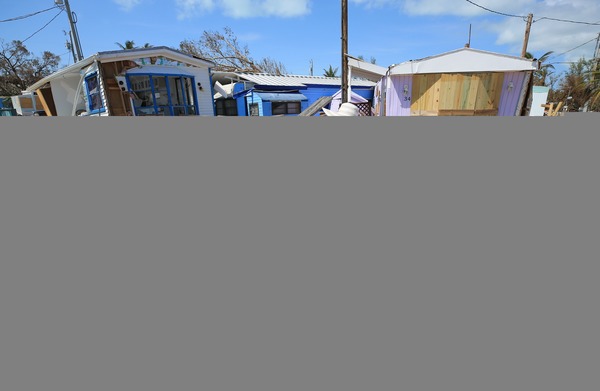
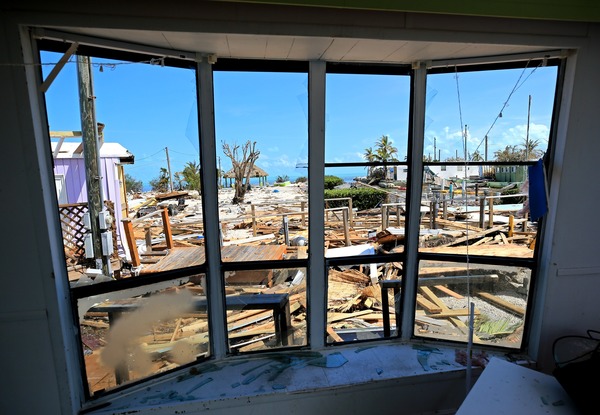
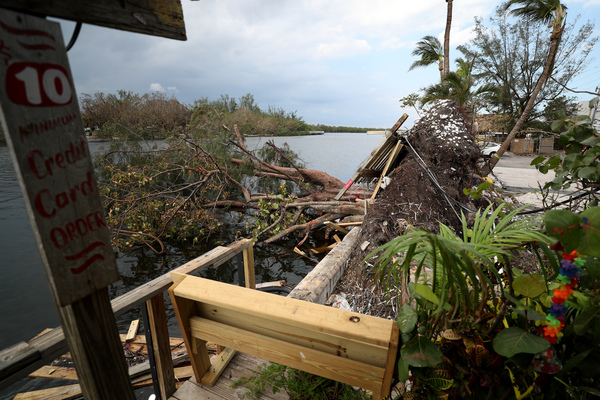
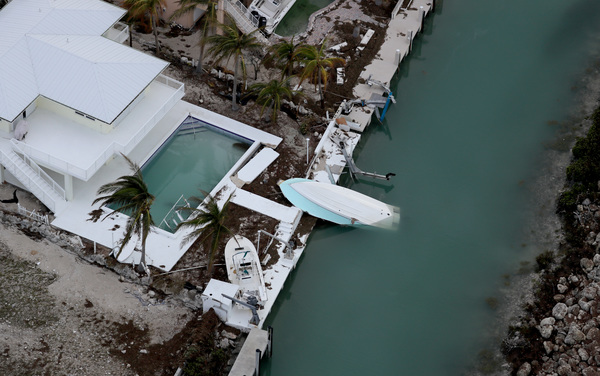
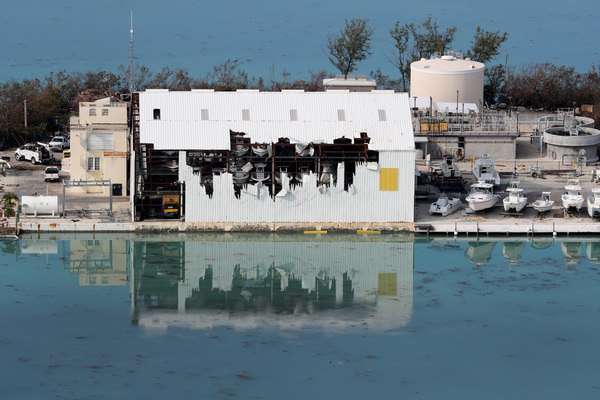
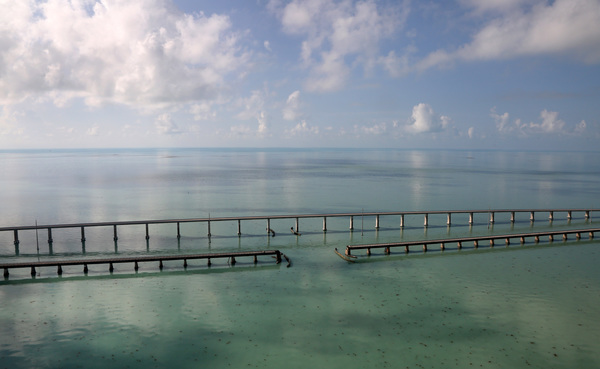
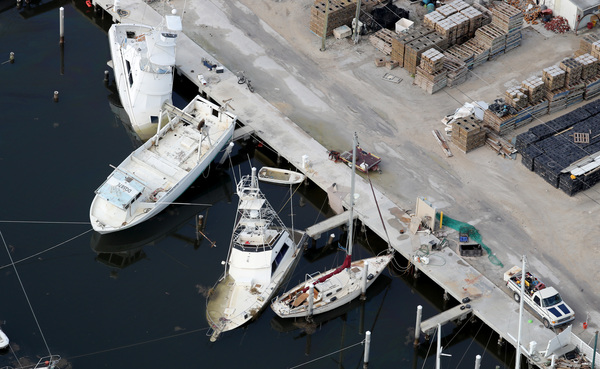
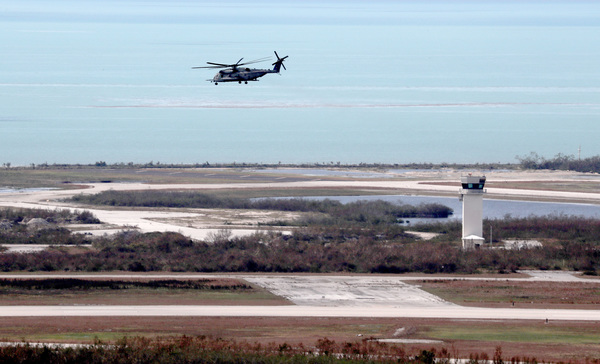
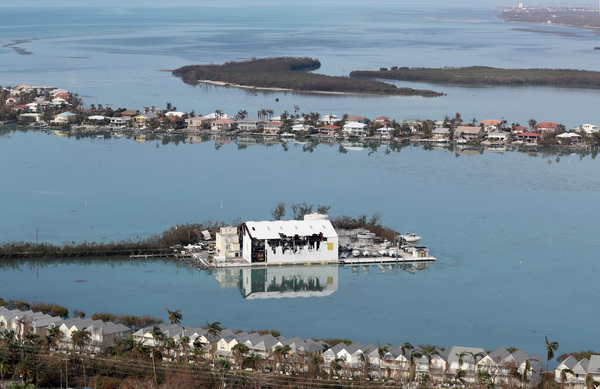
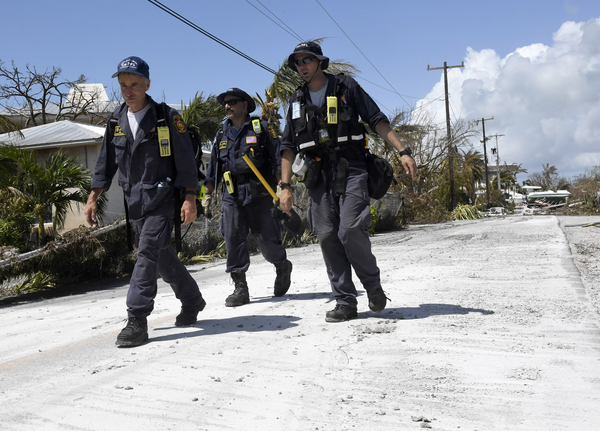
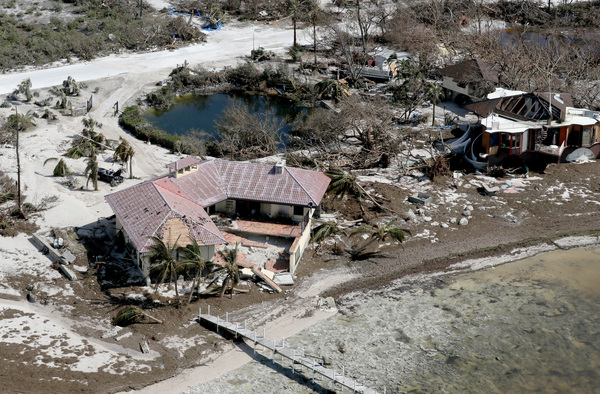
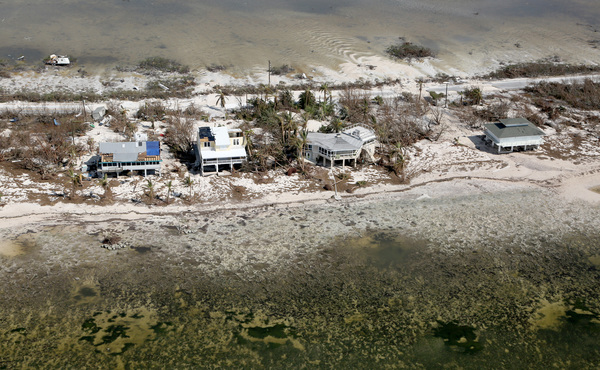
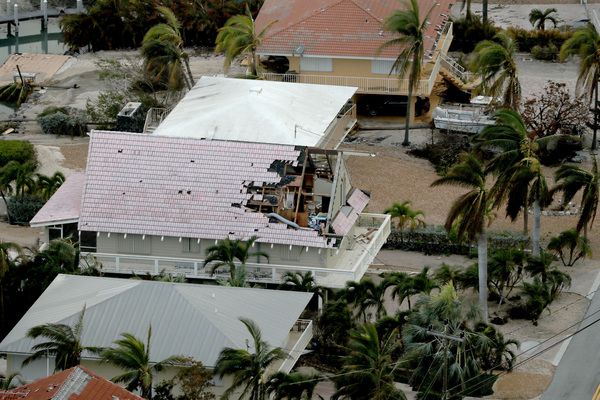
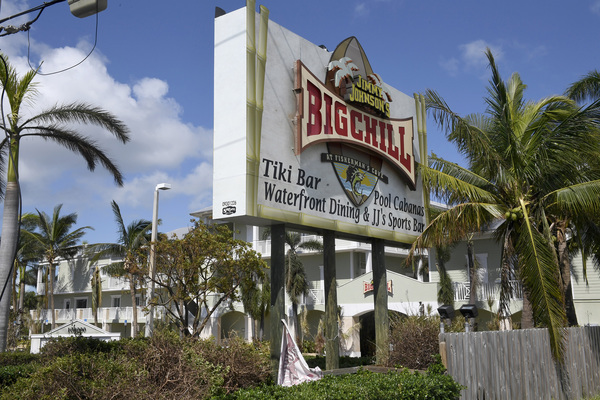
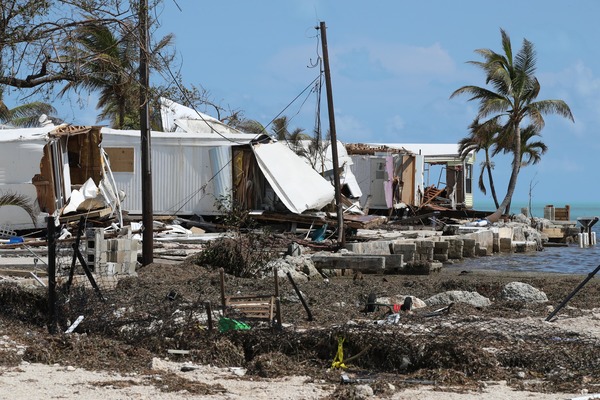
Before dawn, Irma's eyewall began moving over the lower Florida Keys. Just after 9 a.m., it hit Cudjoe Key with top sustained winds of 130 mph, the National Hurricane Center in Miami said.
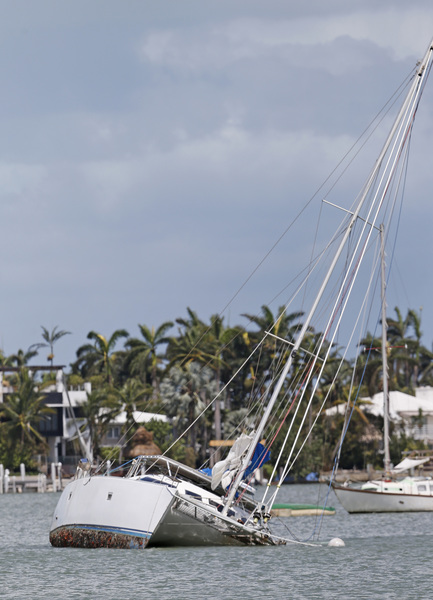
The storm's passage by no means marks the end of the danger. "Once this system passes through, it's going to be a race to save lives and sustain lives," Long said on "Fox News Sunday."
A first-ever tropical storm warning was issued for the city of Atlanta. President Donald Trump, monitoring the hurricane's advance from the presidential retreat at Camp David, spoke with the governors of Alabama, Georgia, South Carolina and Tennessee _ all states that could be affected as Irma plows northward.
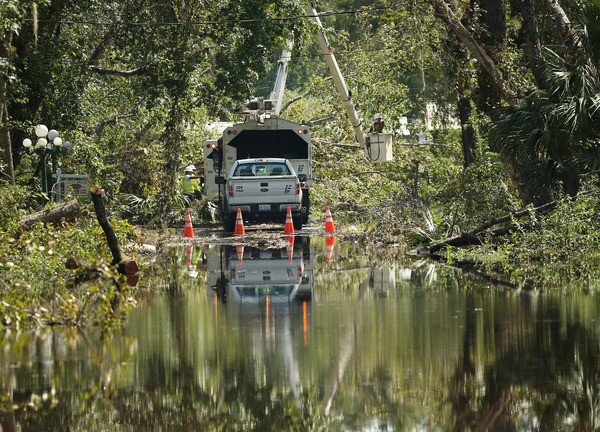
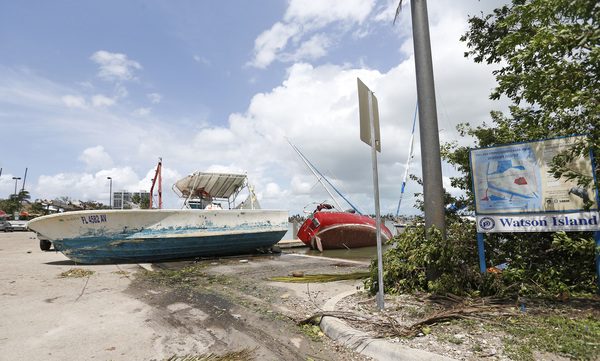
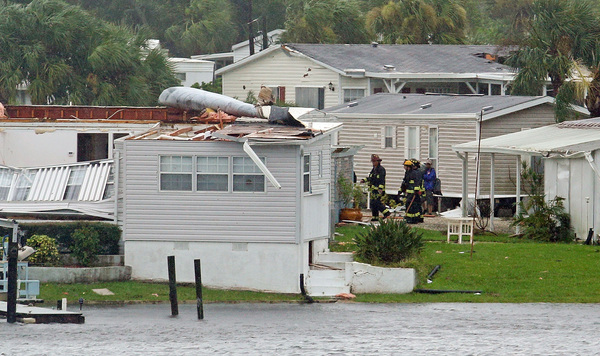
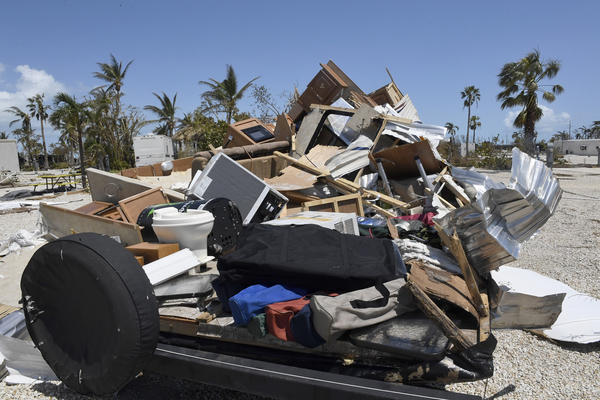
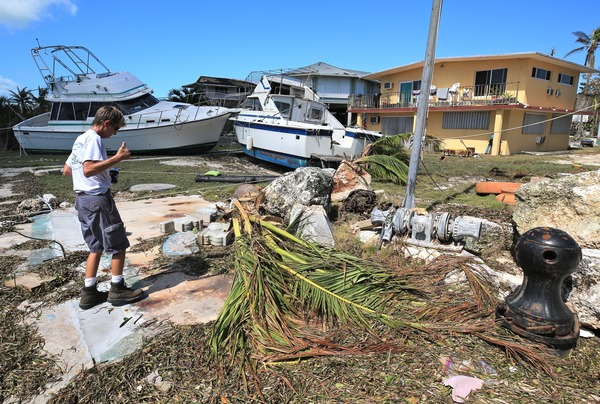
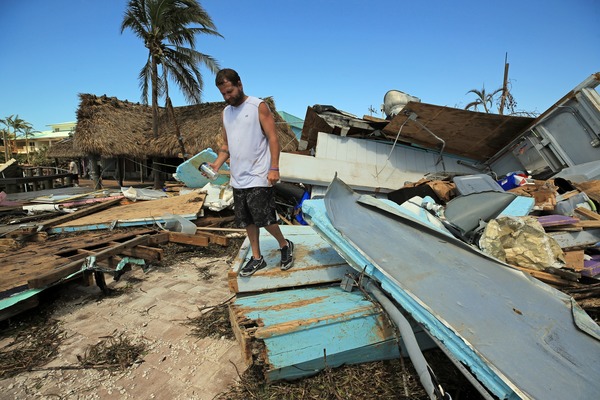
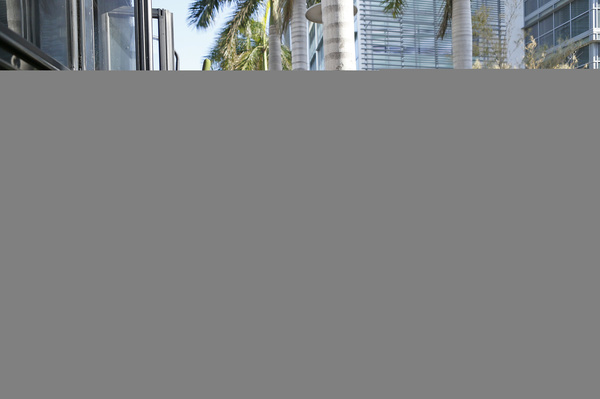
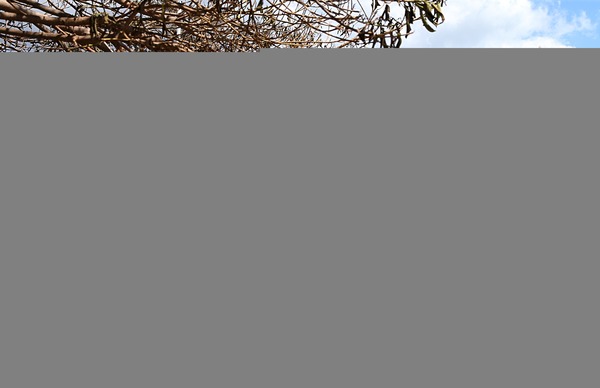
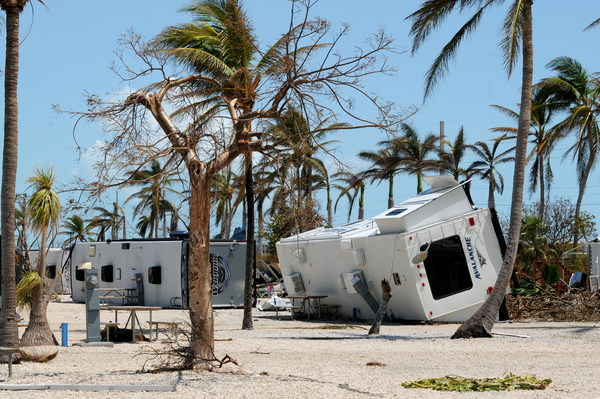
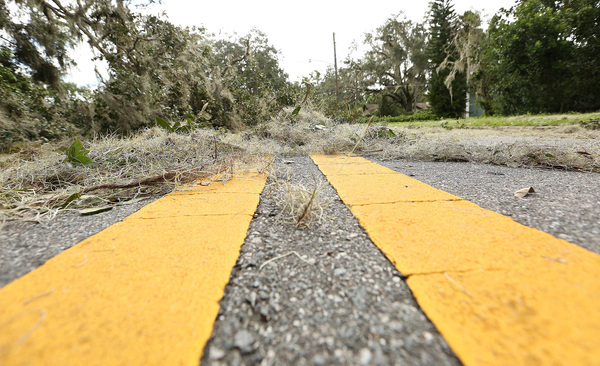
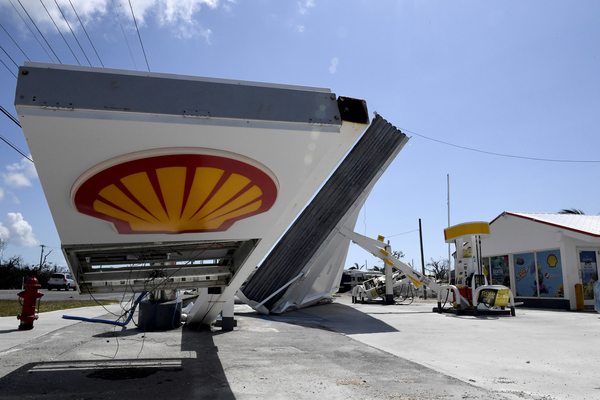
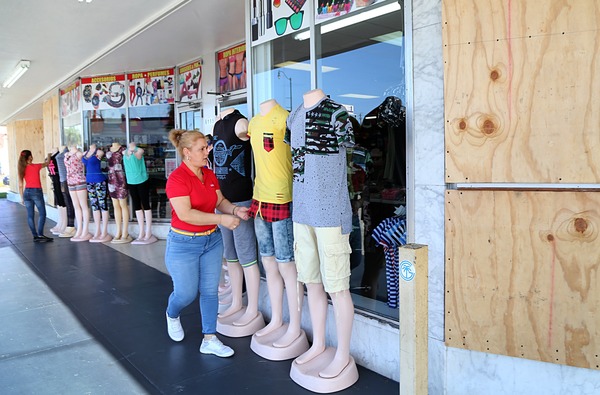
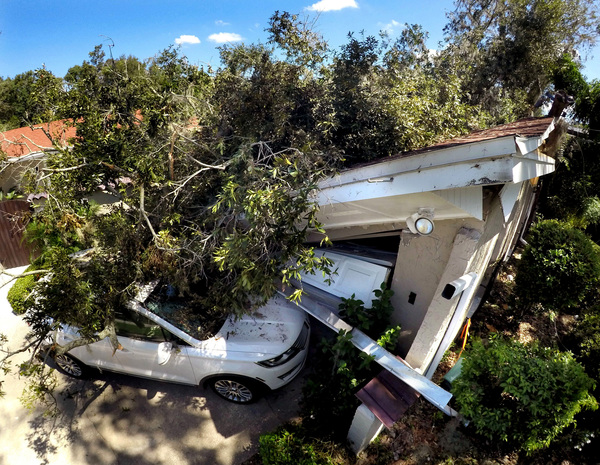
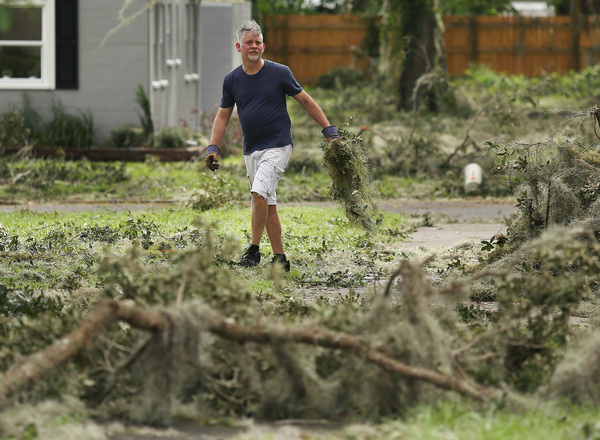
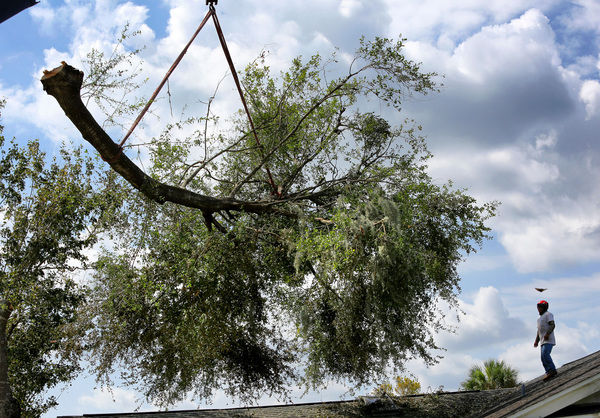
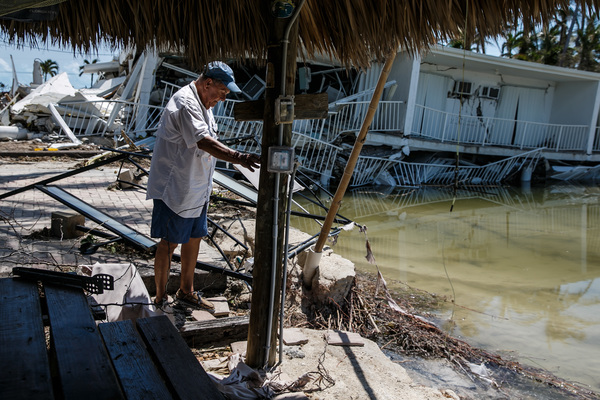
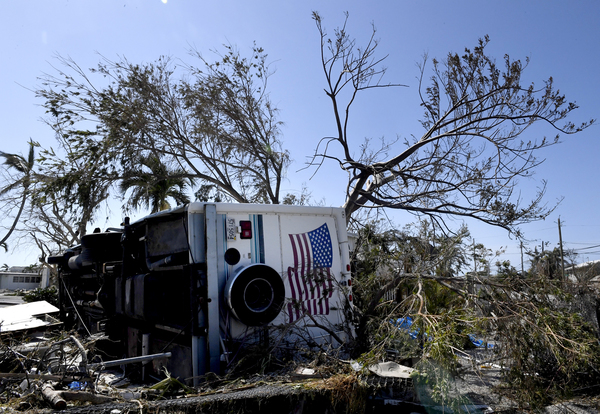
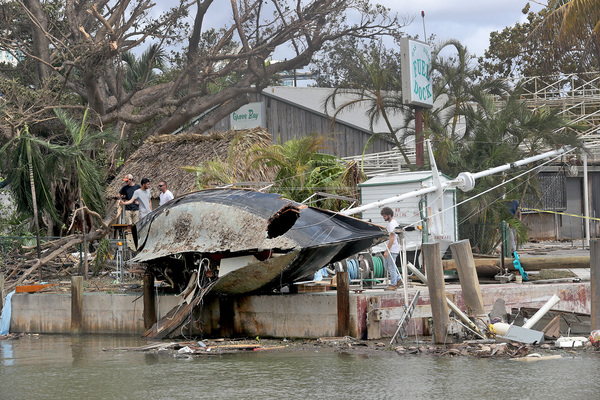
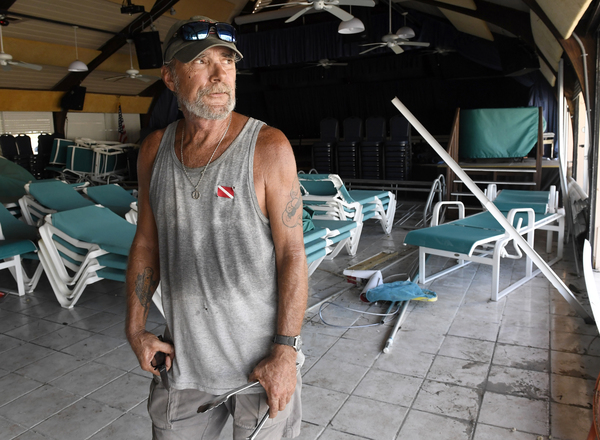
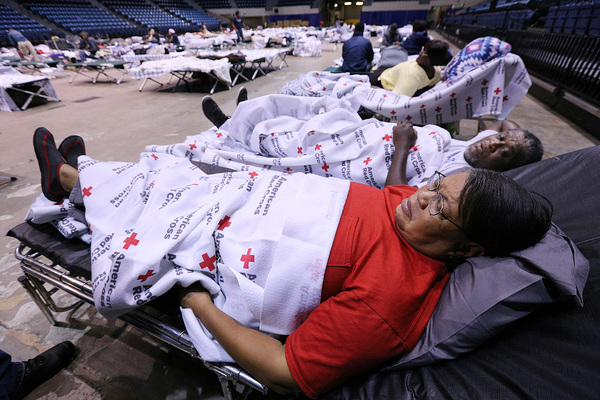
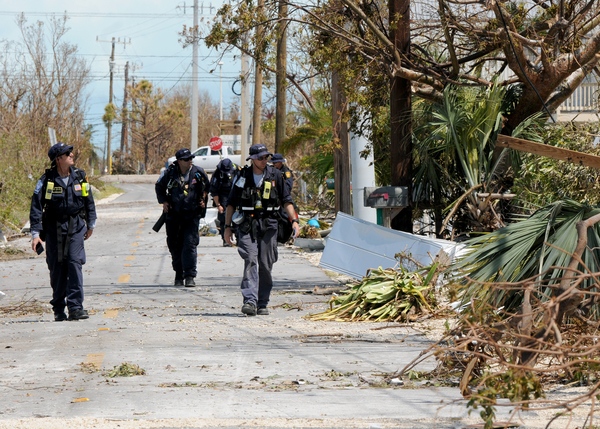
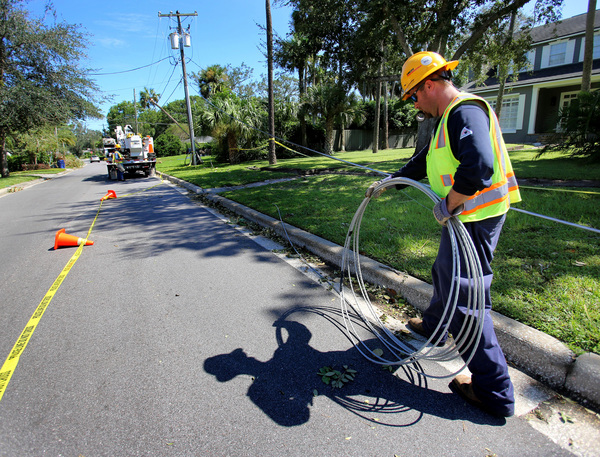
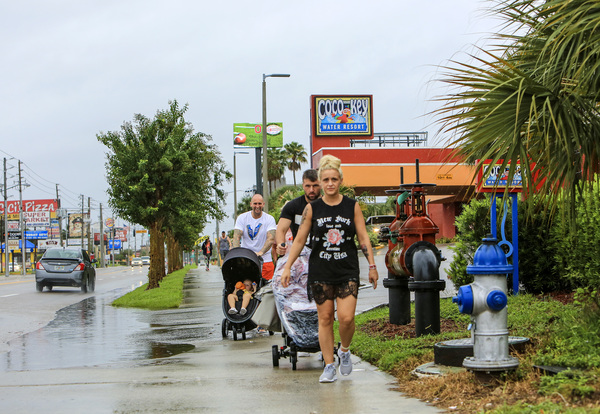
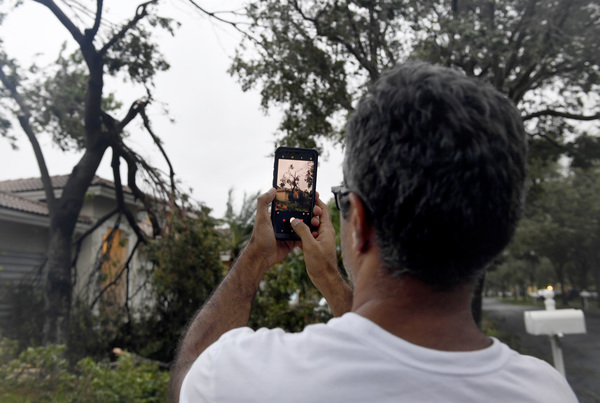
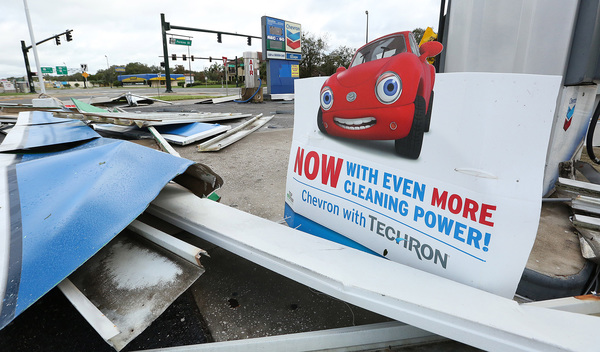
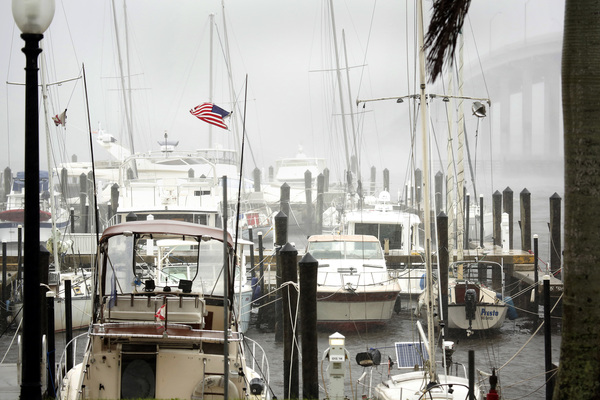
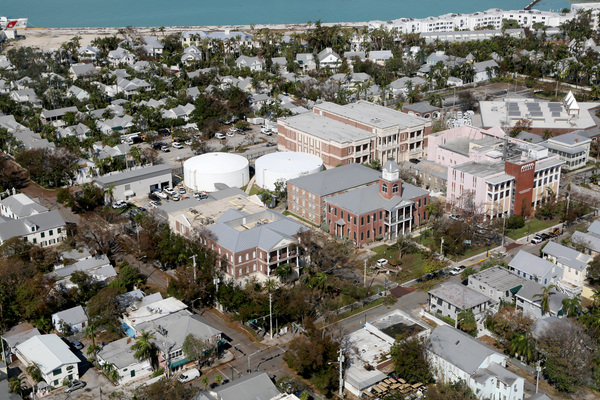
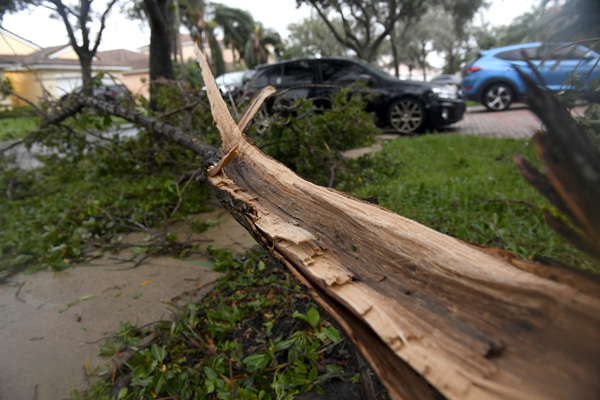
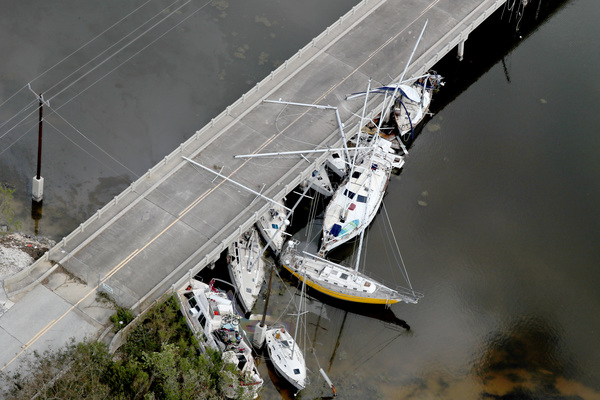
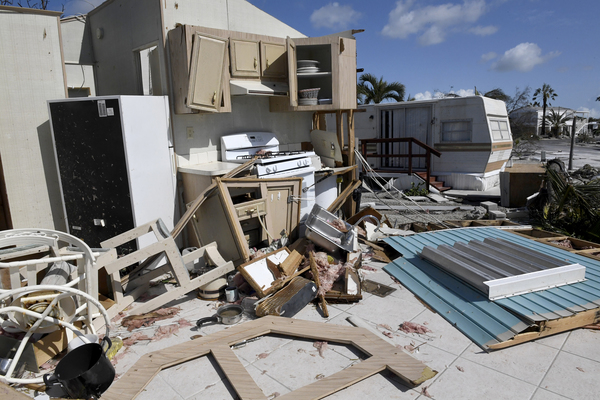
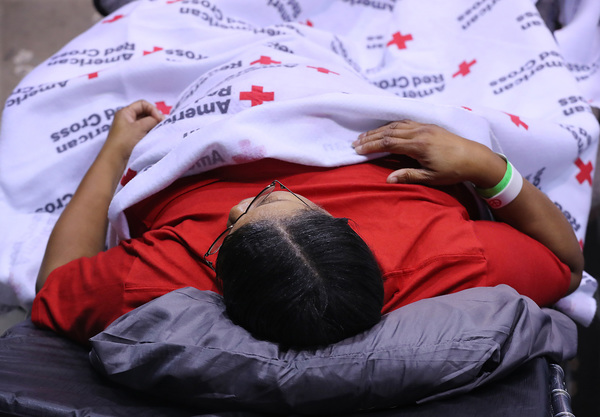
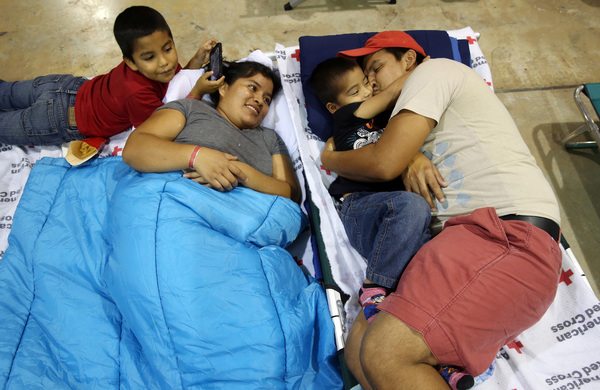
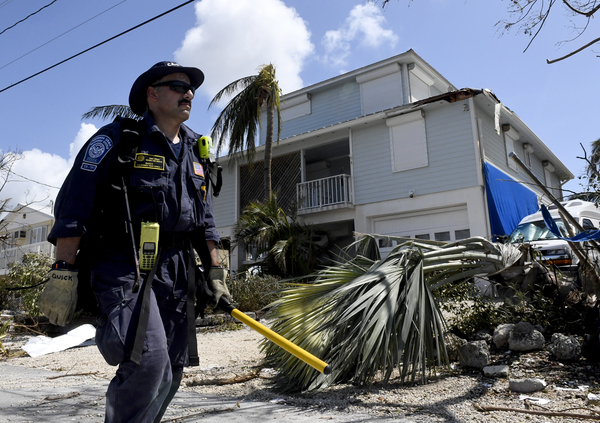
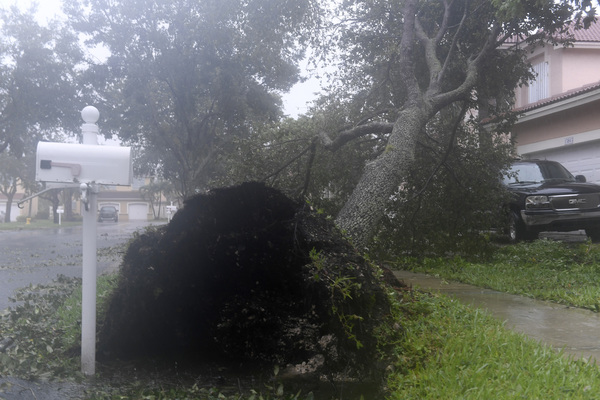
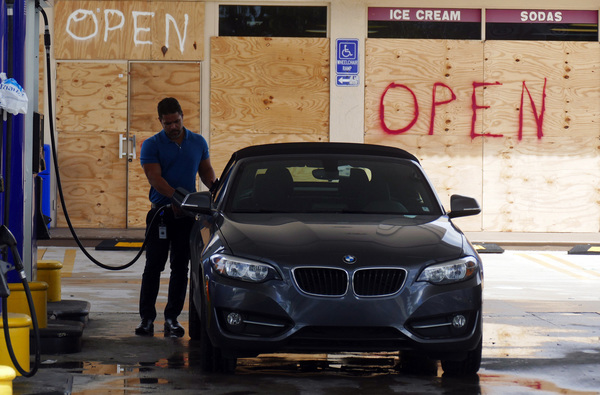
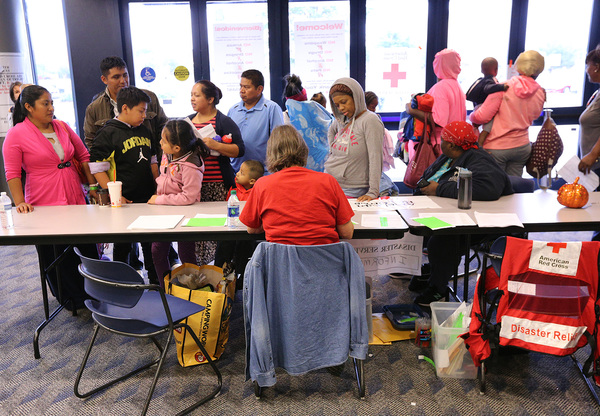
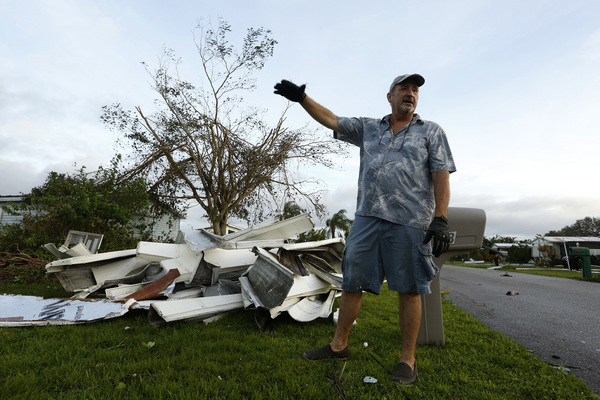
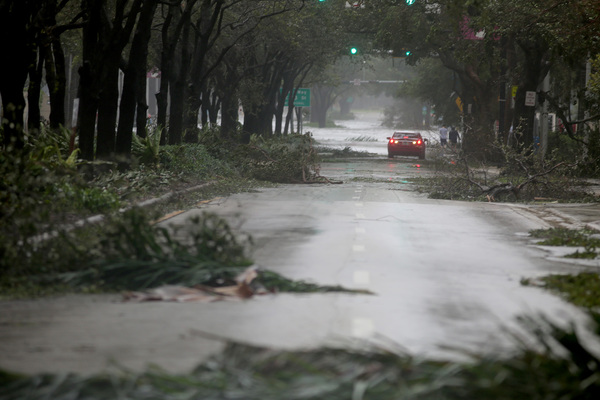
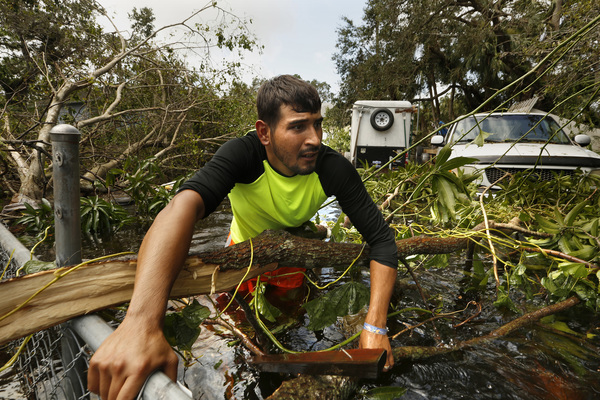
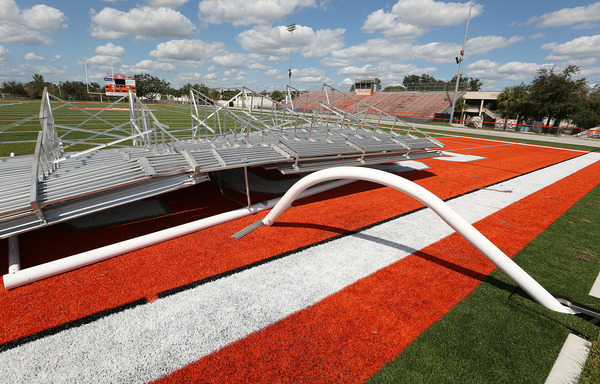
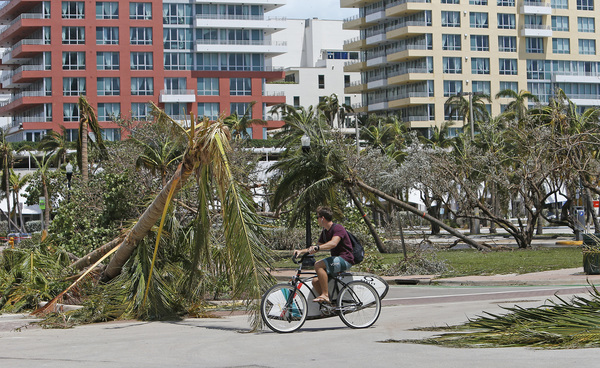
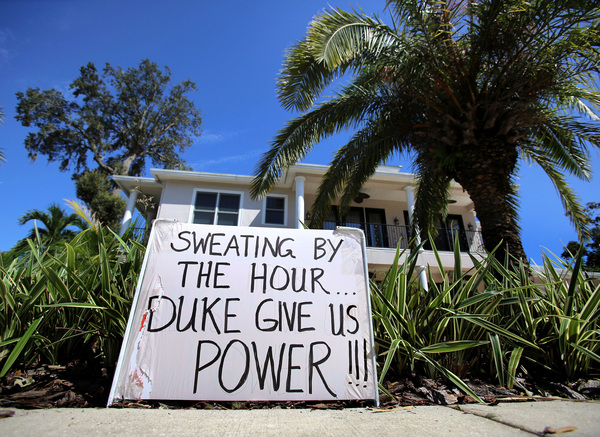
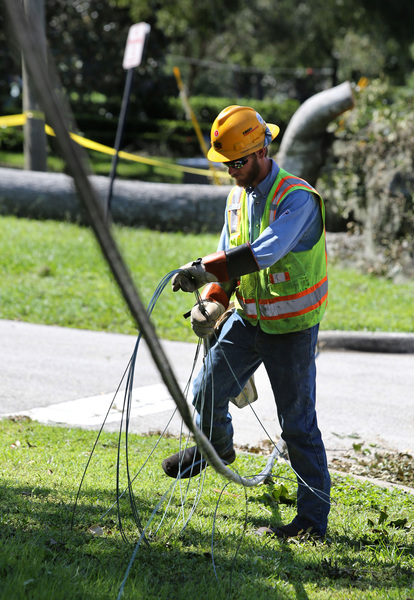
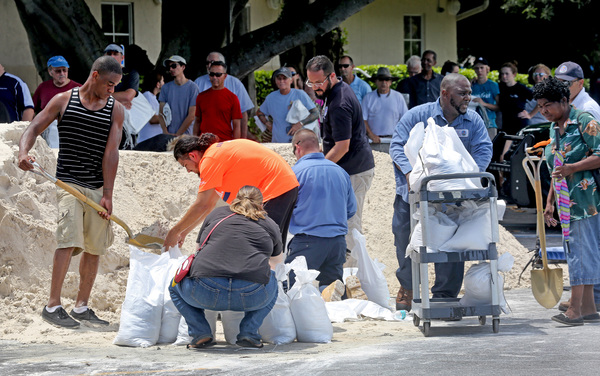
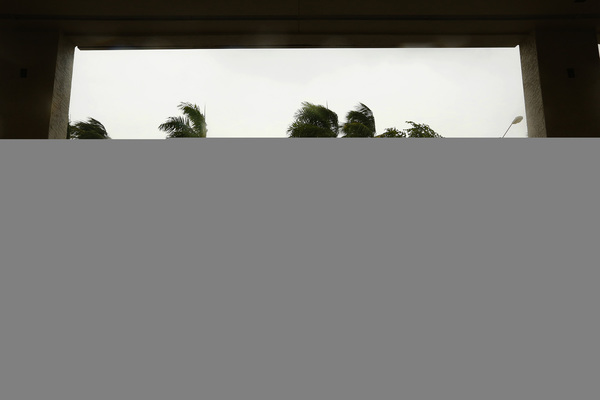
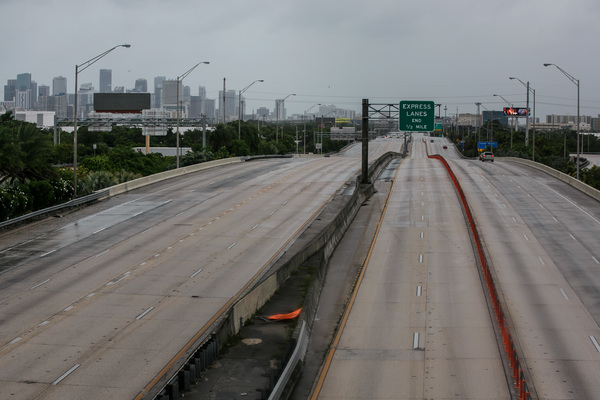
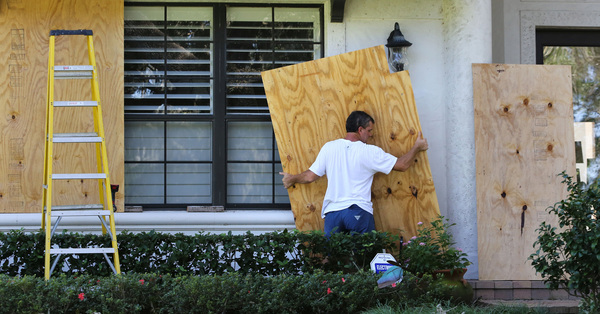
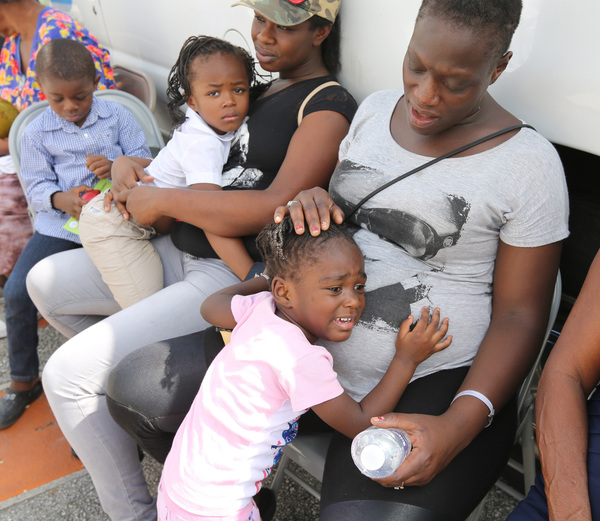
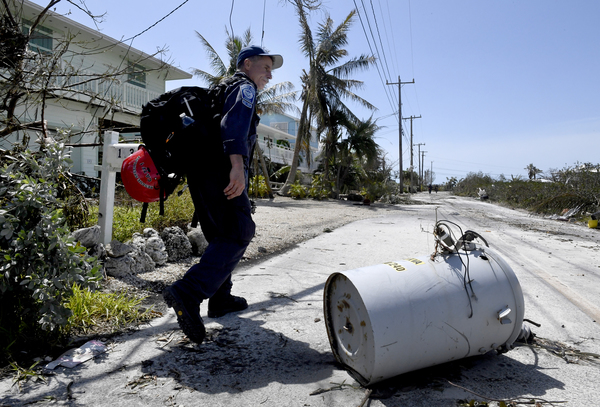
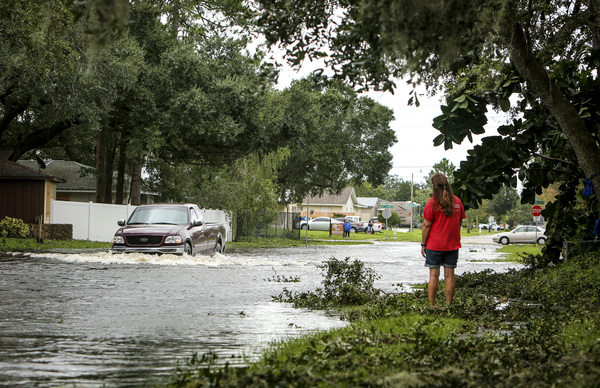
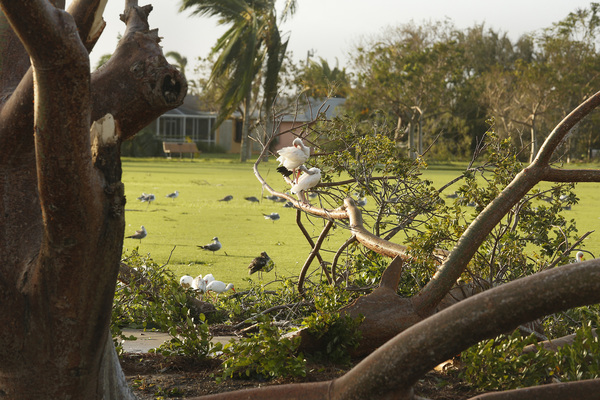
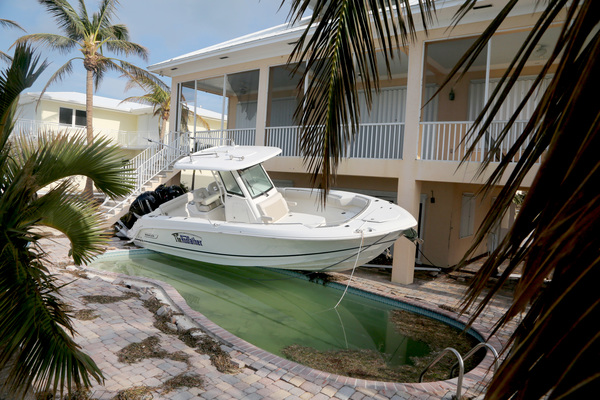
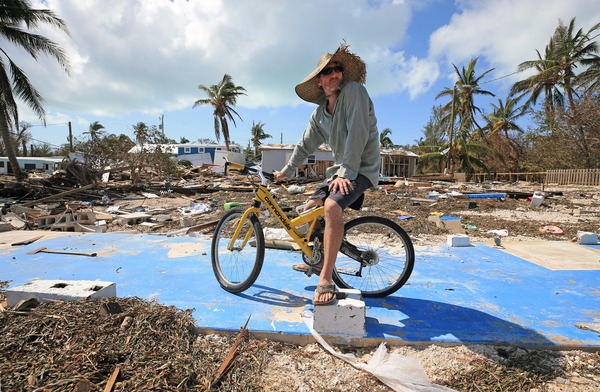
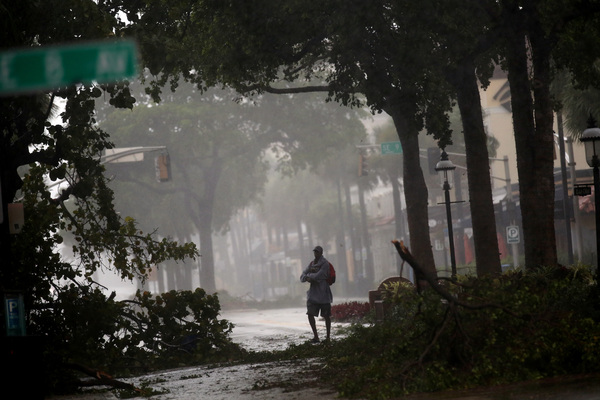
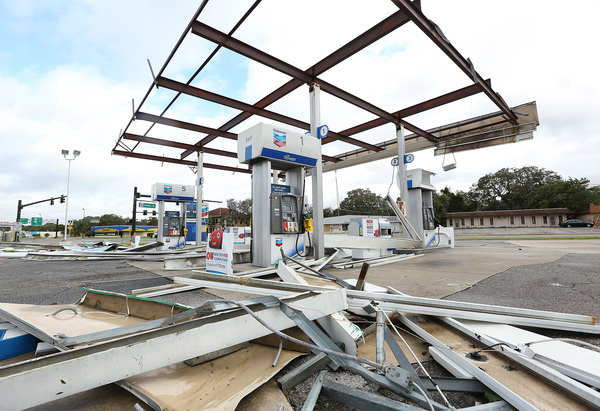
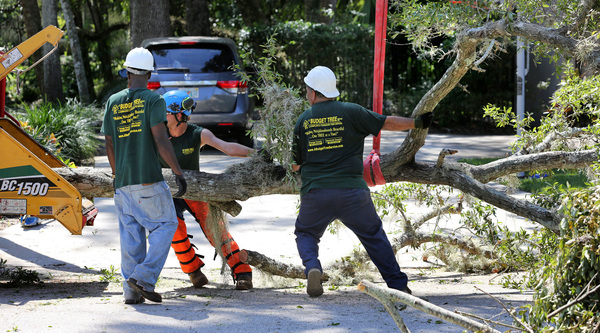
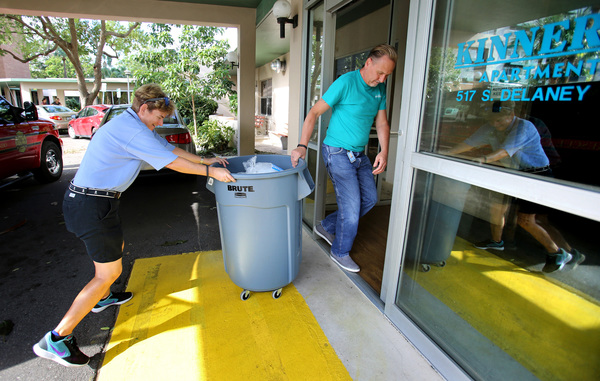
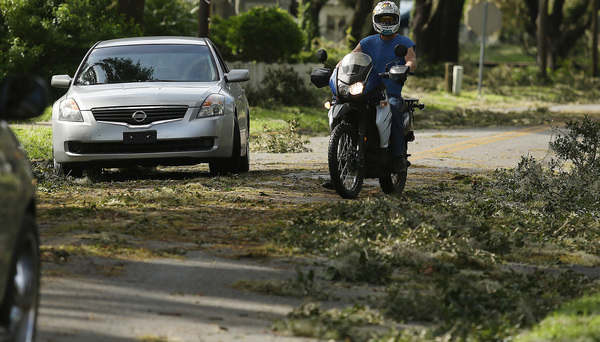
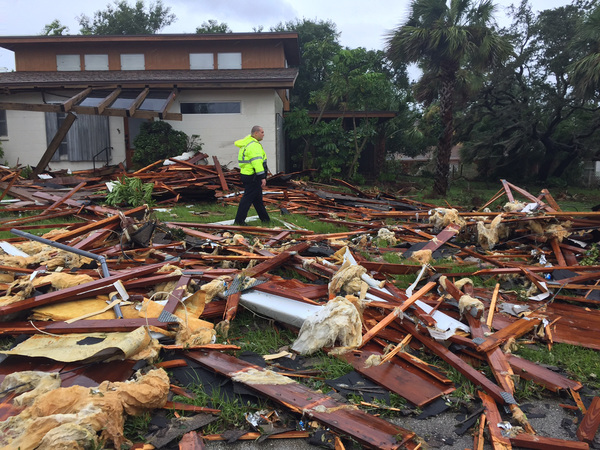
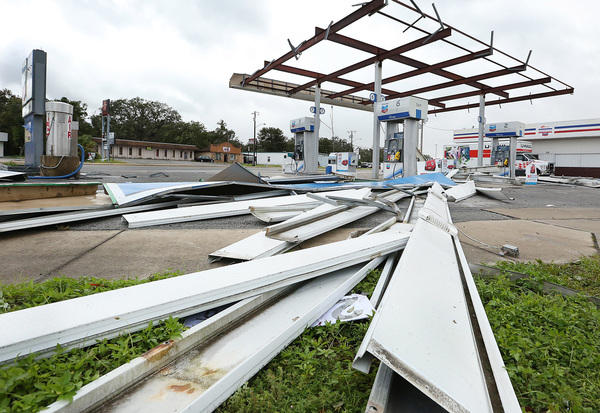
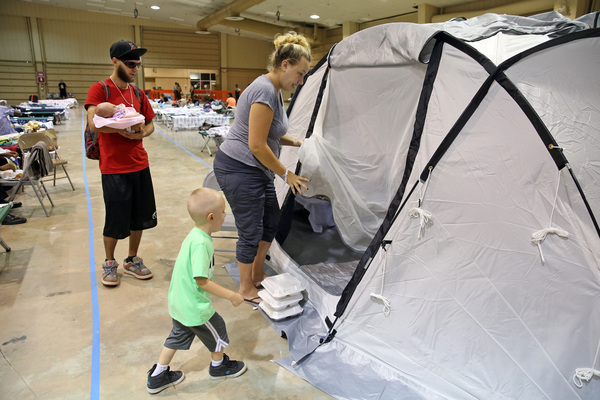
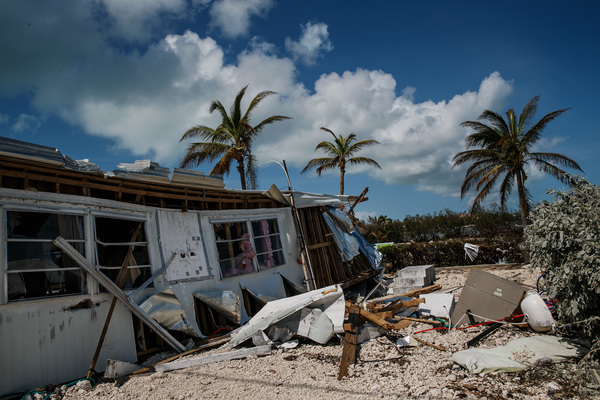
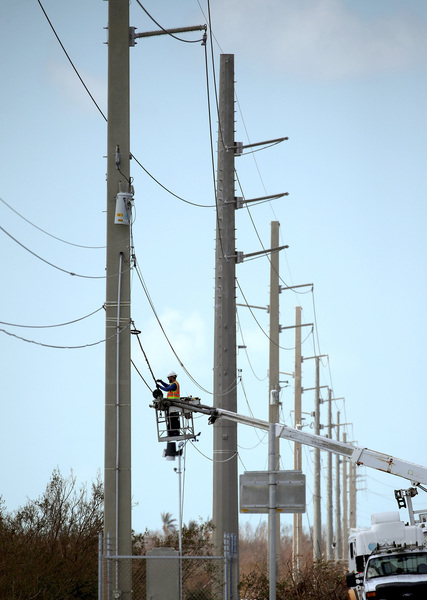
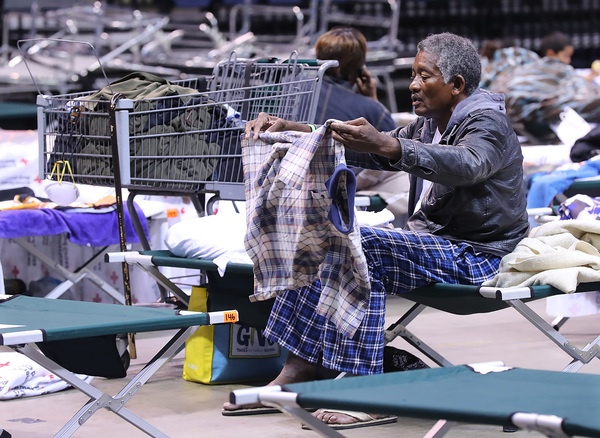
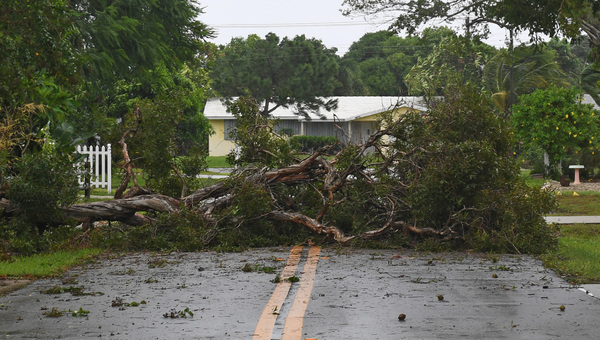
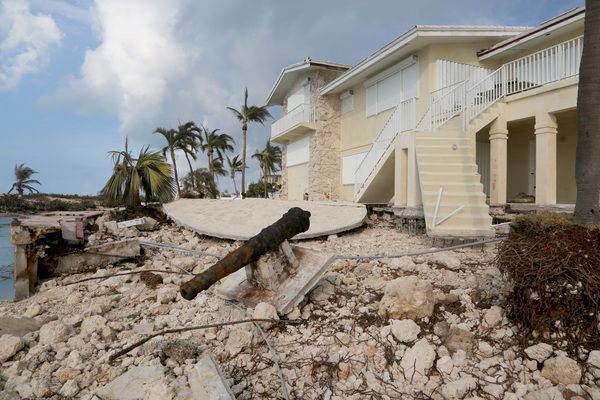
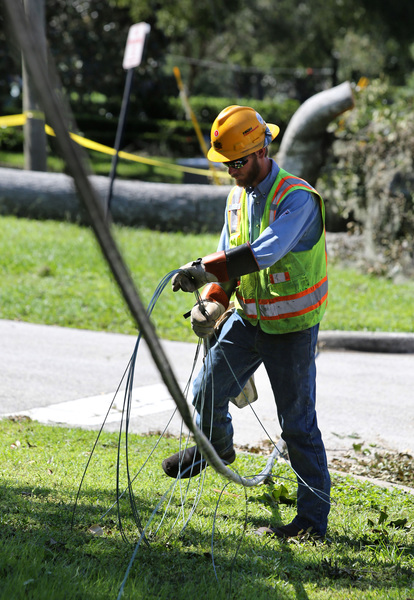
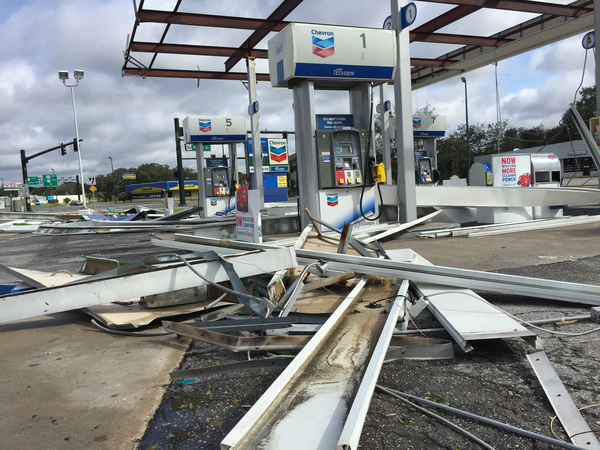
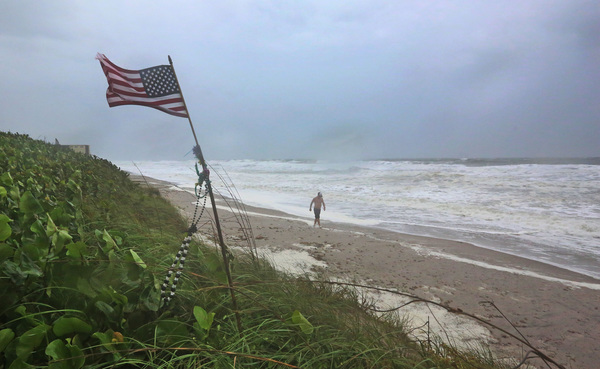
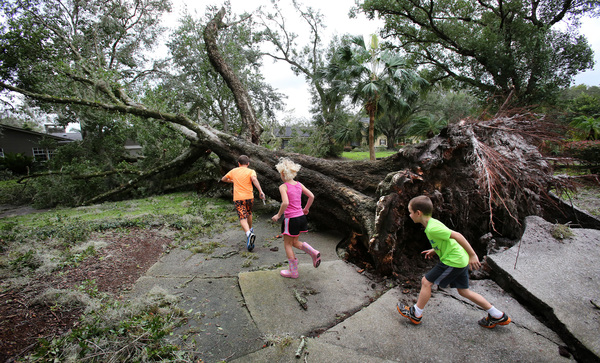
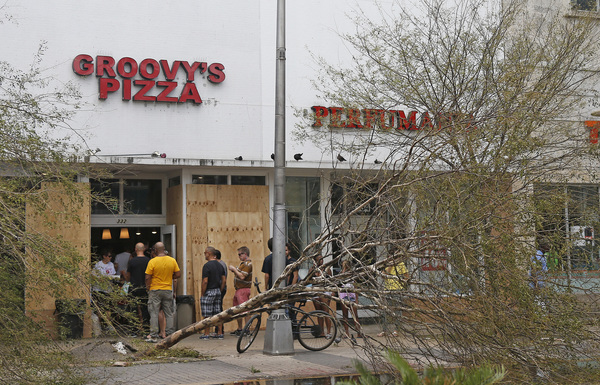
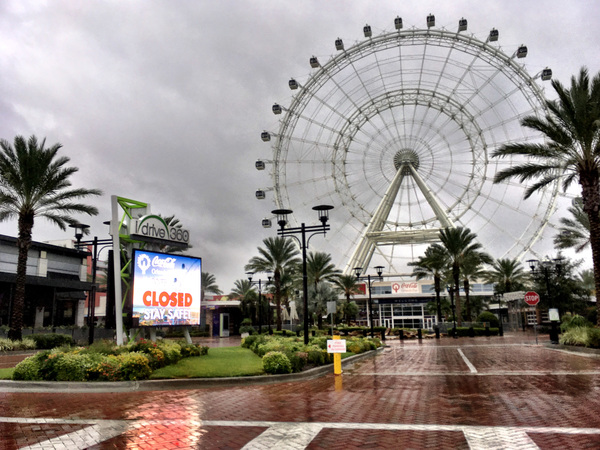
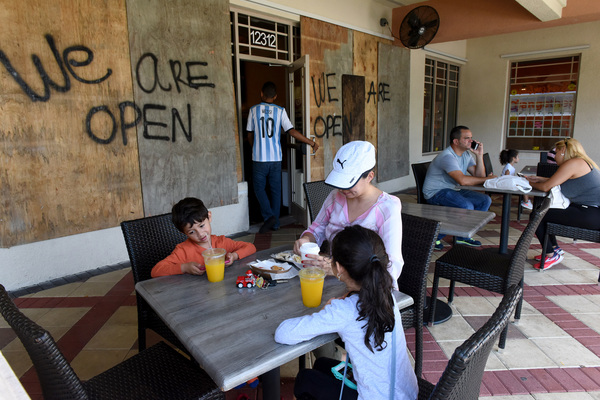
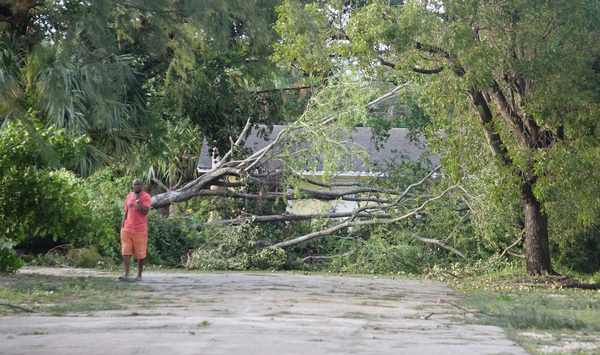
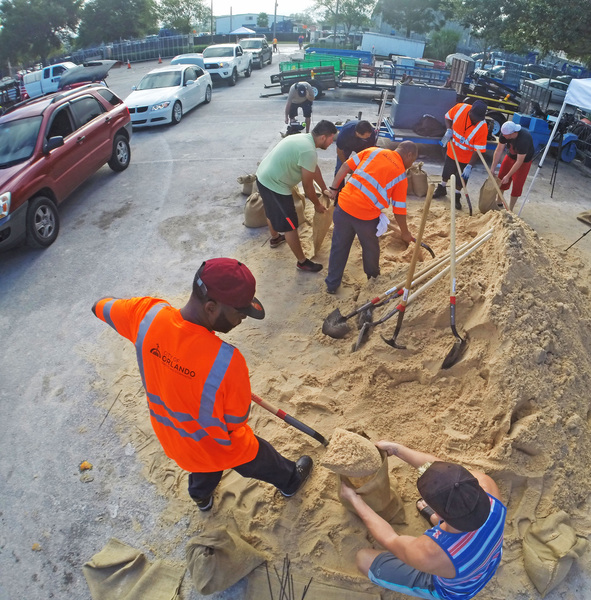
Much of the state was a jumbled tableau of overflowing shelters, boarded-up buildings and deserted streets in normally bustling urban centers. Palm trees blew sideways or snapped under the assault; tree branches flew like missiles; an estimated 1.5 million people were without power.
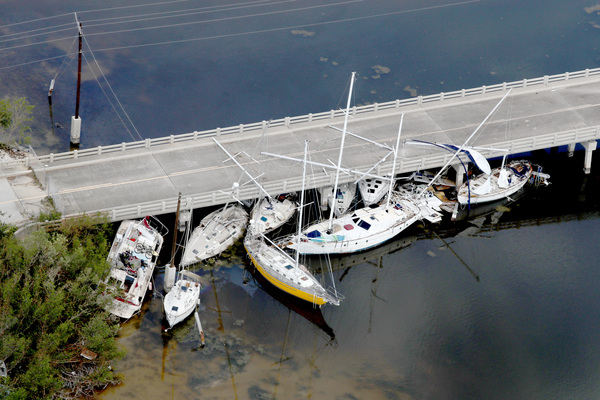
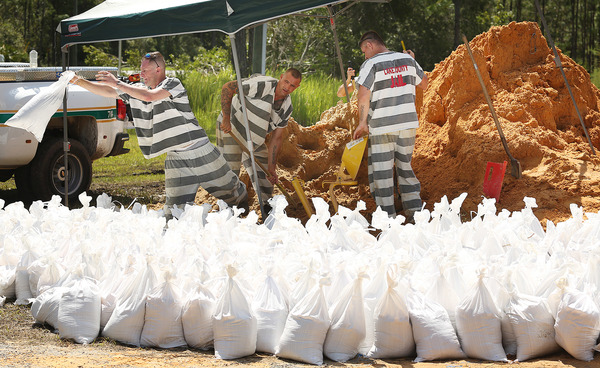
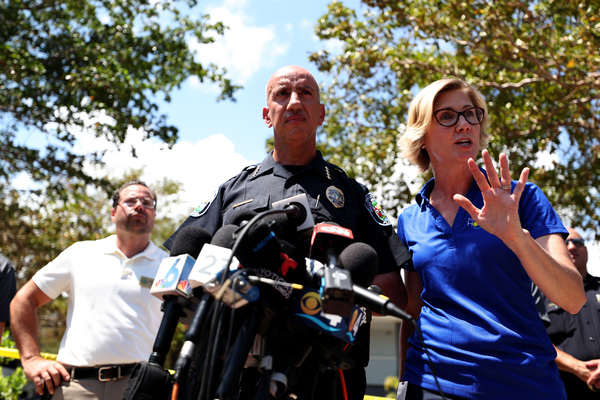
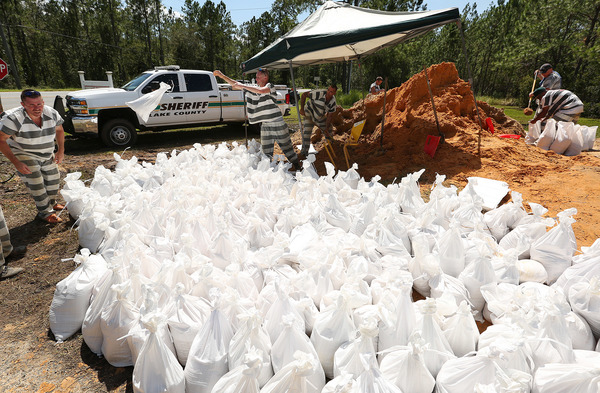
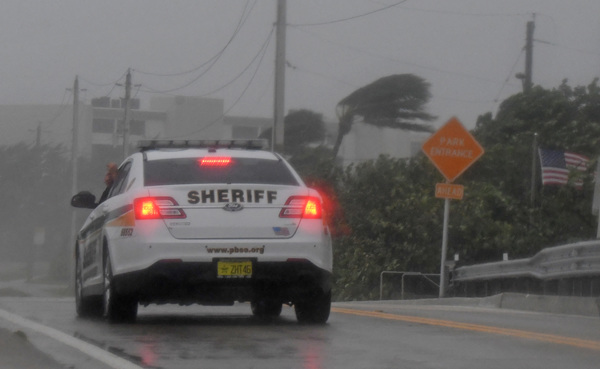
In Pinellas County, which encompasses St. Petersburg, officials braced for Irma's arrival. The St. Petersburg chief of police announced a curfew beginning at 5 p.m. Sunday, and the mayor said rescuers would not be able to respond to emergency calls once winds exceeded 40 mph. Sheriff's deputies hurried to move 1,000 inmates from the Pinellas County Jail.
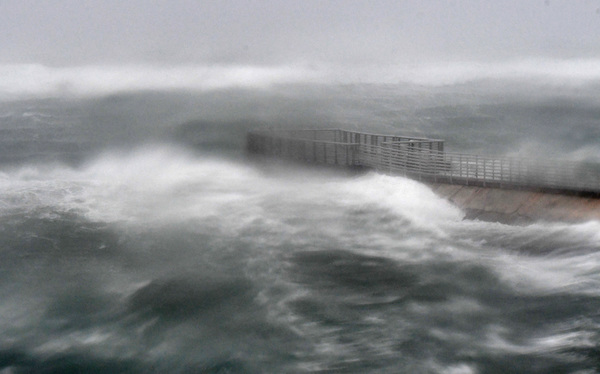
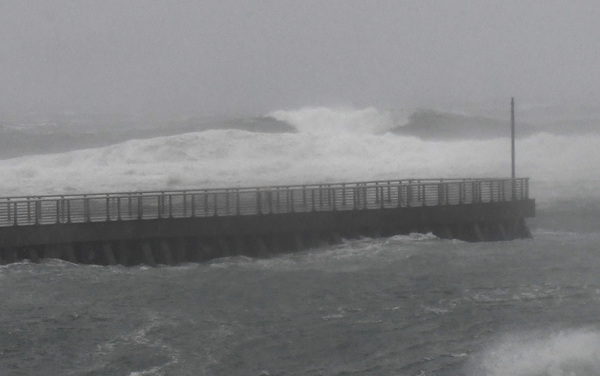
An overnight curfew was also announced in Miami, 100 miles from Irma's initial landfall in the Florida Keys. Almost horizontal sheets of rain were whipping through downtown. The wind seemed to come simultaneously from all directions.
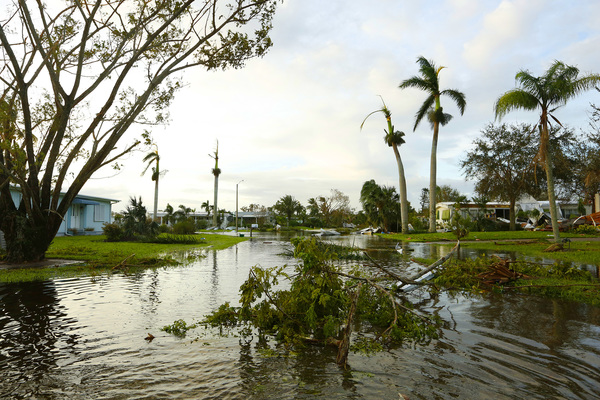
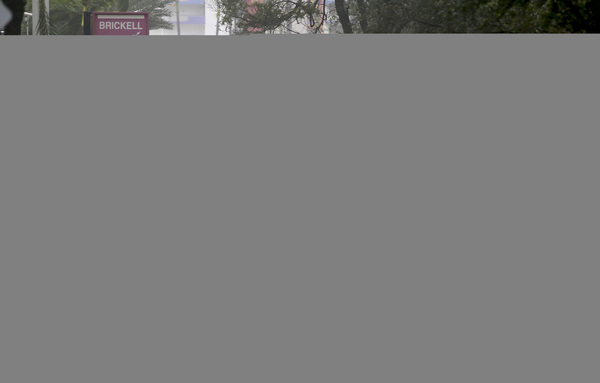
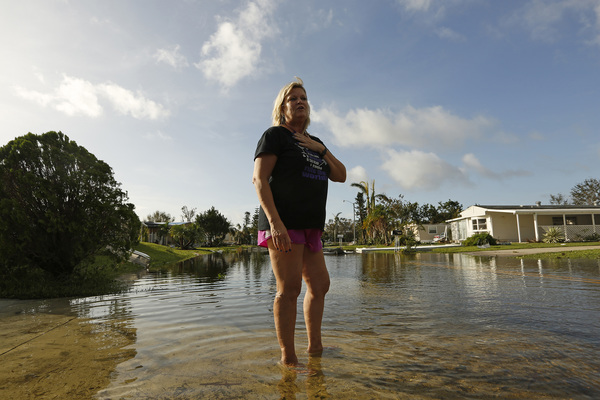
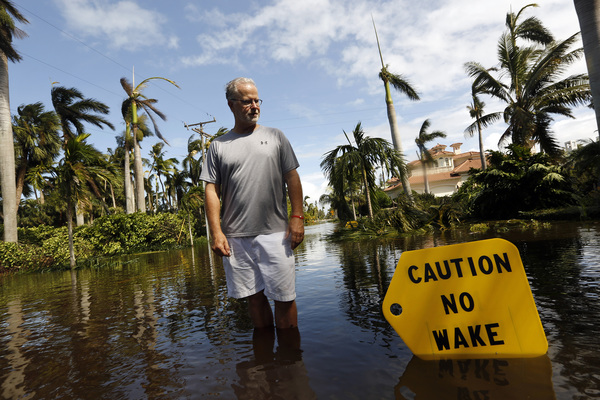
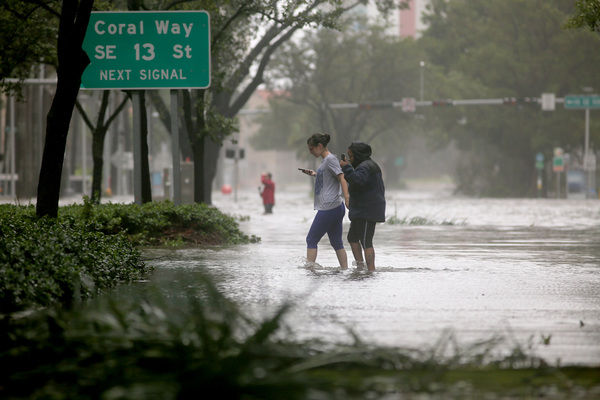
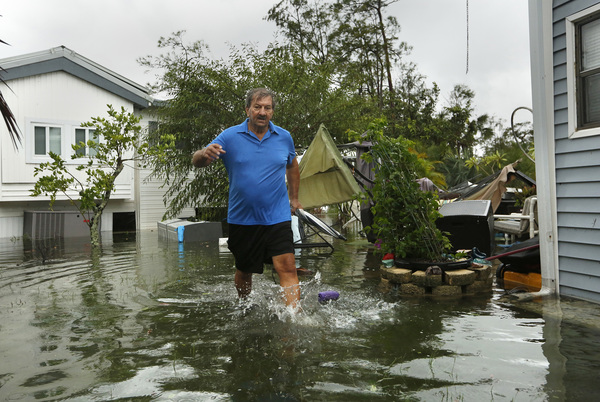
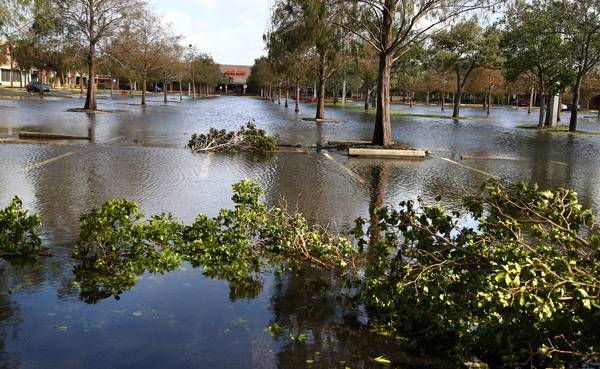
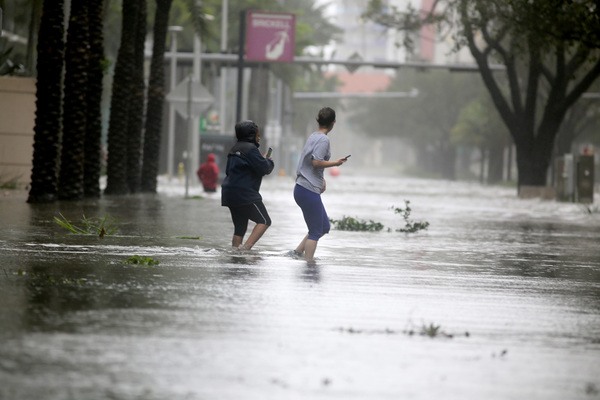
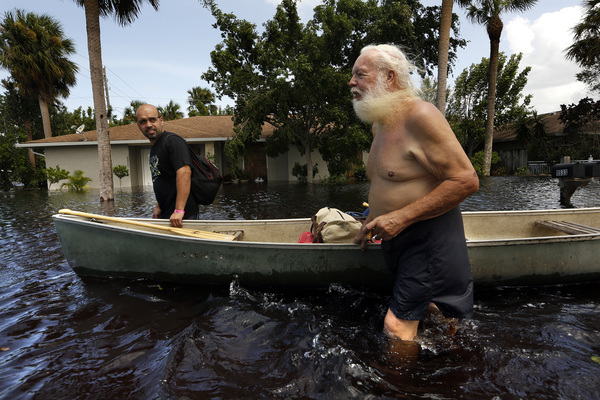
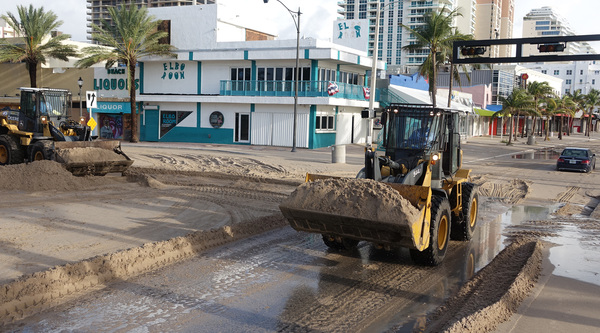
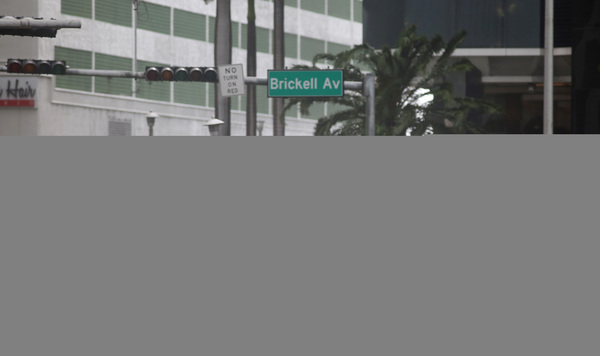
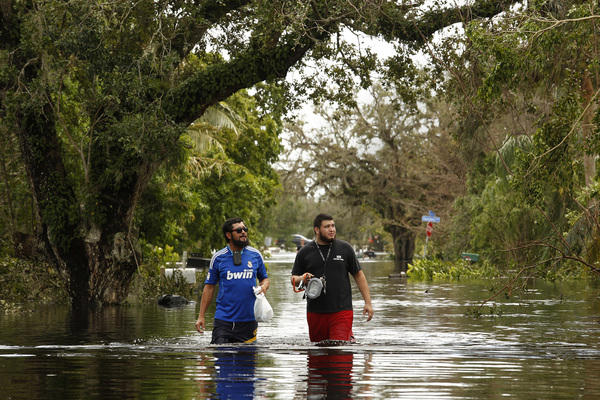
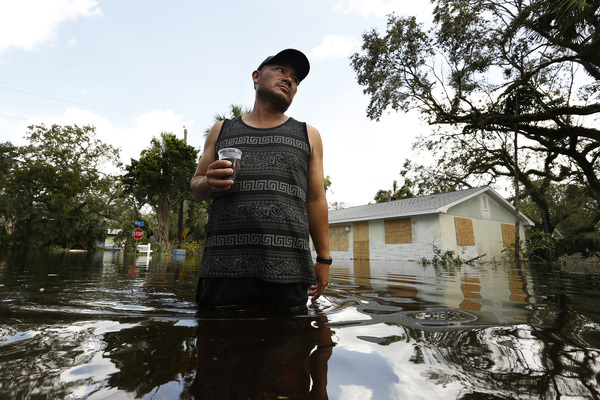
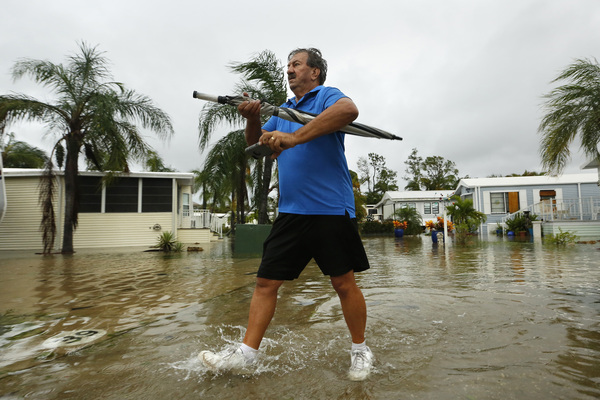
Even before the height of the storm, parts of central Miami began filling with floodwaters. Whitecaps were visible on Brickell Avenue, a main north-south waterfront artery, and other major streets flooded as well.
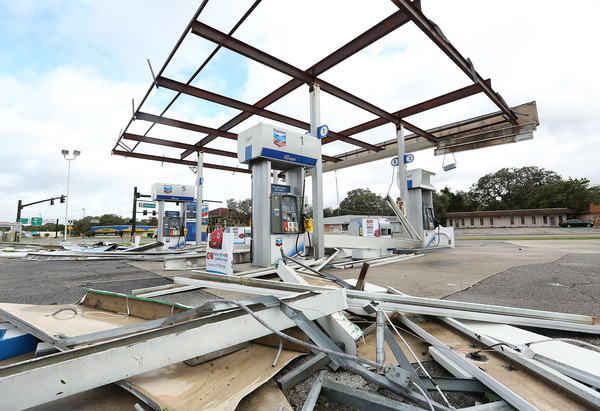
The wind weaponized debris and even coconuts from palm trees, and powerful gusts threatened two dozen construction cranes dotting Miami. Two of them collapsed in Sunday's winds, officials said.
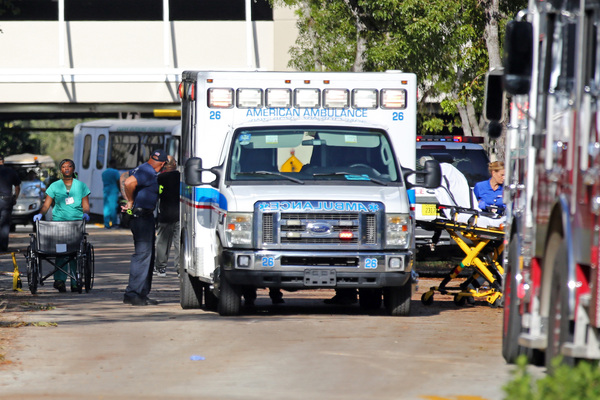
Even during the storm's ravages came small points of light. A woman in Miami's Little Haiti neighborhood went into labor and emergency responders were unable to reach her, so doctors coached her through the birth by phone, the city of Miami reported on Twitter. Sunday morning, mother and baby _ a girl _ were safely transported to Jackson Hospital by fire crews, the city reported.
The storm posed unprecedented peril to all of Florida, whose peninsula is only 140 miles across _ the monster hurricane is more than twice that width. Irma's westward tack spared Miami a direct blow, but enormous storm surges threatened the city. Tornado warnings were issued for several South Florida counties, including populous Miami-Dade and Broward, and some inland counties in central Florida, as far north as Polk County.
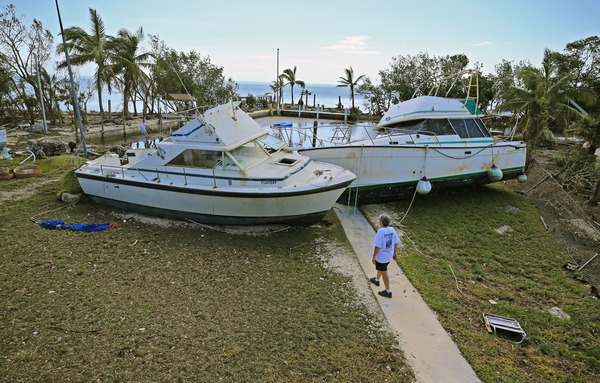
Gov. Rick Scott referred to a huge storm that roared across South Florida a quarter-century ago, Hurricane Andrew. "This is like Andrew, but this is Andrew for a whole state," Scott said on CBS's "Face the Nation."
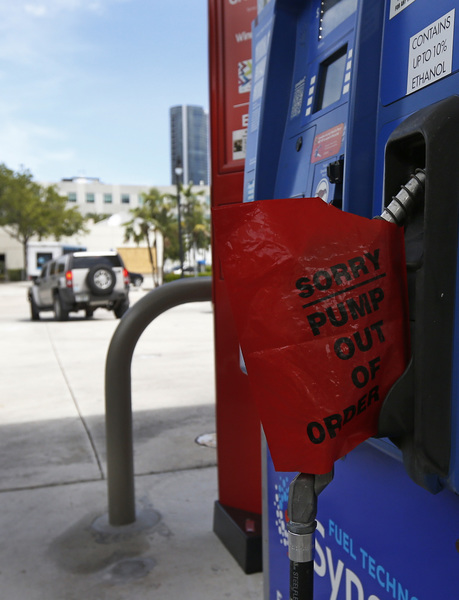
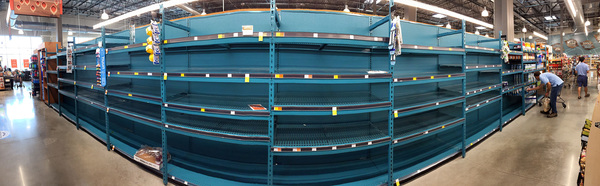
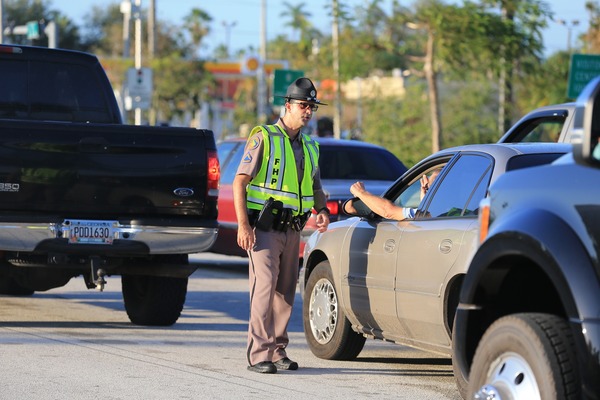
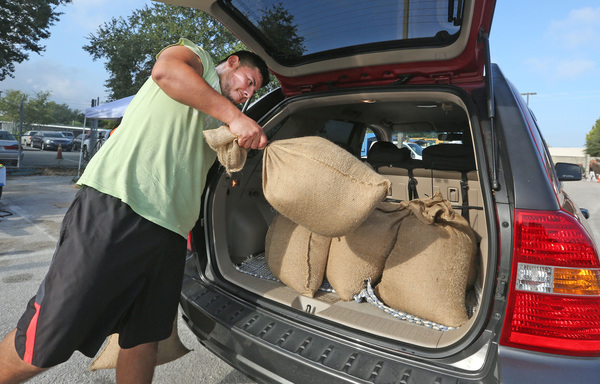
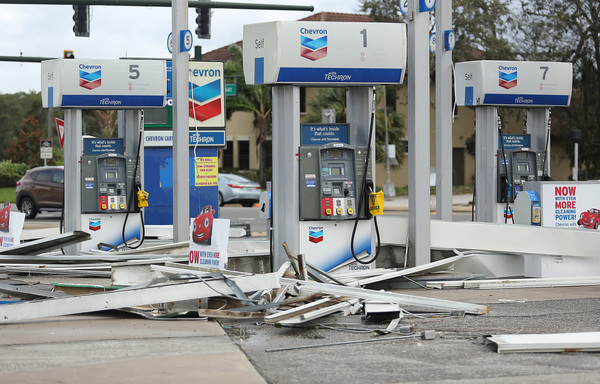
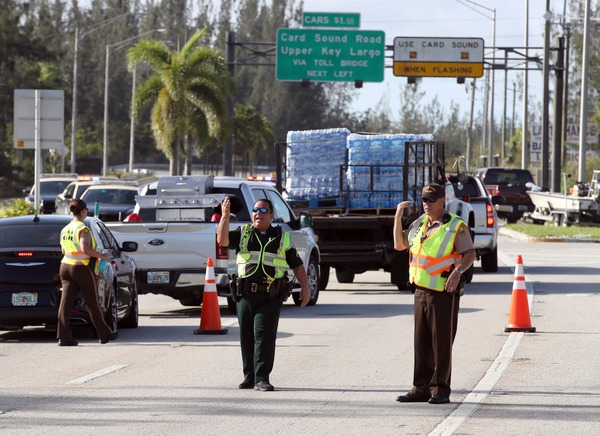
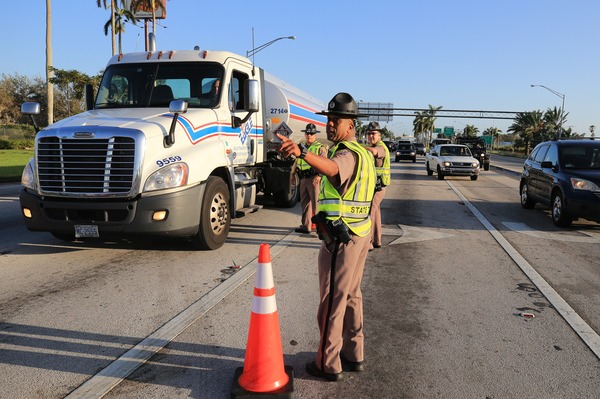
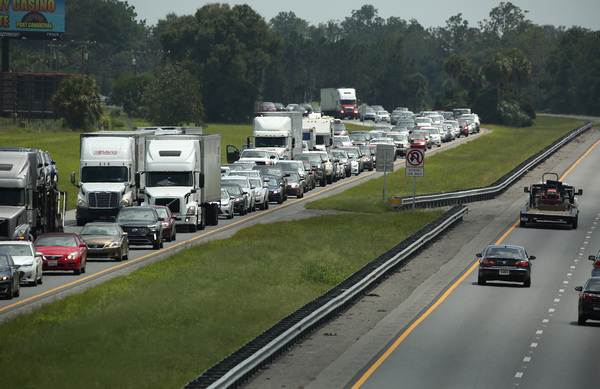
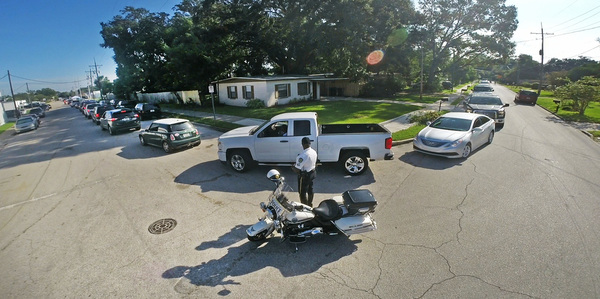
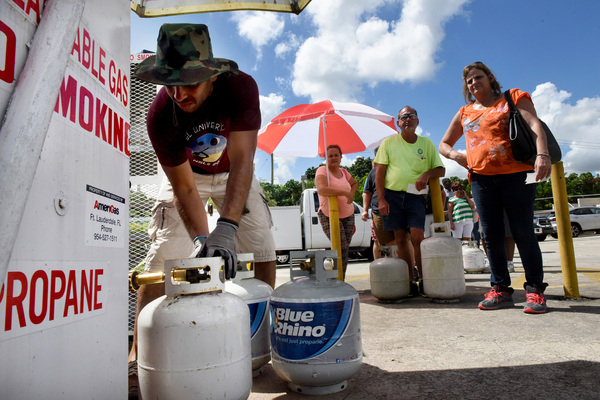
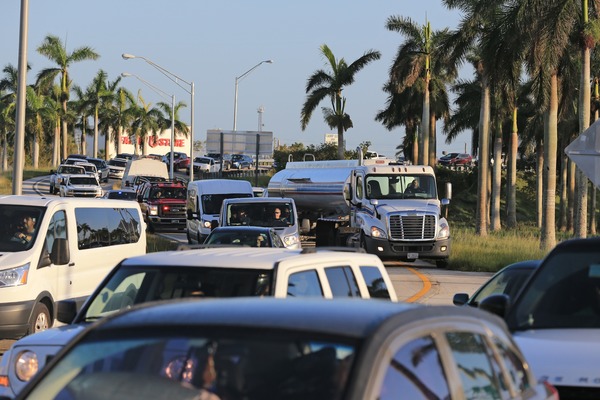
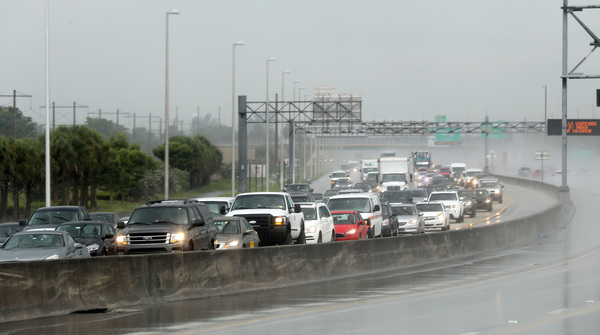
In Florida alone, more than 6.5 million people were told to flee, leading to days of jam-packed highways and frantic searches for gasoline amid one of the nation's largest emergency evacuations ever. More than half a million others were ordered to evacuate in Georgia.
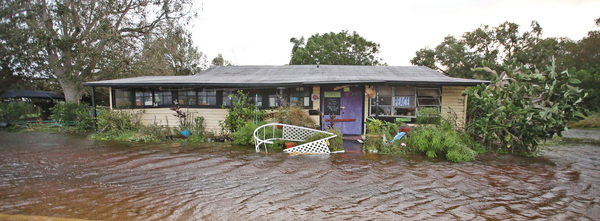
In downtown Fort Myers, on Florida's southwest coast, street signs ???flapped violently in the wind. Sheets of rain came down sideways. The hurricane's leading edge was so strong that it was hard to walk a block. Ominously, the Caloosahatchee River's level had dropped sharply, likely heralding a storm surge.
Some seemed ill-equipped to face an epic storm.
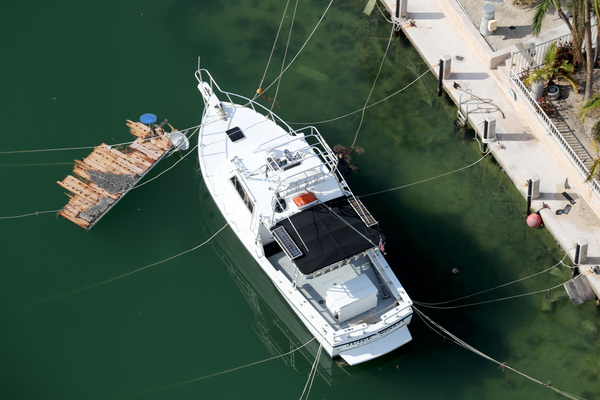
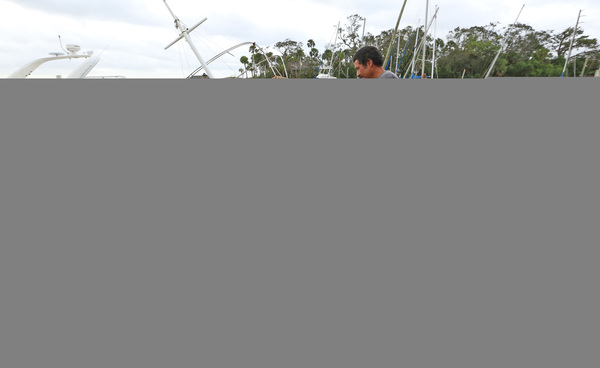
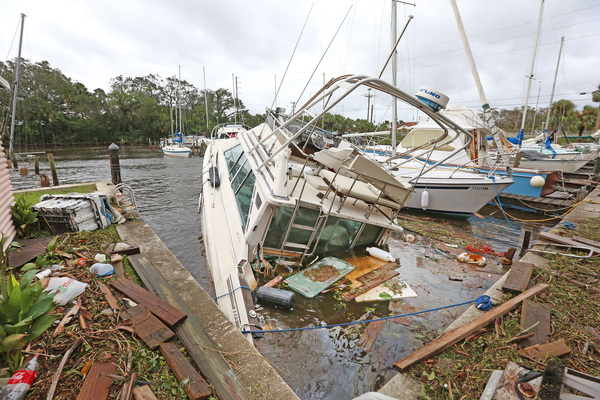
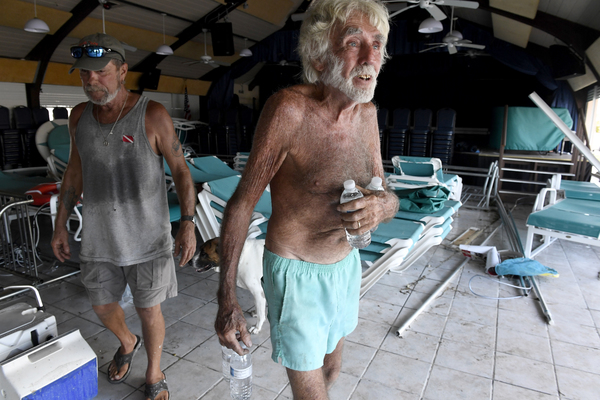
"I got rum, cheese, tortillas," said Michael Gandy, a sunburned 77-year-old, who was keeping an eye on his boat from a marina-side apartment complex in Fort Myers.
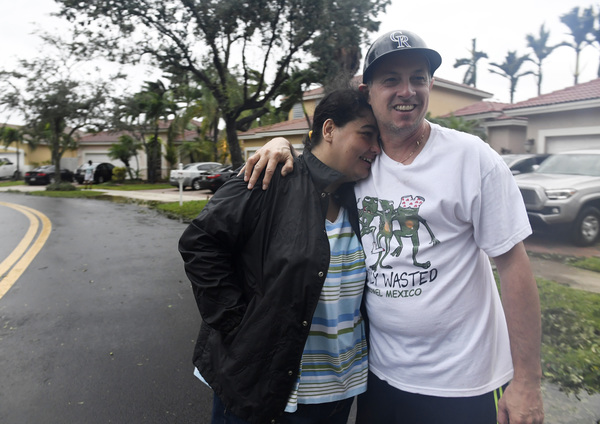
People who had left everything they owned behind could only worry and wait as the wind and water reached a crescendo.
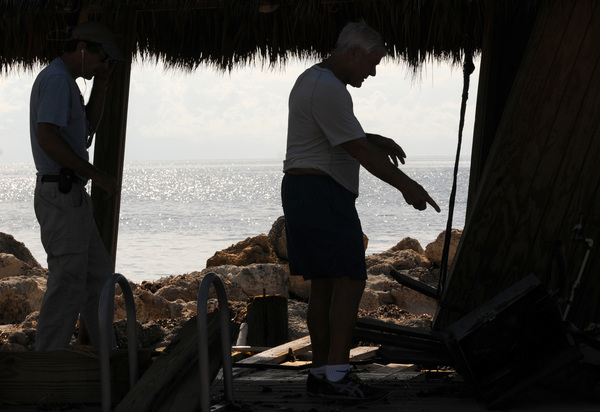
"I'm worried I won't have a house to go back to," said Diana Frana, who fled her canal-side home in Cape Coral, on Fort Myers' outskirts.
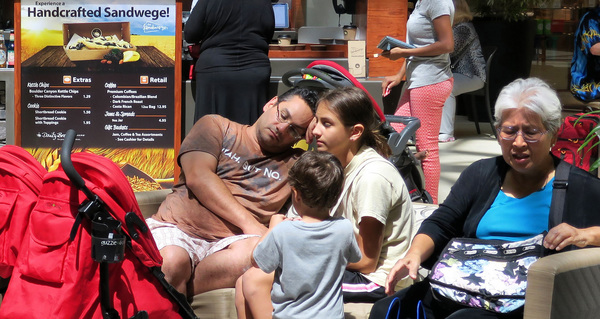
Florida's lifeblood is tourism, so the storm-stranded included many from out of state _ and from outside the U.S. An Argentine family, the Mureoccas, spent a week at Disney World, but were thwarted when they tried to fly back to Buenos Aires after visiting Miami Beach.
"It's not what we planned," said Leonardo Mureocca, who was stuck at a hotel near Miami's airport with his wife and two daughters, 8 and 12. "This is our first hurricane _ we don't have this kind of thing."
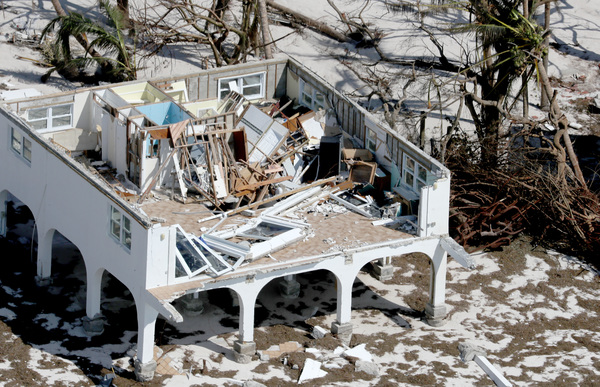
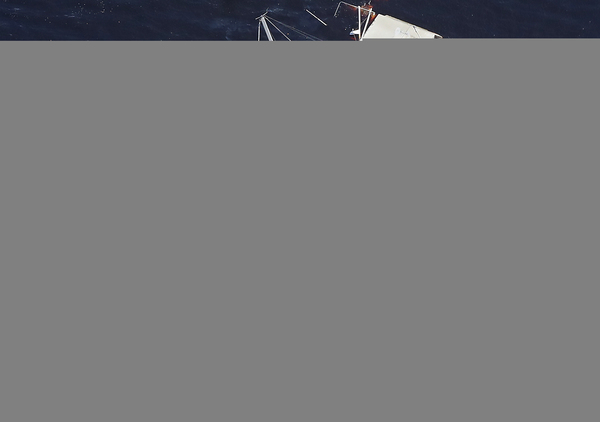
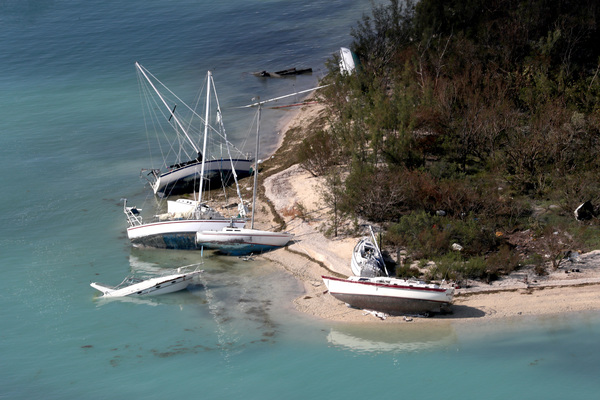
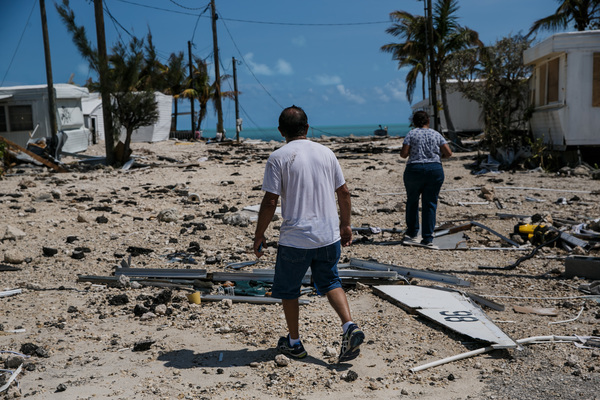
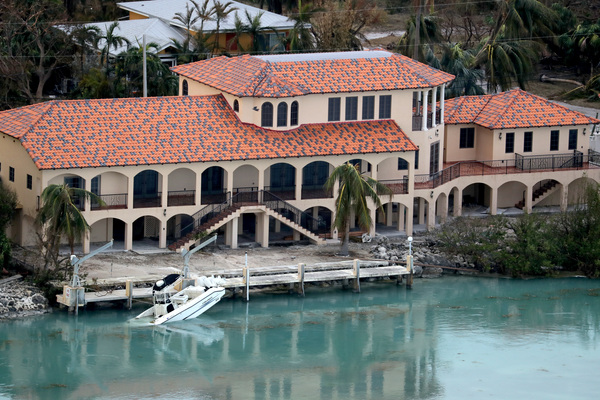
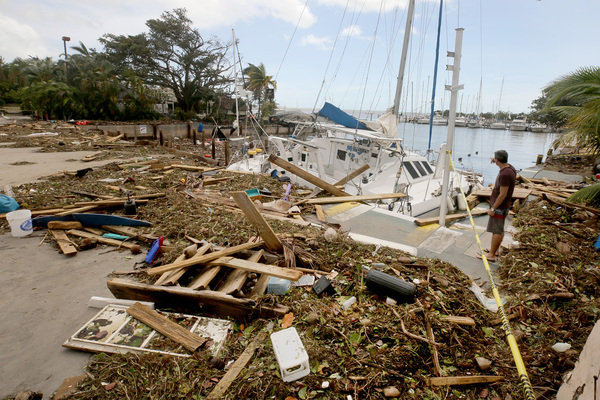
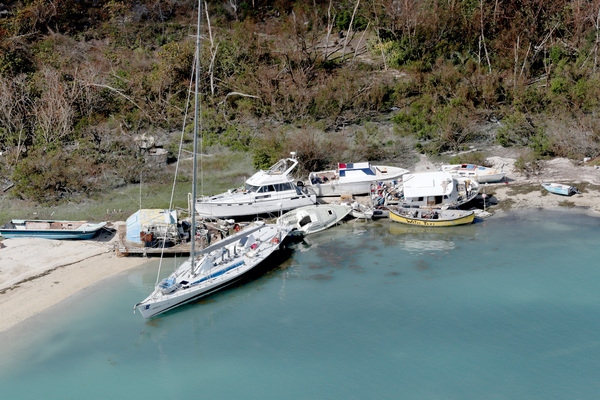
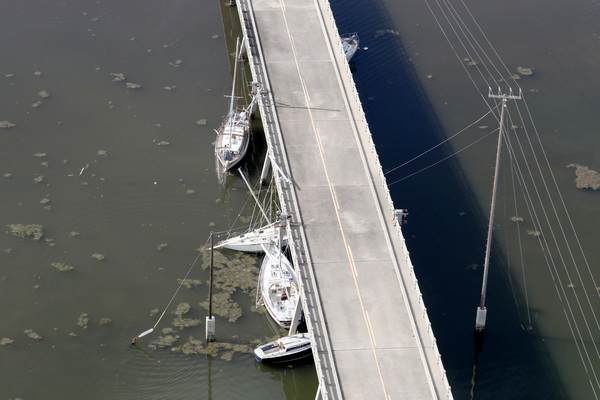
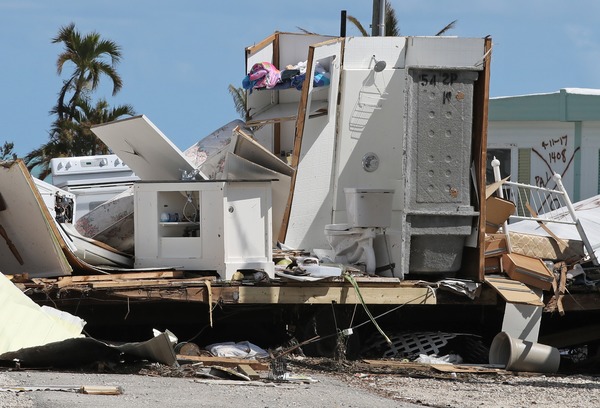
Floridians had already had a grim preview of Irma's fury: The storm's destructive power was on full display last week as it left a trail of destruction across the eastern Caribbean, barreling up through the palm-fringed Leeward Islands and killing at least two dozen people.
After briefly weakening, Irma again gained power over the warm Florida Straits, returning to Category 4 status. The current track called for it to hit the vulnerable cities of Tampa and St. Petersburg, a zone with a population of about 3 million, on Monday, which would be the first direct hit on the area by a hurricane in nearly a century.
More than 36 hours after being pummeled by what was still then a Category 5 storm, a shaken Cuba was still assessing the damage Sunday. Initially, the storm had not been expected to hit there, but it passed directly over a string of islands off the northern coast.
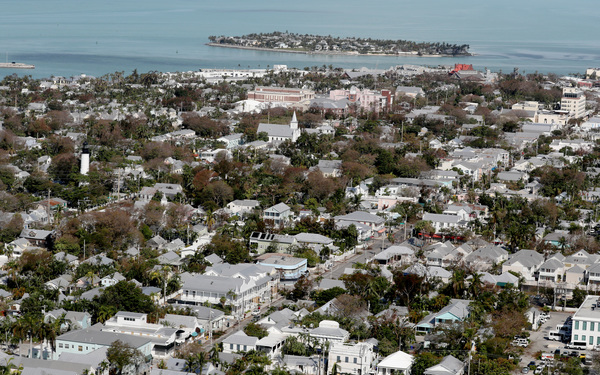
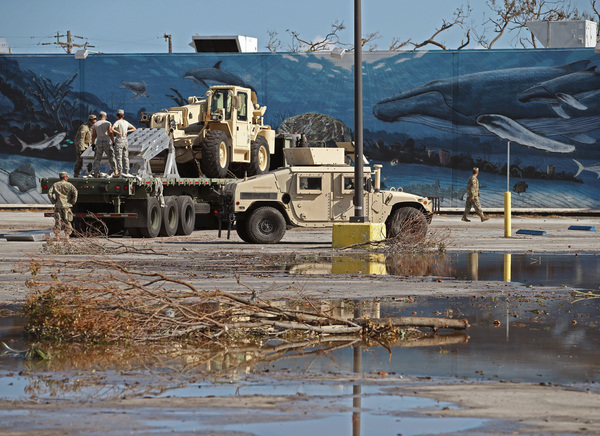
Even while the storm raged, there were sober assessments of a long and painful recovery for the storm zone on the U.S. mainland. Sen. Bill Nelson, D-Fla., speaking on CNN, said weeks and months of disruption are to be expected.
"This storm has covered the whole state of Florida," he said, predicting a "slow slog" back to any semblance of normalcy.
����

(McDonnell reported from Miami, and King reported from Washington. Special correspondent Les Neuhaus contributed from Miami.)