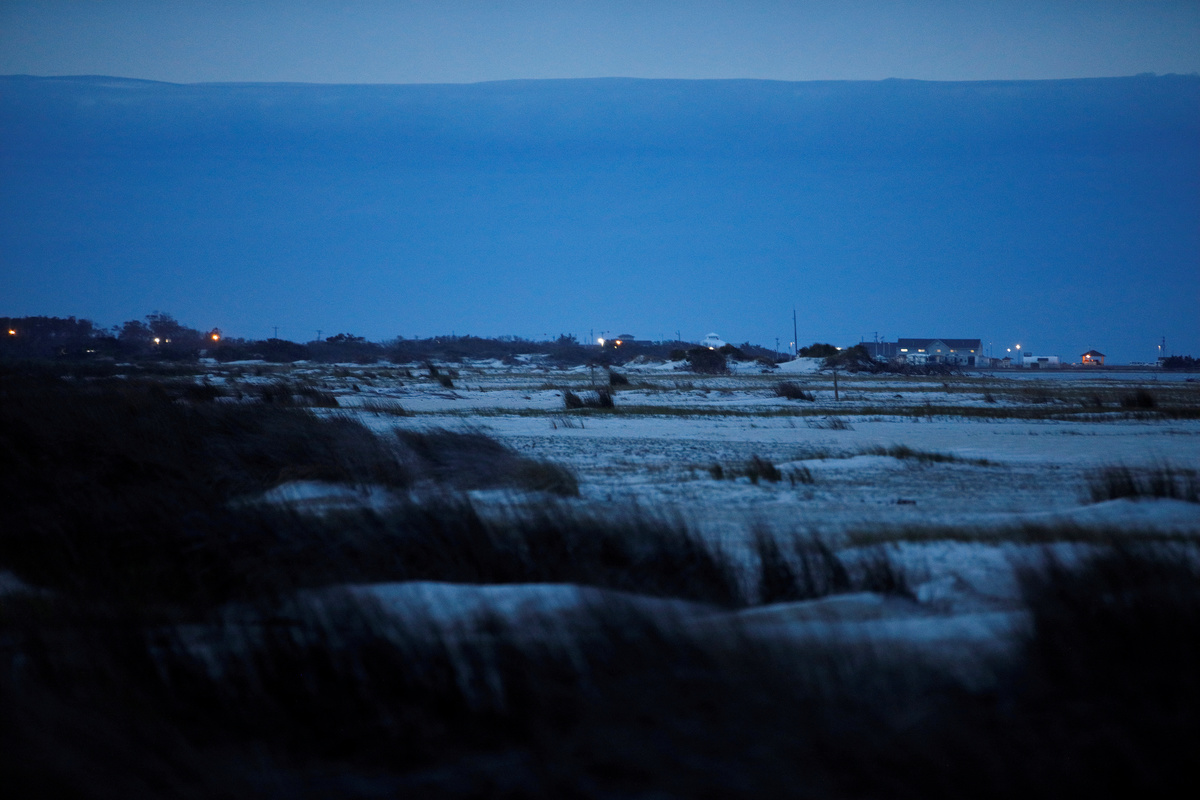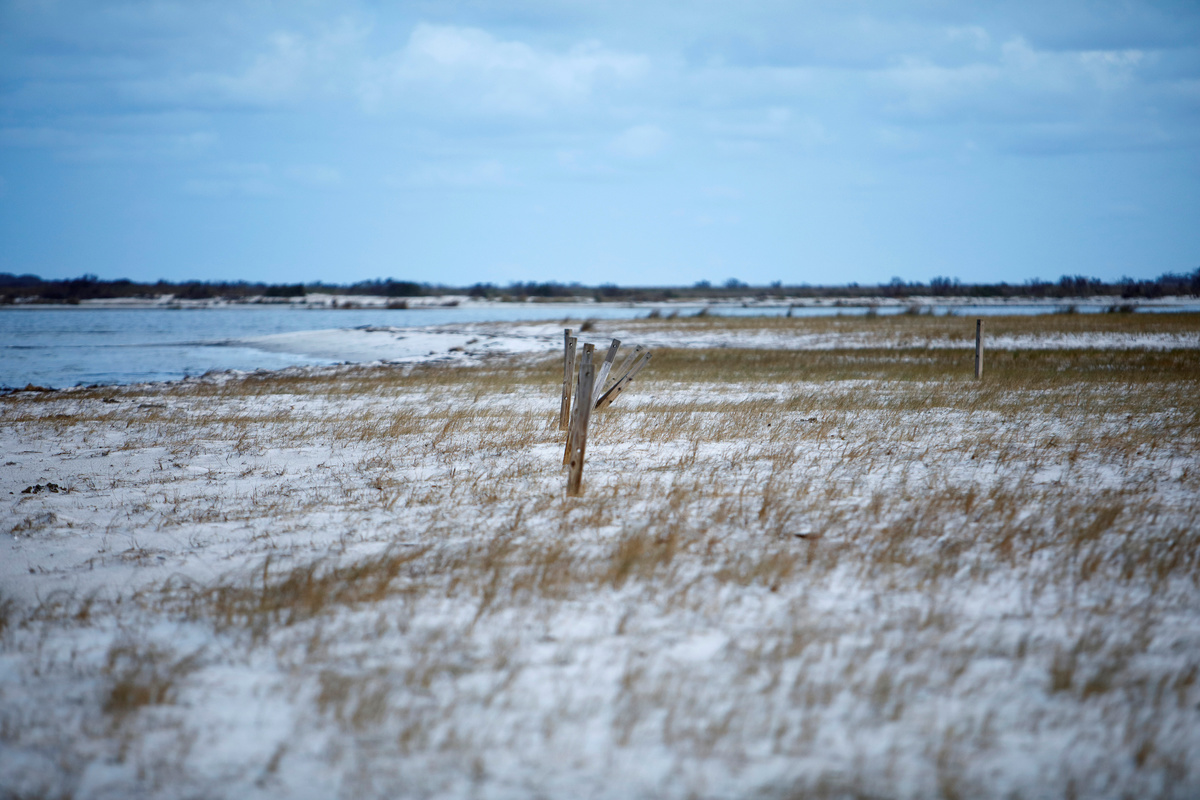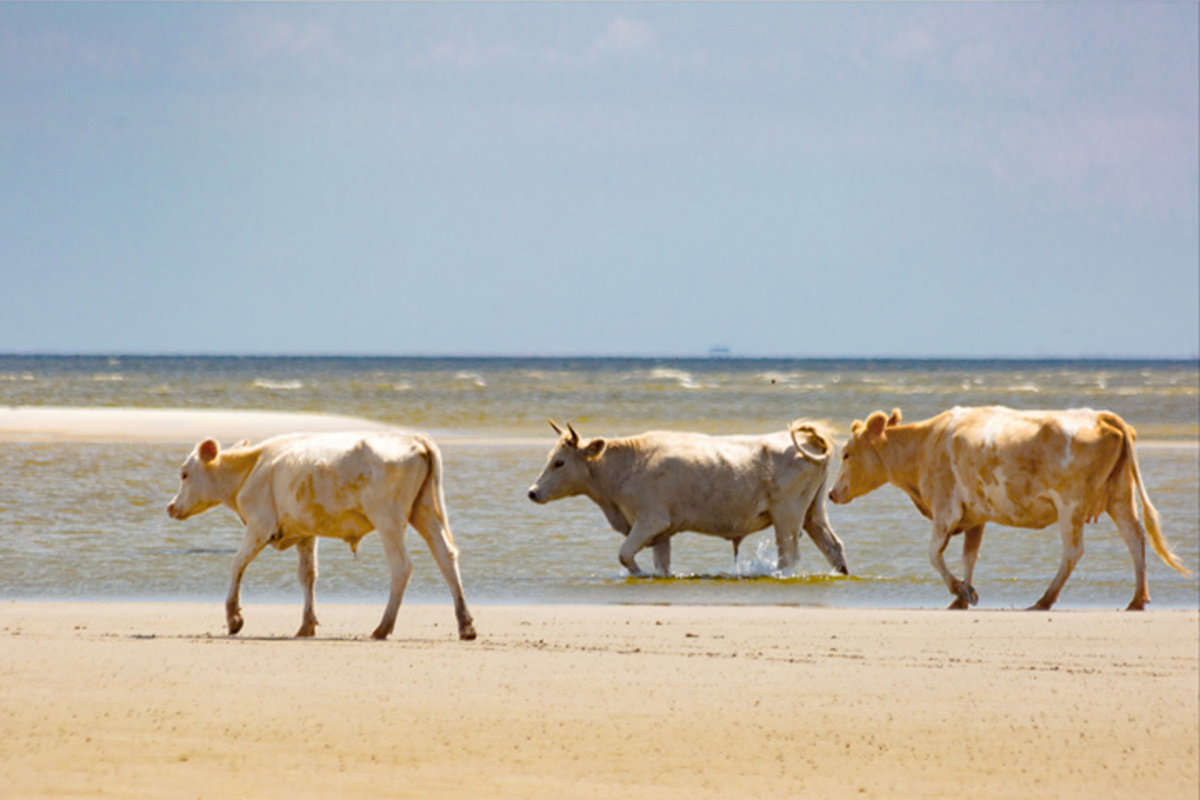
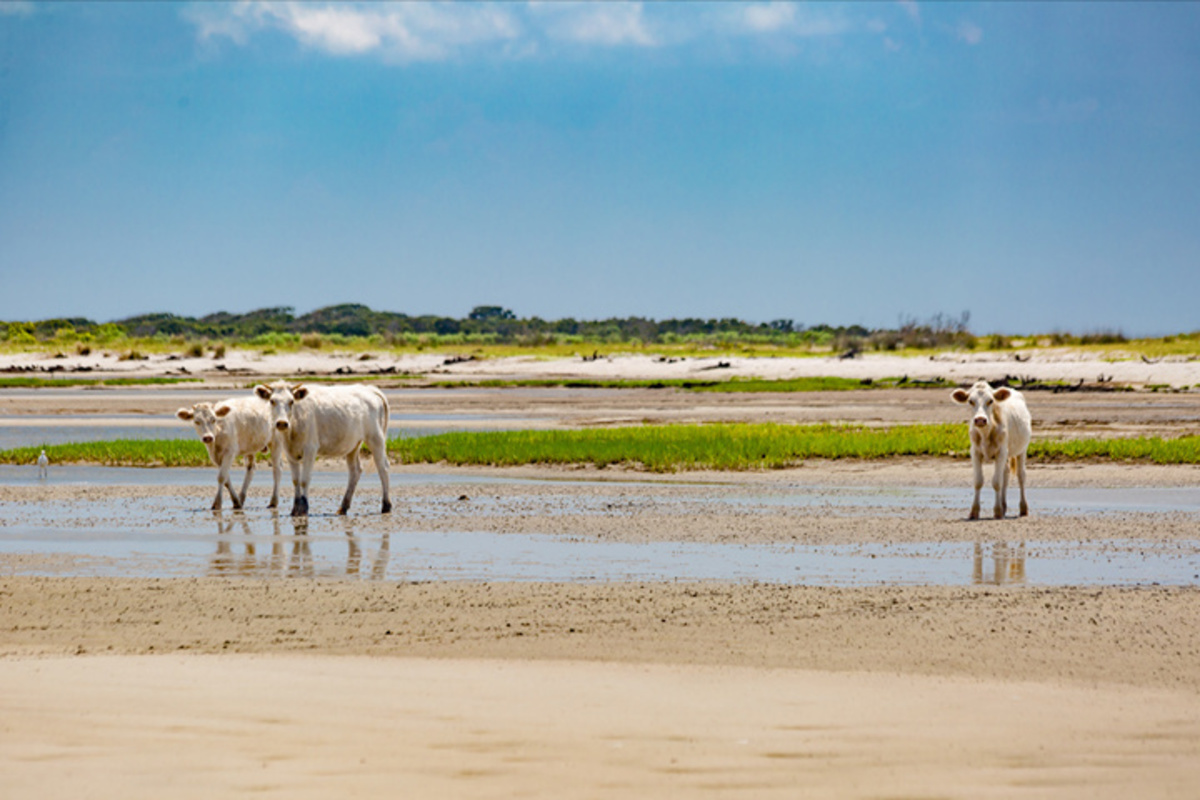
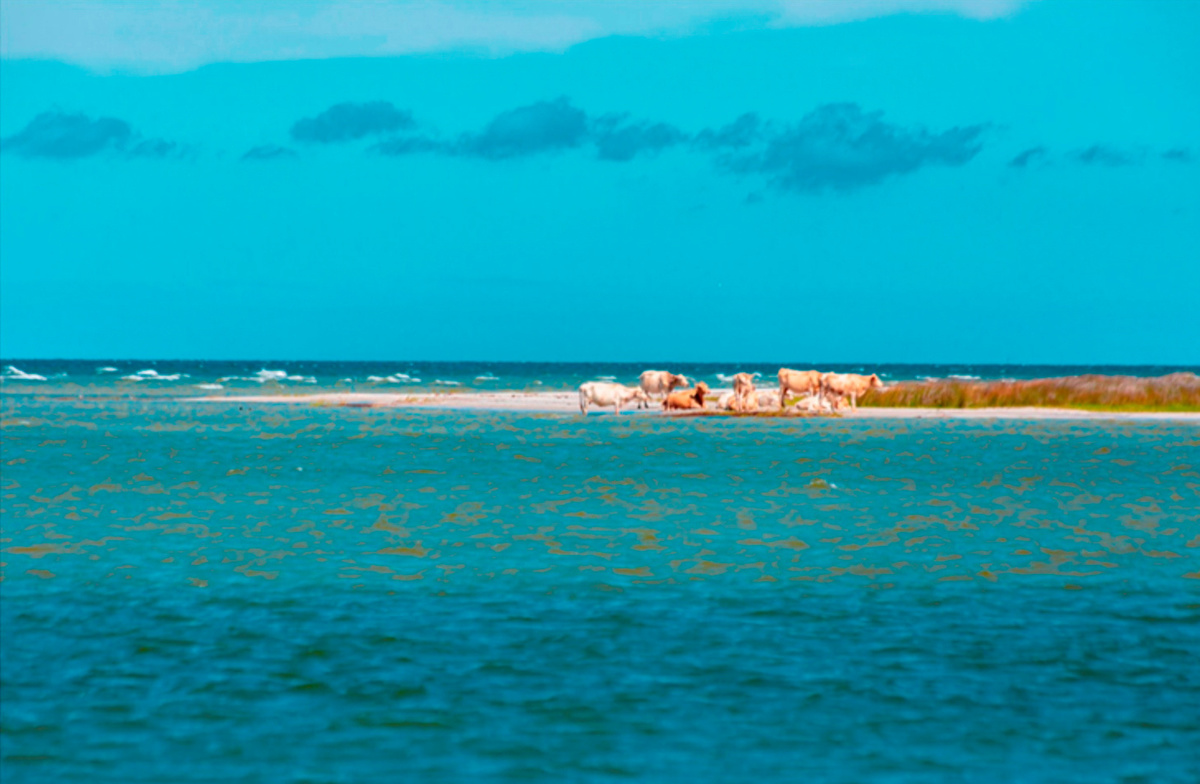
CAPE LOOKOUT NATIONAL SEASHORE, N.C. (Reuters) - Three cows have been spotted beachcombing on a remote barrier island on North Carolina's Outer Banks, swept to an unlikely grazing spot when Hurricane Dorian whipped waves powerful enough to carry them two miles (3.22 km) from their home.
One of the bovine bodysurfers was seen soon after the Category 1 storm struck on Sept. 6 and now two other cows have joined her at Cape Lookout National Seashore, Park Ranger Karen Duggan said on Thursday.
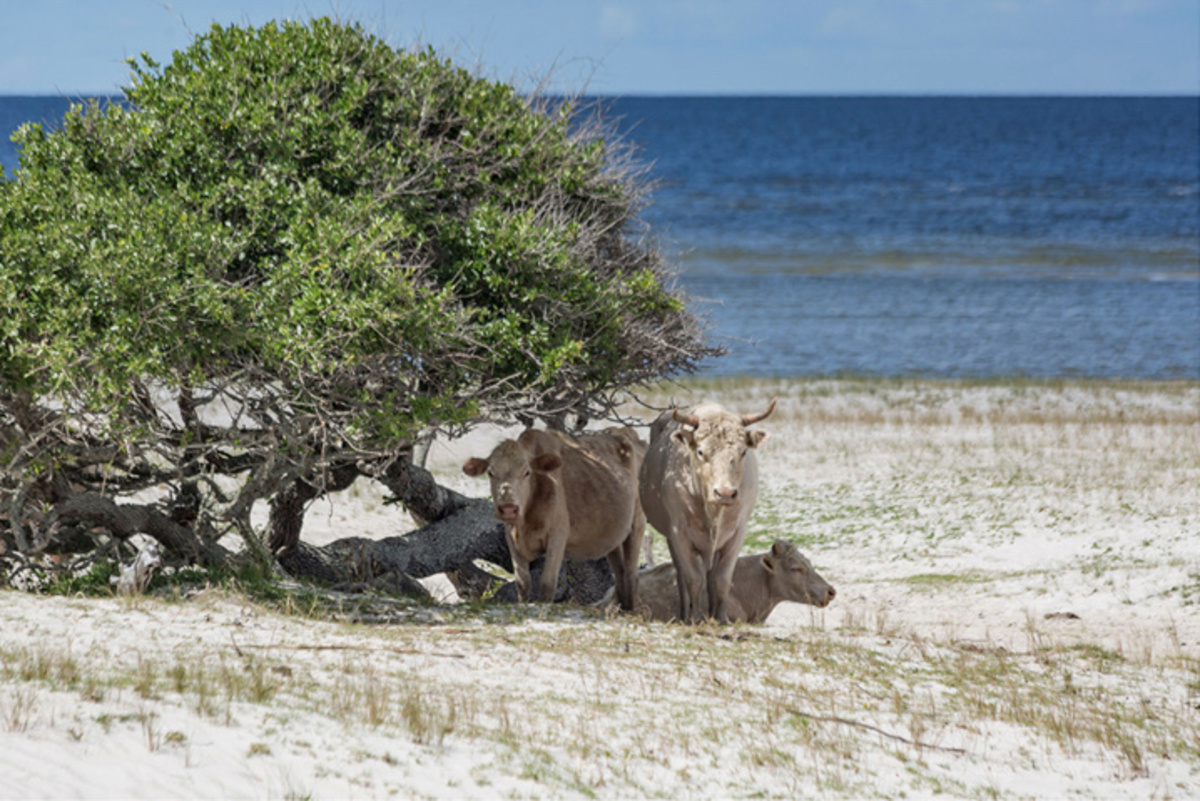
All are members of a wild herd of cattle that lives in marshes on an interior island known as Cedar Island, about 2-3 miles (3.2-4.8 km) closer to the mainland than the barrier island park.
"The water picked them up, carried them, they managed to stay afloat and come to rest on our island," Duggan said.
"They can all swim, but they are not the best swimmers. Of the cattle that got swept away - and I don't know how many that was - only three of them have managed to find footing on the islands that remain."
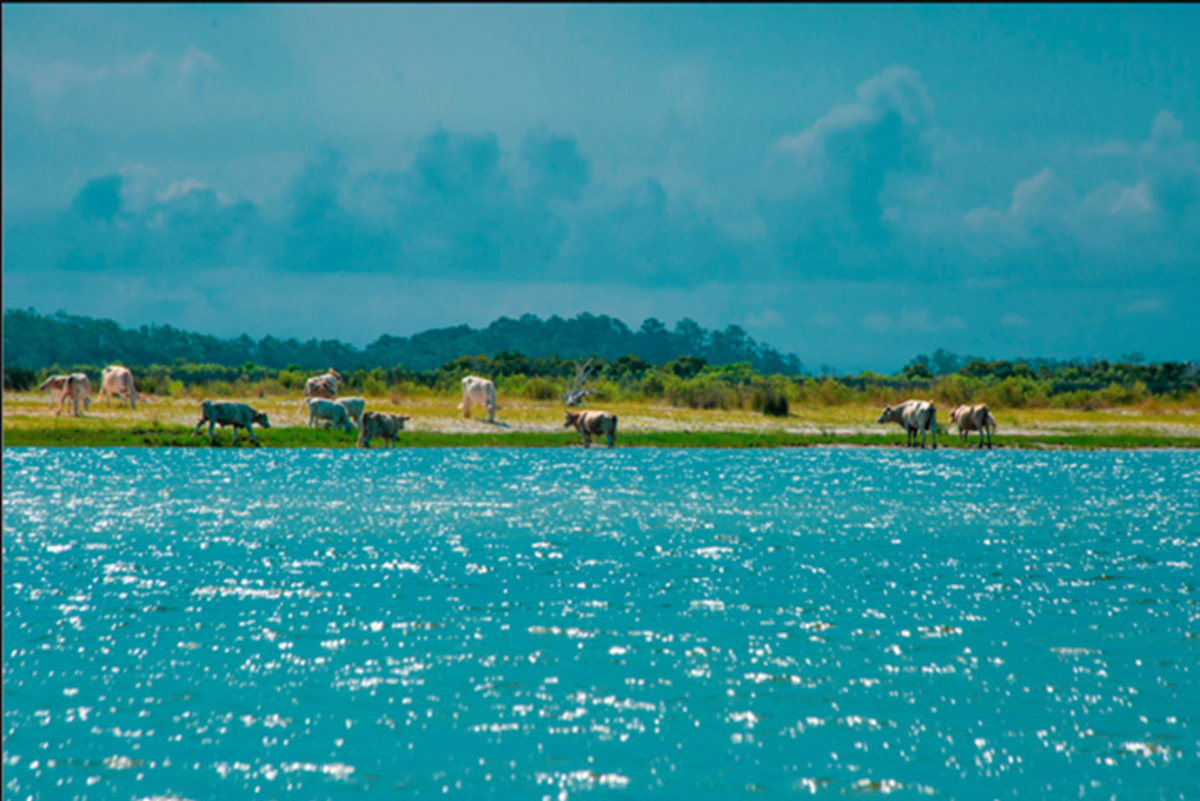
A cow typically weighs 600 to 2,500 pounds (272 to 1,134 kg), and the swell was deep enough to carry at least three of them across the waters to the sands of the federal seashore.
Since no one owns the cows, Duggan said, authorities are still deciding the animals' fate, including whether they may continue to while away their hours on the beach, feeding off nearby marshes.
"We have not been able to locate anyone who claims them. They were just allowed on property. No one took care of them, no one gave them vet care, no one handled them. Therefore they are wild," Duggan said.
While it's unclear how the rest of the wild cattle herd fared, wild horses that live on nearby Shackleford Banks island not only survived but thrived despite the deadly storm that ravaged the Bahamas and killed at least 50 people.
"We didn't lose any horses during the storm," Duggan said. "We've got 115 wild horses, including the newest foal, which was born during the hurricane."
(Writing and additional reporting by Barbara Goldberg in New York; Editing by Sandra Maler)