NOT for the first time, the Hunter's after-hours GP services are under threat.
With reduced funding, the company that runs GP Access After Hours says it is shutting its Calvary Mater service on Christmas Eve, and reducing services elsewhere in January.
It is a shame that the organisation, Hunter Primary Care, appears to have made this decision without making the public aware of its funding pressures, but now that the region does know the situation, it is time once again to extol the virtues of the service and to push for whatever funds are needed to restore the status quo.
It is a matter of public record that the nationwide, federally funded model of after-hours GP clinics is based on a model developed here in the Hunter in 1998.
The pilot program, as Liberal John Tierney told the Senate in 2003, was developed to counter "a rapid disintegration" of after-hours services and to ease mounting pressure on hospital emergency wards.
The program was developed by the Hunter Urban Division of General Practice.
Today, the service, known as GP Access After Hours, is run by an organisation called Hunter Primary Care using the established model of a roster of doctors who are paid to serve at its various operations.
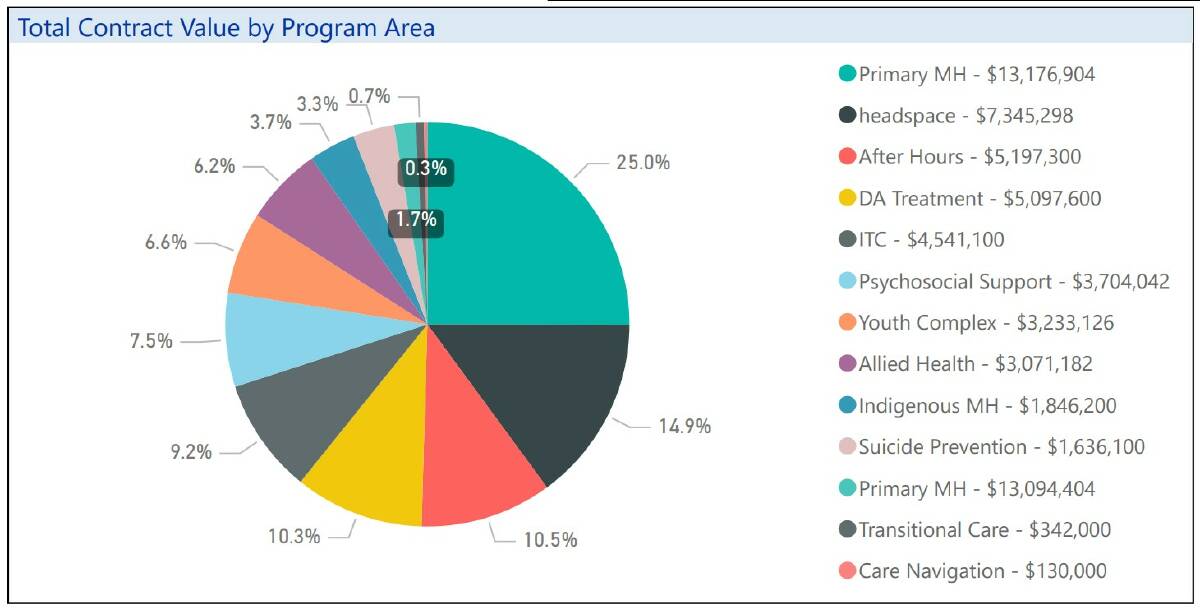
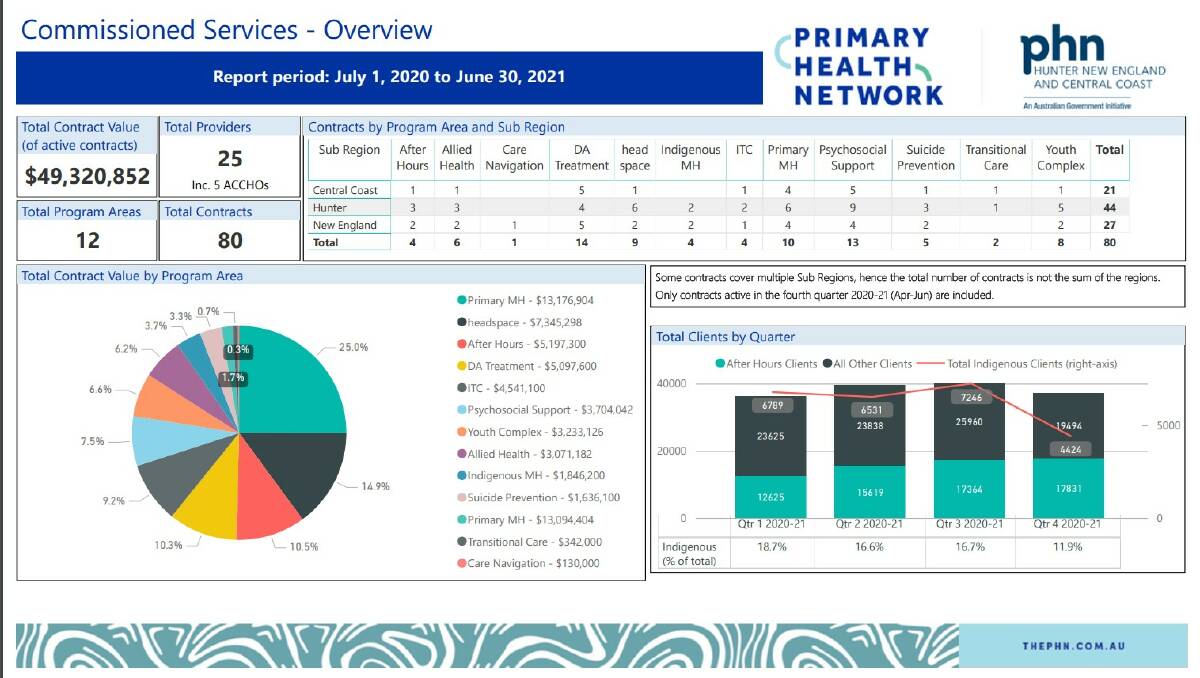
Records show the after-hours service received almost $5.2 in the year to June 30 from the Hunter New England Central Coast Primary Health Network, one of 31 such federal networks that have similar - but not identical - alignments with the various state-run "local health districts".
From the time of the original Maitland trial, the value of the after-hours service has been apparent to all.
Patients welcomed the service, as did hospital administrators who were able to triage many minor matters away from clogged emergency wards.
PREVIOUSLY:
- 2014 service under threat
- Toronto reprieve 2015
- 2015 funding crisis 50,000 extra patients
- 2015 call to save service
- Funding guaranteed until 2016
- Dr Lee Fong on value of the service
There have been occasional wrangles and state-federal disputes about cost-shifting as there always is where state hospitals and federal Medicare charges are involved, but the service clearly proved its worth - as its national rollout confirmed.
Yet throughout the 20-plus years that the Hunter service has helped the region, it has had to fight, over and over, to maintain its funding.
If the service is failing in some way, the government should say so.
If not, it should simply provide it with the money it needs to do its job, and get out of the way.
ISSUE: 39,706