IT was 2003 - not far off 20 years ago - when John Howard as prime minister reacted to growing concern over rising Australian house prices by reframing the argument.
Yes there was a problem at the margins for first-home buyers, he said at the time, but rising house prices were a good thing for those already in the market.
"In fact, most people feel more secure and feel better off because the value of their homes has gone up, Mr Howard said.
"But there is a problem if you're trying to get in and I can't promise that we're going to be able to slash the cost, I can't do that."
He was right on that count.
History has shown that nothing - not even COVID - has been able to stop the extraordinary march of real estate prices in Australia and in many other democratic jurisdictions.
Well not for long, anyway.
In 2003, average full-time earnings were less than $1000 a week.
Today, they're about $1800, but the "all-employees" average - including those with part-time work - is dragged down to $1300 a week.
So wages have doubled, if you're lucky.
In the meantime, house prices have taken off like one of Elon Musk's SpaceX rockets.
In 2003, the median price of a Lower Hunter house was about $230,000. It took until 2010 to hit $300,000.
By 2018 it was almost $600,000 and as we report today, the latest figure is an extraordinary $860,000, up by a third in 12 months.
Yes, there have been some dips along the way but the inescapable trend is of housing costs rising at twice the rate of earnings.
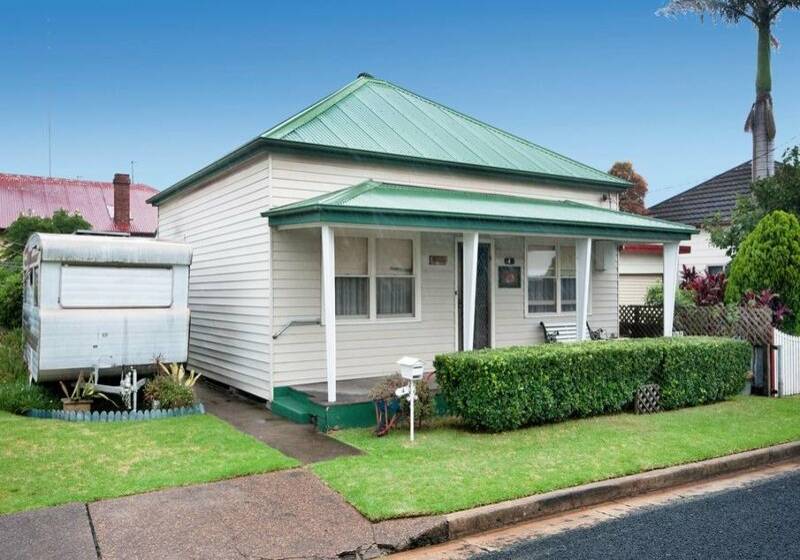
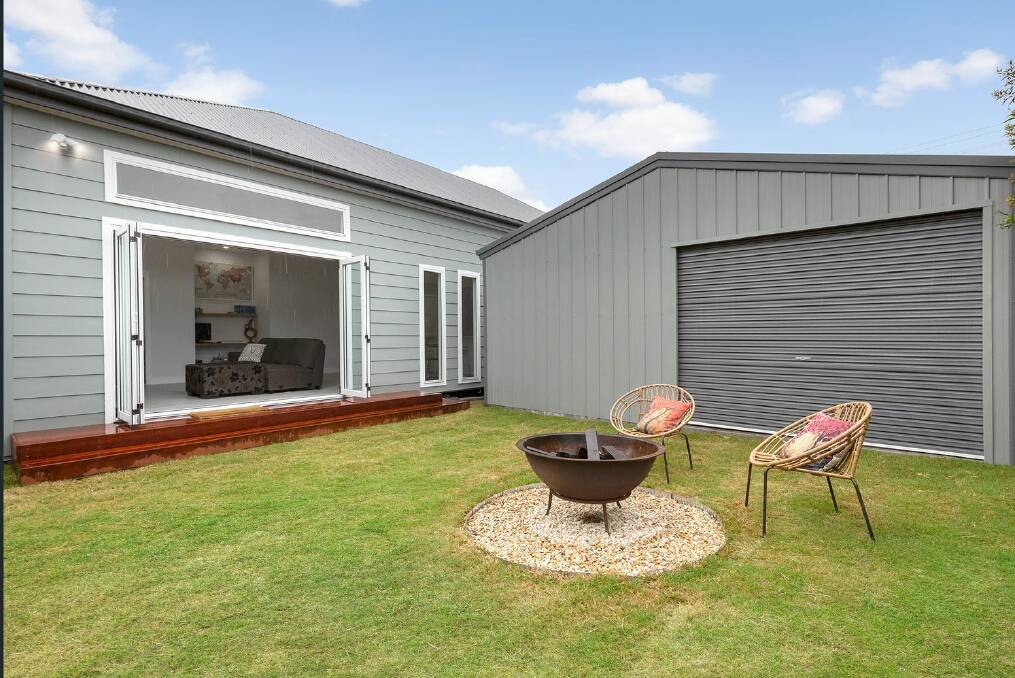
Take the property pictured here and in the report mentioned above.
It's more than tripled in nine years, albeit with a recent renovation.
Perhaps we will look back and say $1 million for Mayfield was a bargain, but with very little in the way of wages growth, the mortgage burden for most ordinary home owners must reach a limit at some point.
In his own way, Mr Howard was right.
People may feel better off.
And for those at the top of the tree, or with two or more properties, they may have increased their wealth.
But for most people, their house is their home. Its "investment value" is secondary.
Selling it means buying another.
The more money tied up in home loans, the less available for other things.
And the harder it is for growing numbers of Australians to get a foot in the door in the first place.
ISSUE: 39,763