
Three in four Hunter businesses are struggling to find the workers they need, with some warning their businesses may not survive if conditions do not improve.
The Business NSW State of Skills report for 2026, based on survey responses by more than 500 businesses, found half of employers across the state expect skills shortages to cost them customers or commercial opportunities.
In the Hunter, 75.4 per cent of respondents reported skills shortages - slightly higher than the 73.6 per cent state average.
While the regional figure is below the post-COVID high of 2022 (89.1 per cent), it is markedly higher than the shortages reported in 2019 (54.3 per cent) and 2017 (33.3 per cent).
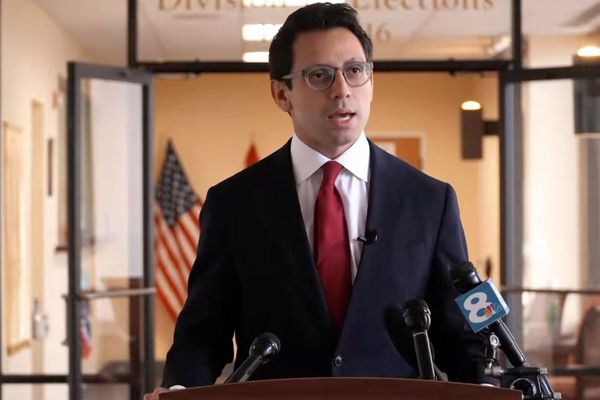
Premier Chris Minns acknowledged the problem during a visit to the Hunter last week.
"I've spoken to three businesses here today who said that their number one concern, next to energy prices, was not being able to get highly skilled young people for their businesses and their firms," he said.
"In an economy where you've got full employment, where you need young people to drive your business forward you can't find them."
Business Hunter chief executive Bob Hawes said the survey highlighted a concerning trend, with skills shortages becoming entrenched in the local workforce.
"These findings are consistent with what businesses across the Hunter have been telling us for some time. While employment levels remain strong, many employers are continuing to struggle to find workers with the specific skills and experience they need," Mr Hawes said.
"The challenge is no longer simply a shortage of workers. Increasingly, it is a mismatch between the skills available in the labour market and the skills employers are seeking, particularly in industries experiencing growth and transformation."

The report revealed that 37.2 per cent of Hunter respondents nominated the loss of suitable applicants to other employers during recruitment as a major challenge - compared with the statewide average of 26.4 per cent.
"Businesses and recruiters tell us many roles with particular skills and experience requirements are being filled through headhunting and poaching, rather than by drawing on the pool of unemployed or other applicants responding to job ads,'' Mr Hawes said.
"This is not sustainable if we want to grow key industries."
Other key challenges reported by employers included low interest from applicants, inability to meet salary expectations and the availability of potential recruits to work hours required.
The housing crisis has also had an impact on recruitment capability, with 20.9 per cent of Hunter businesses nominating access to affordable housing as a hiring challenge, compared with 11.5 per cent in 2024 and just 3.5 per cent in 2022.
Business NSW has called for a $200 million investment in apprenticeships, a comprehensive overhaul of regional, employer-led skills compacts and income concessions for pensioners.
"If we're serious about tackling workforce shortages, we need action on multiple fronts," Business NSW chief executive Dan Hunter said.
"That means investing in apprenticeships, traineeships and other work-based learning pathways, supporting older Australians who want to remain in the workforce, and addressing the workforce challenges facing regional NSW."
Mr Hawes said workforce planning, training and skills development would become increasing important to ensure local businesses could access the required talent and local communities could benefit from new emerging employment opportunities in the region.
"Hunter businesses are investing, expanding and creating jobs, but difficulties filling vacancies in critical occupations is constraining productivity, limiting business growth and placing additional pressure on existing staff," he said.