Access to COVID-19 vaccines for Indigenous people in the Hunter has been slow, leaving a vulnerable population exposed amid rising concern about a lack of supply for tailored clinics.
Many of the Hunter's 35,000 Indigenous people remain unvaccinated.
Aboriginal and Torres Strait Islander people were made a priority group in the vaccine rollout, given their vulnerability to the virus.
However, the federal Primary Health Network said the vaccination rate among Aboriginal people in NSW was "significantly lower than non-Aboriginal people".
Only 16 per cent of Hunter Indigenous people were fully vaccinated, compared to 30 per cent of non-Indigenous people, data leaked to The Guardian showed.
On Wednesday, Aboriginal leaders attended an online meeting with federal officials about vaccine access.
Worimi Local Aboriginal Land Council chief executive Andrew Smith, who attended the meeting, said a lack of resources meant many Aboriginal people were being left behind.
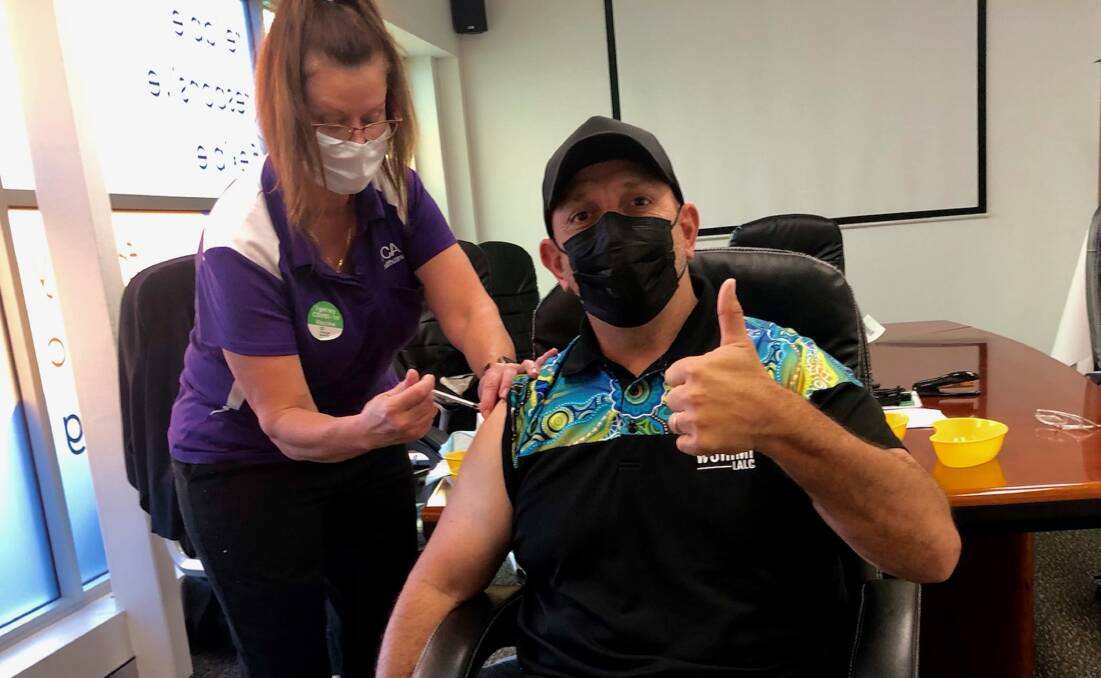
Mr Smith got his first Pfizer shot on Tuesday at Mayfield, after receiving a last-minute invite. Now he's in limbo, seeking to book a second dose.
Awabakal Ltd, which runs an Aboriginal medical service in the Hunter, had been running "regular vaccination clinics to try and meet the high demand"
"Services only receive a certain amount of allocated vaccine per region. While we have been receiving our vaccine allocations, some have been later than expected.
"We have been inundated with requests for appointments and are doing what we can to progress our waiting lists as quickly as possible. Current demand far outweighs current supply."
Awabakal is considering mobile vaccination services.
"We are in the process of assessing suitable locations and will actively seek to provide outreach services in the coming weeks," it said.
Mr Smith said Aboriginal people often relied on organisations like Awabakal for health care, rather than GPs.
"We don't necessarily participate in the mainstream health sector like everyday Australians do. Generally we don't get any help until it's almost the 11th hour. Wilcannia and other communities are a clear example of where we are continuously being left behind and put in the too-hard basket."
Bahtabah acting chief executive Kentan Proctor said vaccinations among the Bahtabah people were going OK, due to being close to the Belmont Vaccination Hub.
Hunter New England Health said its Aboriginal health team had been "working with local partners throughout the rollout to tackle misinformation about the vaccines in Aboriginal communities and encourage uptake".