Hunger stalks Yemen's remote villages after four years of war
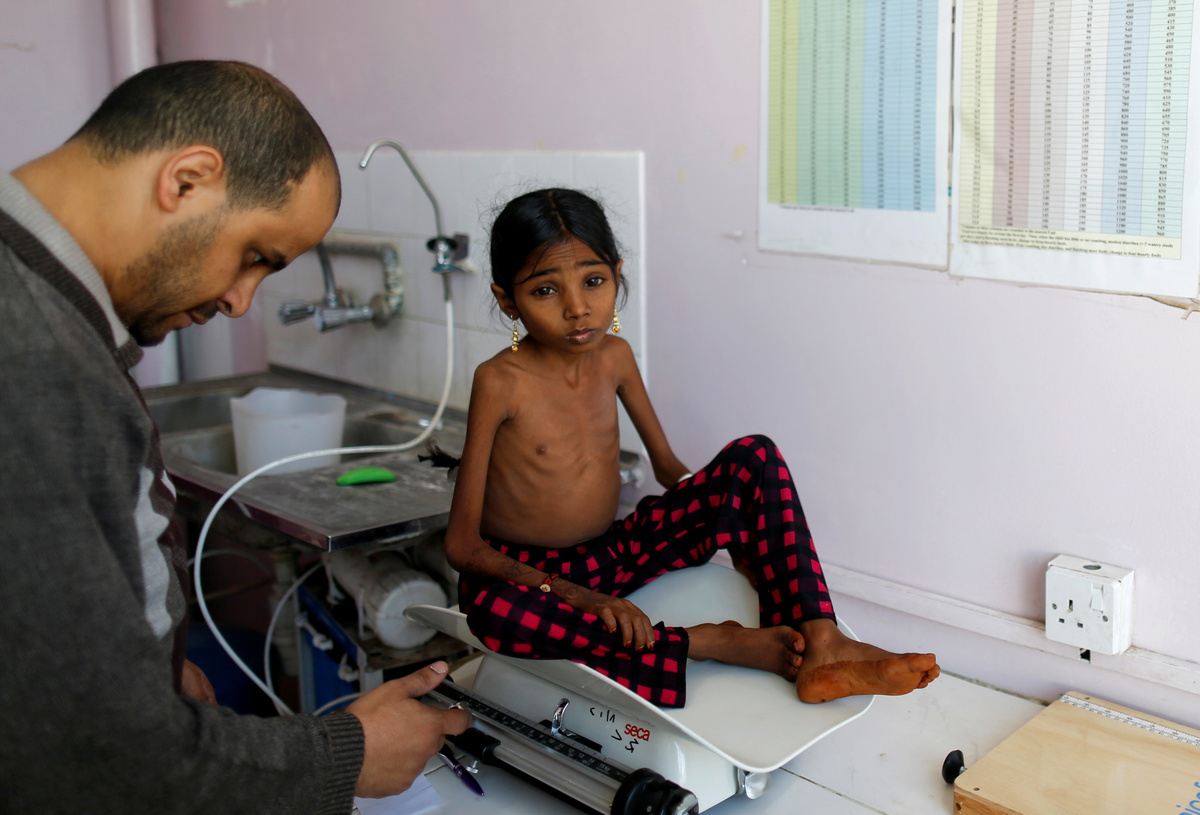
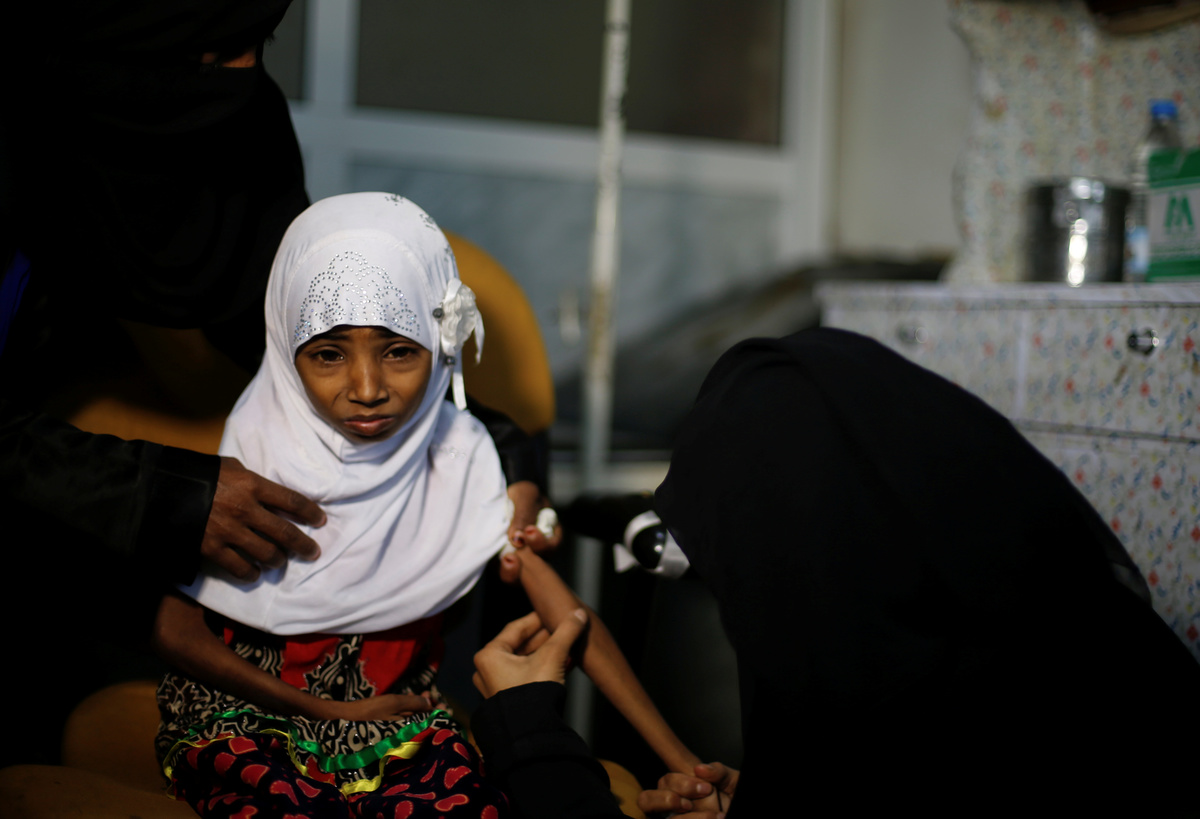
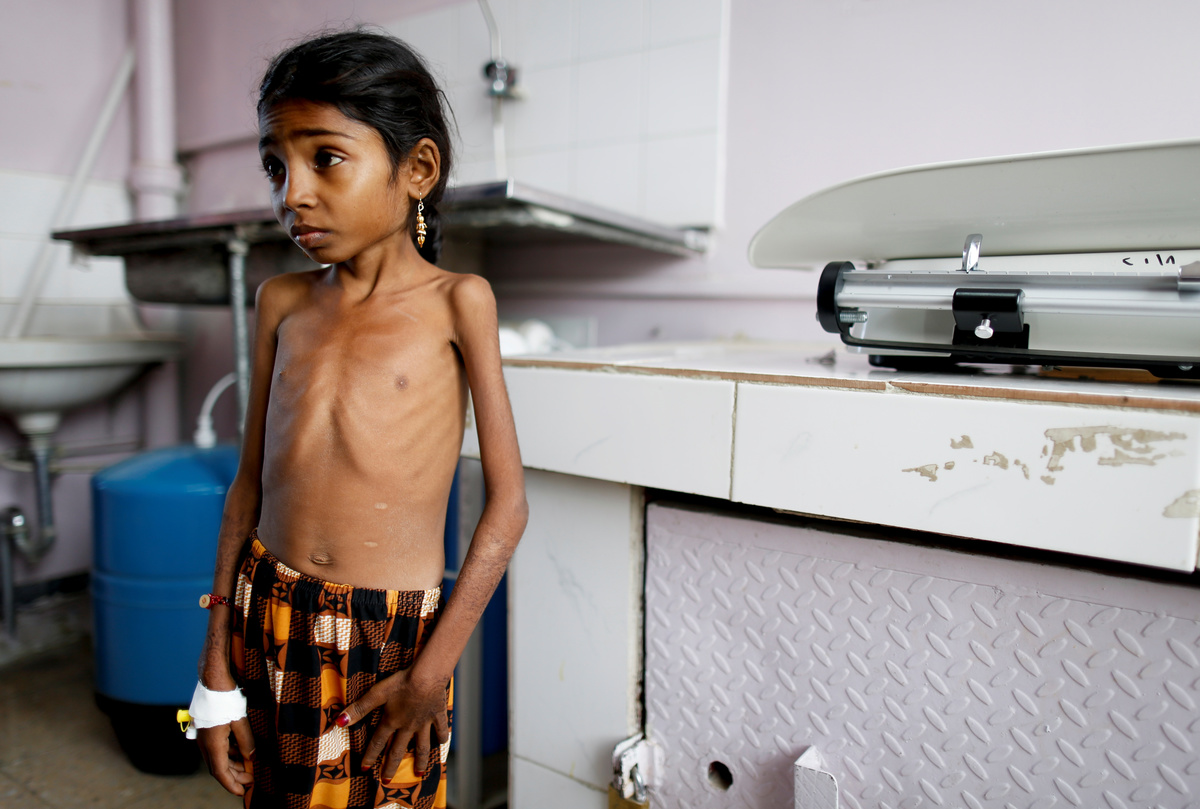
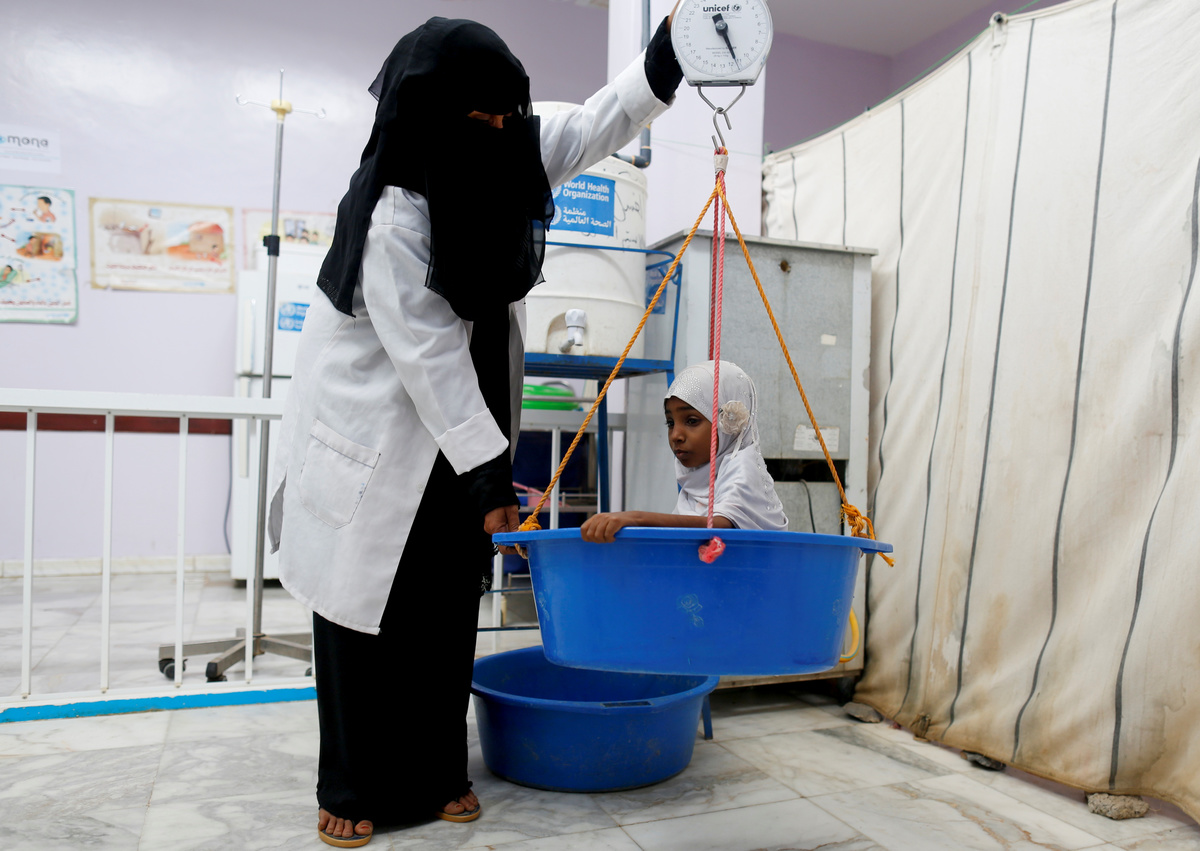
A nurse weighs Afaf Hussein, 10, who is malnourished, at the malnutrition treatment ward of al-Sabeen hospital in Sanaa, Yemen, January 31, 2019. REUTERS/Khaled Abdullah
HAJJAH PROVINCE, Yemen (Reuters) - As Yeman's war grinds into its fifth year with peace efforts stalling, ten-year-old Afaf's father sees little hope he will be able to give his starving daughter the food or healthcare she needs.
Across Yemen's remote mountain villages, the country's war-induced economic crisis has left parents like Hussein Abdu destitute, hungry and watching their children waste away from malnutrition and unclean water.
"Before the war we managed to get food because prices were acceptable and there was work," 40-year-old Abdu said from al-Jaraib, a small agricultural village in the hills of Hajjah province in northwest Yemen.
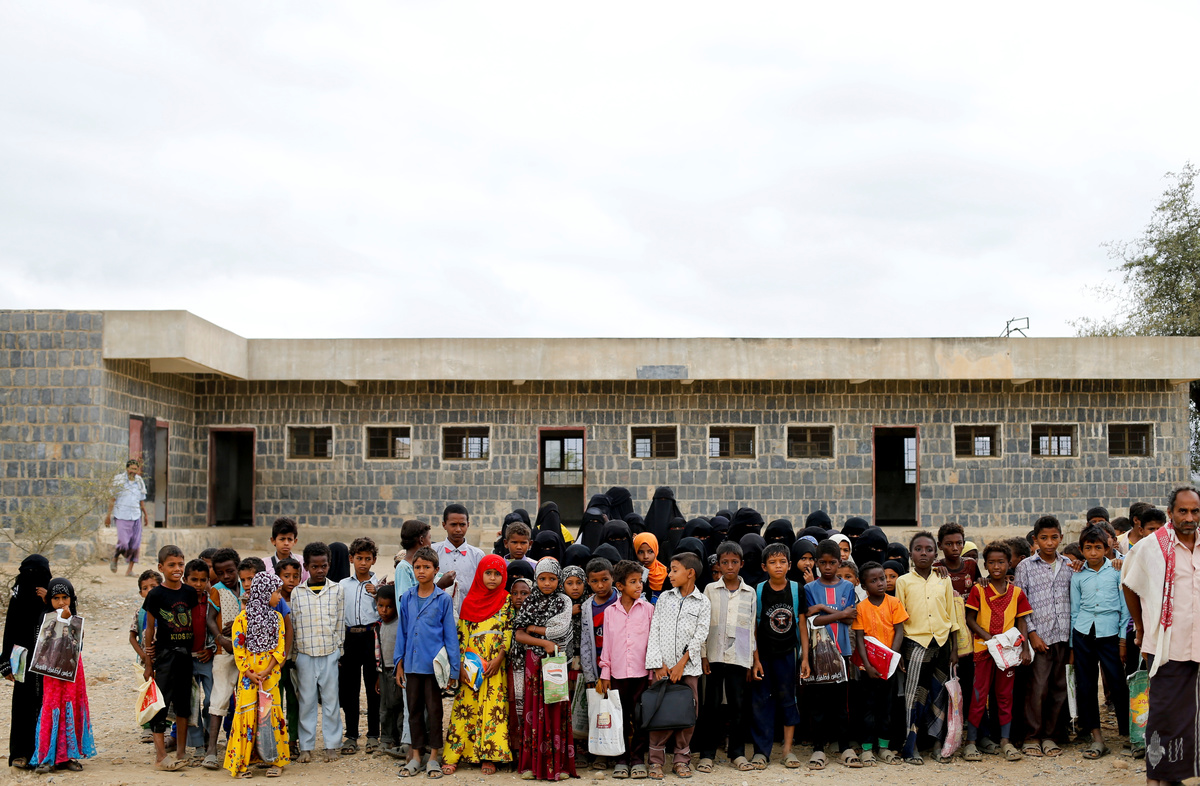
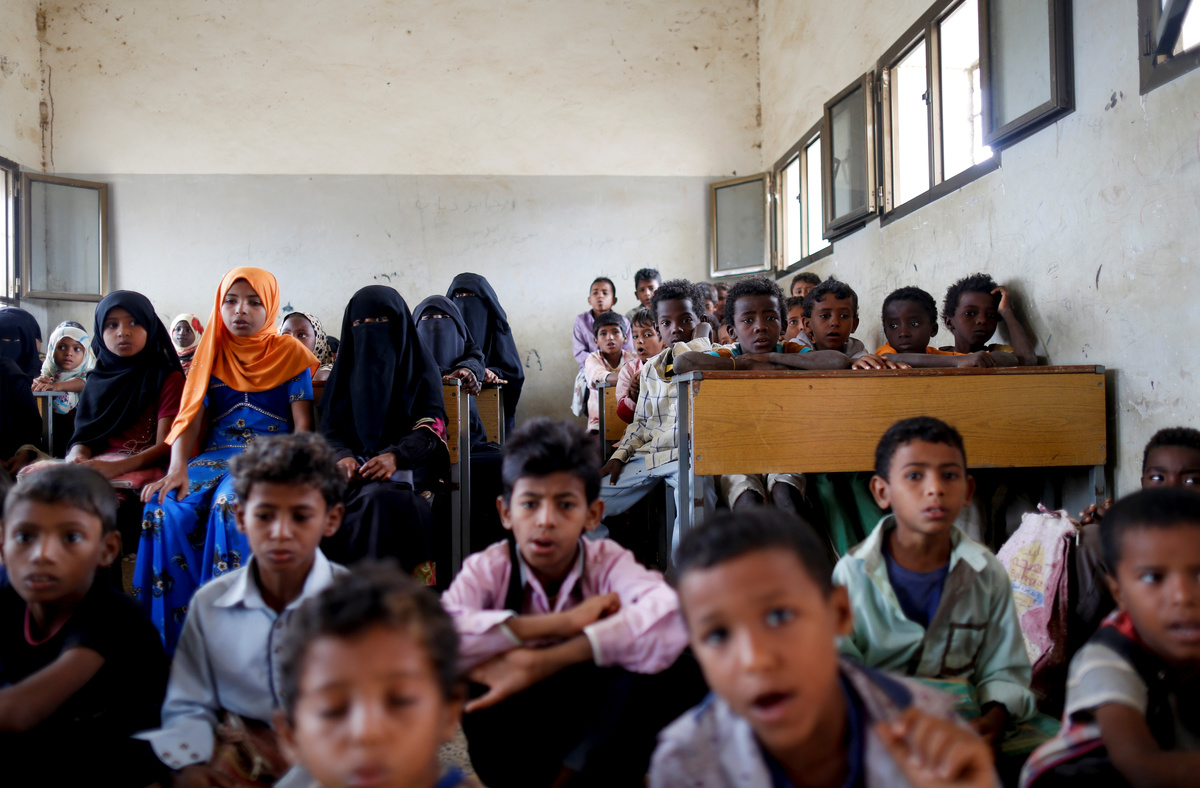
Students gather outside a school where Afaf Hussein, 10, who is malnourished, used to study near her home village of al-Jaraib in northwestern province of Hajjah, Yemen, February 19, 2019. REUTERS/Khaled Abdullah
"Now they have increased significantly and we rely on yoghurt and bread for nutrition."
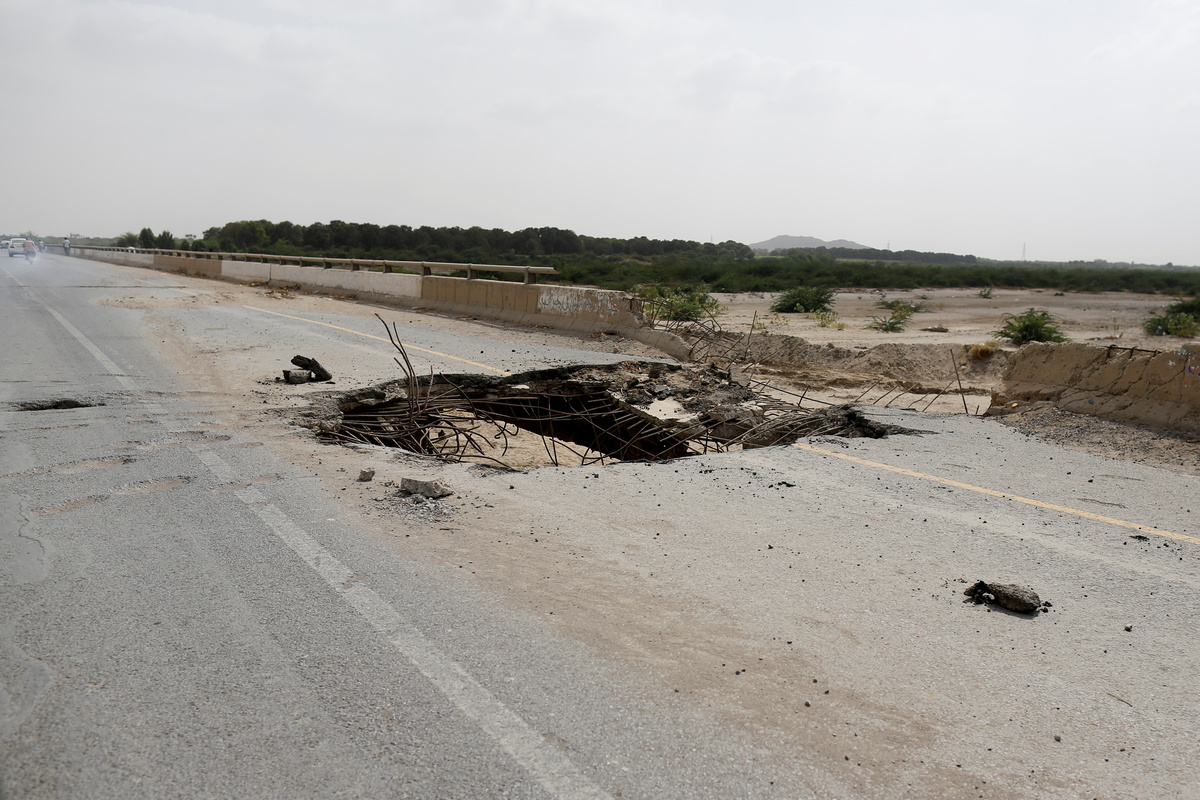
Four years of conflict have pushed Yemen, which was already one of the poorest Arab states, to the brink of famine. War has cut transport routes for aid, fuel and food, reduced imports and caused severe inflation. Households have lost their incomes because public sector wages are not being paid and conflict has forced people from their homes and jobs.
The United Nations says about 80 percent of the population needs some form of humanitarian assistance and two-thirds of all districts in the country are in a "pre-famine" state.
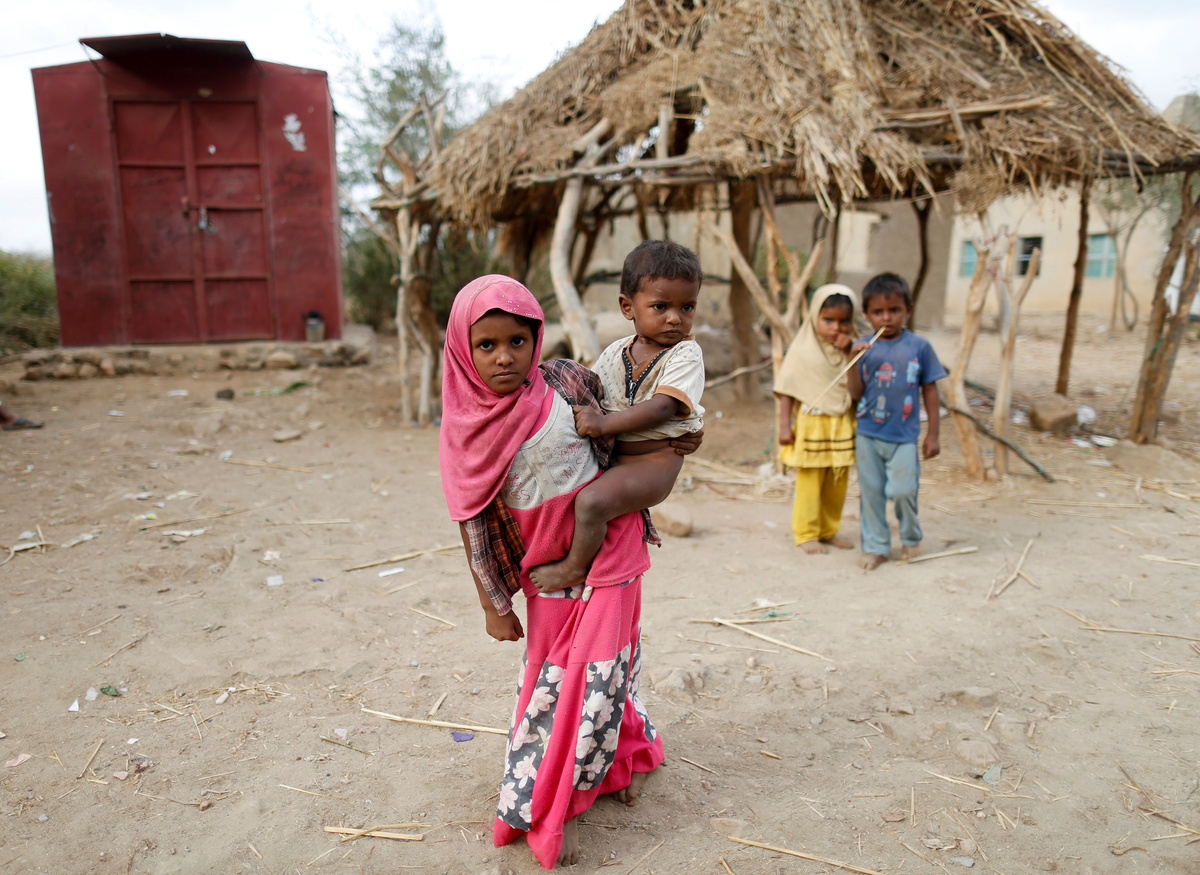
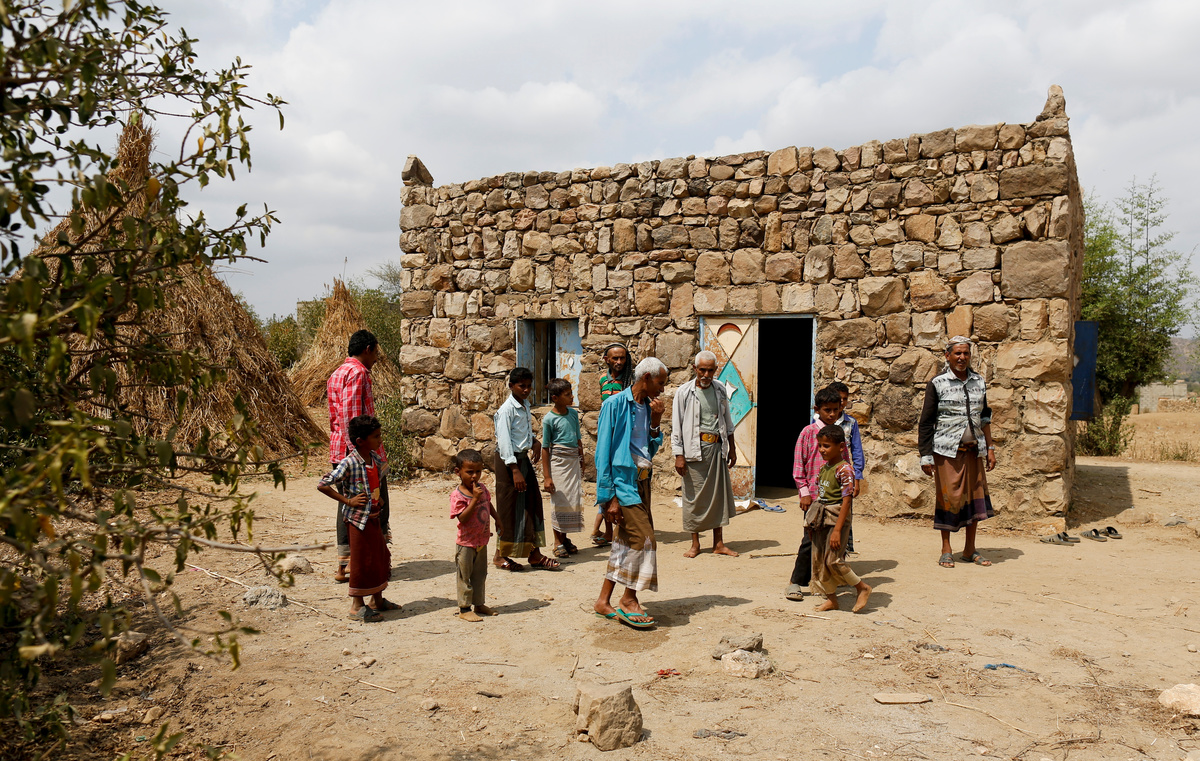
Children are seen in the village of in al-Jaraib, in the northwestern province of Hajjah, Yemen, February 18, 2019. REUTERS/Khaled Abdullah
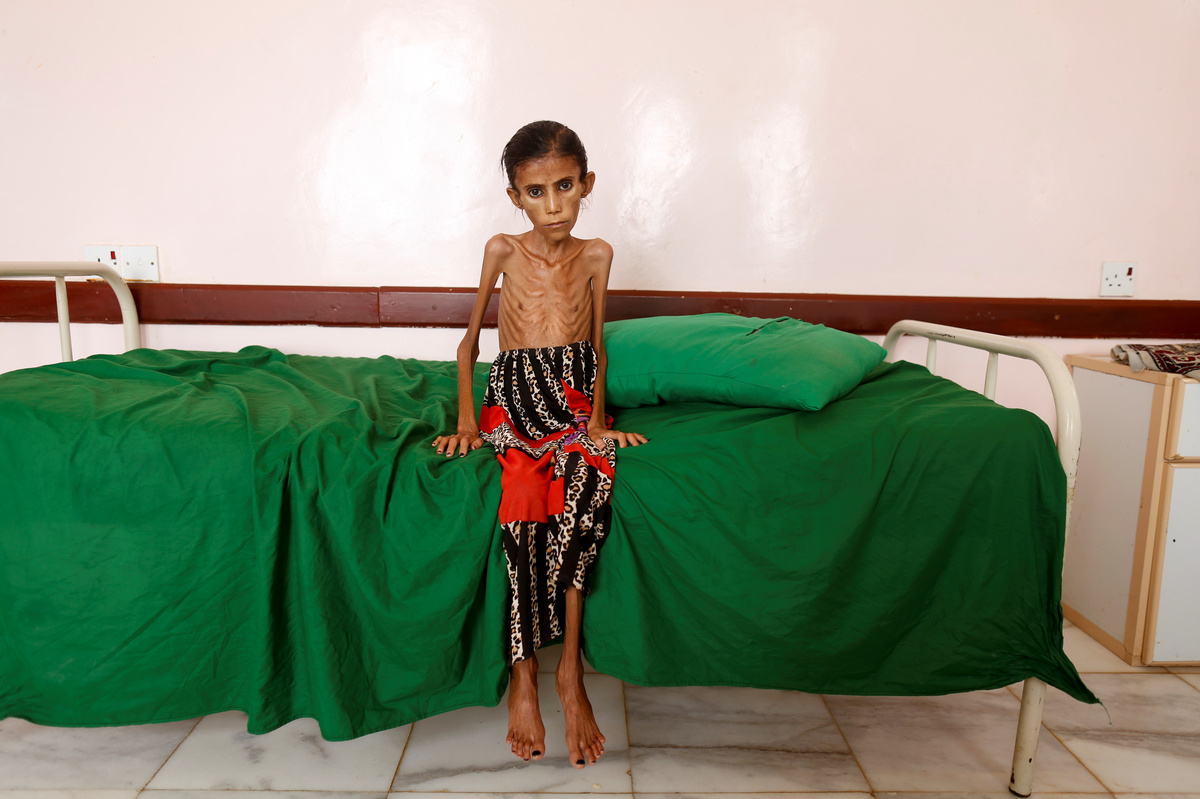
Afaf, who now weighs around 11 kg (24 lb) and is described by her doctor as "skin and bones", has been left acutely malnourished by a limited diet during her growing years and suffering from hepatitis, likely caused by infected water. She left school two years ago because she got too weak.
"The meaning of being full is not what it was before the war ... If I see some scraps of food are left, I get up so that the children will not be hungry. I can bear the hunger, but they can't," said Abdu, who lost one of his two wives, Afaf's mother, earlier this year to tuberculosis.
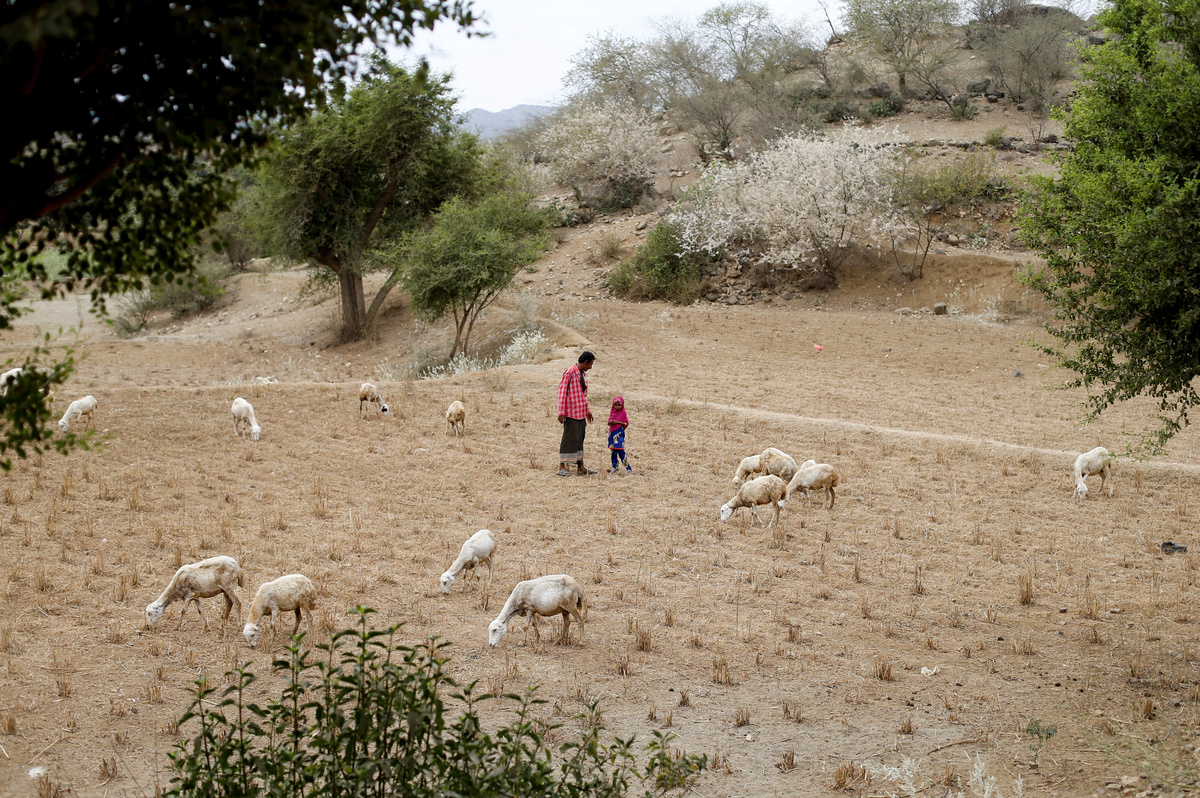
With no other source of income to support his second wife and six children, he herds other people's sheep and takes payment in milk products.
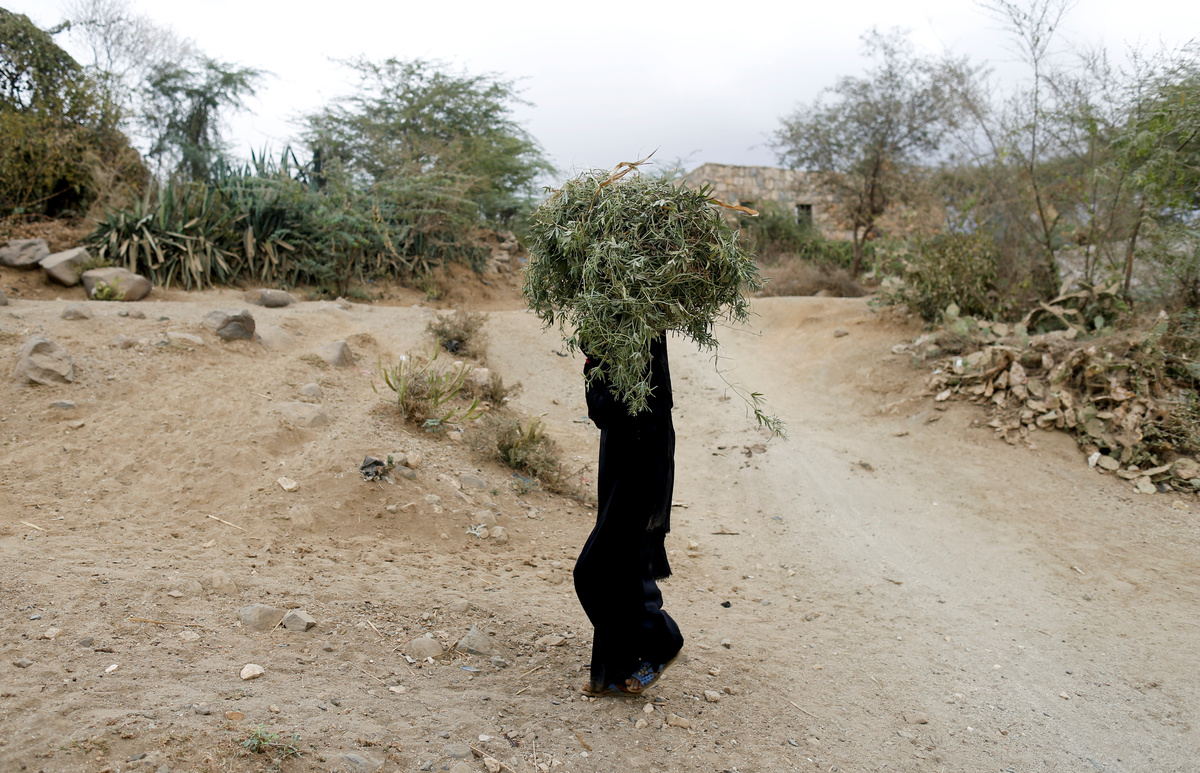
A woman carries fodder in the village of al-Jaraib, in the northwestern province of Hajjah, Yemen, February 18, 2019. REUTERS/Khaled Abdullah
Recognising the seriousness of Afaf's condition, Abdu scraped together what resources he could to take his daughter on a long journey to health centres in the regional town of Aslam and then the capital Sanaa.
But the treatment these centres could offer was limited. Yemen's healthcare system has collapsed and clinics supported by international donors are under severe strain.
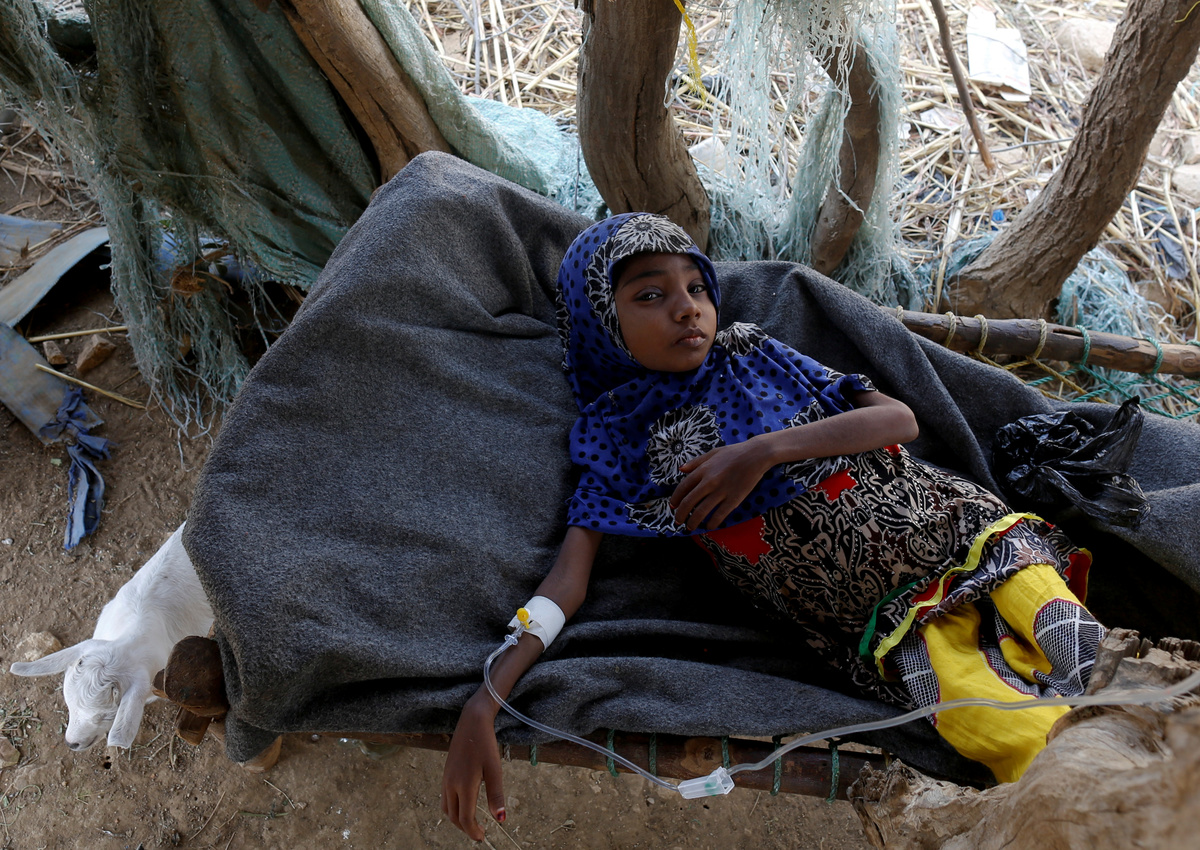
After being diagnosed with hepatitis, severe malnutrition, water retention and a wheat allergy, Afaf was given a couple of weeks of care and sent back home in a crowded taxi with two weeks of intravenous medication and a special diet.
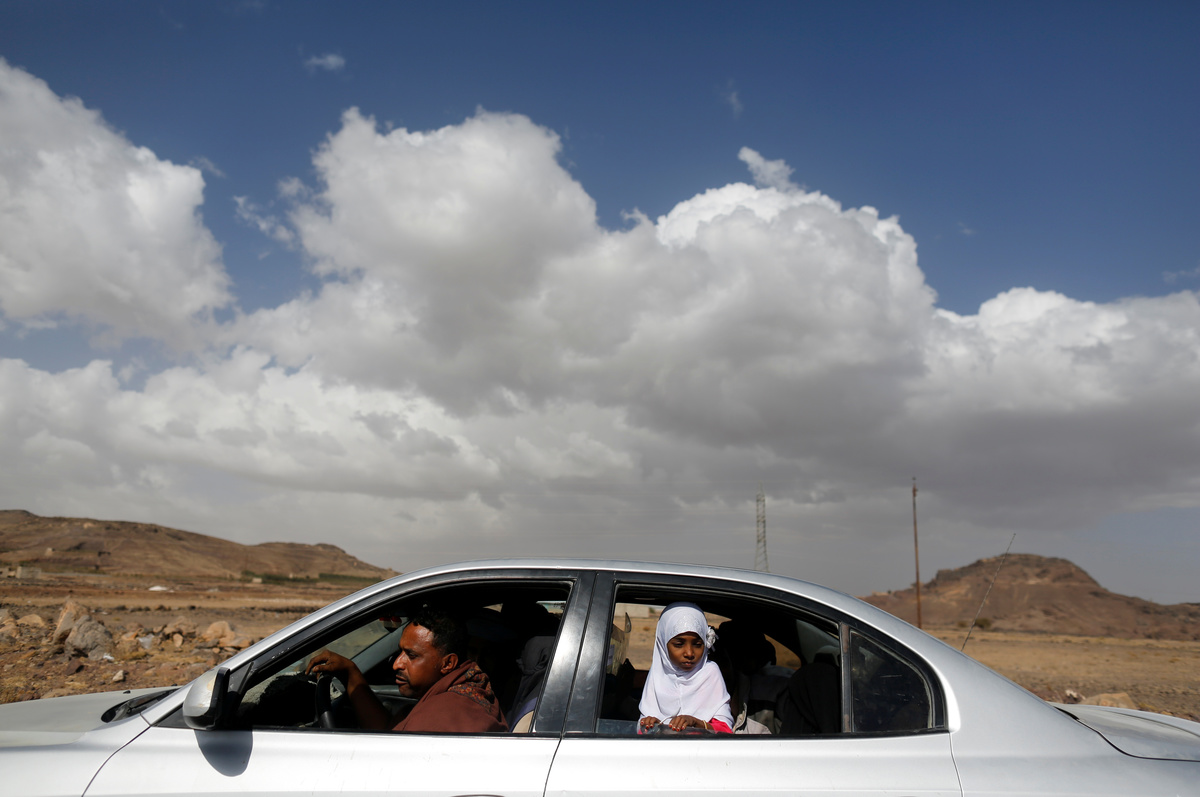
Afaf Hussein, 10, who is malnourished, looks from the window of a taxi during her trip back from treatment in Sanaa to her home village of al-Jaraib in the northwestern province of Hajjah, Yemen, February 16, 2019. REUTERS/Khaled Abdullah
WATER SCARCE
"If Afaf returns to her house, the problems will inevitably increase," said Makiah al-Aslami, a nurse and head of the acute malnutrition clinic in Aslam where Afaf received some of her treatment. "The water and the dwelling will have an effect on her health within two days."
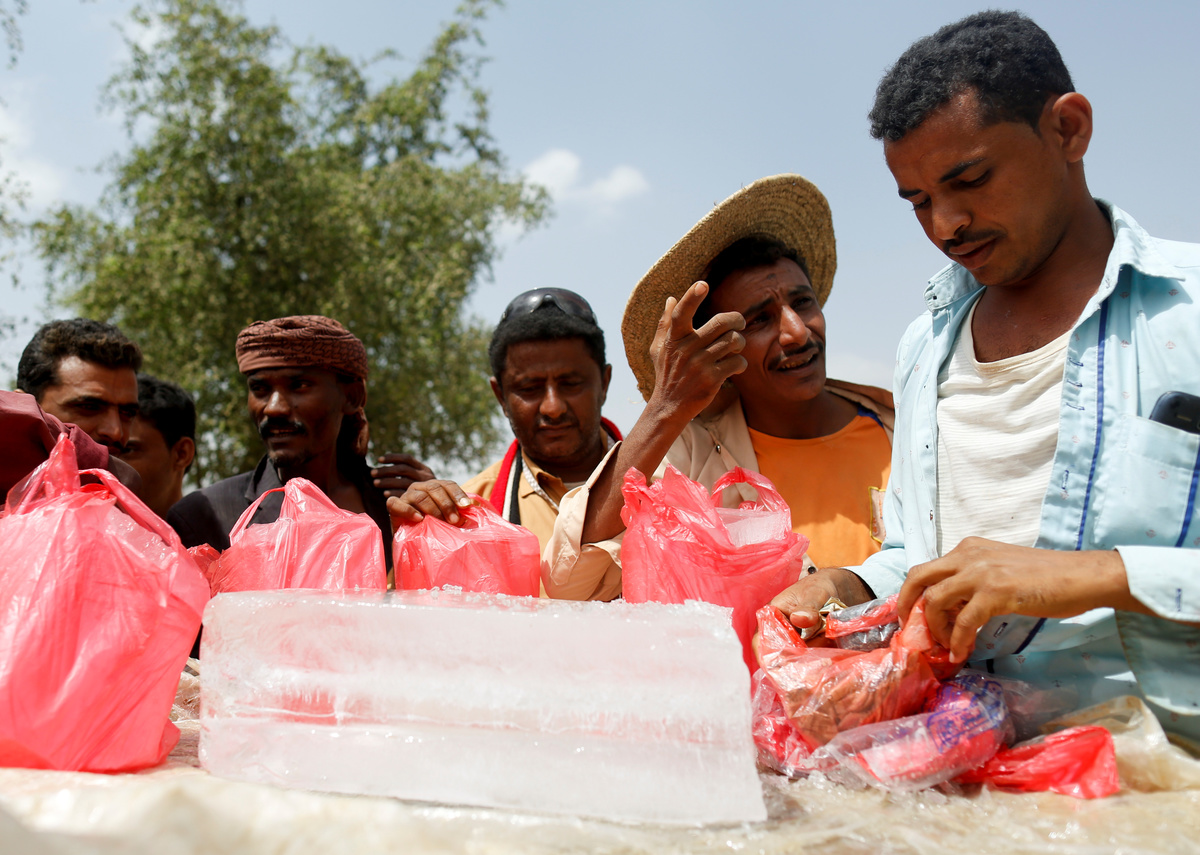
Hussein Abdu, 40, the father of ten-year-old malnourished girl Afaf Hussein, buys ice at a market near the village of al-Jaraib in the northwestern province of Hajjah, Yemen, February 20, 2019. REUTERS/Khaled Abdullah
In water-scarce Yemen, with many parts of the country needing pumps to bring water to the surface, water prices have increased dramatically under years of fuel shortages.
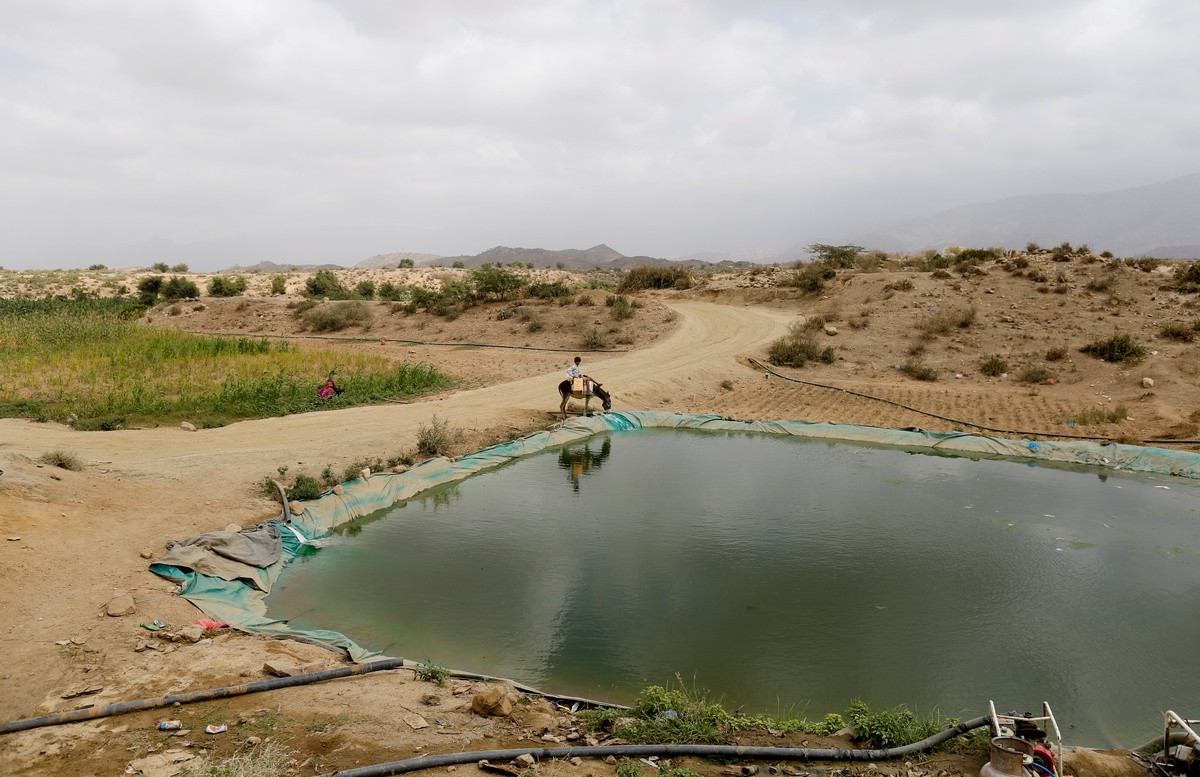
In al-Jaraib, well water is available for free. Those who can afford to buy water from tankers which fill up from a pond 7 km (4 miles) from the village.
Abdu said Afaf is to eat only fruit and vegetables and no wheat products.
Fatima Ibrahim Hadi, 12, who is malnourished and weighs just 10kg, sits on a bed at a clinic in Aslam, in the northwestern province of Hajjah, Yemen, February 17, 2019. REUTERS/Khaled Abdullah
"By God, if I had anything at all I would have bought her vegetables and fruit but I have nothing," Abdu said, adding that if his dire situation continues he wont be able to afford her diet or to transport to her one-month check up.
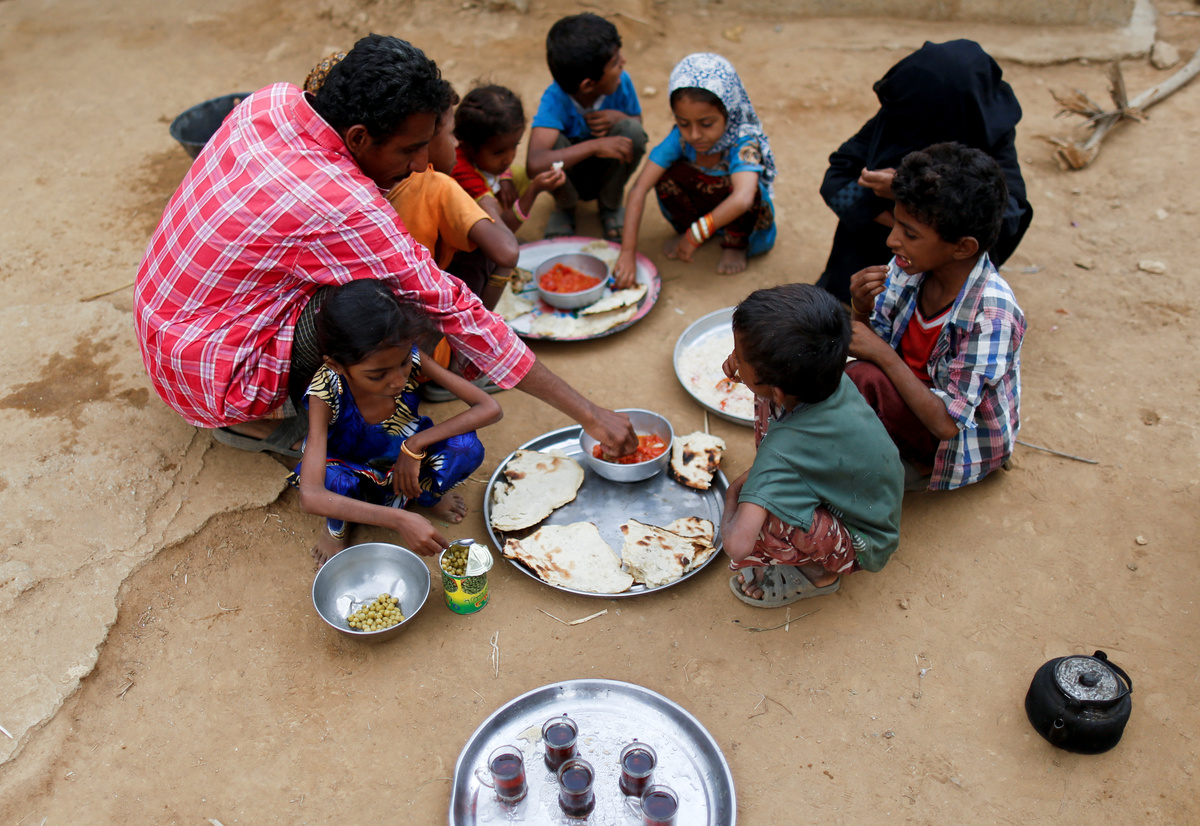
Back in her hillside village of brick and mud structures, where Abdu entertains his and neighbouring children by wheeling them around in a wheelbarrow, a fragile Afaf placidly helps her family prepare a simple meal of rice, tomato and bread.
As the children dig into the food with their hands, Afaf alone puts a spoon into a tin of peas provided for her recovery.
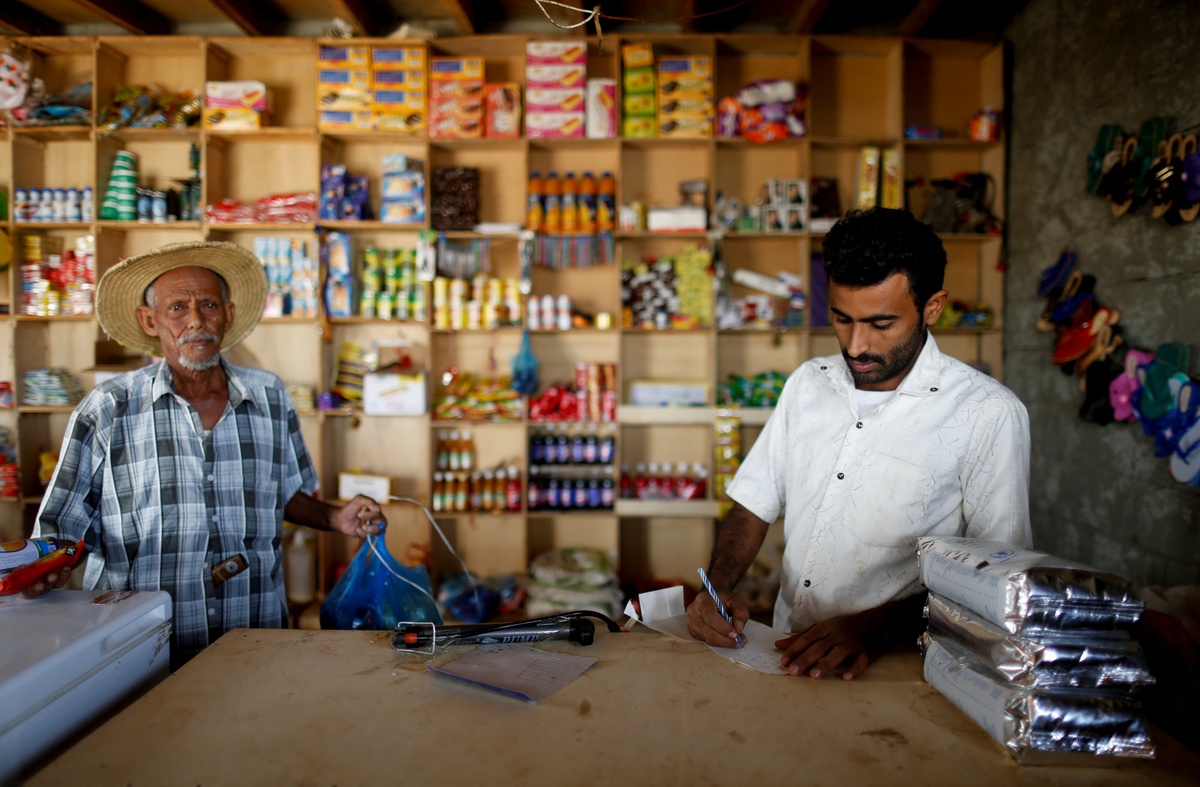
A customer stands by as a vendor calculates at a shop near the village of al-Jaraib, in the northwestern province of Hajjah, Yemen, February 20, 2019. REUTERS/Khaled Abdullah
Plagued by decades of instability, Yemen's most recent conflict began in late 2014 when Houthi forces drove the government of President Abd-Rabbu Mansour Hadi out of the capital Sanaa. A Saudi-backed alliance of Yemeni and Arab forces then intervened in March 2015 to restore Hadi's government.
The Iran-aligned Houthi movement, which says it is a revolution against corruption, controls Sanaa and most population centres.
The coalition led by Saudi Arabia and the United Arab Emirates is under increased Western pressure to end the war that has killed tens of thousands and sparked what the United Nations says is the world's most urgent humanitarian crisis.
People stand outside a mosque in the village of al-Jaraib, in the northwestern province of Hajjah, Yemen, February 19, 2019. REUTERS/Khaled Abdullah
In December, the warring sides reached a deal at U.N.-led peace talks for a ceasefire and troop withdrawal from the main port city of Hodeidah on the Red Sea.
The truce has largely held but the withdrawal has stalled due to mistrust among the parties, risking U.N. efforts to hold further talks to agree a framework for political negotiations to end the war. Violence and displacement also continue in other parts of Yemen not subject to the truce.
In Abdu's local market, around 6 km from al-Jaraib village in Houthi-controlled Hajjah province, men sell fruit, vegetables, grains and bags of ice hacked off a large block.
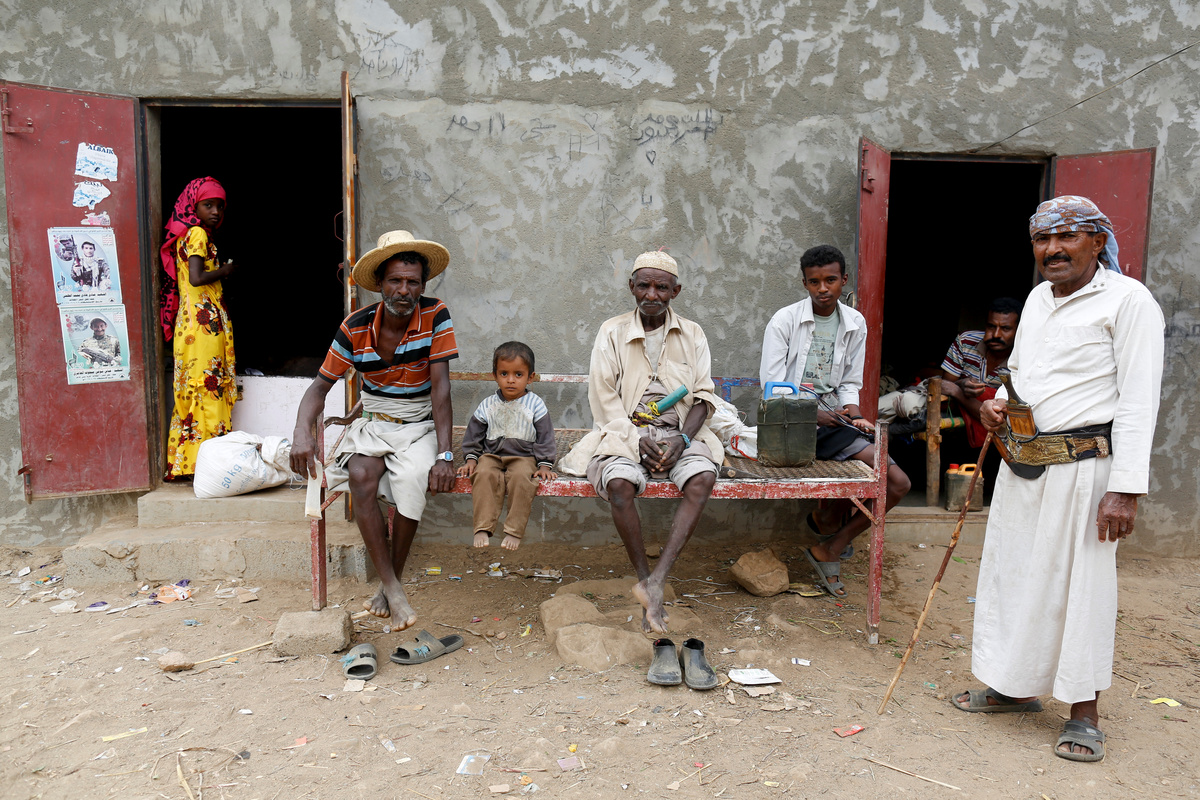
People sit outside in the village of al-Jaraib, in the northwestern province of Hajjah, Yemen February 18, 2019. REUTERS/Khaled Abdullah
"A 5 kg bag of rice cost 1,500 Yemen rials ($2.6 at market exchange rates and $3.4 at central bank rates) before the war, and now costs 3,500 rials," 45 year-old farmer Ali Ahmad al-Aslami said.
"A 20 kg bag of wheat used to be 6,000 and is now 9,000 rials. All prices have changed, even vegetables. A kilo of tomatoes, which was 100 rials, now costs 500."
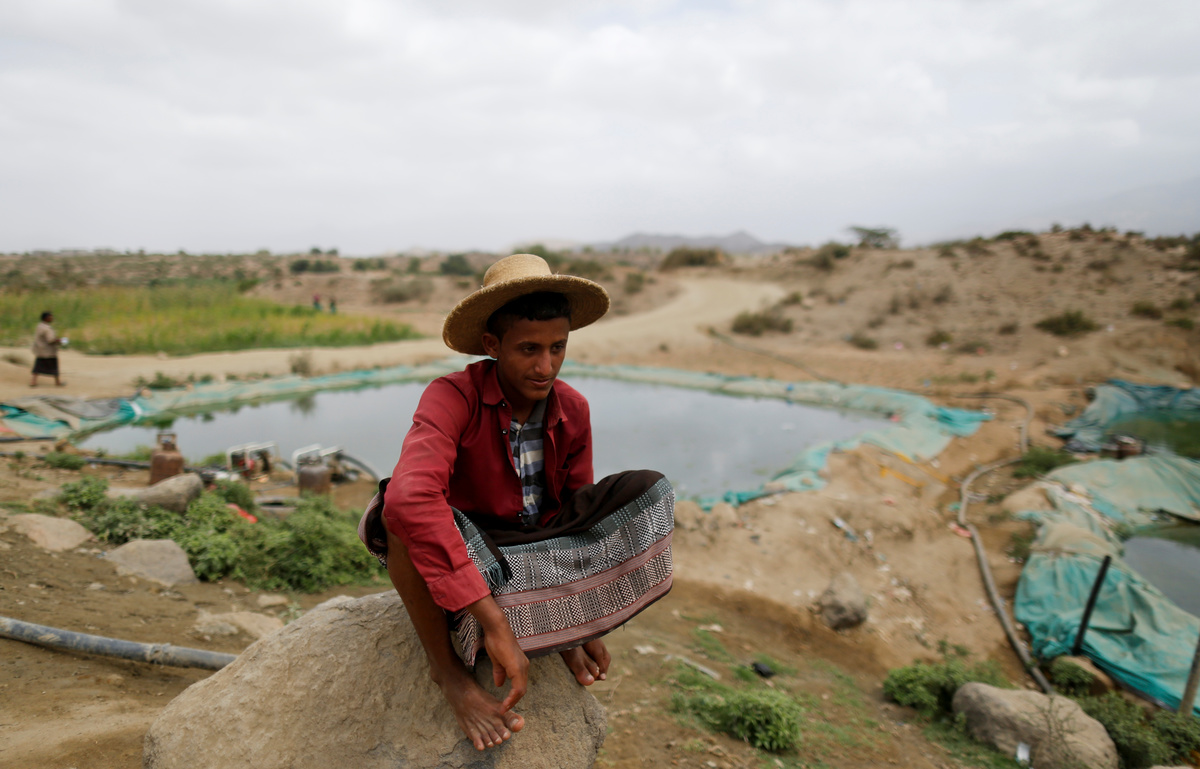
A man sits by a water pond near the village of al-Jaraib village in the northwestern province of Hajjah, Yemen, February 17, 2019. REUTERS/Khaled Abdullah
For a photo essay on hunger in Yemen, click on https://reut.rs/2Y7lBtz
(Reporting by Reuters team in Sanaa and Hajjah Province, YemenWriting by Lisa Barrington)
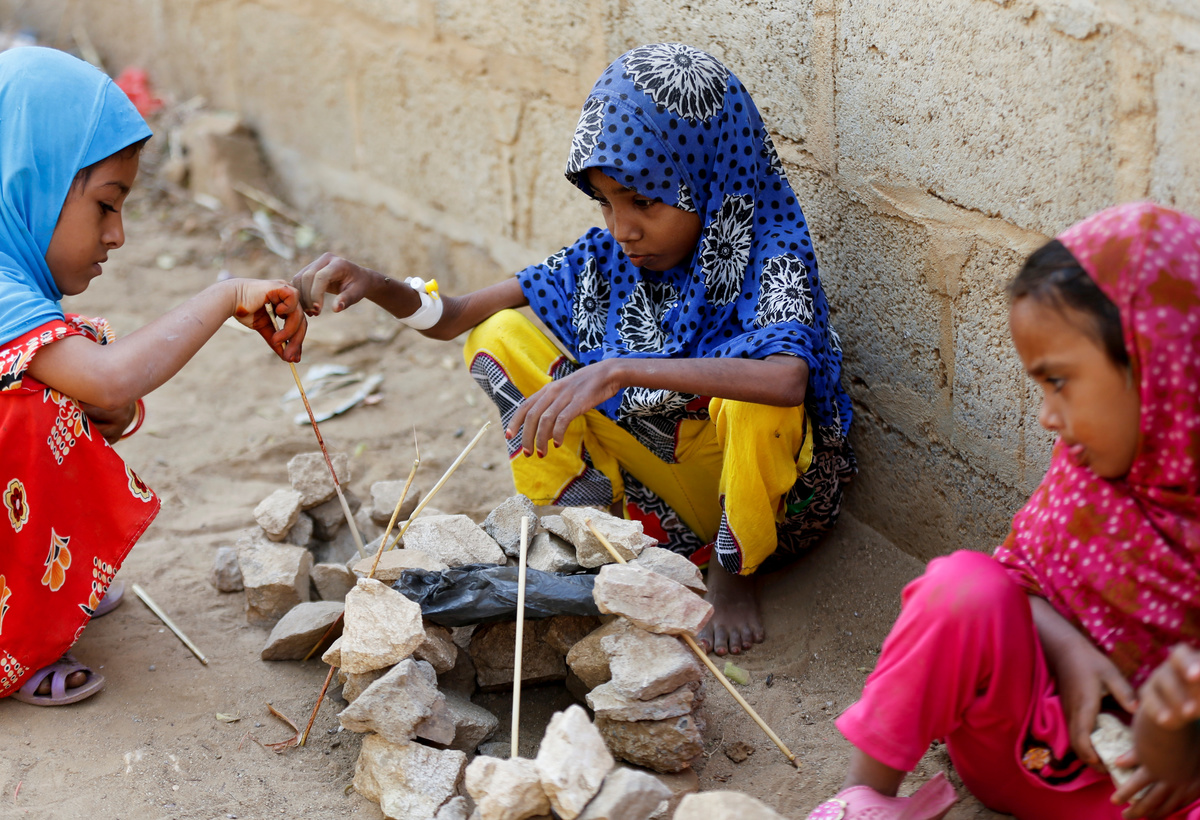
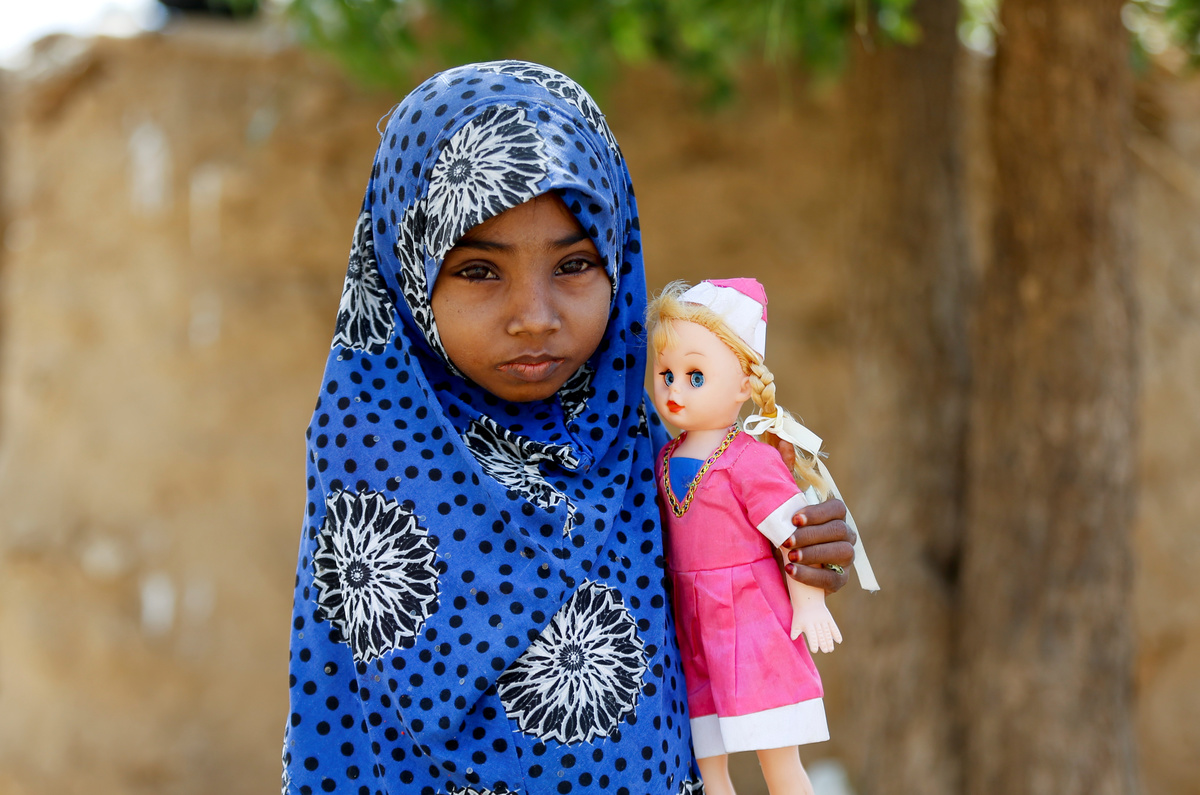
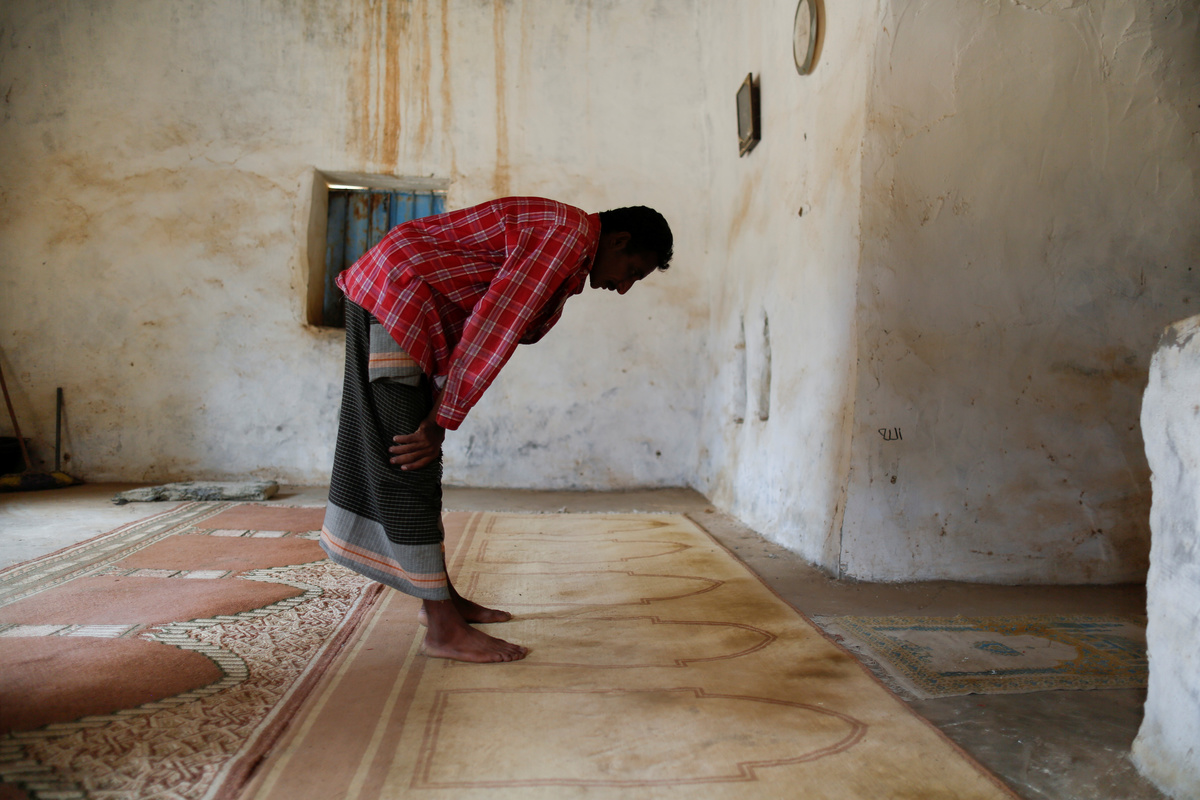
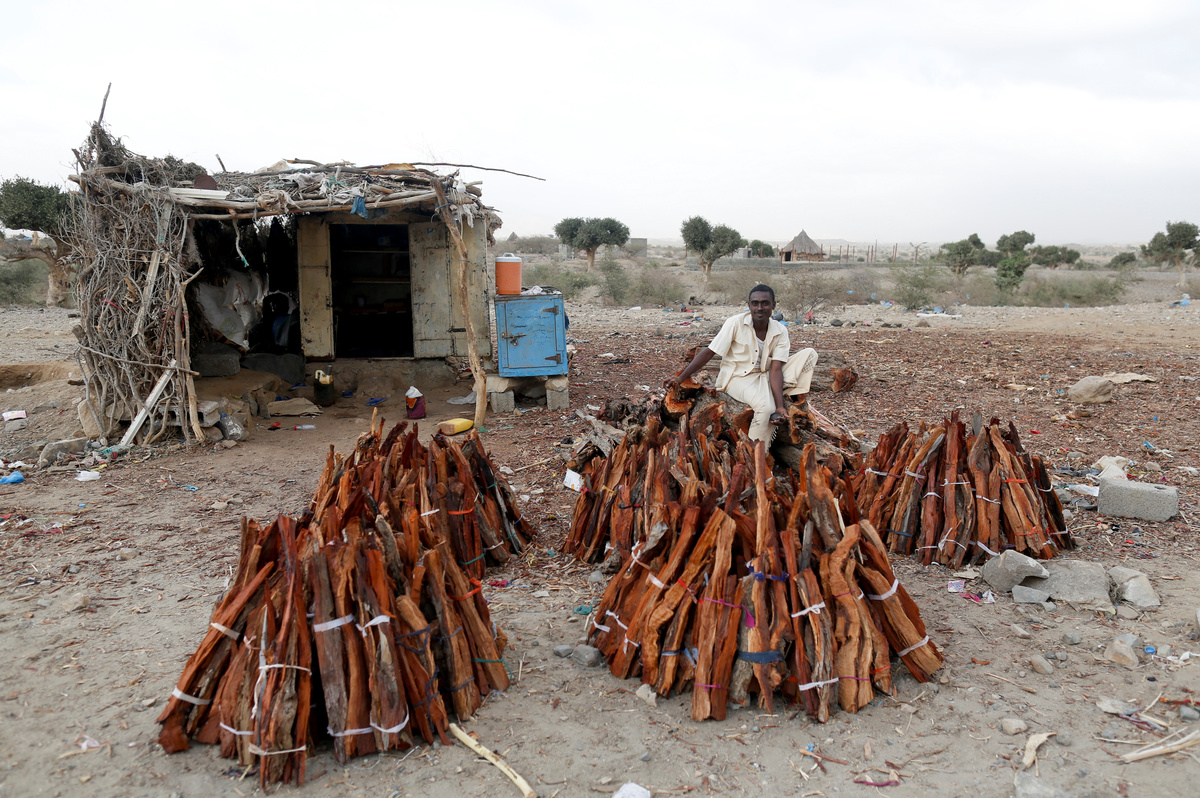
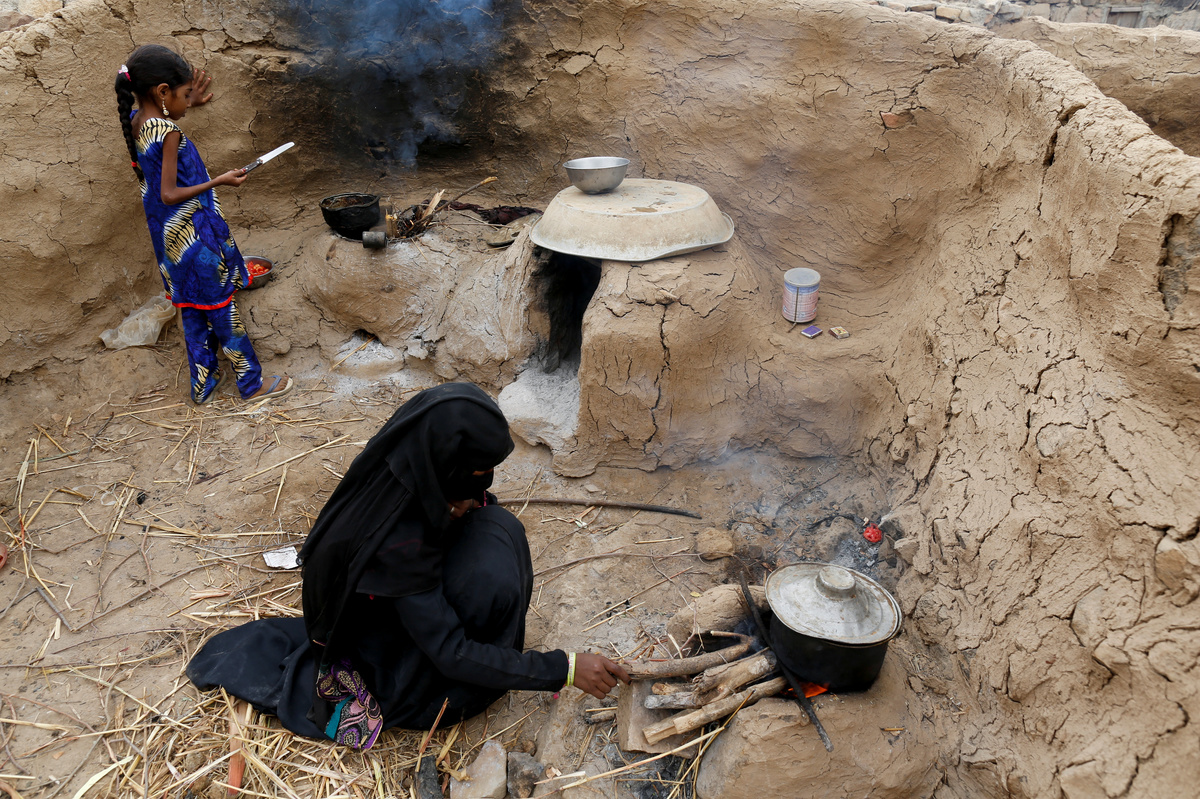
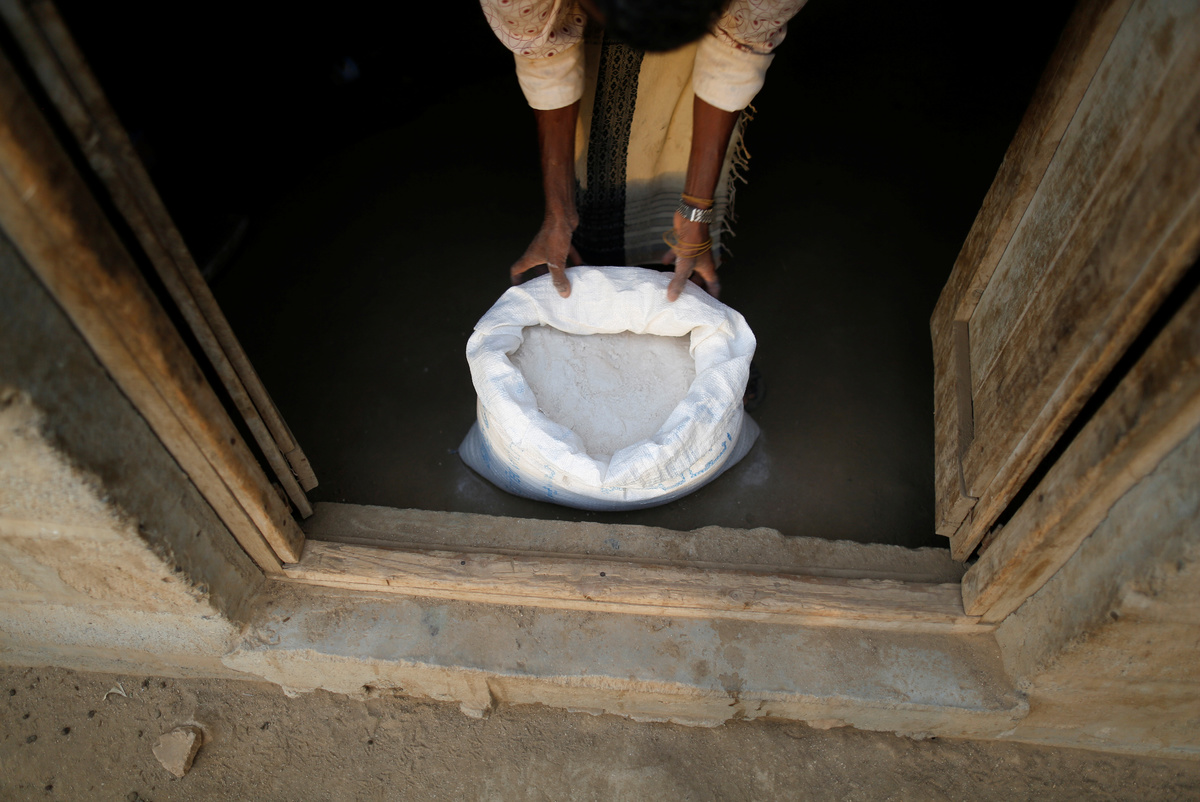
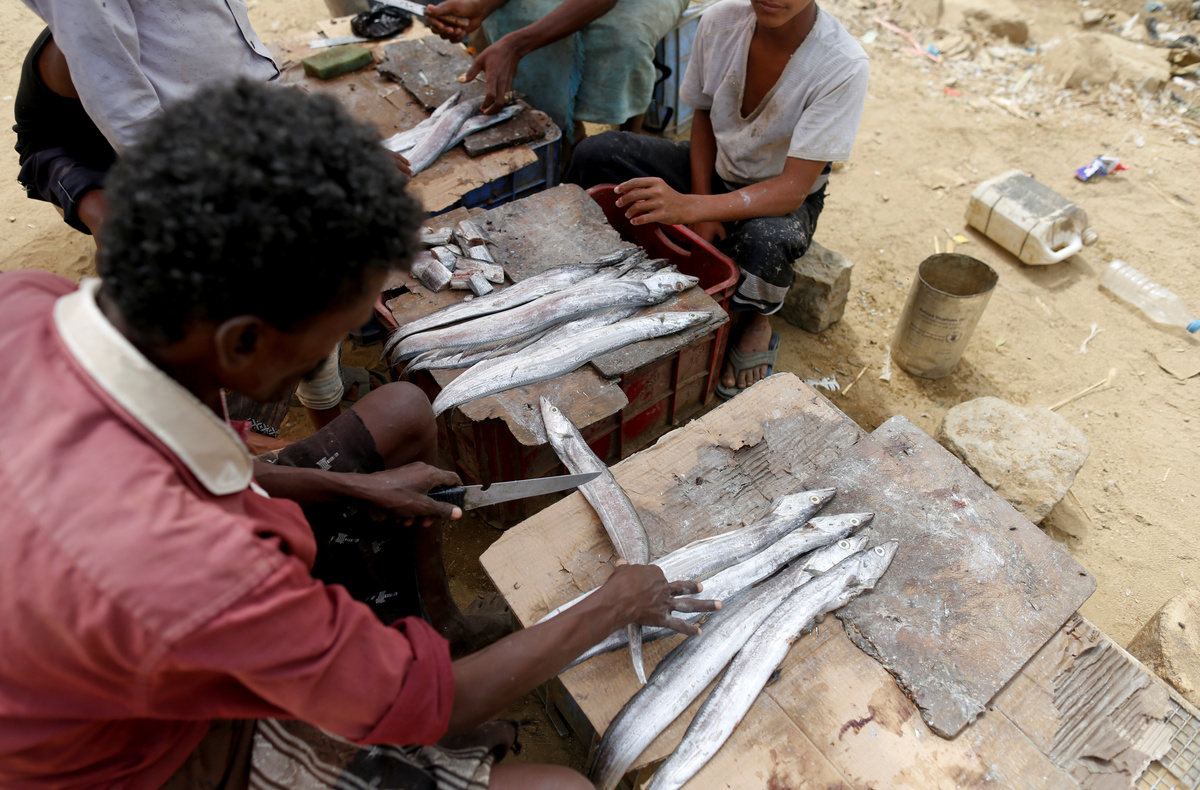
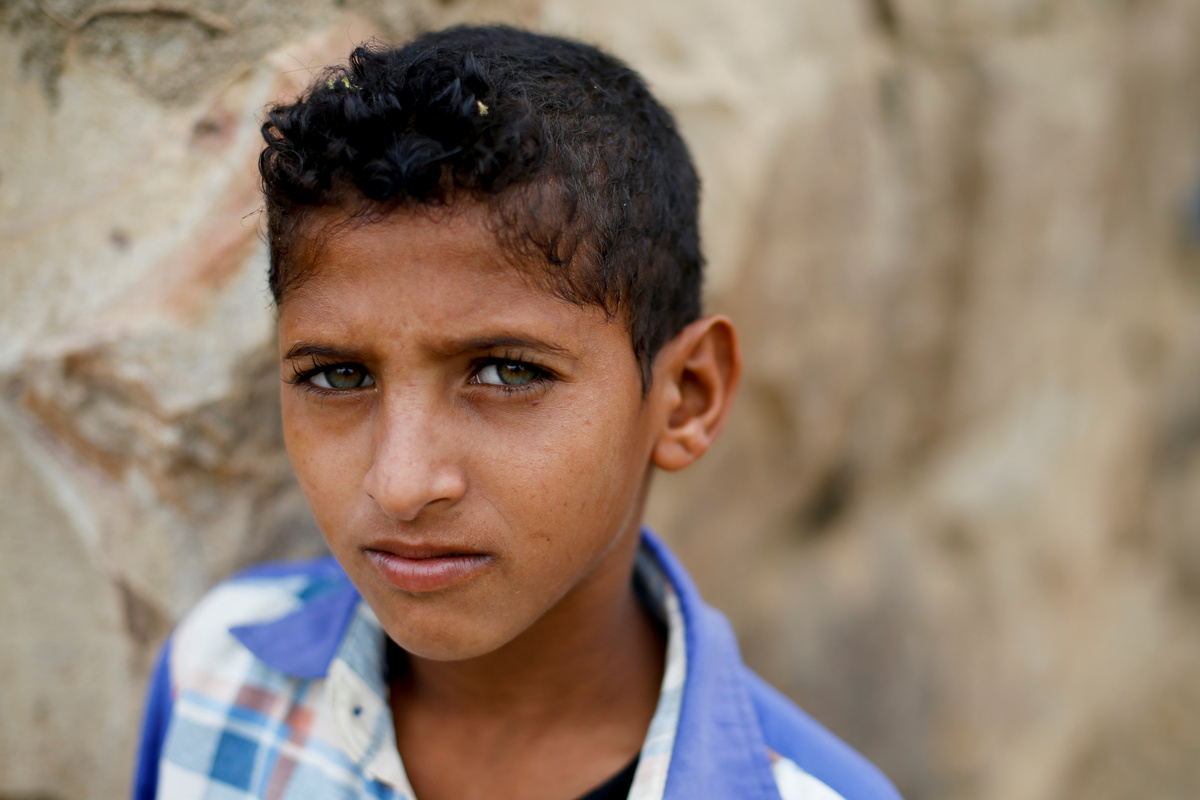
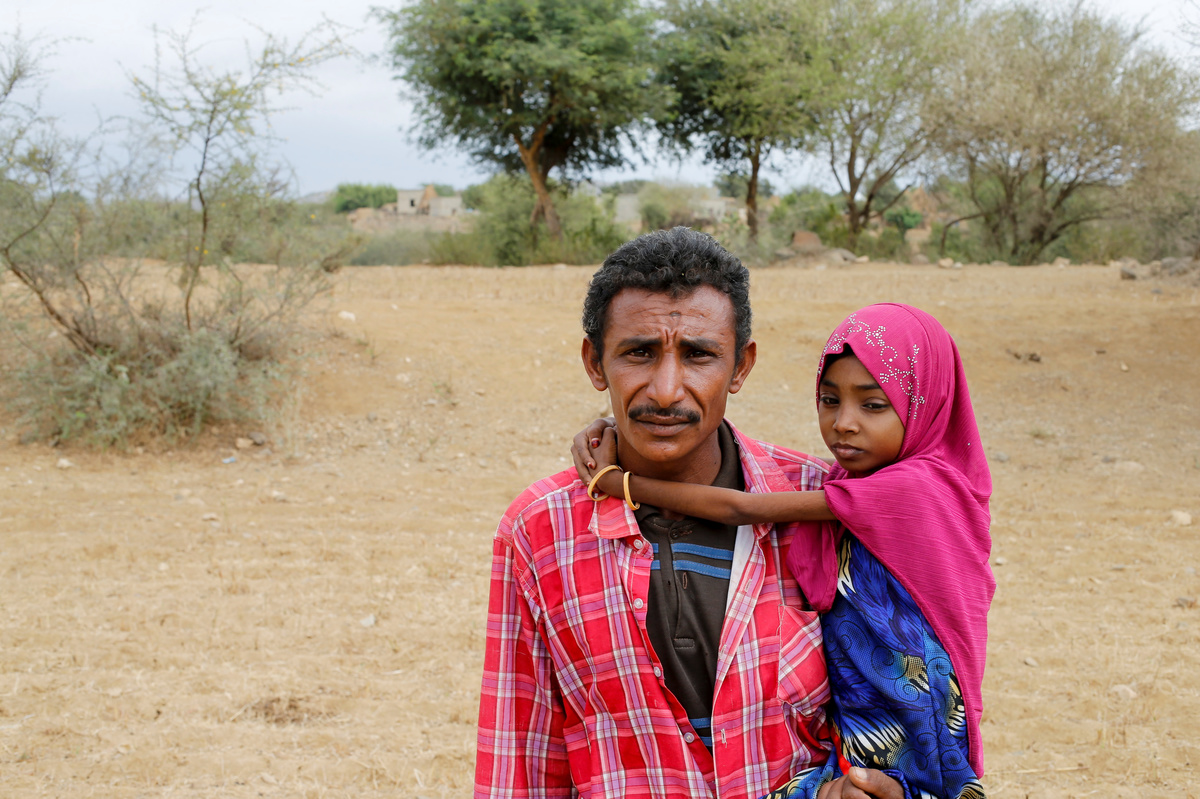
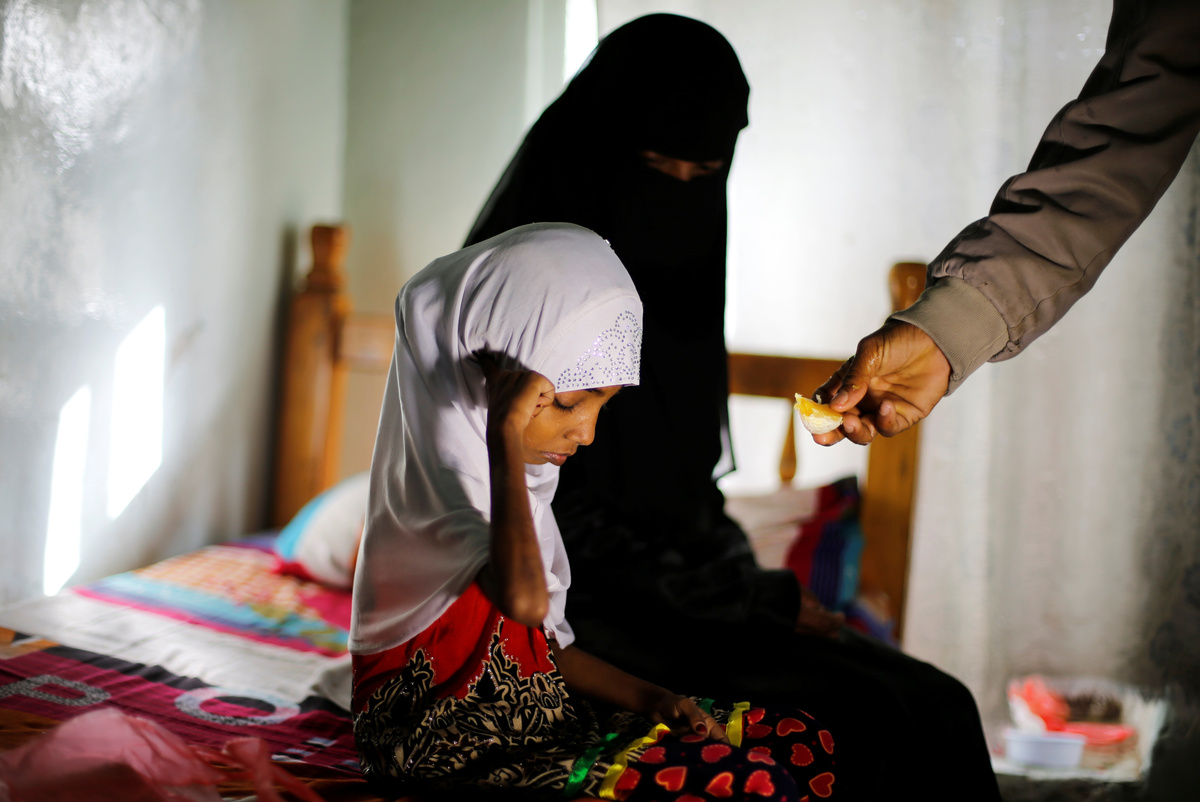
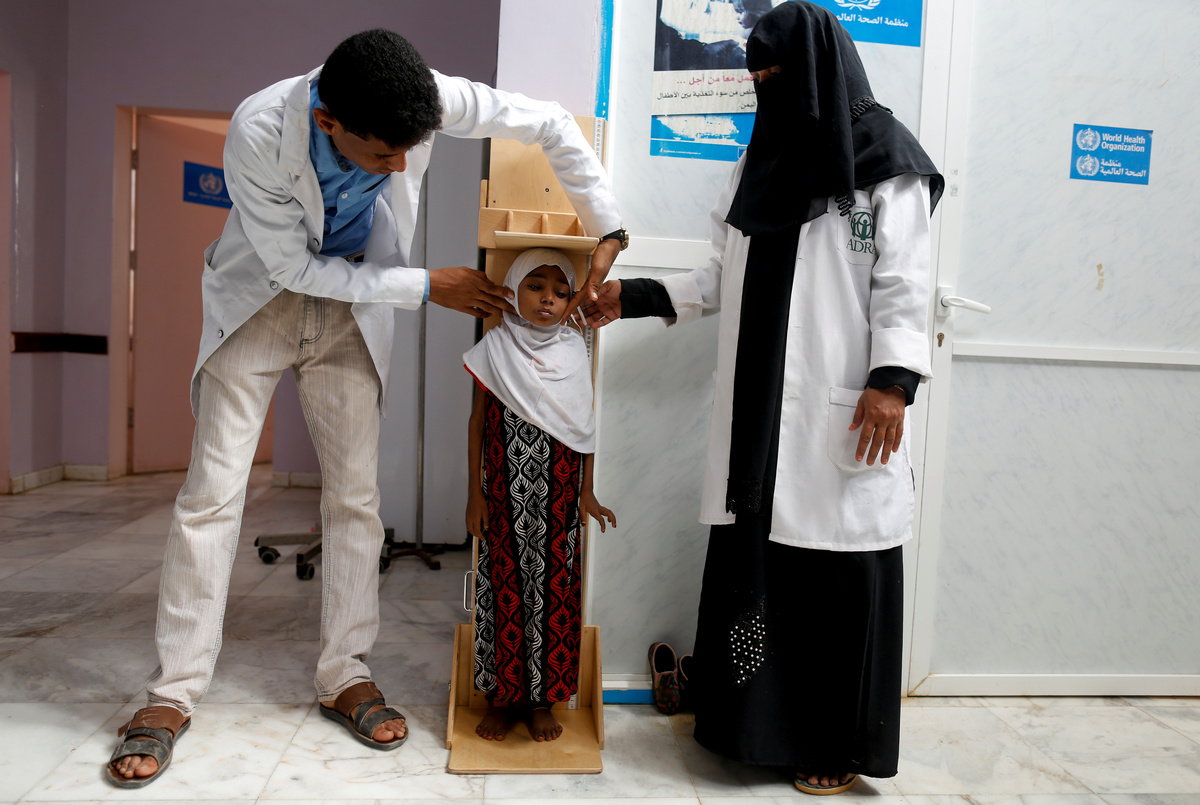
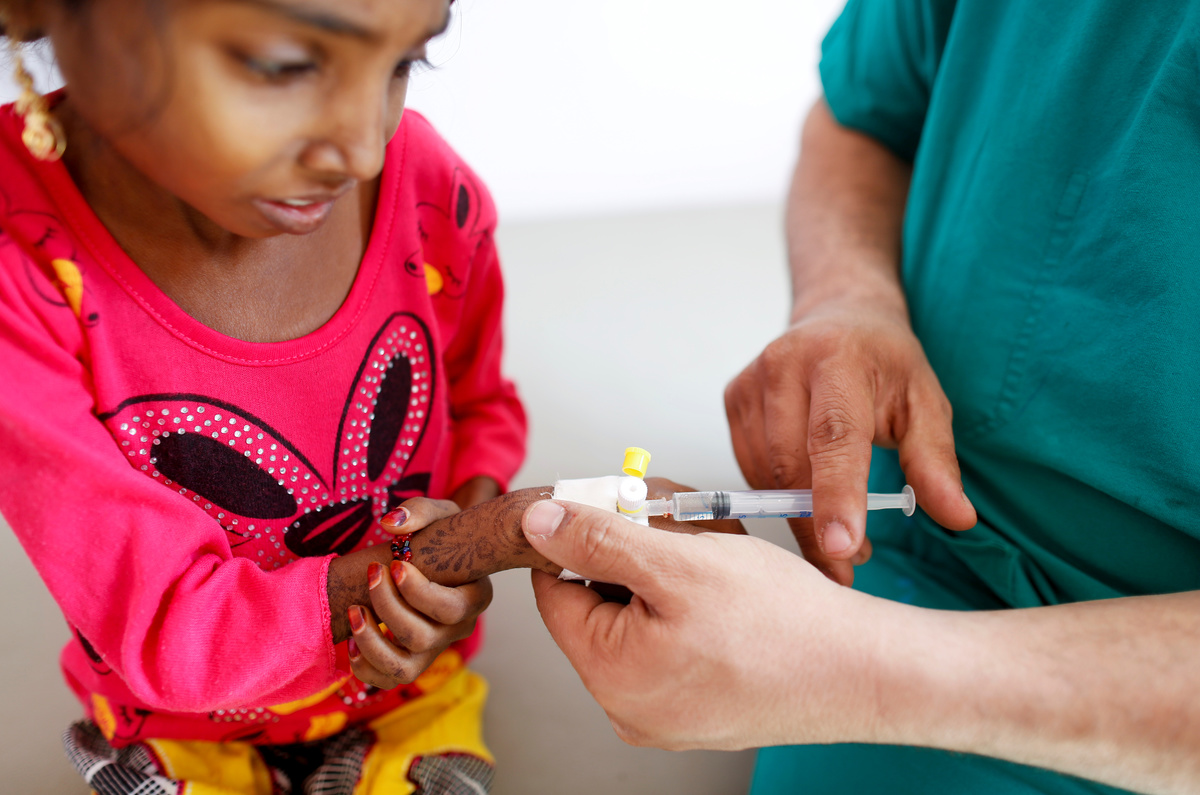
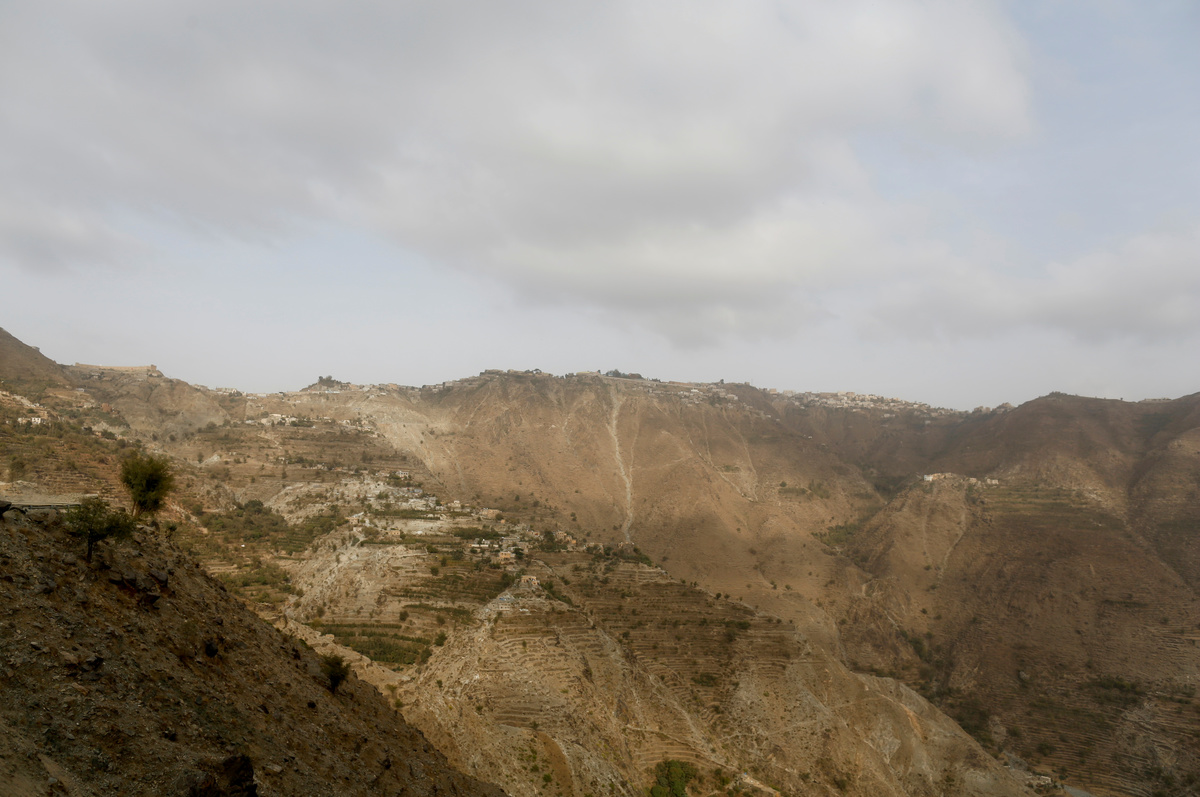
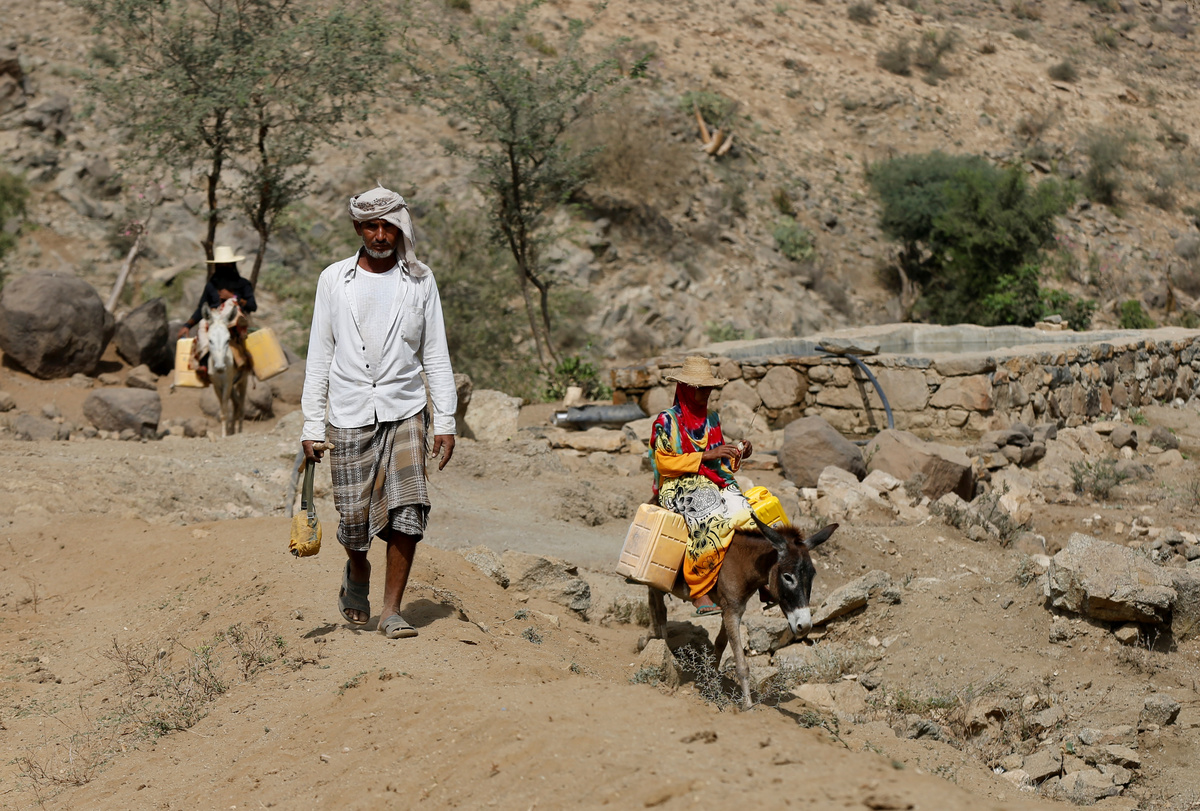
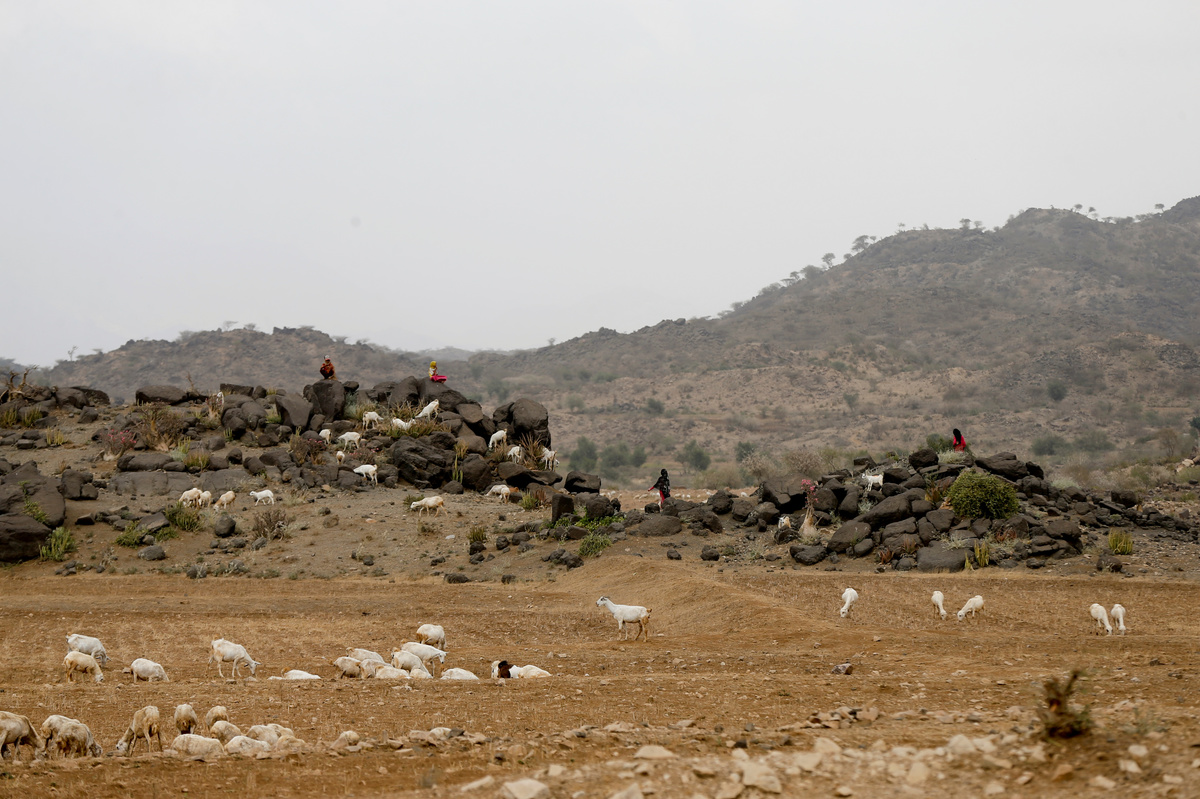
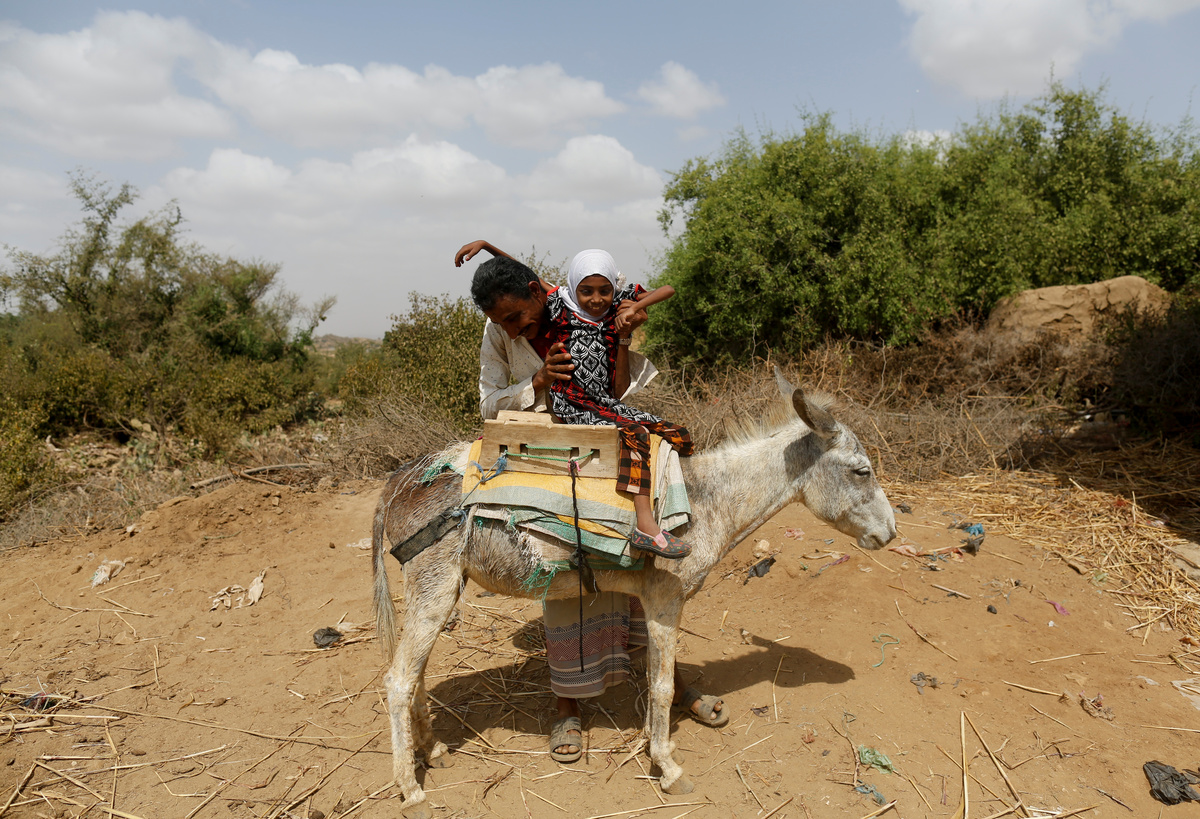
Afaf Hussein, 10, who is malnourished, receives an injection at a clinic in Sanaa, Yemen, February 14, 2019. A REUTERS/Khaled AbdullahAfaf Hussein, 10, who is malnourished, eats a tin of peas provided for her recovery as her father Hussein Abdu, 40, and other relatives and friends have a meal outside their house in the village of al-Jaraib, in the northwestern province of Hajjah, Yemen, February 19, 2019. REUTERS/Khaled AbdullahAfaf Hussein (C), 10, who is malnourished, plays with other girls near her family's house in the village of al-Jaraib, in the northwestern province of Hajjah, Yemen, February 20, 2019. REUTERS/Khaled AbdullahAfaf Hussein, 10, who is malnourished, lies inside a hut as she receives an injection near her family's house in the village of al-Jaraib, in the northwestern province of Hajjah, Yemen, February 20, 2019. REUTERS/Khaled AbdullahAfaf Hussein, 10, who is malnourished, holds her doll near her family's house in the village of al-Jaraib, in the northwestern province of Hajjah, Yemen, February 20, 2019. REUTERS/Khaled AbdullahHussein Abdu, 40, the father of ten-year-old malnourished girl Afaf Hussein, performs prayers at a mosque in the village of al-Jaraib, in the northwestern province of Hajjah, Yemen, February 19, 2019.EUTERS/Khaled AbdullahA firewood vendor waits for customers on the side of a road to the village of al-Jaraib, in the northwestern province of Hajjah, Yemen, February 18, 2019. REUTERS/Khaled AbdullahAfaf Hussein (L), 10, who is malnourished, and her sister cook a meal in their family's kitchen outside their house in the village of al-Jaraib, in the northwestern province of Hajjah, Yemen, February 19, 2019. REUTERS/Khaled AbdullahA man displays a sack of wheat flour at his home in the village of al-Jaraib in the northwestern province of Hajjah, Yemen, February 19, 2019. REUTERS/Khaled AbdullahVendors clean fish at a market near the village of al-Jaraib, in the northwestern province of Hajjah, Yemen, February 20, 2019. REUTERS/Khaled AbdullahHamza Shayaa, 11, a cousin of ten-year-old malnourished girl Afaf Hussein, stands outside Afaf's family's home in the village of al-Jaraib, in the northwestern province of Hajjah, Yemen, February 19, 2019. REUTERS/Khaled AbdullahA bridge damaged by an air strike is pictured on a highway linking Yemen's capital Sanaa with the northwestern province of Hajjah, February 20, 2019. REUTERS/Khaled AbdullahHussein Abdu, 40, father of ten-year-old Afaf Hussein who is malnourished, carries her as he herds sheep near their village of al-Jaraib in northwestern province of Hajjah, Yemen, February 19, 2019. REUTERS/Khaled Abdullah Afaf Hussein, 10, who is malnourished, sits next to her stepmother as her father Hussein Abdu, 40, gives her a slice of an orange at a hotel in Sanaa, Yemen, February 14, 2019. REUTERS/Khaled AbdullahAfaf Hussein, 10, who is malnourished, waits to be weighed at the malnutrition treatment ward of al-Sabeen hospital in Sanaa, Yemen, February 3, 2019.REUTERS/Khaled AbdullahAfaf Hussein, 10, who is malnourished, stands with her father Hussein Abdu, 40, as he herds sheep near their village of al-Jaraib in northwestern province of Hajjah, Yemen, February 19, 2019. REUTERS/Khaled AbdullahA boy rides on the back of a donkey as he collects water from a pond near the al-Jaraib village in the northwestern province of Hajjah, Yemen, February 17, 2019. REUTERS/Khaled AbdullahNurses measure the height of Afaf Hussein, 10, who is malnourished, at a clinic in Aslam, in the northwestern province of Hajjah, Yemen, February 17, 2019. REUTERS/Khaled AbdullahAfaf Hussein, 10, who is malnourished, receives an injection at the malnutrition treatment ward of al-Sabeen hospital in Sanaa, Yemen, February 3, 2019. REUTERS/Khaled AbdullahMountain villages overlook the road to the village of al-Jaraib in the northwestern province of Hajjah, Yemen, February 20, 2019. REUTERS/Khaled AbdullahA nurse weighs Afaf Hussein, 10, who is malnourished in Aslam, in the northwestern province of Hajjah, Yemen, February 17, 2019. REUTERS/Khaled AbdullahA man walks as women ride donkeys after they collected water from a well in al-Jaraib, in the northwestern province of Hajjah, Yemen, February 20, 2019.REUTERS/Khaled AbdullahStudents attend a class at a school where Afaf Hussein, 10, who is malnourished, used to study near her home village of al-Jaraib in northwestern province of Hajjah, Yemen, February 19, 2019. REUTERS/Khaled Abdullah Girls herd sheep and goats near the village of al-Jaraib, in the northwestern province of Hajjah, Yemen, February 18, 2019. REUTERS/Khaled AbdullahHussein Abdu, 40, father of ten-year-old Afaf Hussein who is malnourished, helps her get on the donkey near their house in the village of al-Jaraib, northwestern province of Hajjah, Yemen, February 17, 2019. REUTERS/Khaled Abdullah
Sign up to read this article
Read news from 100's of titles, curated specifically for you.