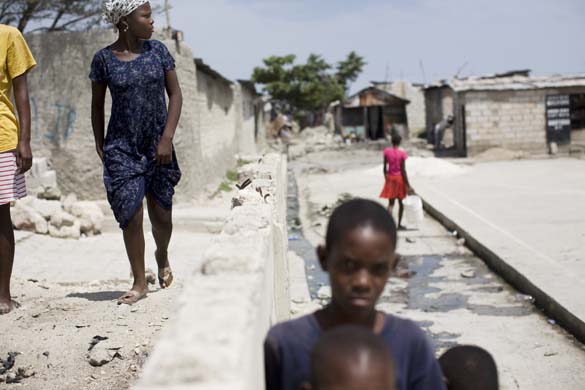
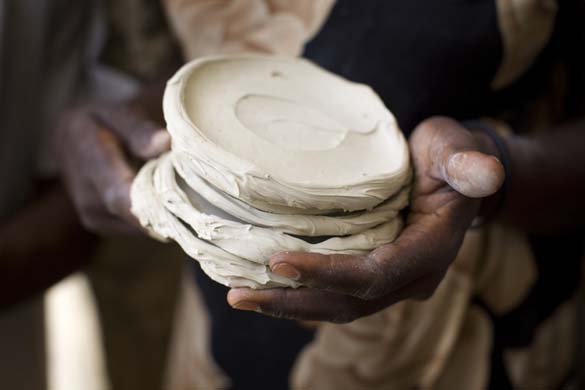
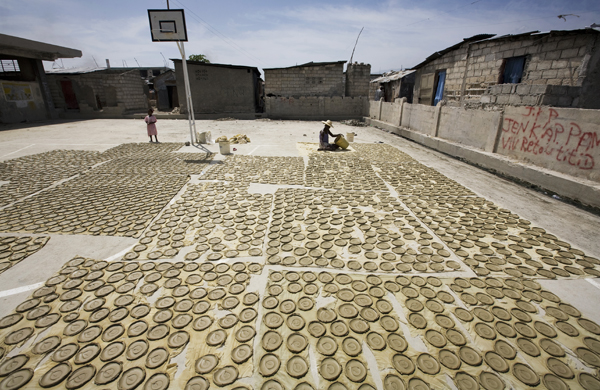
Cite Soleil, also known as Democracy Village, is one of the poorest of Port-Au-Prince's slum areas Photograph: David Levene/GuardianIn Cite Soleil, the production of mud cakes for human consumption is a thriving businessPhotograph: David Levene/GuardianSpecial soil is brought from the north of the country, mixed and spread into discs that dry in the sun to produce a dry, powdery-tasting kind of mud biscuitPhotograph: David Levene/Guardian
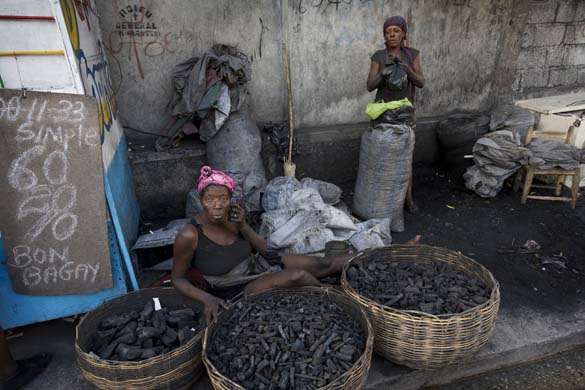
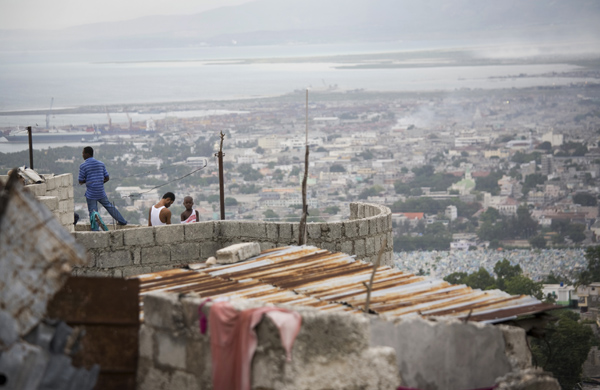
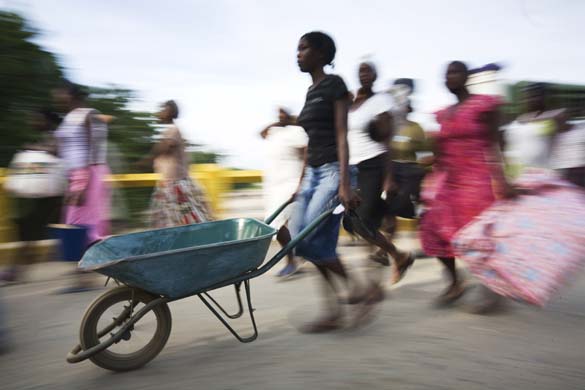
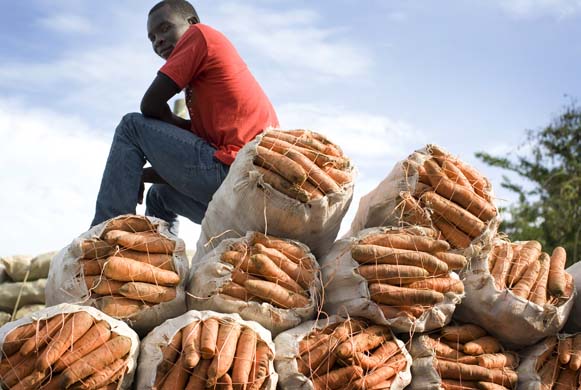
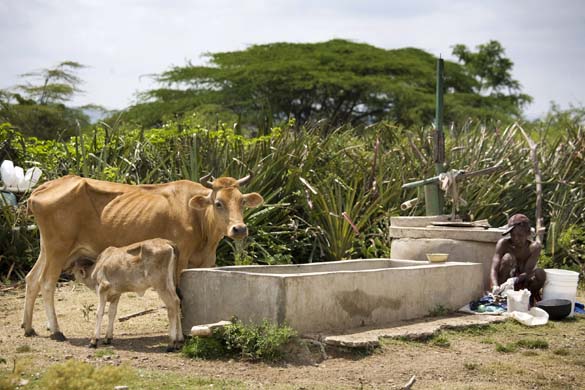
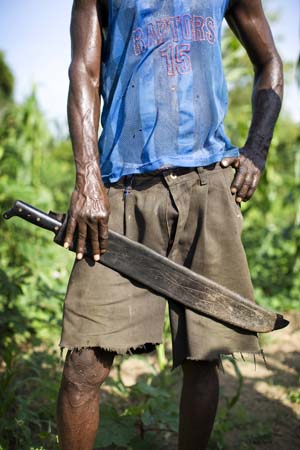
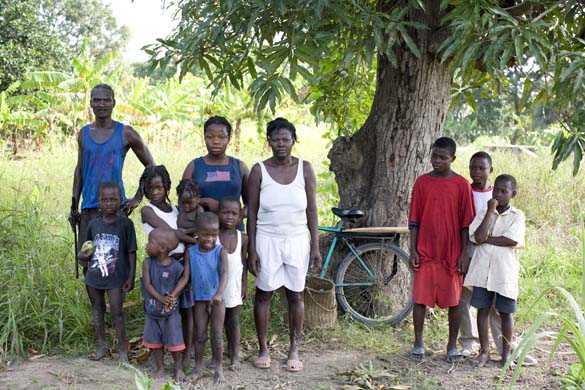
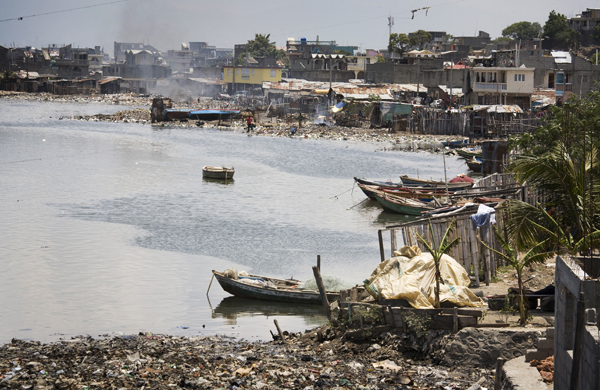
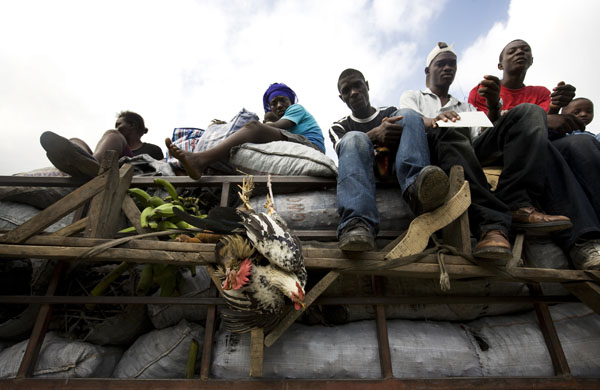
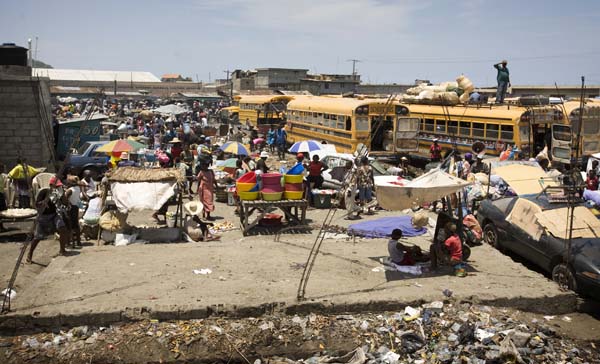
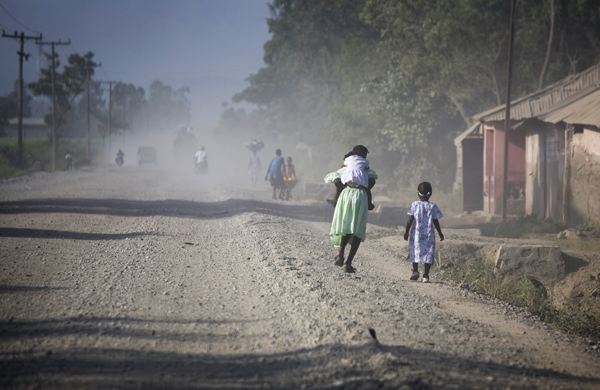
The cakes are laid out in a playground near the old structure of Fort Dimanche - a former military barracks used as a torture centre during the Duvalier dictatorship Photograph: David Levene/Guardian The cakes are sold at markets for one Haitian Gourde each (about 0.01p) Photograph: David Levene/GuardianWomen sell coal on the street in Port-Au-PrincePhotograph: David Levene/GuardianThe densely populated slum area of Carrefour-Feuilles sits above downtown Port-Au-PrincePhotograph: David Levene/GuardianA supplementary feeding centre in the Carrefour-Feuilles district. According to the UN, two-thirds of Haitians live on less than 50p a day and half are undernourished Photograph: David Levene/GuardianThis malnourished children here is undergoing a feeding programme to help bring them back to their correct weightPhotograph: David Levene/GuardianThe border crossing between the town of Dajabon in the Dominican Republic and Ouanaminthe in the North-east province of Haiti is one of the four main land crossings between the two countriesPhotograph: David Levene/GuardianThe border opens twice a week to allow Haitians to pass across to the Dominican side. Some travel from as far as the west coast of Haiti to buy goods from the Dominican RepublicPhotograph: David Levene/GuardianIf the average annual income in Haiti is about $400, it is probably even less around OuanaminthePhotograph: David Levene/GuardianA scene at the market in OuanaminthePhotograph: David Levene/GuardianFarmer Marie Selmon, 54 washes clothes at a water pump. She is a local dairy farmer near the Let Agogo dairy processing factory in Limonade, near Cap Haitien Photograph: David Levene/GuardianGilbert Floville, 56 is a subsistence farmer near Limonade, Cap Haitien. More than 60% of the Haitian workforce is employed in agriculture, but trade liberalisation policies have led to an estimated 830,000 job lossesPhotograph: David Levene/GuardianSubsistence farmers with their family near Limonade, Cap Haitien. Lillian Guerrick, 56 and Jean Claude Tezin, 45, manage corn and livestock on two hectares of landPhotograph: David Levene/GuardianThe seafront at Cap Haitien, in the Northern province of Haiti. The port is more stable than the capital, Port-au-Prince, but pollution and poverty are still major problemsPhotograph: David Levene/GuardianPassengers take a ride on top of a coal truck near Cap HaitienPhotograph: David Levene/GuardianA market in the centre of Cap Haitien. Haiti is the poorest country in western hemisphere and has suffered from political turmoil and instability for many years Photograph: David Levene/GuardianPeople make their way down a dusty road in Cap Haitien Photograph: David Levene/Guardian
Sign up to read this article
Read news from 100’s of titles, curated specifically for you.