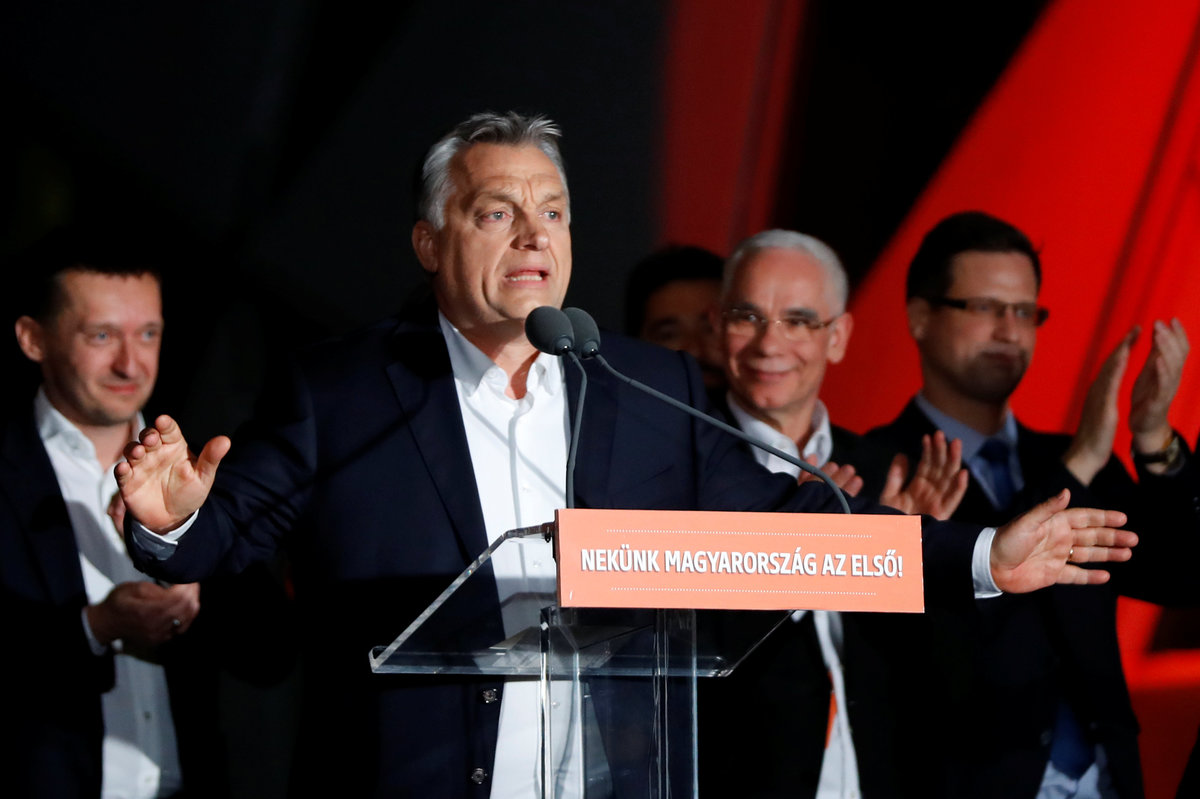
BUDAPEST, Hungary (Reuters) - Prime Minister Viktor Orban won a third straight term in power in Sunday elections after his anti-immigration campaign message secured a strong majority for his party in parliament, granting him two-thirds of seats based on preliminary results.
The rightwing nationalist prime minister projected himself as a saviour of Hungary's Christian culture against Muslim migration into Europe, an image which resonated with millions of voters, especially in rural areas.
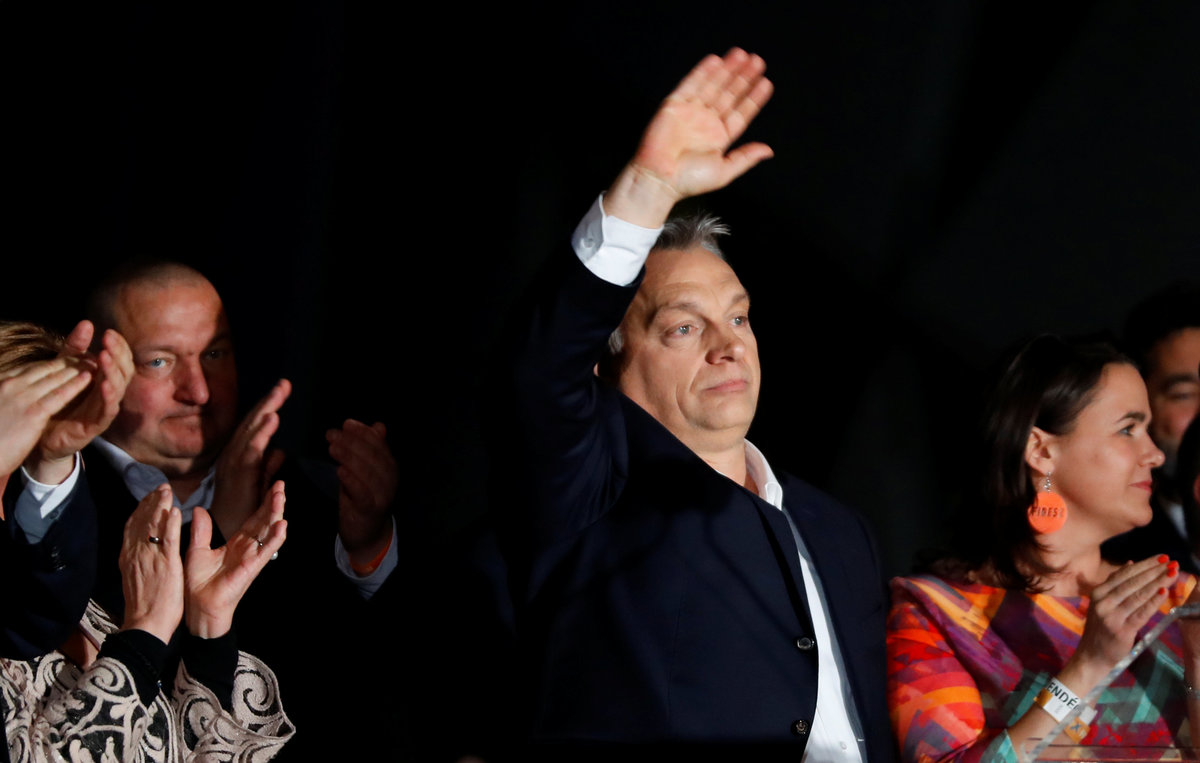
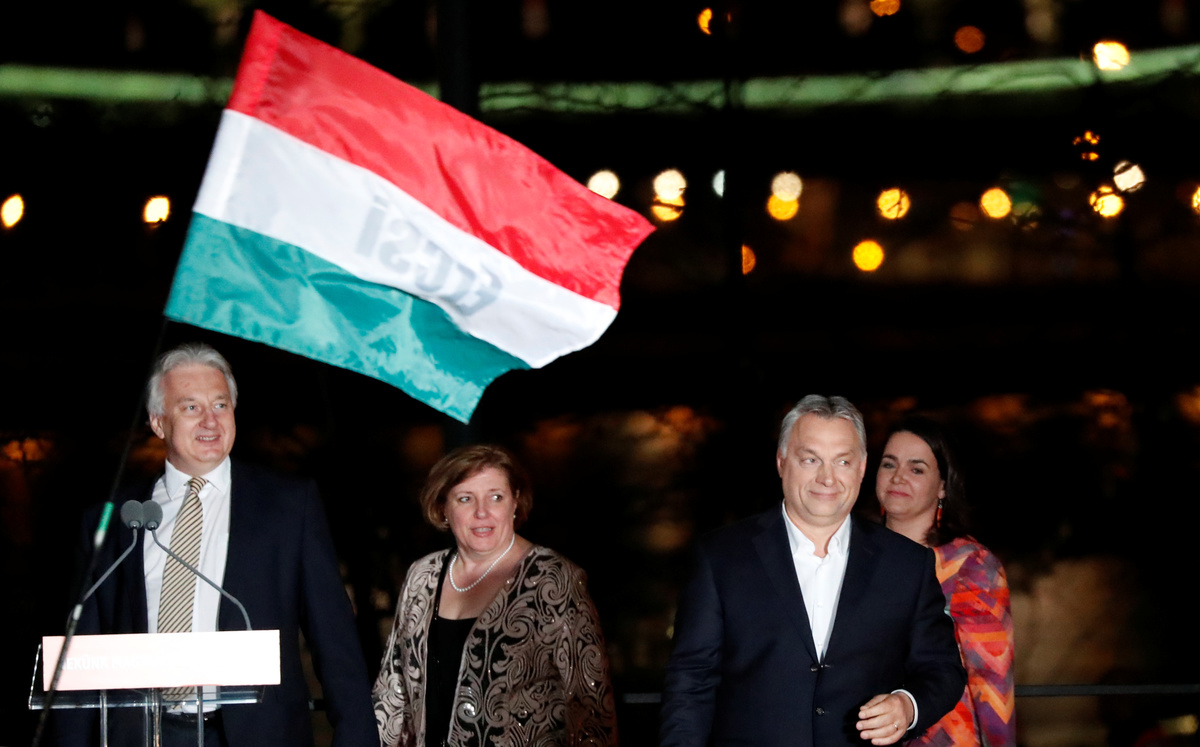
"We have won, Hungary has won a great victory," a jubilant Orban told a large crowd of cheering supporters near the Danube river in Budapest.
"There is a big battle behind us, we have won a crucial victory, giving ourself a chance to defend Hungary."
According to preliminary results with 93 percent of votes counted, National Election Office data projected Fidesz to win 133 seats, a tight two-thirds majority in the 199-seat parliament. Nationalist Jobbik was projected to win 26 seats, while the Socialists were projected as third with 20 lawmakers.
Two smaller leftist parties, DK and LMP, won nine and eight seats respectively.
That means Orban could have a two-thirds majority for a third time, and powers to change constitutional laws. The EU has struggled to respond as Orban's government has, in the view of its critics, used its two landslide victories in 2010 and 2014 to erode democratic checks and balances.
The victory could embolden Orban to put more muscle into a Central European alliance against the European Union's migration policies. Orban, Hungary's longest-serving post-communist premier, opposes deeper integration of the bloc and - teaming up with Poland - has been a fierce critique of Brussels' policies.
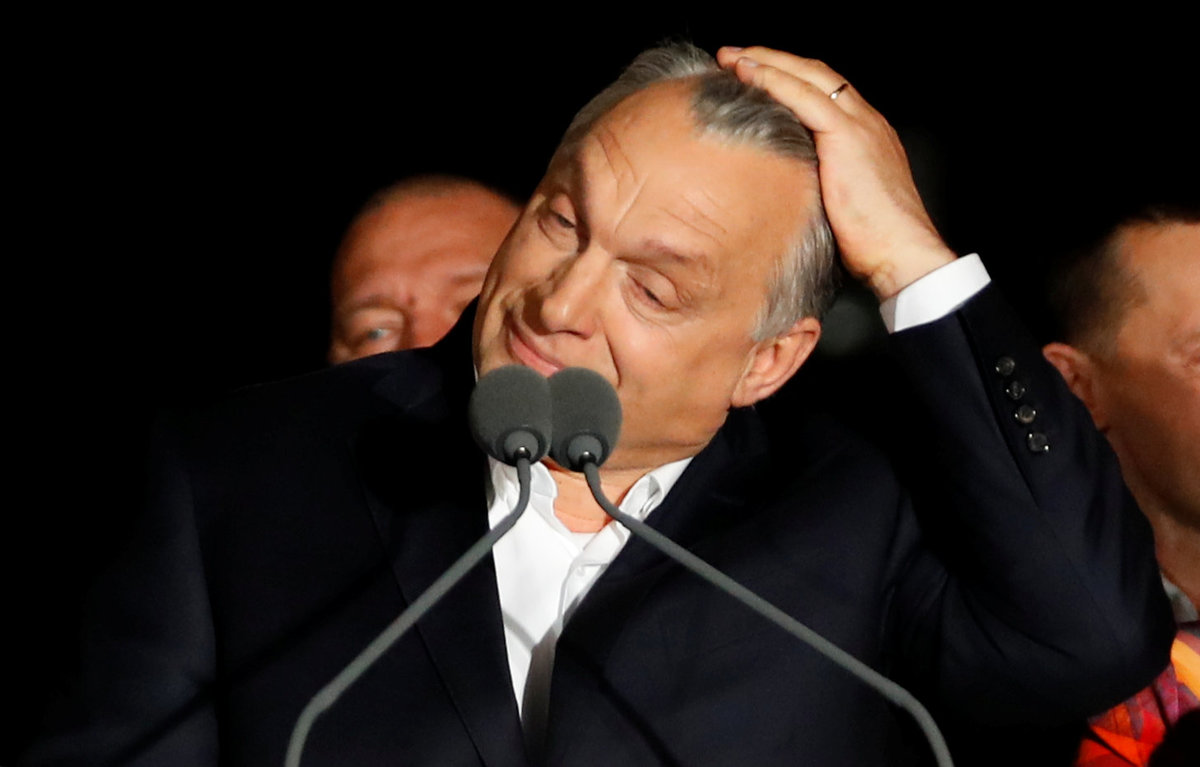
He expressed gratitude to Poland's leaders for their backing ahead of the vote.
French far-right leader Marine Le Pen, president of the National Front, was the first to congratulate Orban.
"Great and clear victory for Viktor Orban in Hungary: reversal of values and mass immigration as promoted by the EU are rejected again. Nationalists could win a majority in Europe at the next European elections in 2019," Le Pen tweeted.
OPPOSITION LEADERS RESIGN
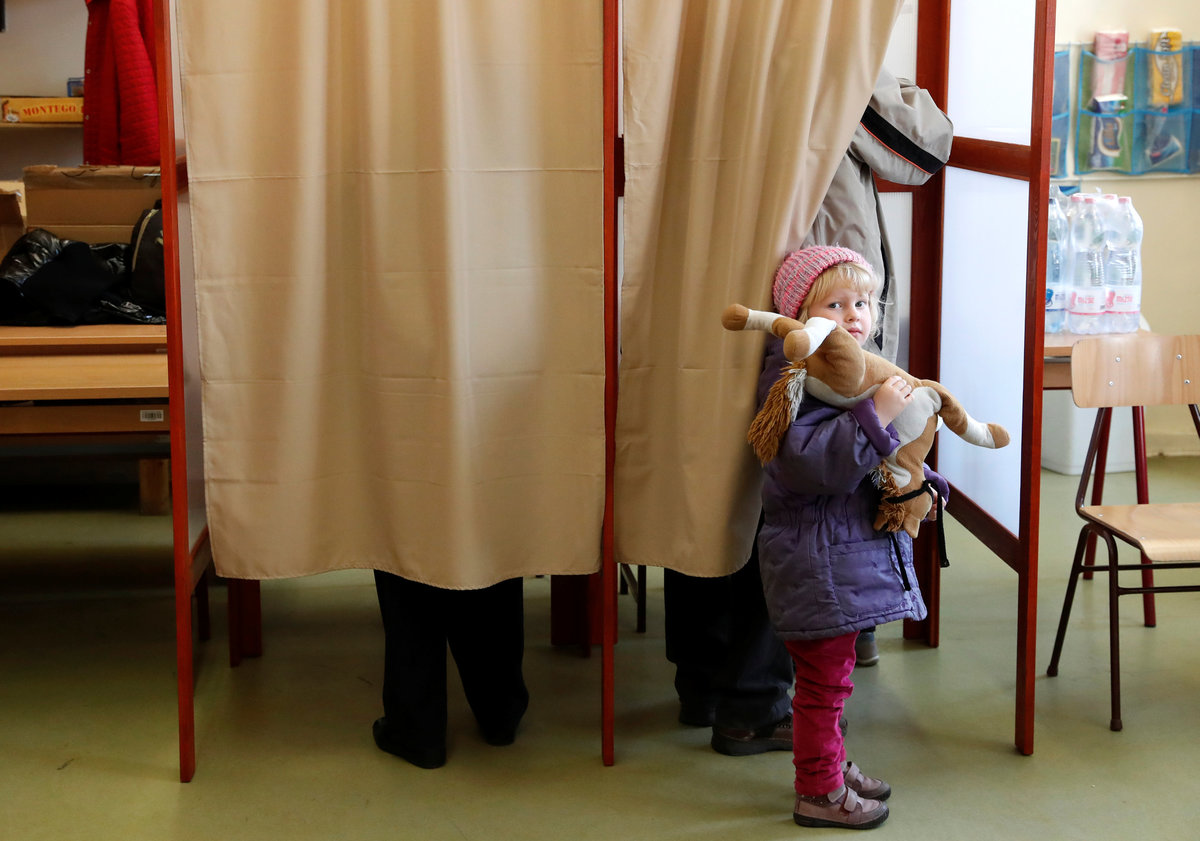
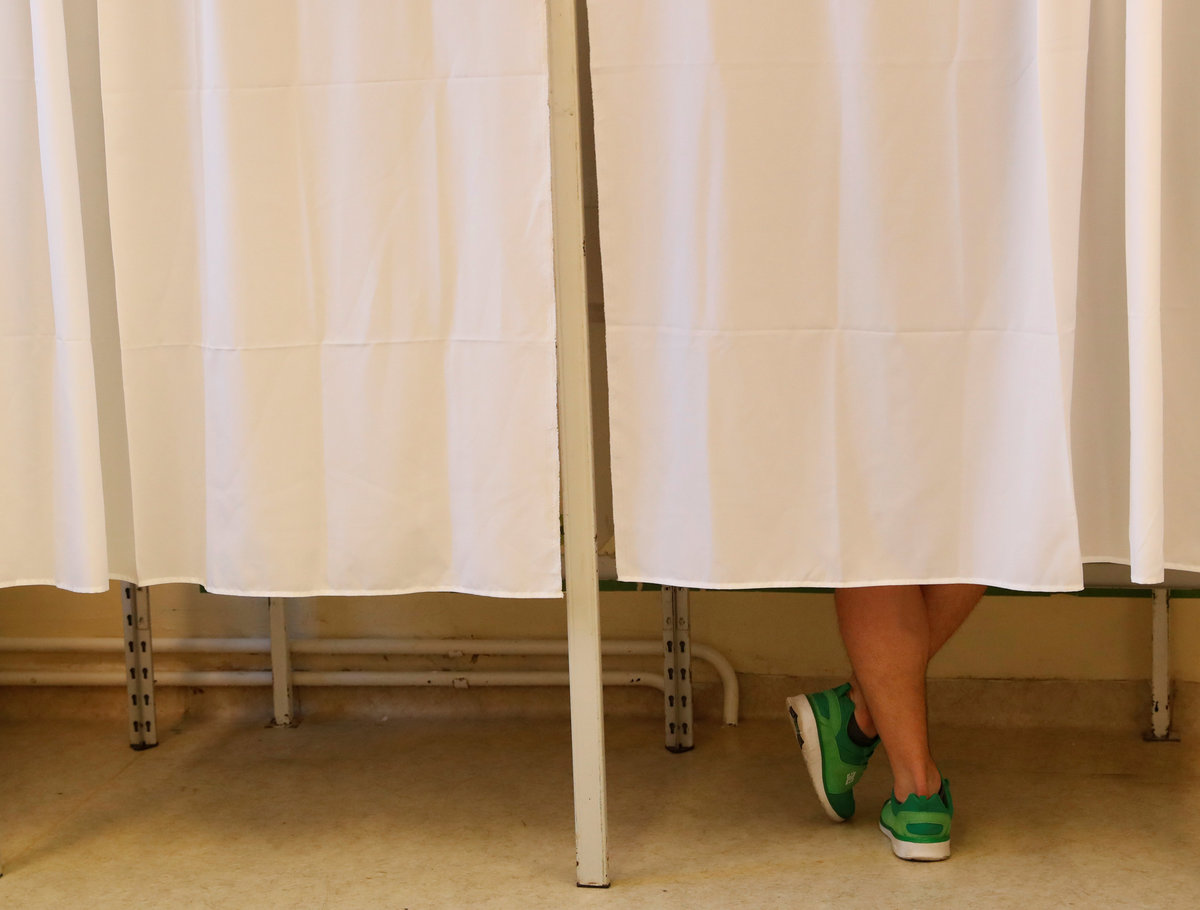
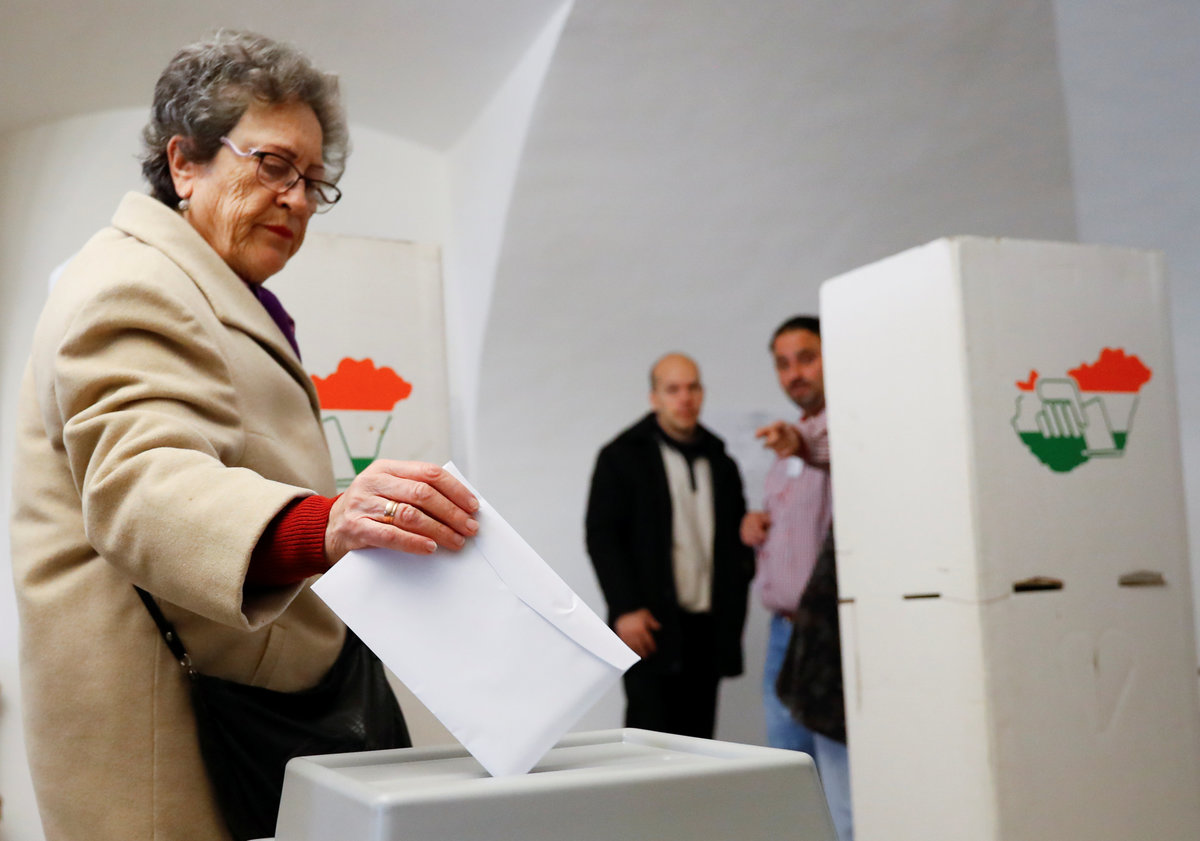
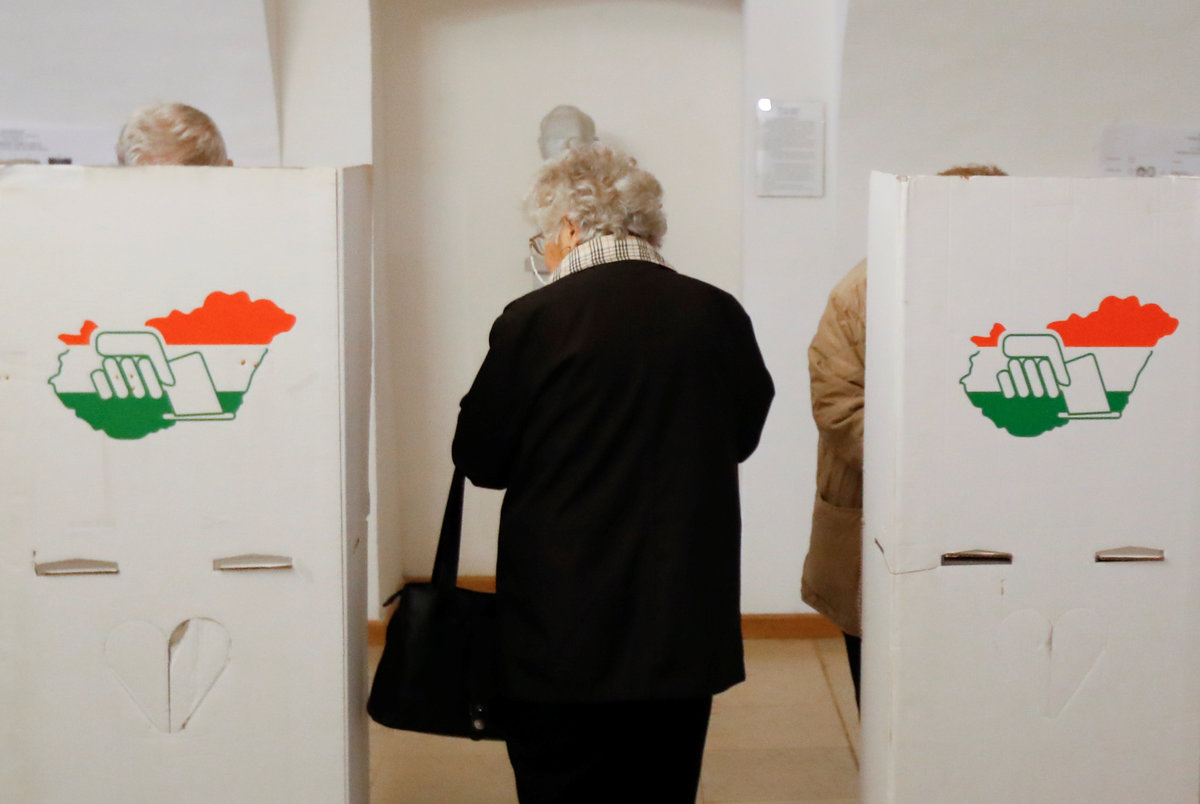
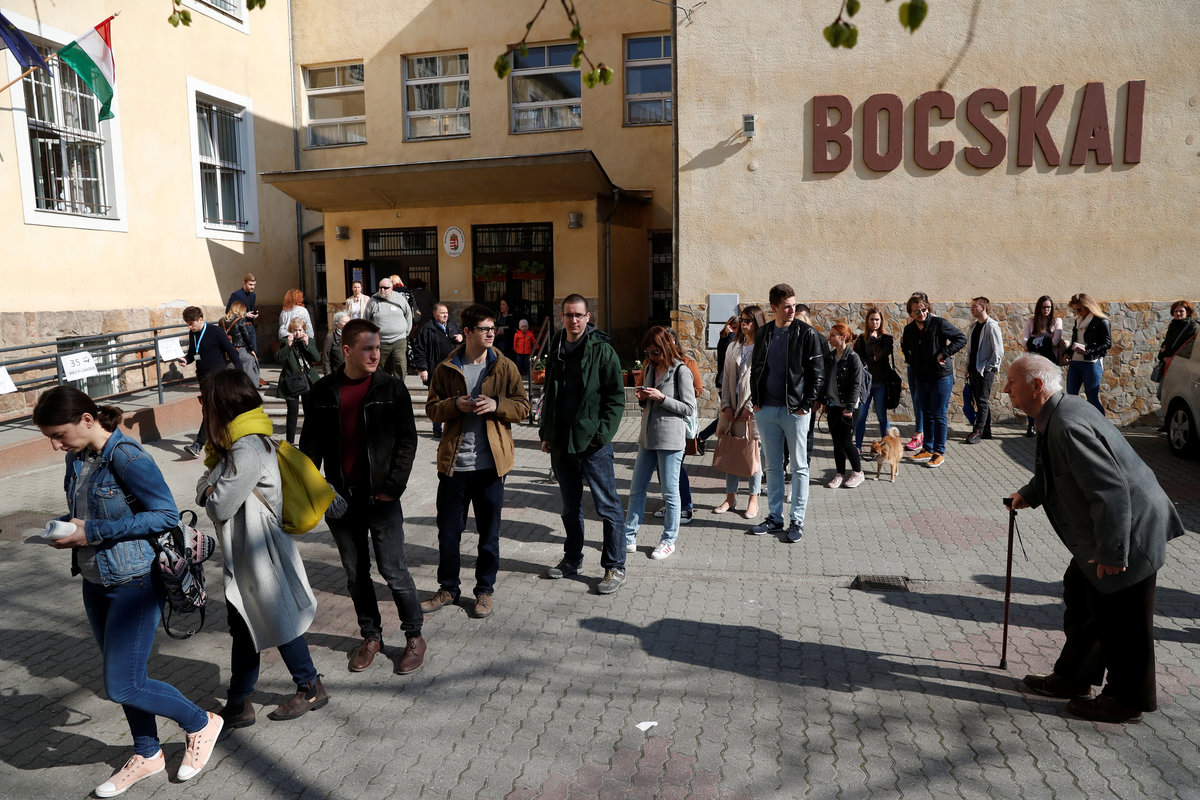
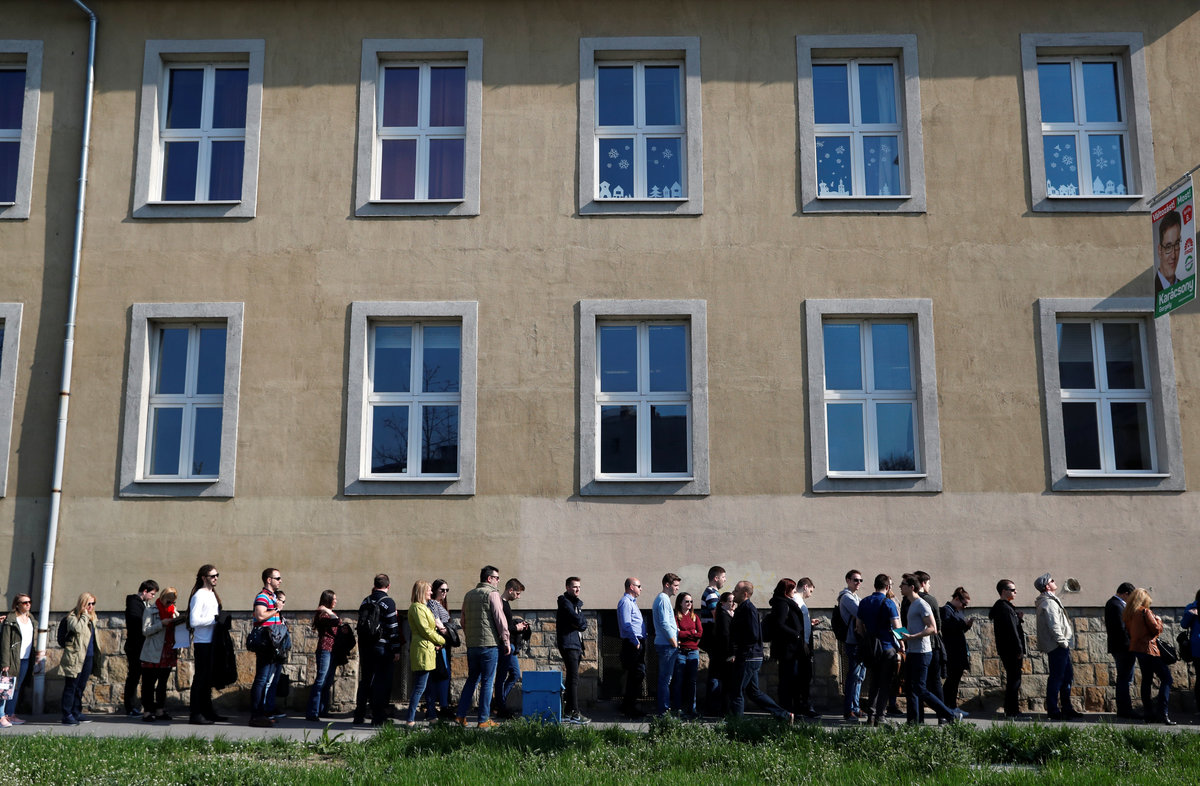
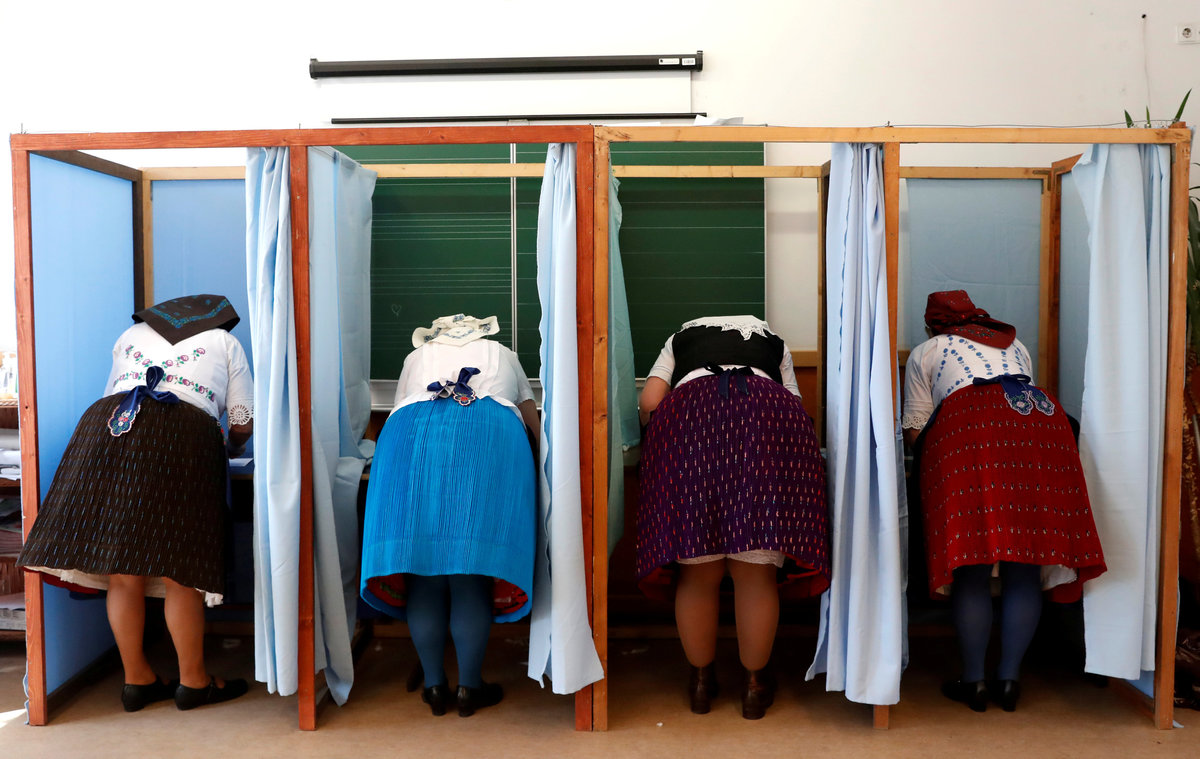
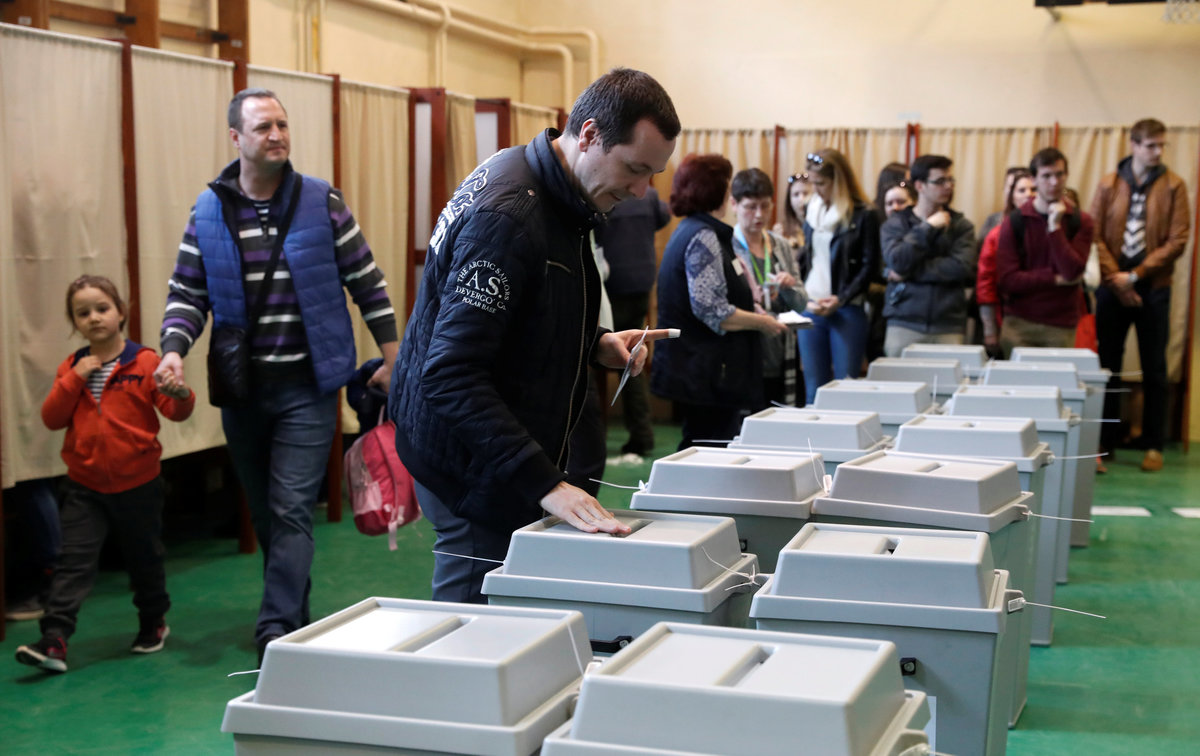
The election produced a turnout of around 70 percent, exceeding the past three votes.
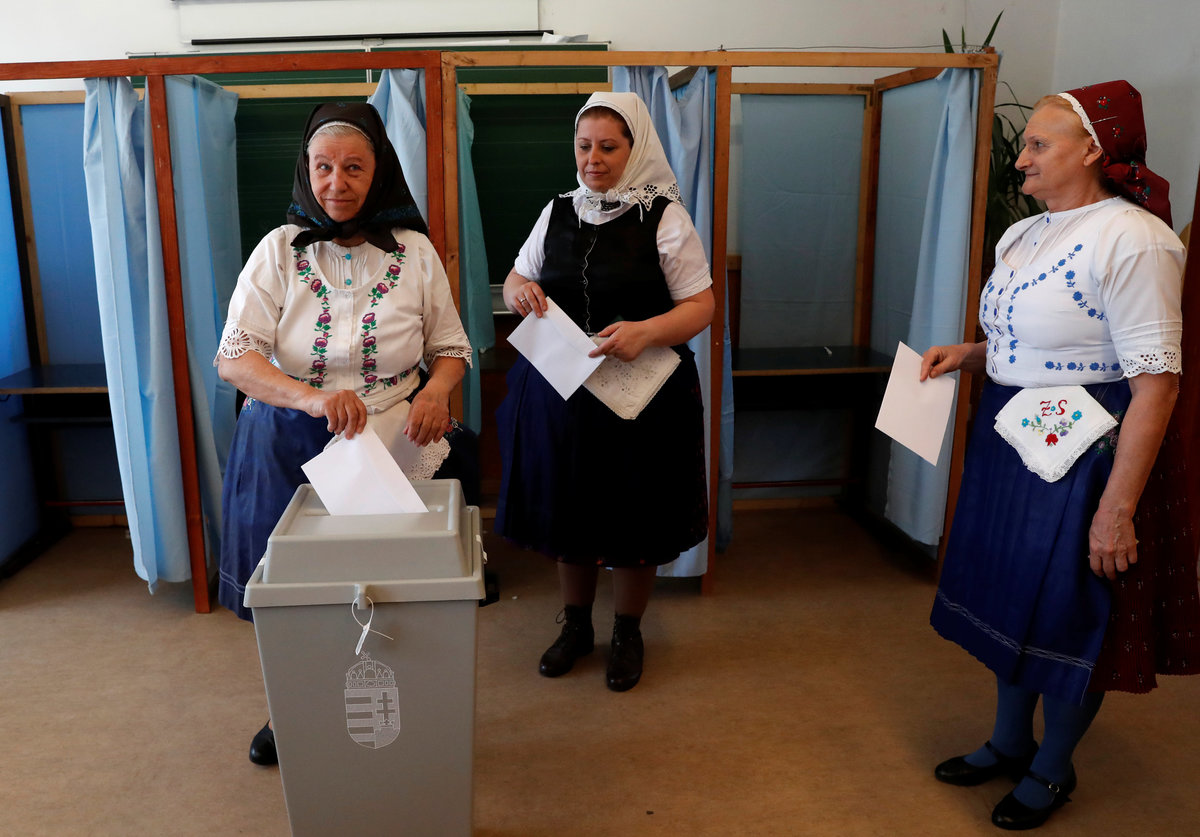
Some analysts say Fidesz's support was the strongest in small towns and villages.
With his firm grip on state media and his business allies in control of regional newspapers, Orban's message was amplified in the countryside. There, many people only watch the state television news channel, which has showed immigrants causing trouble in western European cities night after night.
The strongest opposition party in the new parliament is the formerly far-right Jobbik, which has recast its image as a more moderate nationalist force.

It campaigned on an anti-corruption agenda and urged higher wages to lure back hundreds of thousands of Hungarians who have left Hungary for western Europe.
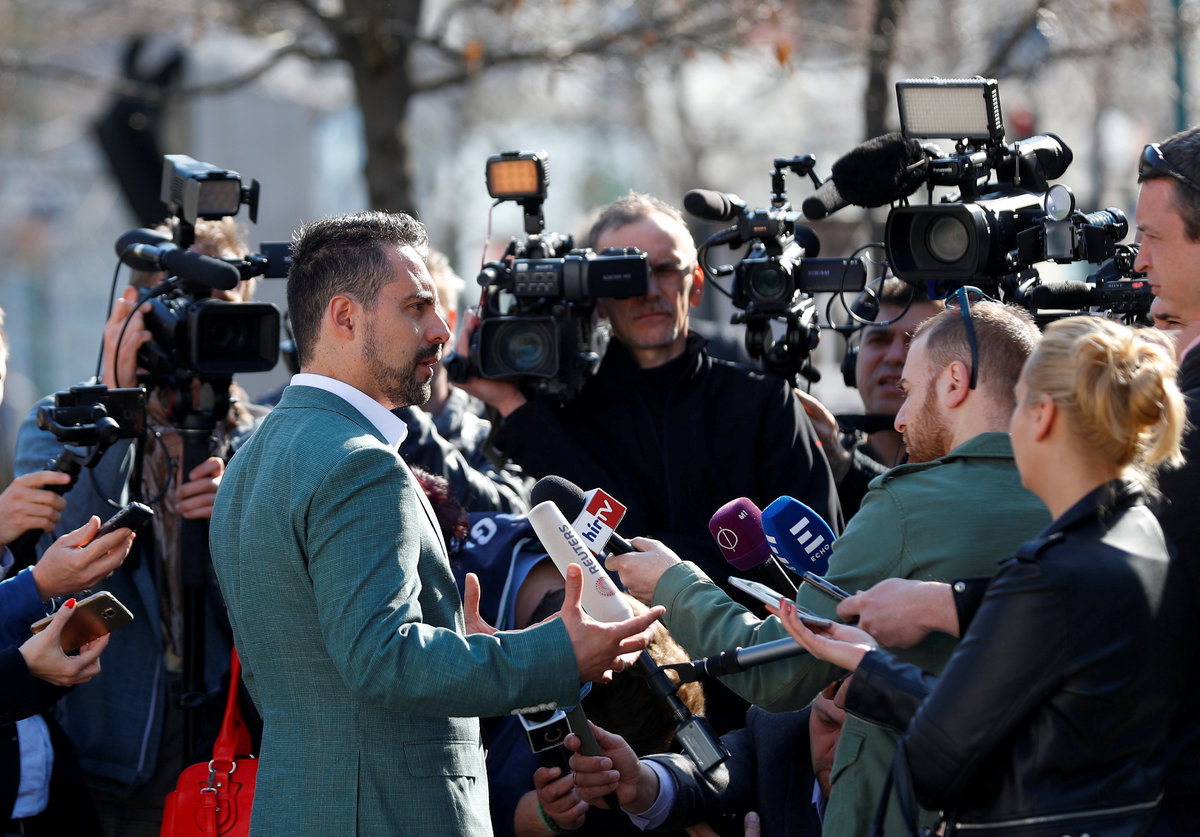
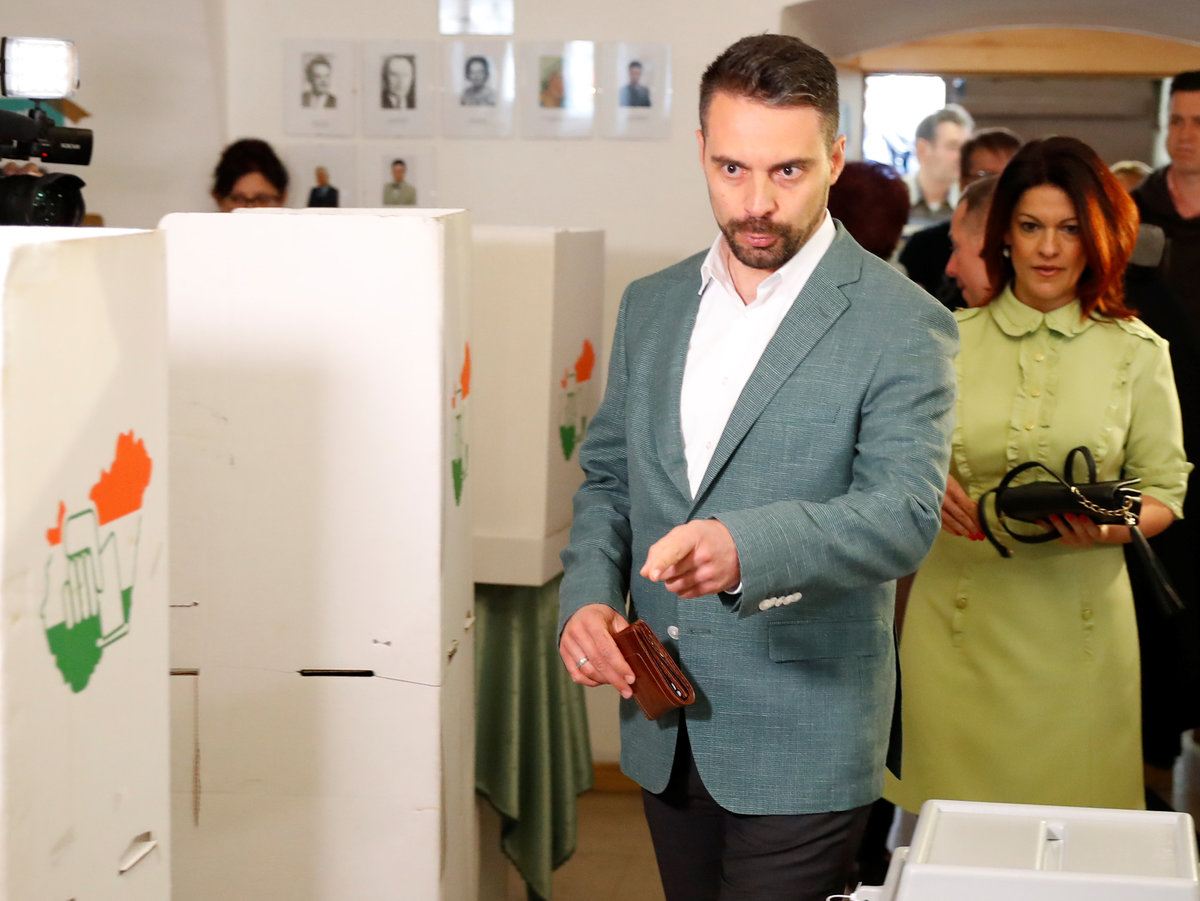
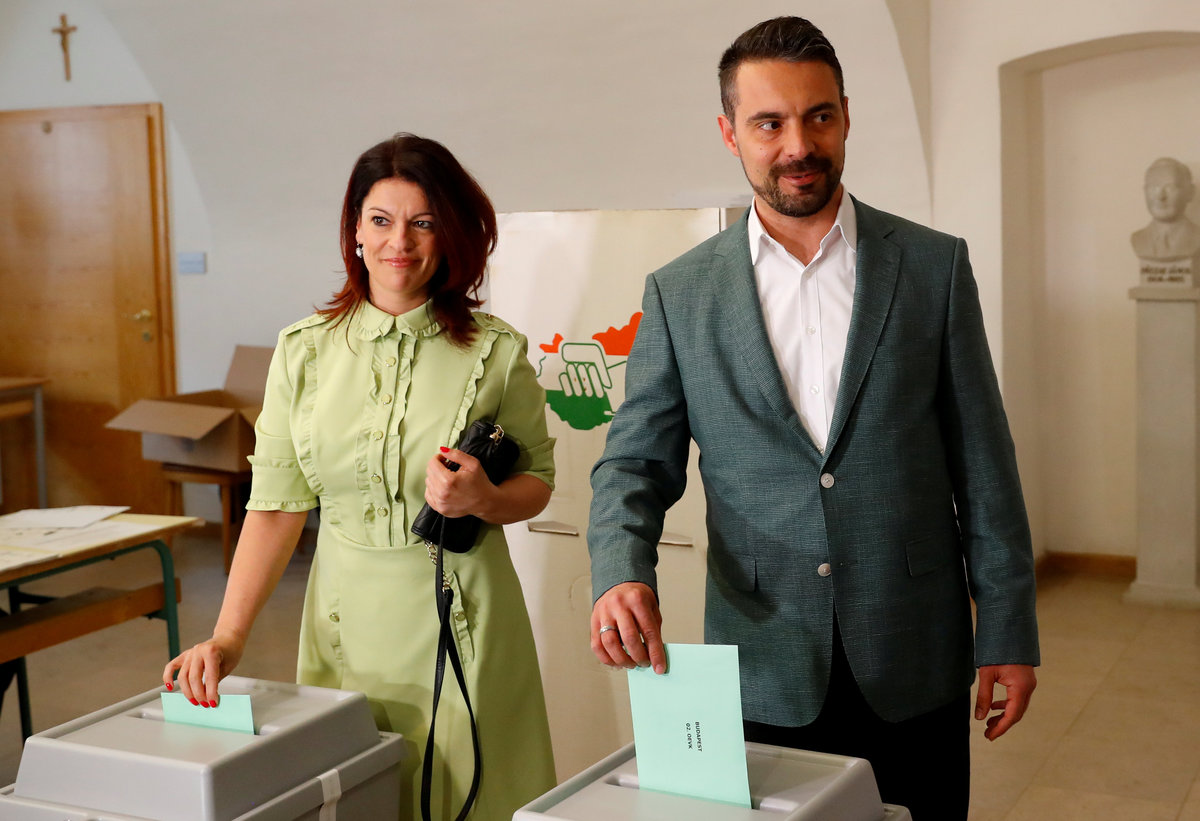
Jobbik's leader Gabor Vona said he would tender his resignation after the defeat.
"Jobbik's goal, to win the elections and force a change in government, was not achieved. Fidesz won. It won again," he said.

The Socialists' entire leadership also resigned.
Critics say Orban has put Hungary on an increasingly authoritarian path and his stance on immigration has fuelled xenophobia.
With a message that he stands for all Hungarians against foreign meddling, Orban tapped into feelings shared by many Hungarians who perceive threats to their national identity and feel they are treated as second-class citizens in the EU.
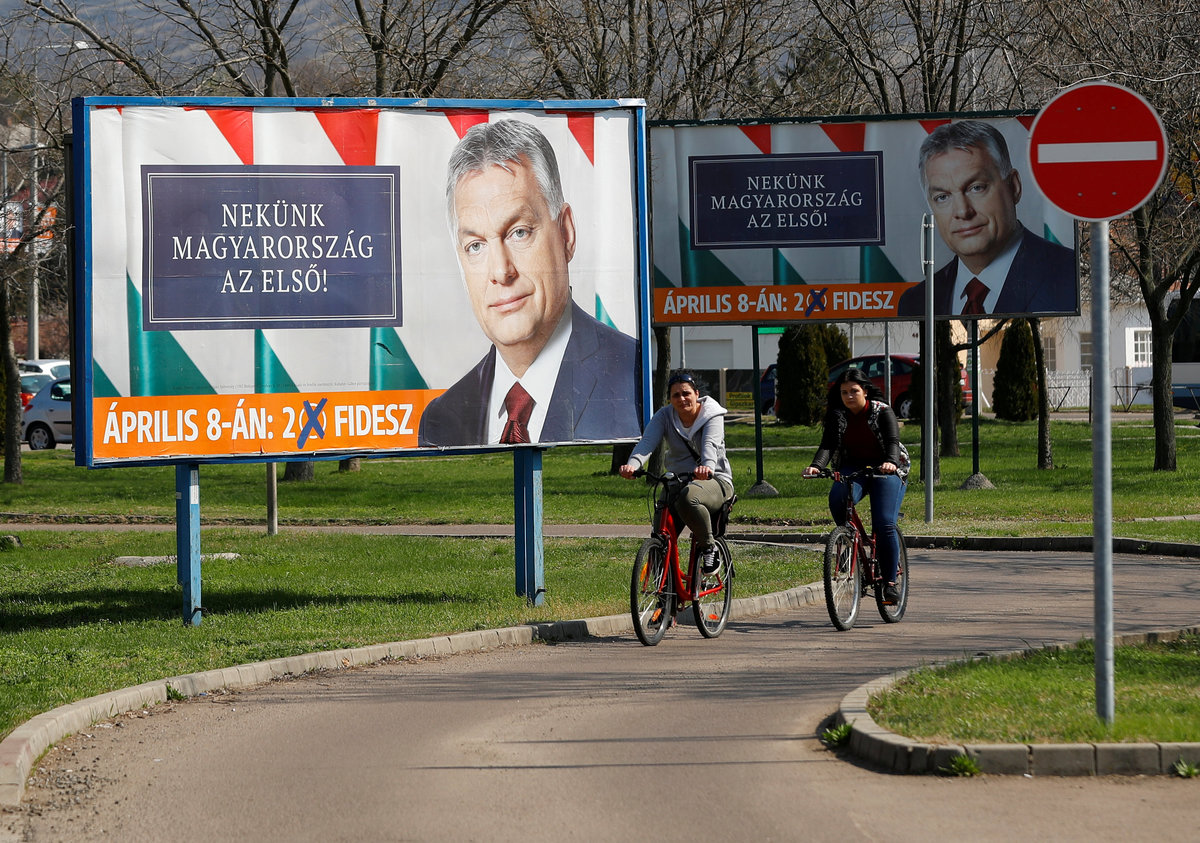
He seized the moment when on Jan. 12 2015, he said immigration into Europe should be largely halted after Paris attacks launched by Islamist extremists.
"We should not look at economic immigration as if it had any use, because it only brings trouble and threats to European people," he told state television then. "Therefore, immigration must be stopped. That's the Hungarian stance."
In September 2015 he built a razor-wire fence on the Serbian border to keep out tens of thousands of migrants fleeing war and poverty in the Middle East and Africa. Since then his government has enacted a series of laws to control migration, and his tough measures have been sharply criticised by the United Nations.
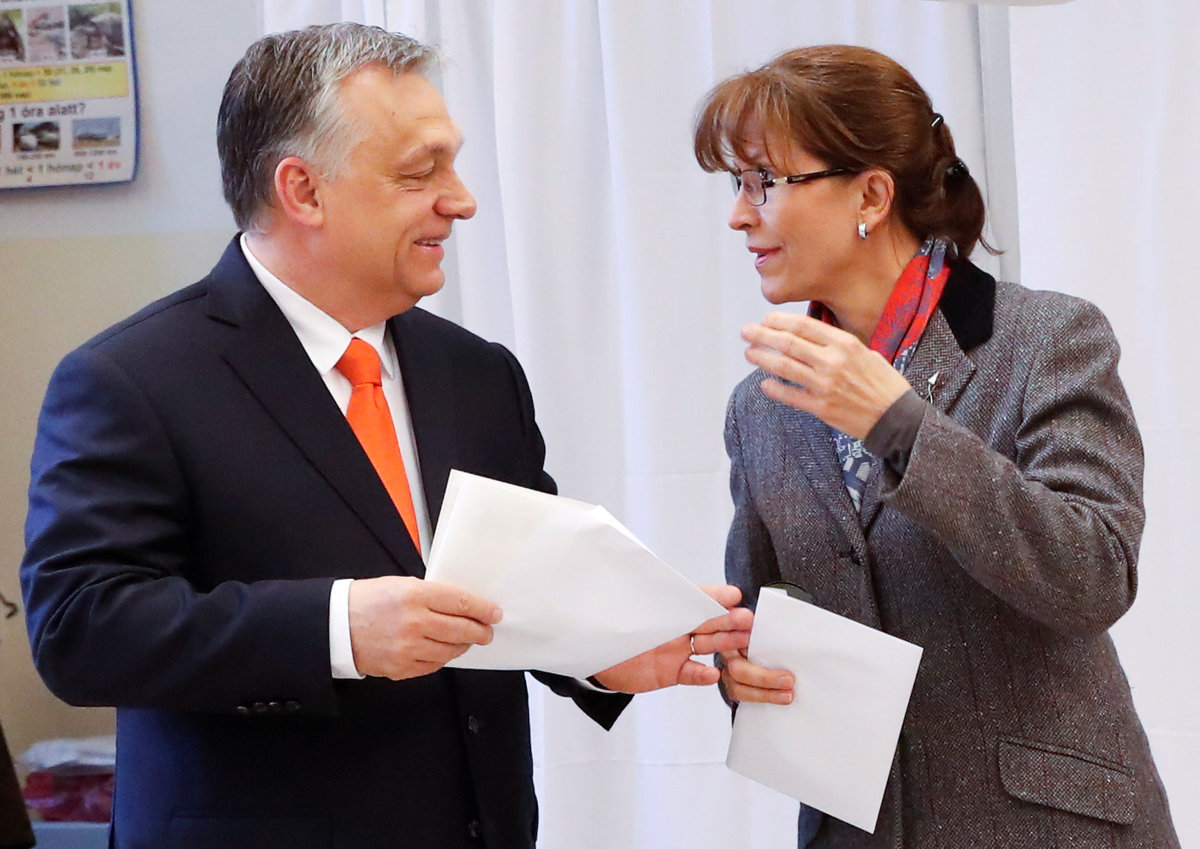
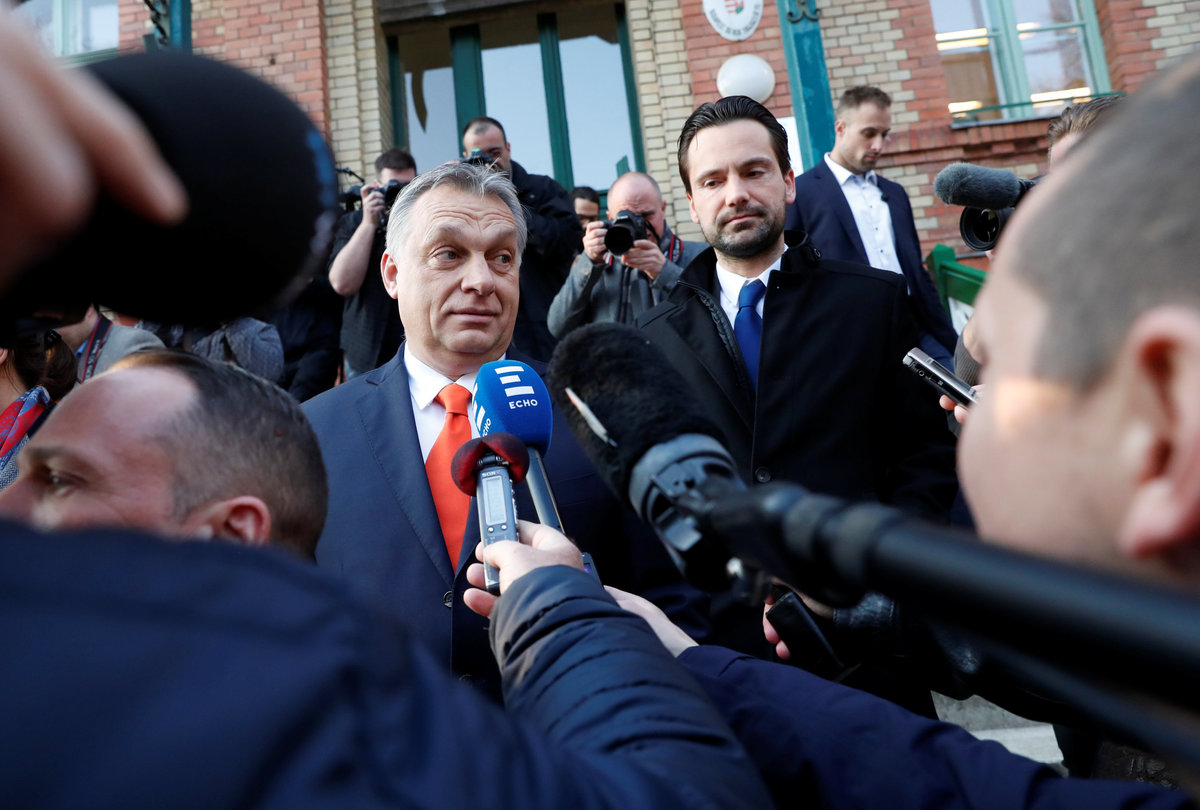
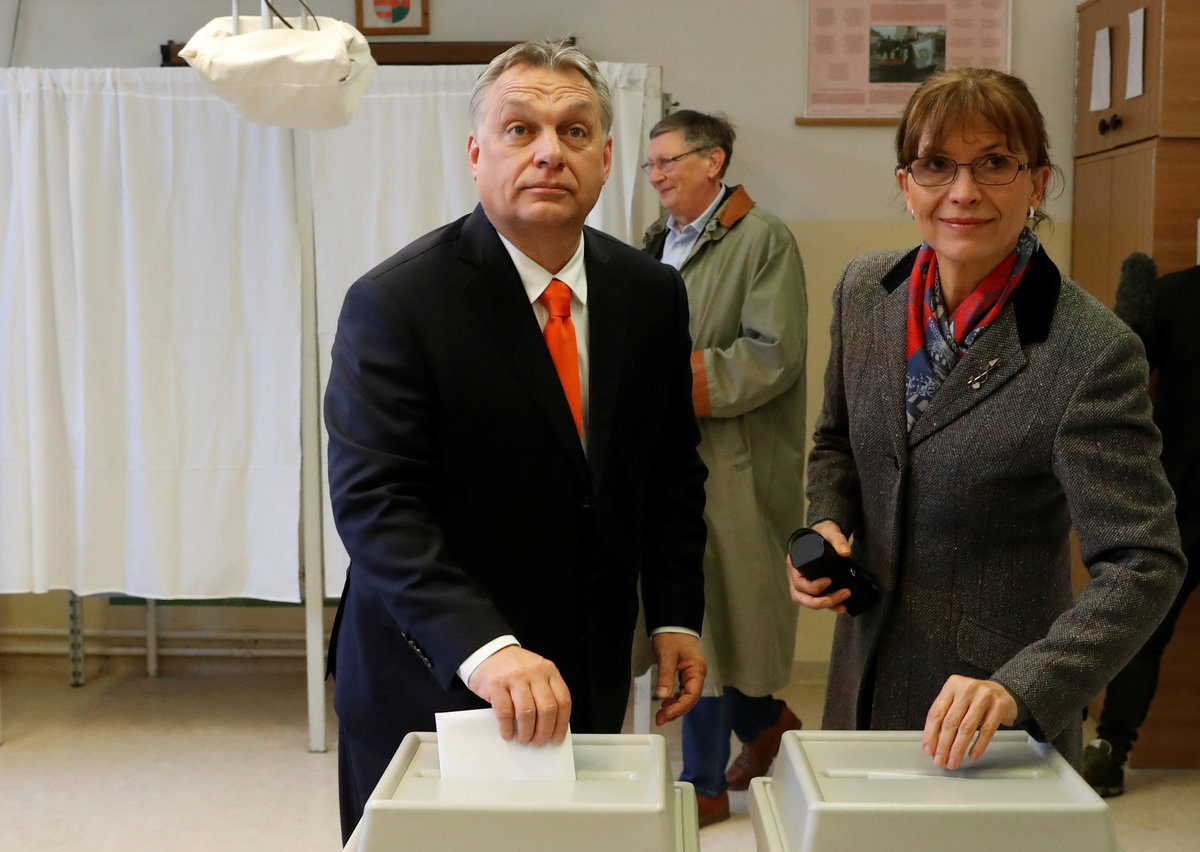
After casting his vote in a wealthy district of Budapest, he said he would stand up for Hungary's interests.
Asked by journalists if he was fighting the European Union, Orban said: "The EU is not in Brussels. The EU is in Berlin, in Budapest, in Prague and in Bucharest."
MIGRATION "LIKE RUST"
Orban's strong win could boost other right-wing nationalists in Central Europe, in Poland and in neighbouring Austria, and expose cracks in the 28-nation EU.
Orban, 54, has curbed the powers of the constitutional court, increased control of the media and appointed loyalists to key positions.
He is credited with keeping the budget deficit under control, reducing unemployment and some of Hungary's debt, and putting its economy on a growth track.
On Friday, at his closing campaign rally, he vowed to protect his nation from Muslim migrants, saying: "Migration is like rust that slowly but surely would consume Hungary."
The anti-immigration campaign has gone down well with many of the roughly two million core voters of Fidesz.
Orban is expected to continue his economic policies, with income tax cuts and incentives to boost growth, analysts have said.
His business allies are expected to expand their economic domains. Businessmen close to Fidesz have acquired stakes in major industries like banking, energy, construction and tourism, profiting from EU funds.
(Writing by Krisztina Than; additional reporting by Sandor Peto and Marton Dunai; editing by Andrew Roche)