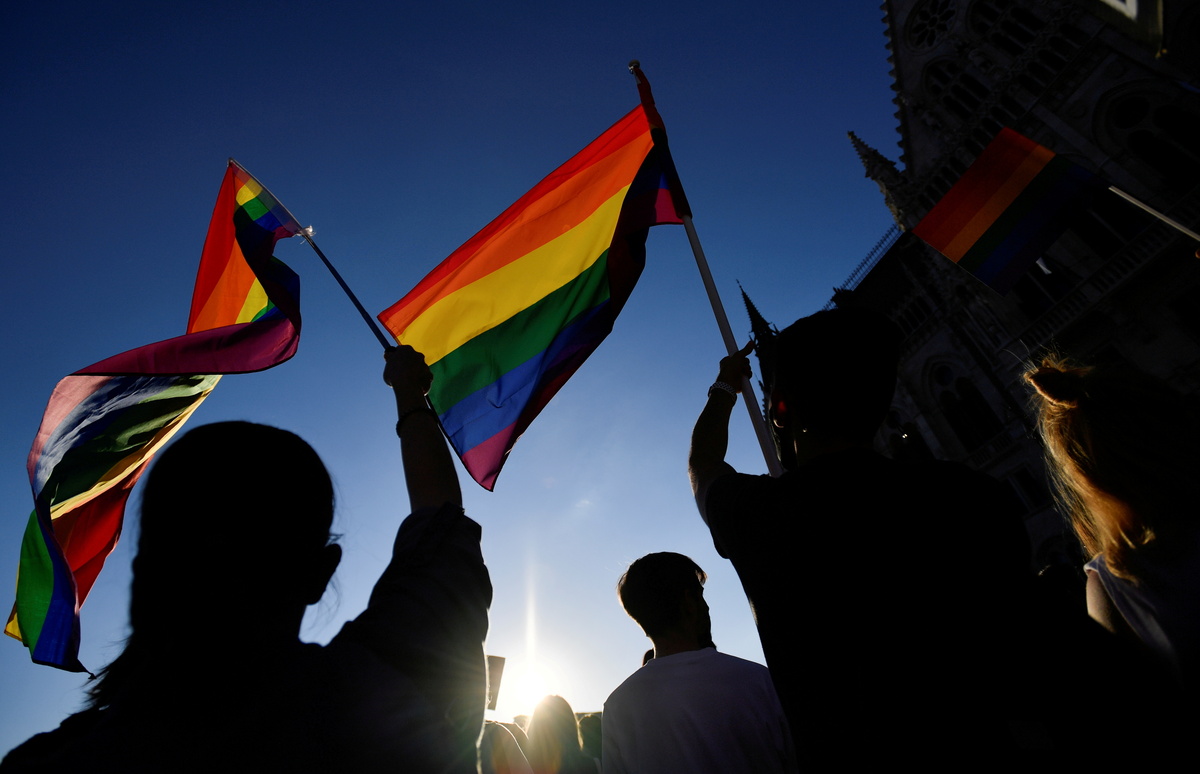
Hungary's National Election Committee (NEC) approved on Friday the government's list of questions on LGBT issues it wants to put on a referendum as part of what Prime Minister Viktor Orban has called an "ideological war" with the European Union.
Orban, a nationalist who has been in power since 2010, proposed a referendum on ruling party legislation that limits schools' teaching about homosexuality and transgender issues, stepping up a culture war with the EU.
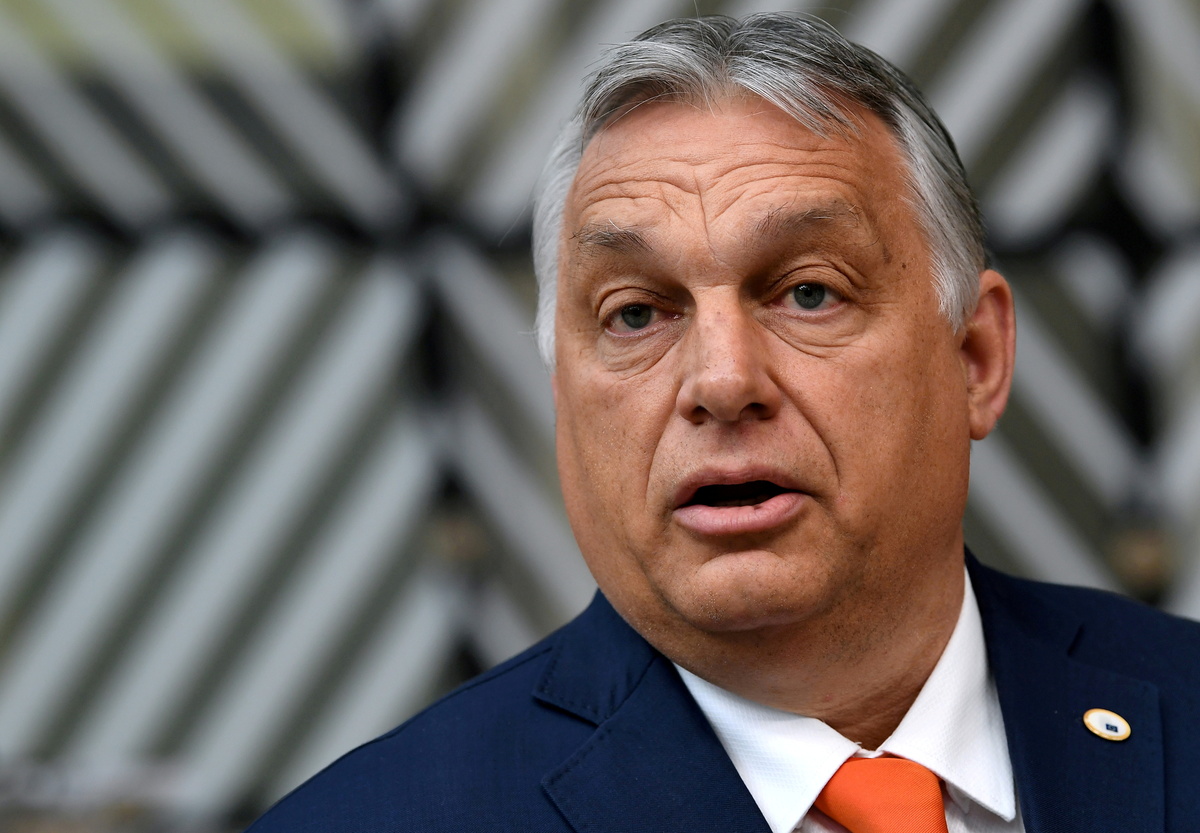
An NEC spokesman confirmed that the panel had approved the government's questions.
Facing a tough election next year, Orban has increasingly sought to promote social policies that he says safeguard traditional Christian values against Western liberalism.
The European Commission has launched legal action against Orban's government over the new law, which came into force this month, saying it is discriminatory and contravenes European values of tolerance and individual freedom.
Orban aims to hold the referendum by early 2022 before a parliamentary election, where six opposition parties will unite against him for the first time.
Another set of referendum questions on key government policies submitted by Budapest Mayor Gergely Karacsony, who is vying with other opposition candidates to become Orban's challenger next year, was not on the NEC's Friday agenda.
ANXIETY
Hungarians will be asked whether they support the holding of sexual orientation workshops in schools without parents' consent, and whether they believe gender reassignment procedures should be promoted among children.
They will also be asked whether content that could affect sexual orientation should be shown to children without any restrictions, and whether gender reassignment procedures should be made available to children.
The amendments, which have caused anxiety in the LGBT community, ban the use of materials seen as promoting homosexuality and gender change at schools, ostensibly as a measure to prevent child abuse.
Several civil rights groups have criticised Orban's reforms and a global survey last month by the Ipsos polling organisation found that 46% of Hungarians support same-sex marriage.
Orban owes some of his electoral success to a tough line on immigration. As that issue has receded from the political agenda, his focus has shifted to gender and sexuality issues.
A June survey by the think tank Zavecz Research put public support for Orban's ruling Fidesz party at 37% of all voters, while the joint opposition party list had 39% support. Another June poll by Median put support for Fidesz at 39% compared with 33% for the opposition parties.
(Reporting by Gergely Szakacs and Anita Komuves; Editing by Edmund Blair)