Hundreds of veterans marched through Liverpool city centre to protest the prosecution of former British soldiers .
A former serviceman, known as Soldier F, is due to appear in court in September, charged with the murder of two civil rights protesters and the attempted murder of others, in 1972 at what became known as the Bloody Sunday massacre in Northern Ireland.
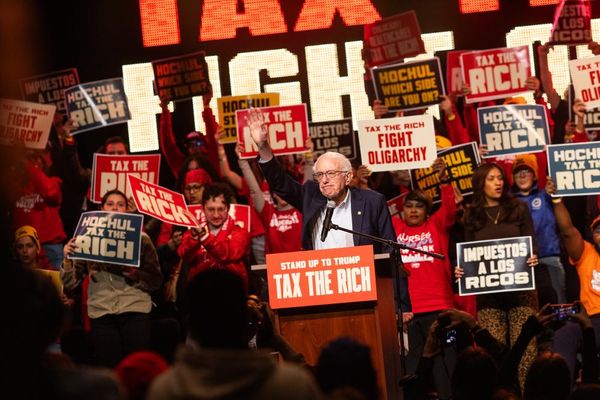
But the prosecution has angered military veterans who believe the trial could lead to soldiers being punished for obeying orders, and on Saturday crowds marched from the Museum of Liverpool at the Pier Head, to near the Liver Building, for the Million Veterans march.
In Liverpool, the crowd, which included uniformed veterans as well as supporters and members of the public as well as veterans, listened to speakers. Many waved flags of military regiments as well as the Union Jack.
Speakers included one of the soldiers who is under investigation in relation to the 1972 incident on 30 January.
Another speaker, Robin Horsfall, a former member of the Parachute Regiment, is an avid protester against the prosecution of former serviceman 'Soldier F'.

'Bloody Sunday' refers to Sunday 30 January 1972, when around 15,000 people in a mostly Catholic part of the city known as both Derry and Londonderry gathered to take part in a civil rights march.
They were protesting a law that had been passed some months earlier giving the government the power to jail people without trial, known as 'internment', which was itself in response to rising violence. The government had banned all parades and marches two weeks earlier for the duration of the year.

The army were sent to police the march, but after stones were thrown, soldiers fired rubber bullets and tear gas. Shortly afterwards, they fired live rounds at the crowd, and 13 people were shot dead (another man died five months later).
An inquiry at the time largely excused the soldiers from blame, but victims' families called it a whitewash and a later British Prime Minister, David Cameron, called the killings "unjustifiable".
However, the question of whether soldiers should be prosecuted remains controversial, with a Twitter page for the Million Veterans organisation saying it supported "all veterans being persecuted by our Government for doing their job".