WA's largest seizure of native Australian animals has been recorded by police, with 219 creatures found stuffed inside a suitcase and other containers in a car believed to be attempting to cross the border into South Australia.
The haul, confiscated in the town of Eucla last week, included 198 reptiles — 58 of them venomous — as well as 16 marsupials, three cockroaches and two spiders.
Wildlife officer Cameron Craigie from the Department of Biodiversity, Conservation and Attractions said it was a significant find.
"Definitely one of the largest venomous reptile hauls," he said.
"Usually we'd get a mixture of pythons and venomous reptiles, but this time it's all venomous reptiles on the snake side of things."
Mr Craigie said several of the animals died due to the cramped conditions in which they were packed.
"There were multiple species in the same bags, so you're looking at animals that may be friends and some are prey, and then they're all piled in, squashed all in one tiny little suitcase," he said.
"We've got Perth Zoo coming here to do a health check on every single animal.
"But with the little marsupials, they're quite sensitive … a number of them have died in transit."
Big money for native animals on black market
Mr Craigie said animal smuggling had become the third most popular trade on the international black market, although it was not yet known whether the haul was intended to be sold interstate or overseas.
"Internationally you can get anywhere from $5,000 to $30,000 [per animal], depending on what they are," he said.
"There would have been multiple layers to this operation.
"The person who was found in possession of the animals, his role in the operation was to pick them up and take them over the border."
The animals came from across the state, mainly the Wheatbelt, Goldfields and South Coast regions.
Mr Craigie said WA's animals were particularly sought after, with premium price tags attached, due to the high levels of biodiversity and the large colour variations throughout the different regions of the state.
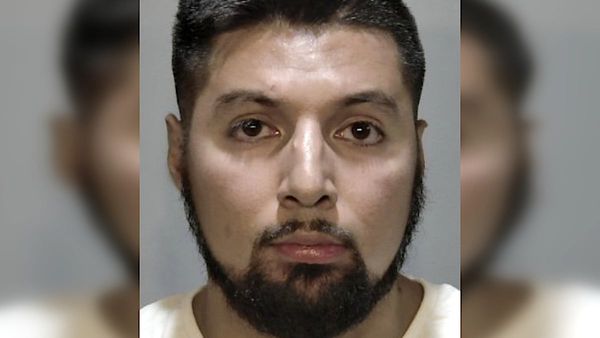
WA Police are expected to lay charges against the driver of the vehicle, a man who did not live in WA.
The maximum penalty for illegally exporting, importing or possessing wildlife is between $4,000 to $10,000 for specially protected species.
However, the new Biodiversity Conservation Act 2016 will increase penalties to between $500,000 and $2.5 million when the legislation is fully passed through State Parliament.