Light pollution is caused by the bright glow of artificial lights from towns and cities. It can be a problem for photographers taking pictures at night, adding a yellow color cast, haze, and reducing sharpness and contrast in your low-light shots, whether it's cityscapes, landscapes, or astro work.
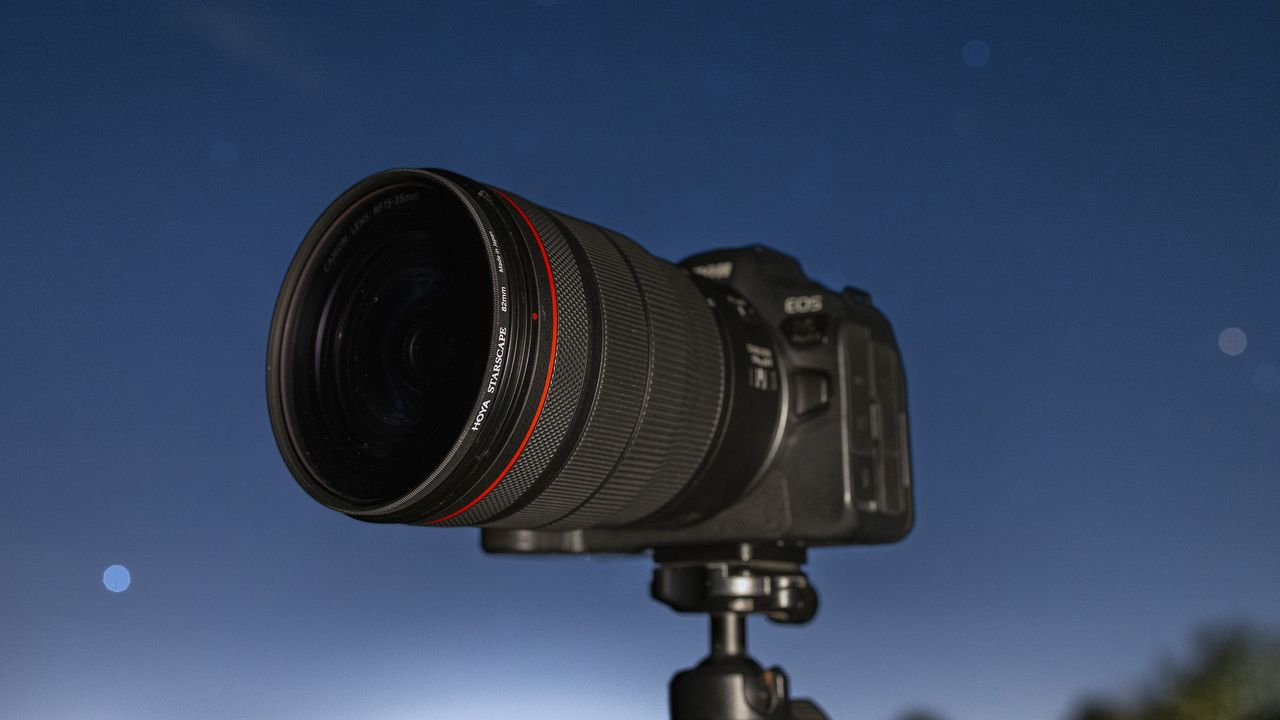
The best light pollution filters, such as Hoya’s Starscape light pollution filter, are designed to cut out specific wavelengths of light caused by artificial sodium and mercury-vapor lights – common in cities – with Hoya claiming the filter improves contrast and colors in night sky shots. I took it out after dark to test drive it and see how it performs.
Hoya Starscape Light Pollution Cut filter: Specifications
Filter type |
Screw-in |
Filter threads |
49, 52, 55, 58, 62, 67, 72, 77, 82mm |
Stackable |
Yes |
Material |
Aluminum, optical colored glass |
Coating |
Single anti-reflective (AR) layer on each side |
Depth |
6mm (4mm when mounted) |
Weight |
32g (82mm) |
Hoya Starscape Light Pollution Cut filter: Price
The Hoya Starscape is available in a wide range of filter thread sizes. There are with nine options in all, starting at 49mm and reaching up to 82mm. At the smaller end, the 49mm option costs around $50 / £30, so it’s quite a good budget option for kit lenses or 50mm f/1.8 ‘nifty-fifties’, which also usually have a smaller filter thread.
However, the price goes up dramatically, with the 82mm version I used on my Canon RF 15-35mm f/2.8L IS USM costing $170 / £120. By comparison, the K&F Concept Natural Light filter costs $80 / £66 for the 82mm version, and has better features, too.
The Hoya Starscape is a little scant on features, and this is reflected in the low price point of its entry-level, smaller-thread options. It is pretty much an outlier as the only light pollution filter I have tested not to have any special coatings for water, oil, and scratch-resistance (competing filters from Rollei, K&F, Cokin, and Irix all do).
The Hoya Starscape has a fairly subtle light pollution effect. It may, therefore, be a good choice for those who aren’t quite as confident when it comes to editing, as the color cast created by the filter is really quite minimal and easy to fix.
Hoya Starscape Light Pollution Cut filter: Design & Handling
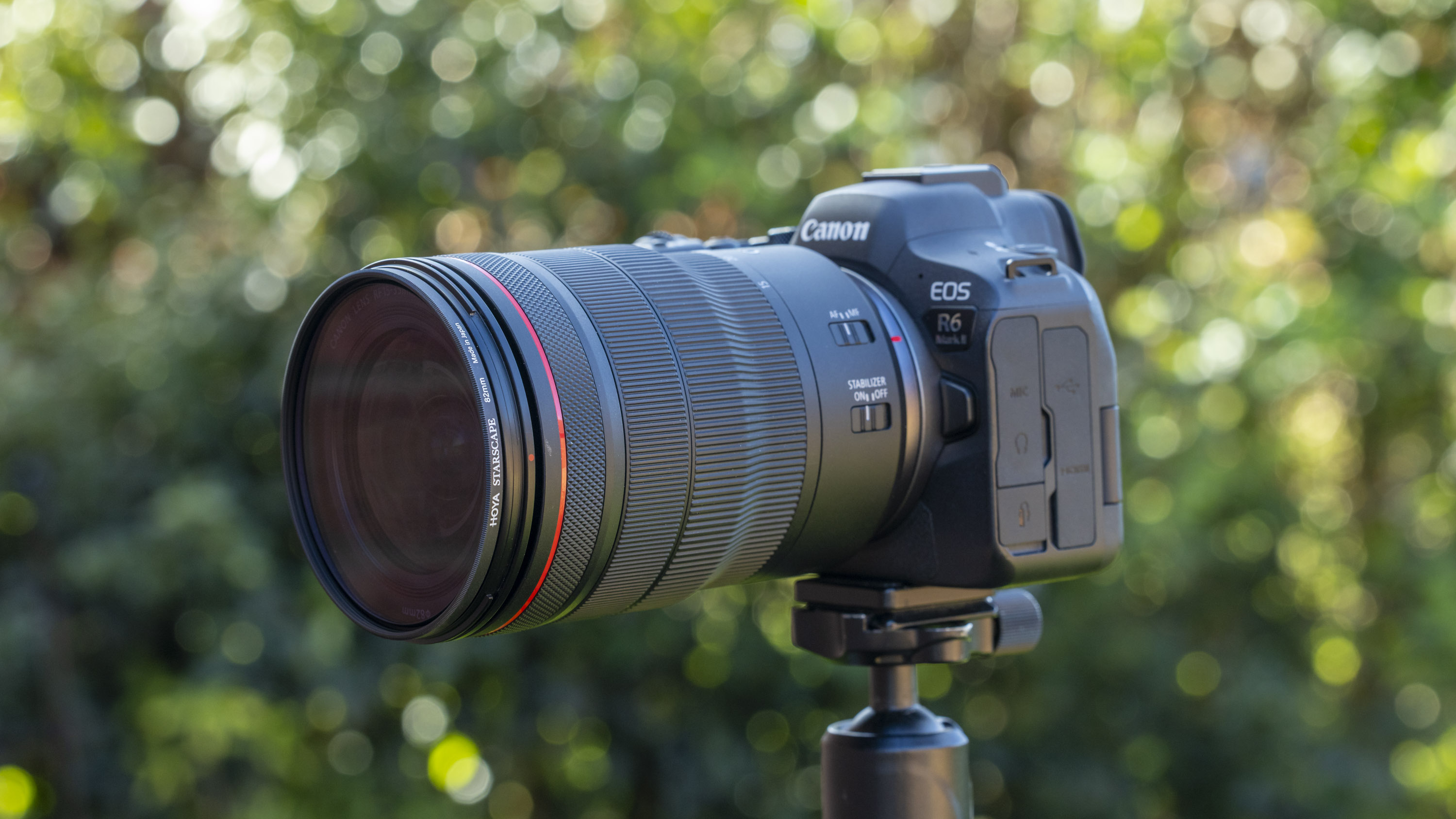
The filter frame is made from aluminum, and the 82mm version weighs 32g. The outer edge of the filter rim is smooth, though the very front is knurled to provide a little grip when screwing it onto or removing it from a lens. It doesn’t offer as much grip as the knurled outer rim of the Irix Edge Light Pollution Edge filter.
Hoya claims it has a ‘low profile’ frame, though it sticks out by 4mm when attached to the front filter thread of a lens, which is more than the 3mm frames I have tested, and could cause more vignetting when stacked with other circular filters. On the plus side, this extra depth enables a lens cap to be clipped on more easily.
In addition to being available as a circular filter, it can also be purchased as a 100x100mm square filter for slot-in filter holders, allowing multiple filters to be stacked together with ease.
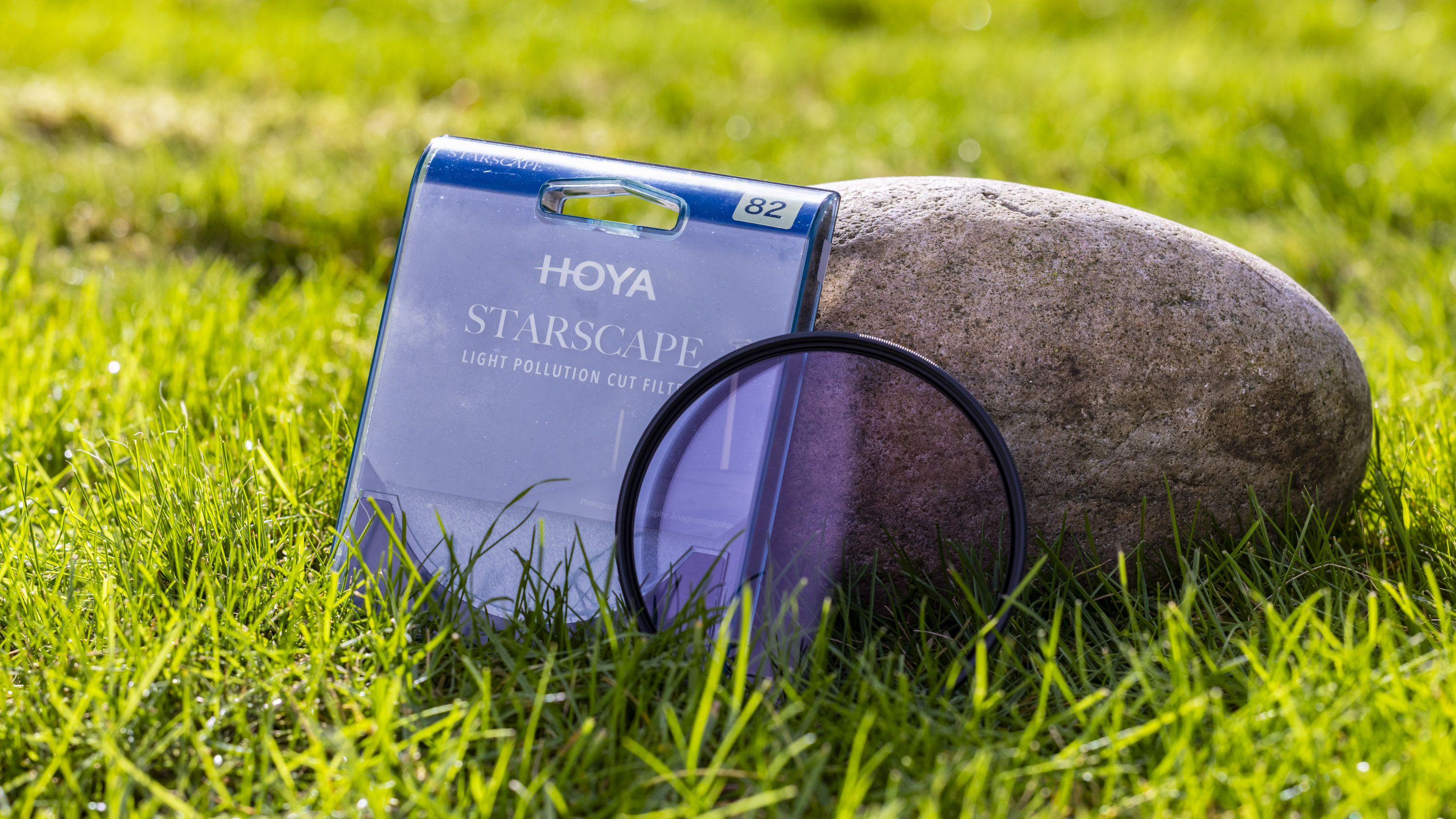
The glass is optically colored rather than dyed, which is a good thing, but there is only a single anti-reflective coating on each side of the filter. I’ve become accustomed to even budget filters having multiple coatings to help with things like oil, water, and scratch resistance, so I found it disappointing to see this filter offering so little on the coatings side.
A bit of a nitpick here, but the filter also produced an audible squeak when screwing it into my lens’s front filter thread, which wasn’t ideal when trying to keep a low profile shooting at night. It must be something to do with the metal or coating on the threads that Hoya uses, as it also happened with a Hoya R72 infrared filter I also tested. I've reviewed lots of filters and haven't experienced this with any other filters; perhaps this will lessen over time as the filter gets used more often.
Hoya Starscape Light Pollution Cut filter: Performance
Hoya claims that competing filters may attempt to reduce light pollution with coatings, which can produce a poor color shift, especially when used with wide-angle lenses. Hoya’s Starscape filters, by contrast, reduce light pollution by using the glass formula itself, and the company says that as a result, there is no color shift.
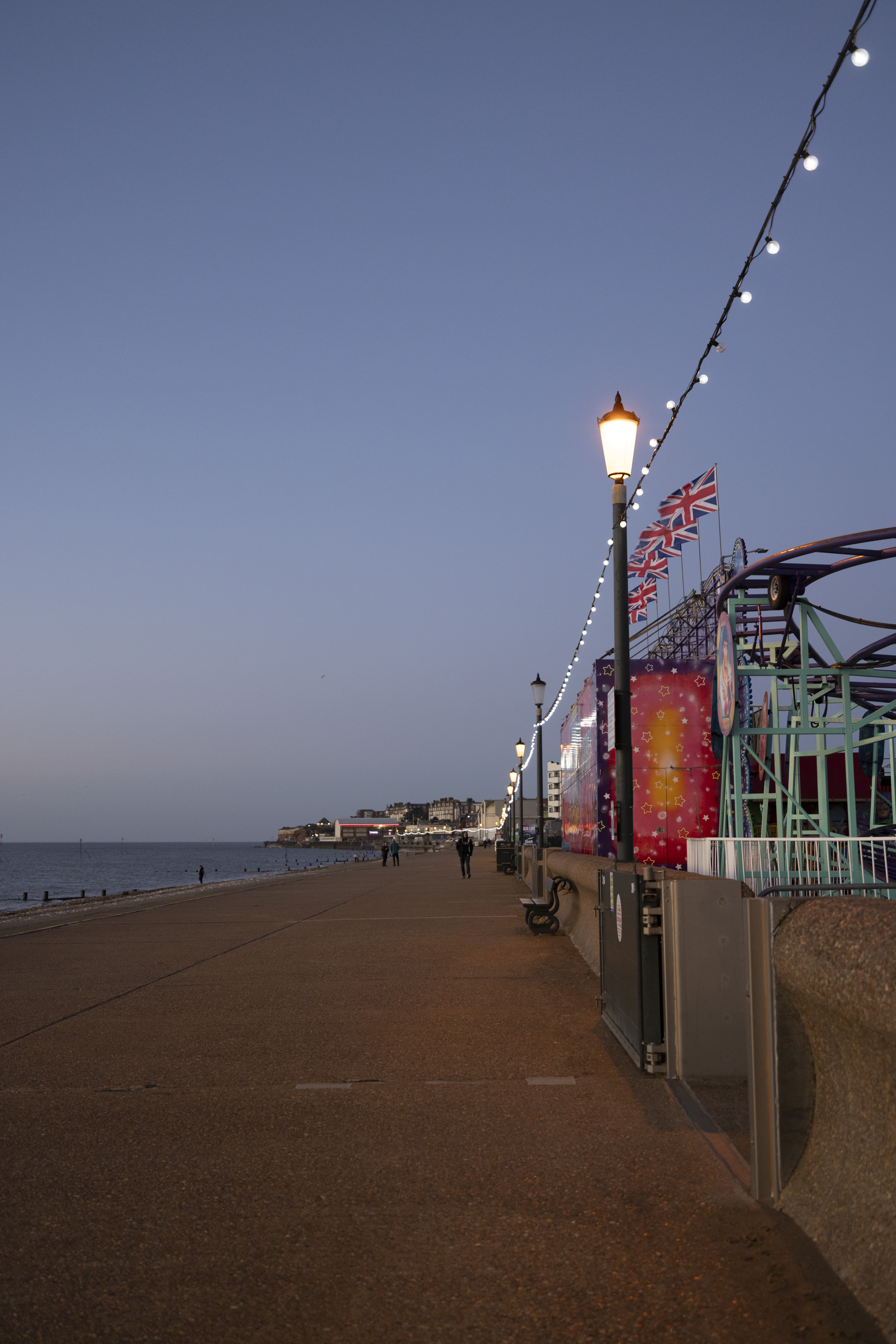
Indeed, the color shift was very minimal in my testing, which is partly due to the filter only having quite a subtle purple tint; other light pollution filters I have tested appear to have a much stronger effect. So, while the Starscape's effect was quite subtle, its colors were better than those of other filters straight out of the gate. It didn’t require as much processing to get the colors looking right when editing the Raw files, so this filter could be a good option for those less savvy with editing.
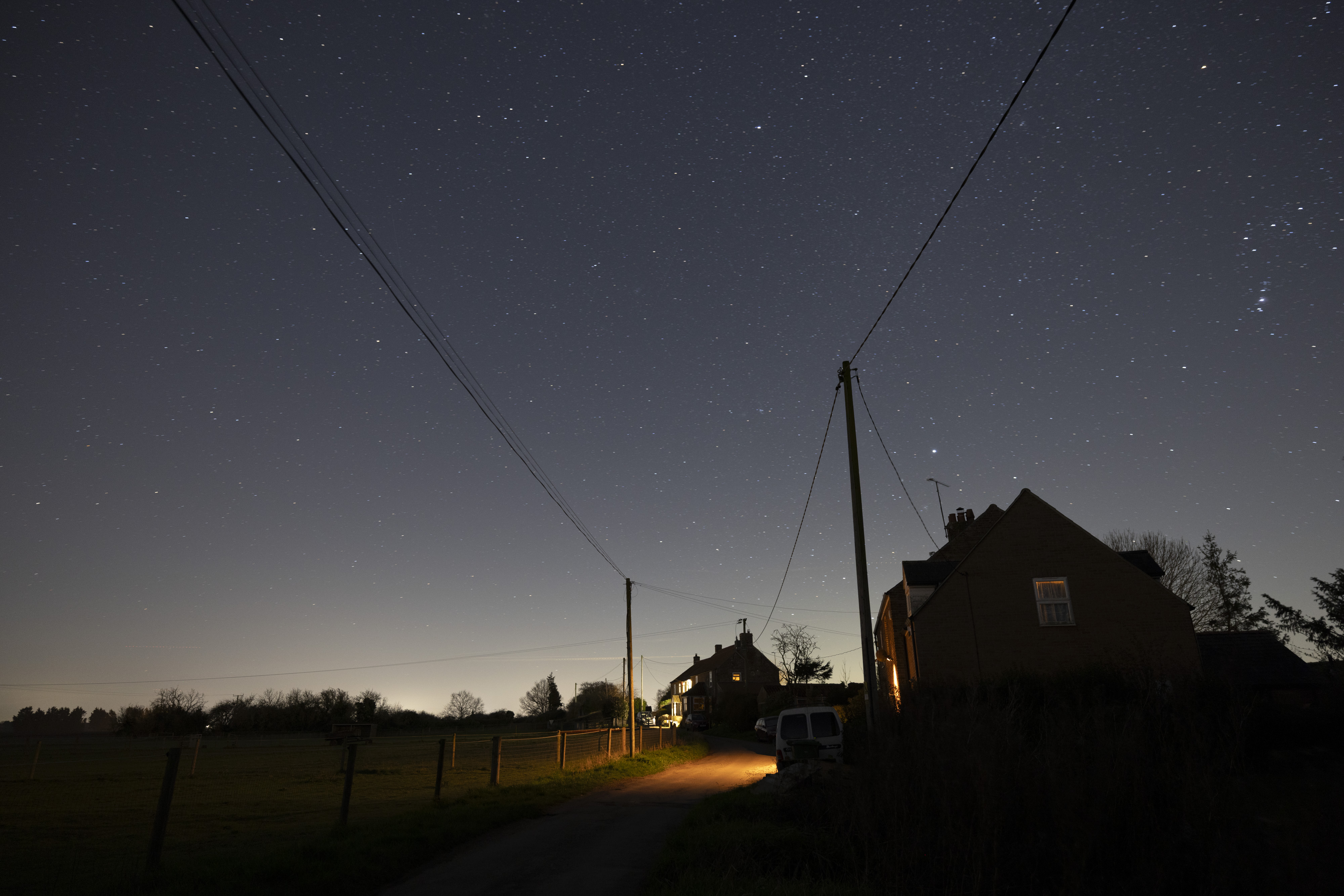
I also noticed that very fine details in my images were softer with the filter in place, though I really had to zoom in to see this difference.
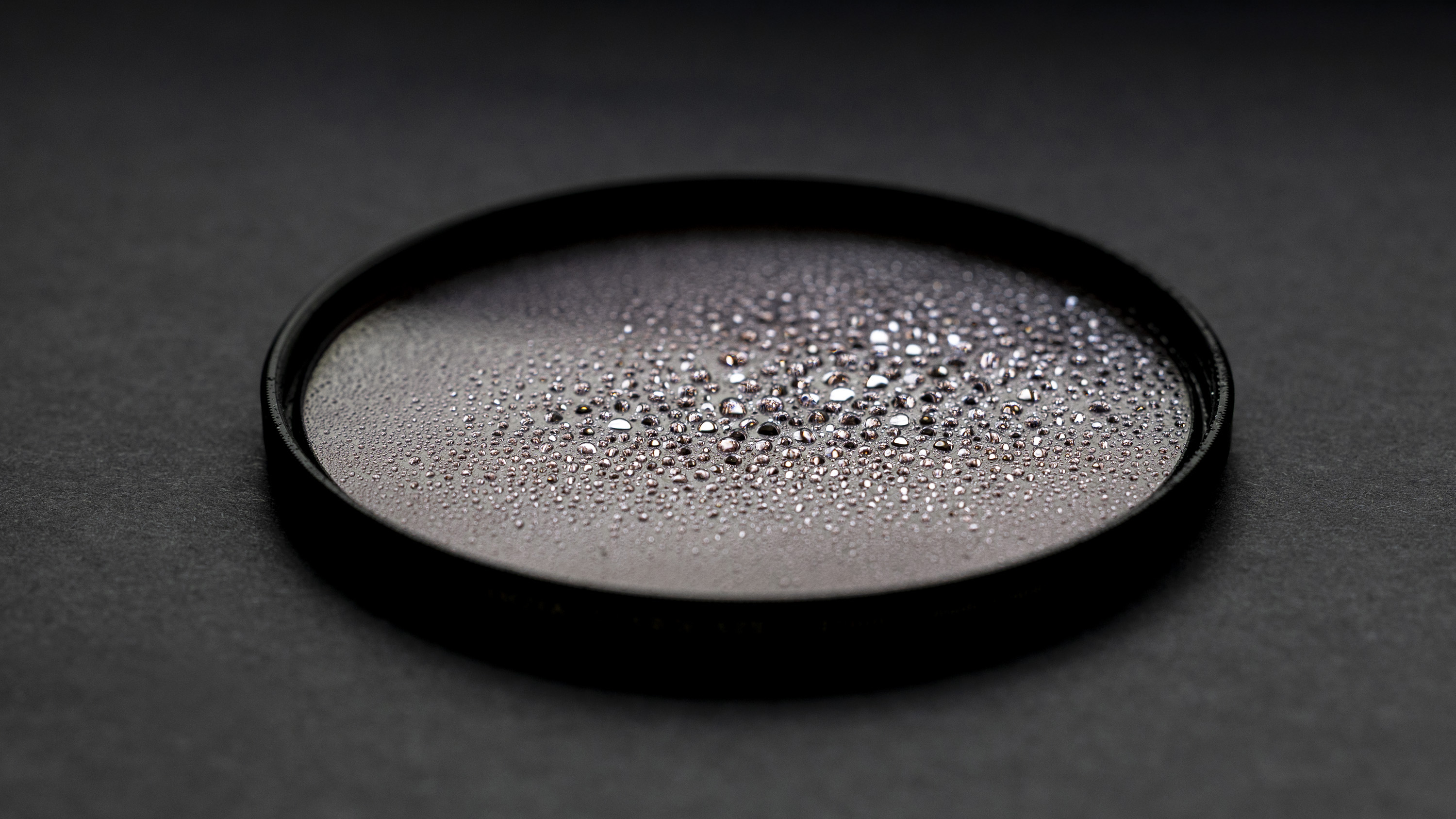
Areas where the Hoya Starscape didn’t fare quite so well included its coatings, of which there is just one for anti-reflectance. There are no bells and whistles here, and the filter was a bit of an outlier as the only astro filter I have tested with no oil or water-resistant coatings, which made it more difficult to clean, and water didn’t fall off when shaken. But I suppose this reflects its budget-friendly price point.
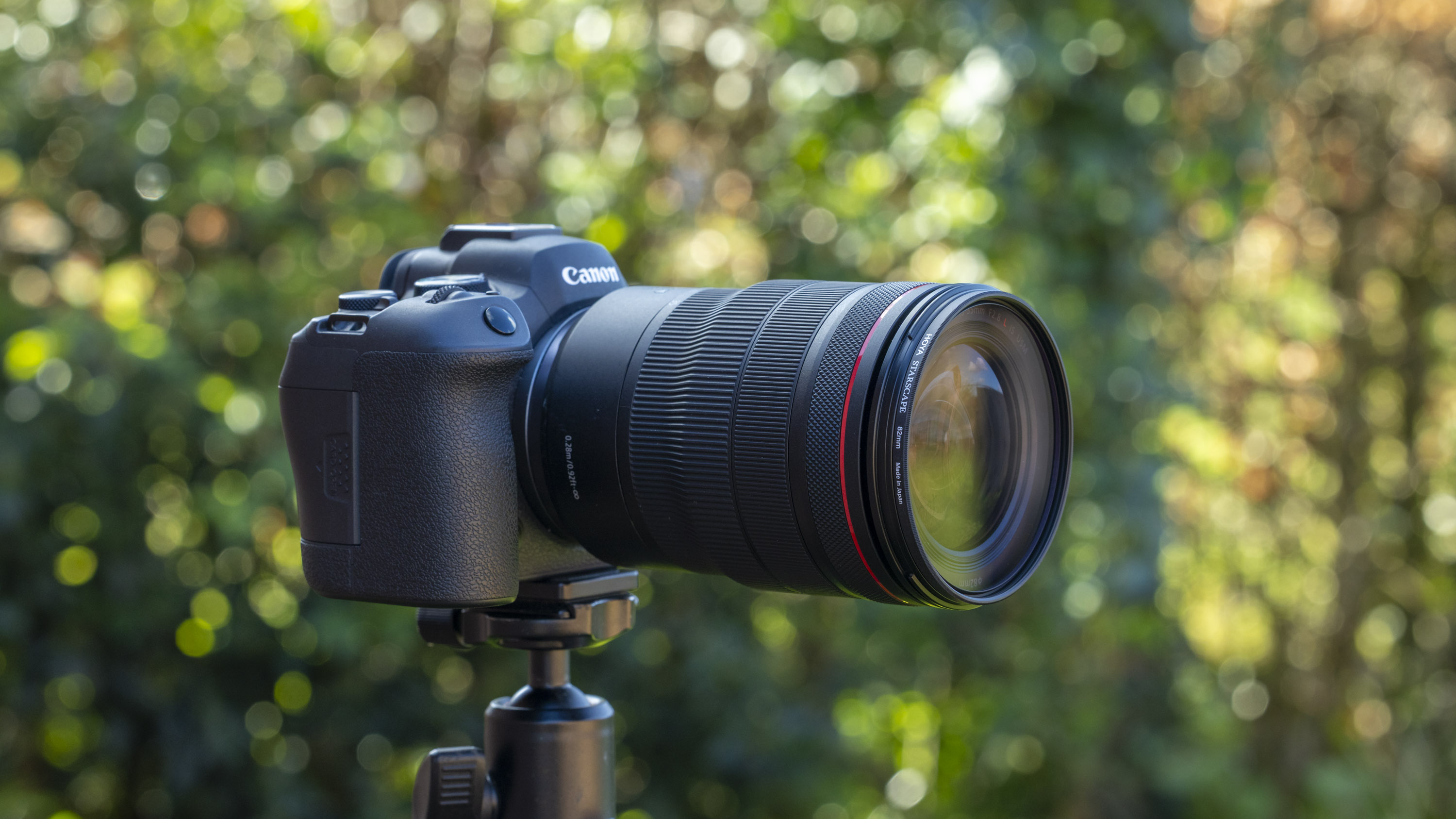
Another minor issue is that the filter frame is quite thick, protruding by 4mm when mounted – compared to some other screw-in filters I have tried that only protrude by 3mm. This isn’t a huge problem, but it does mean you need to be a little more careful to avoid vignetting when shooting with ultra-wide-angle lenses or stacking filters.
Hoya Starscape Light Pollution Cut filter: Verdict
The Hoya Starscape is a bare-bones light pollution filter with few bells and whistles, no special oil, water, or scratch-resistant coatings, nor an ultra-thin frame, but it gets the job done, is budget-friendly, and comes in a wide range of filter thread options to suit most lenses that take a screw-in filter on the front.
Its light pollution cut isn’t as strong as the other filters I reviewed from the likes of Cokin, Rollei, K&F Concept, and Irix; however, it does a good job of combating the yellow glare from street lamps, and its files are easier to manage, with only a subtle purple color cast to deal with.
|
Features ★★★☆☆ |
The light pollution cut effect is quite weak though it works okay. It lacks a thin low-profile frame and also has just a single anti-reflective coating on each side, with no coatings for dust, oil, water or scratch resistance. |
|
Design ★★★☆☆ |
This has one of the thickest metal frames of light pollution filters I tested recently, and while this could make it more durable, it also makes it more likely to introduce vignetting when stacked at wide-angles. There's also no knurling on the outer edge of the filter to help you grip and turn the filter. |
|
Performance ★★★☆☆ |
The Hoya Starscape has quite a subtle purple effect when holding it up to a light, and its effect isn't as strong as other light pollution filters, however, its subtle colors are easier to manage in editing. It's lack of coatings made the filter more difficult to clean and less durable. |
|
Value ★★★☆☆ |
The Hoya Starscape is available in a huge range of sizes and is particularly affordable at the smaller end, so is a good choice for those with entry-level lenses. But for the money there are better options out there, with more advanced coatings and slimmer frames. |