
Some paramedics ran out of surgical gowns during the pandemic and had to use garbage bags.
“They would cut three holes in the plastic garbage bags,” said Dr. Bernard Heilicser, who has been the EMS medical director for the South Cook County EMS system for 37 years. “One hole for their heads, two holes for their arms. And that’s how they would go to work.”
Paramedics from some 40 suburbs have gotten their training at Ingalls Memorial Hospital in Harvey over the years. Nothing could have prepared them for the COVID-19 epidemic.
Maybe, someday, there will be monuments built commemorating the service of first responders during this plague.
There will undoubtedly be books and movies.
But how do you communicate the fear. The uncertainty. The depression and sadness that griped an entire nation.
More than 500,000 dead in a year.
“In the early days,” Heilicser said, “we couldn’t even get good information from the federal government. I don’t mean to get too political, but our elected leaders were spreading false information and the CDC wasn’t doing its job due to political interference.
“You may recall we were telling people that a cloth bandanna could act as a face shield.”
Things are better now. At least paramedics are armed with better information about the disease, protective equipment is readily available and there are protocols in place on how to deal with people calling 911 to report a family member who may be showing symptoms.
And now there are vaccinations to protect not only the public, but those who we call upon to come to our rescue.
But for months, if a family member became ill you desperately hoped that it wasn’t the killer disease. There were no treatments.
So, people tried to wait it out at home. Finally they were hauled off to a hospital, where they were eventually placed on a ventilator.
Their families understood they might never see their loved ones again. There would be no final fond farewells. No holding of hands at the bedside.
There was widespread fear and misery.
And the paramedics saw it all. They dealt with the patients who were not only struggling to breath but trying to remain brave in the face of almost certain death. They saw the agony in the faces of relatives whose lives had been shattered.
And the paramedics, the ER doctors, the nurses, all realized they themselves might die. Worse, they might bring home this dread disease to their wives, children and elderly parents.
Heilicser is “so proud” of the hundreds of people he helped train through the EMS courses offered at Ingalls through the years. And he is “so pissed off” by the people who have refused to wear facemasks or adequately social distance during this pandemic.
“The arrogance, the disregard for what the first responders have been facing and the suffering this has caused,” the doctor said. “I will never understand it. And then those arrogant people get sick we treat them at the risk of our own lives and the lives of the people we love.”
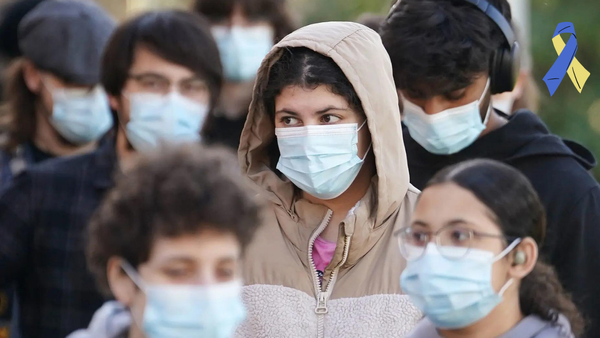
Heilicser paused as if expecting an explanation from me but I have none. I have seen the people who refuse to wear a mask or pull it down below their nose for comfort in grocery stores or restaurants. Some think they are making a grand statement.
“I don’t care who I kill,” they seem to be saying. “I will do what I want to do.”
Until we can build that monument to the people who risked everything for us perhaps, we can honor them by wearing masks in public, washing our hands, keeping a proper social distance and making sure we get vaccinated when given the opportunity.
This is no government hoax. It is science. It is our best defense. And a way to protect and honor those who have done their best to protect all of us.
Send letters to letters@suntimes.com