A food pricing expert says the demand for protein from consumers using weight-loss jabs could push the price of meat up by as much as 20 per cent.
Oisin Hanrahan, the chief executive and founder of Tesco-backed supply chain platform Keychain, said pressures, including global insecurity, energy prices and rising demand were contributing to the rising cost of meat for consumers.
The demand, he says, is currently driven by an increased emphasis on the importance of nutrient-dense protein for those eating smaller portions as a result of the effects of GLP-1 medication, or weight-loss jabs.
Mr Hanrahan said: “It wouldn’t surprise me if there was, say, 10-20 per cent on certain meat items over the year.
“The 2-5 per cent range is the hope. All input prices for meat production have gone up. But increasing demand is also increasing price, and all those on GLP-1 medications know they need nutrient-dense, high-quality protein – and that is your beef, lamb, chicken and pork.”
Figures from analysts Worldpanel show inflation on fresh meat was at 14.5 per cent for the four-week period ending December 2.
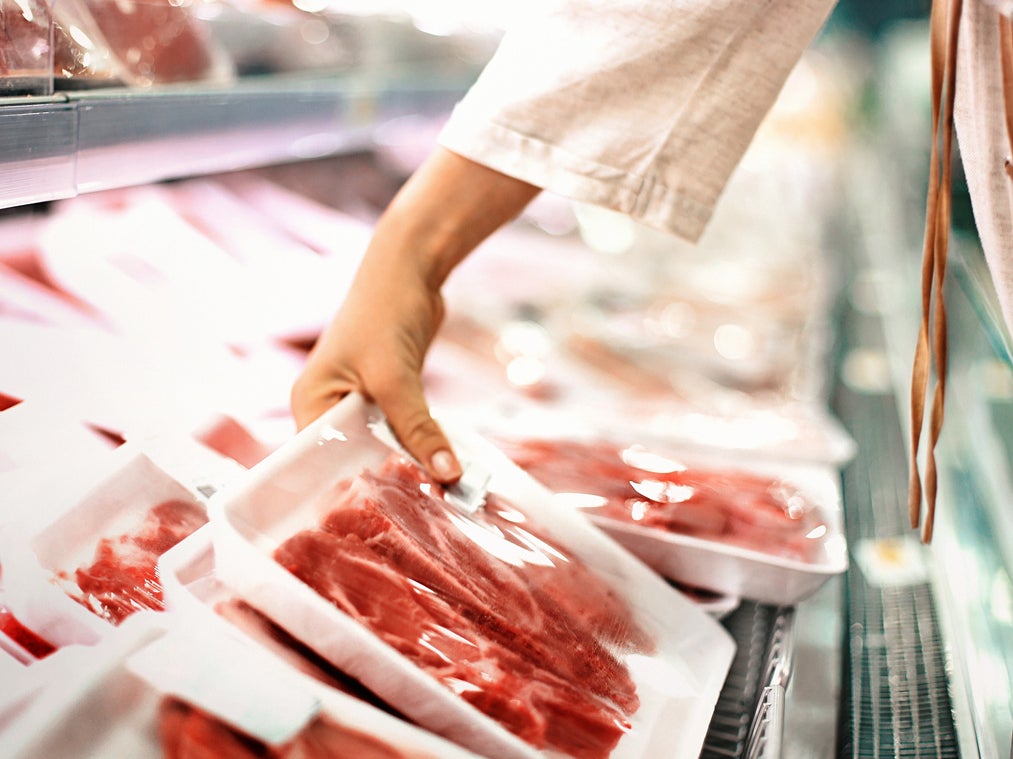
Mr Hanrahan said chocolate, coffee, beef, butter and fruit were among other products that had seen the most “eye-watering” rises over recent months, all contributing to a rate of food price inflation that had remained “stubbornly and unacceptably high”.
He said: “It’s the result of a perfect storm of factors: crop diseases, bad weather, over-reliance on individual countries, tariffs, new packaging rules and other trade complexities.
“The longer these prices remain high, the more experts and economists are beginning to ask a concerning question – is this the new normal? Will prices return to reasonable levels or have they become stuck?
“The answer is that it needn’t be. We shouldn’t view high food prices as an inevitability, but nor should we view them coming down as one.”
Mr Hanrahan urged consumers to be flexible when shopping for food and open to buying meat and other products on offer rather than going to the supermarket with rigid lists.
“We can’t be lethargic, waiting for food prices to come down on their own. The factors causing them to remain high are here to stay.”