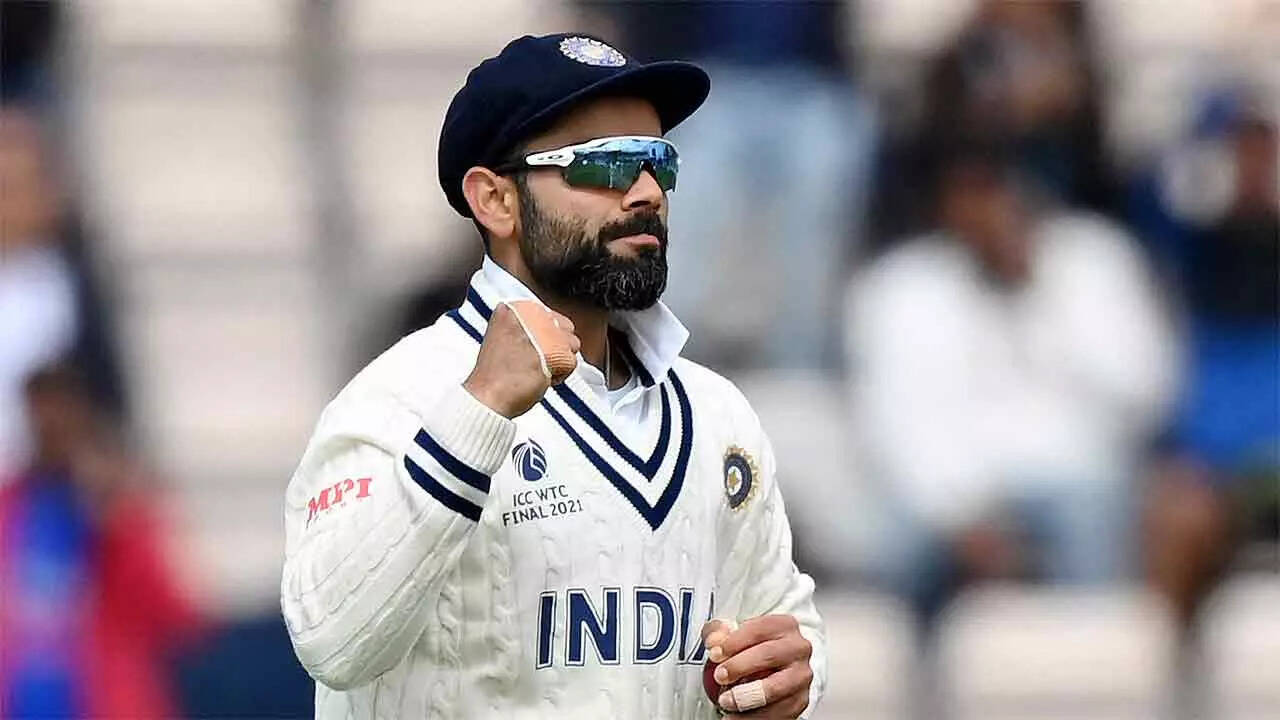
As an immensely successful Test captain, Virat discarded Indian cricket's traditionally defensive approach and chalked out a bold new roadmap which will continue to inspire
December 13, 2014 was probably the day Indian cricket changed forever. Virat Kohli was still the stop-gap Test captain of India, with MS Dhoni recuperating from an injury. India were set a target of 364 on the final day of the first Test against Australia in Adelaide and the popular perception was India would try to hold on for a draw.
But Kohli, the artist and street fighter rolled into one, launched an incredible assault on Australia and even when wickets were falling post tea, the captain was not ready to take a backward step. Draw was not a part of Kohli's dictionary and the Delhi boy, with two centuries in his first Test as captain, lost the game refusing to play for time.
On that day, the baton of Test captaincy changed from Dhoni to Kohli, even though the official hand-over happened in the final Test of the series when the Jharkhand man stepped down.
From a team that was trying not to lose away from home, India suddenly became the outfit that was always playing to win. Kohli got a coach in Ravi Shastri who bought his philosophy and the new Indian captain was prompt to chalk out a new roadmap for Indian cricket.
What is your take on the timing of Virat Kohli's decision to step down as Test captain?
Kohli knew that to win in SENA countries consistently, it would be mandatory to play with four pace bowlers. It meant that India would do the unthinkable on foreign shores: play with only six batters. For a conservative cricketing nation like India, it was a paradigm shift and the results, too didn't come overnight. Soul crunching defeats happened in South Africa and England in 2017-18. But Kohli the captain never believed in salvaging pride. He believed in making India the proud owner of the No. 1 spot in Test rankings.
For that, he was ready to punt. Jasprit Bumrah, an awkward slinger with a tendency to get injured, was never considered Test material. But Kohli and Shastri knew Bumrah would be their trump card if they had to win in SENA countries and they pitchforked the pacer into the team in South Africa in 2017. With Mohammed Shami already there and Ishant Sharma knowing what was expected of him, the pace attack suddenly started to invoke fear in the minds of the opposition.
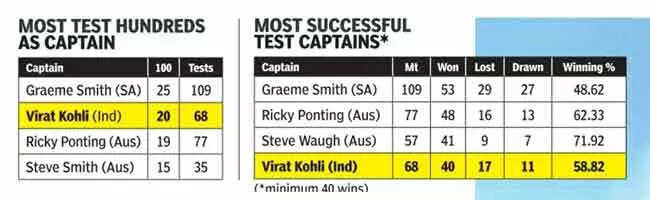
Kohli was also hell-bent on questioning conventional wisdom. Time and time again, he went for horses for courses allrounders ahead of specialists, which drew of the ire of the Indian cricket pundits. Hardik Pandya, Shardul Thakur, Ravindra Jadeja -- players who were hardly considered Test specialists -- became match-winners in red-ball cricket under him and Kohli, till his last day as captain, maintained that the only agenda he had was victory.
Kohli worked on two more ideas: an in-your-face aggression and zero compromise on fitness.
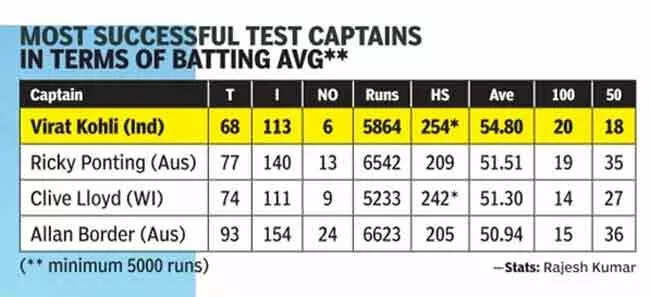
Being the Delhi boy growing up in the new millennium, aggression bordering on brashness came naturally to Kohli. It didn't please everybody, but the fire of Kohli did bring results. The Aussie legends like Ricky Ponting and Shane Warne saw shades of themselves in the body language of Kohli's boys. It's no coincidence that it was Kohli's Test team which breached Fort Australia in 2018 and followed it up two years later with another series win Down Under.
Amidst all these, the lean, chiselled Kohli also became the reference point for his teammates as they tried to emulate his fitness standards. Fitness almost became a competition among the new crop of players and the only gainer in the process was Indian cricket.
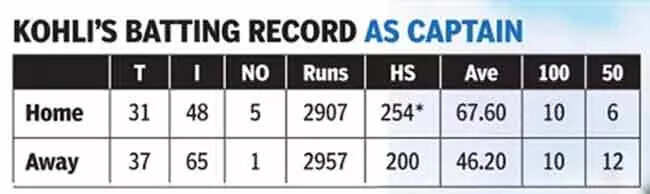
Didn't India lose important matches under Kohli? Of course they did, the World Test Championship final in June and the last one in Cape Town on Friday probably being the most painful.
But the truth is India, for the first time since they started playing Test cricket in 1932, won more away from home than they lost, marking a new era.