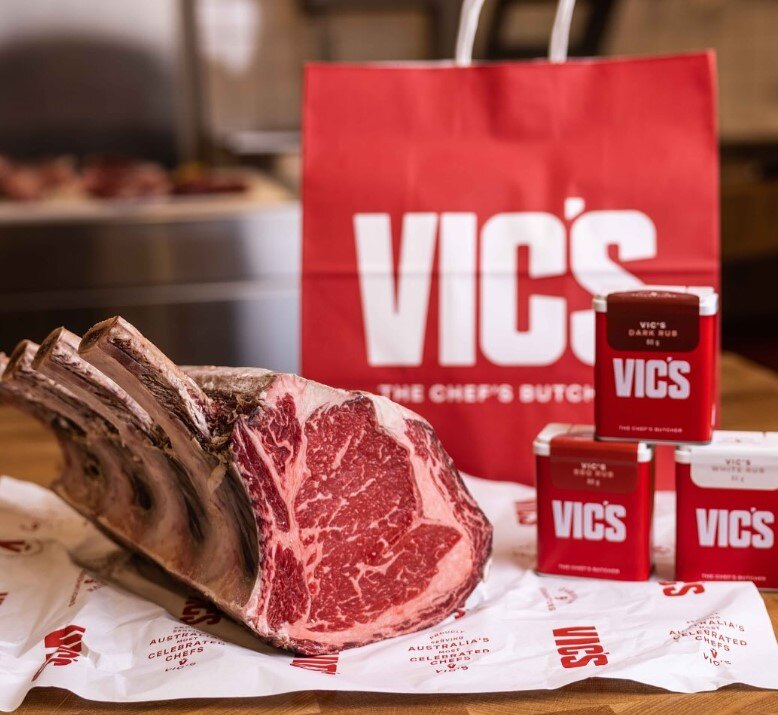
Vic's Meats, a renowned name in the Australian meat industry, has long prided itself on delivering premium meat products to both culinary professionals and discerning home cooks. Known for its high-quality offerings and expert craftsmanship, the company has established a strong market presence. However, like many businesses in the meat industry, Vic's Meats faced formidable challenges due to external factors such as economic downturns and the global pandemic. These events forced businesses to confront unprecedented hurdles, highlighting the need for adaptability and resilience. The focal point of this discussion is the strategic pivot undertaken by Vic's Meats to navigate through such challenging times.
Understanding Vic's Meats’ Legacy and Market Presence
For decades, Vic's Meats has been a staple in the Australian food industry, renowned for its commitment to quality and service. Established with the goal of providing the finest meat products, Vic's Meats became a trusted partner to top chefs, restaurateurs, and households alike. Prior to recent challenges, the company offered an extensive range of products, including beef, lamb, pork, and gourmet sausages. These products were distributed through a network of wholesale and retail channels, contributing to a broad and loyal customer base.
The brand’s reputation for excellence was well-founded, with a history of prioritising quality, sustainability, and customer satisfaction. This stellar reputation positioned Vic's Meats as a leader in the industry, respected for not only their product offerings but also their expertise and dedication.
Identifying the Challenges Faced by Vic's Meats
However, the landscape shifted dramatically as the meat industry grappled with a series of challenges. Economic impacts led to significant supply chain disruptions, affecting the availability and cost of goods. Simultaneously, consumer behaviours evolved, with many shifting towards online shopping and cooking at home during difficult times. Vic's Meats also had to navigate complex regulatory and compliance challenges, intensified by the crisis. Financial pressures mounted as operational constraints threatened profitability, necessitating swift and strategic action to mitigate risks and sustain business operations.
Strategic Business Model Pivot by Vic's Meats
In response, Vic's Meats embarked on a strategic pivot to adapt to the new realities of the market. Recognising the importance of staying relevant, the company embraced several new business strategies. One of the most significant changes was the adoption of digital platforms and online sales channels, allowing customers to purchase products directly from the comfort of their homes. This shift not only catered to changing consumer preferences but also opened new avenues for growth.
Moreover, Vic's Meats expanded its product lines to include offerings that catered to emerging consumer needs, such as meal kits and specialty cuts perfect for home cooking. The company strategically reallocated resources to support this new direction, ensuring that the transition was seamless and effective. This was a clever move, ensuring the business stayed ahead of the curve in a rapidly changing environment.
The Role of Technology in Facilitating the Pivot
Technology played a pivotal role in enabling Vic's Meats to implement its new business model successfully. By implementing e-commerce solutions and online ordering systems, Vic's Meats made it easier for customers to access products anytime, anywhere. Additionally, data analytics were utilised to gain insights into consumer trends, allowing the business to anticipate needs and refine operations accordingly.
Furthermore, the integration of supply chain technologies enhanced efficiency and ensured a reliable flow of products from suppliers to customers. This tech-driven approach not only improved operational agility but also strengthened customer engagement, solidifying Vic’s Meats' commitment to excellence in service.
Outcomes and Results of Vic's Meats' Strategic Pivot
The strategic pivot by Vic's Meats yielded several positive outcomes, both in the short-term and the long-term. Initially, there was a noticeable improvement in business performance as the new model took effect, with increased online sales and customer engagement reflecting the market's receptiveness to these changes. Customer feedback was largely positive, underpinning the success of this bold move.
Financially, the pivot revitalised the company's growth metrics, with enhanced revenue streams and improved profit margins demonstrating the effectiveness of the new strategies. From this experience, Vic's Meats gleaned valuable lessons for future operations, underscoring the importance of innovation and flexibility for long-term success.
Conclusion
Vic's Meats' journey through challenging times is a testament to the power of adaptability and strategic thinking. By embracing change and implementing a robust business model pivot, Vic's Meats not only weathered the storm but also emerged stronger and more resilient. This experience highlights the critical role of innovation and agility in ensuring business continuity and competitiveness.
For the broader meat industry and similar businesses, the insights gained from Anthony Puharich’s business pivot offer valuable lessons. The ability to understand market shifts and respond proactively can pave the way for sustained success in an ever-evolving market. As Vic's Meats looks to the future, the road ahead is one of continued growth and adaptation, with a commitment to maintaining the high standards that have defined their legacy.