How Verve Records and Norman Granz revolutionised jazz – in pictures
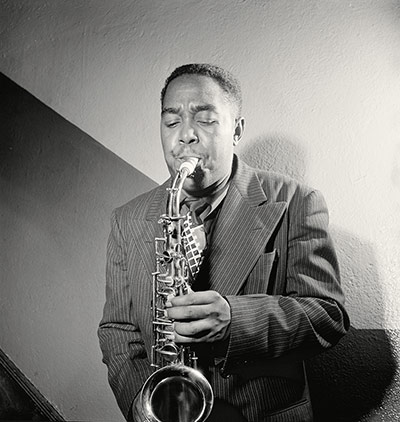
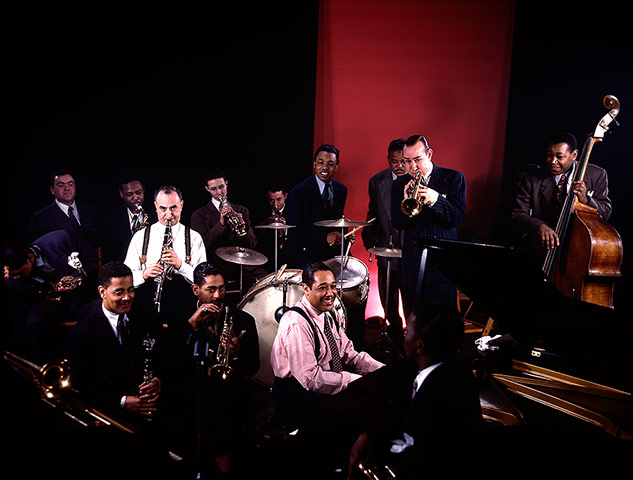
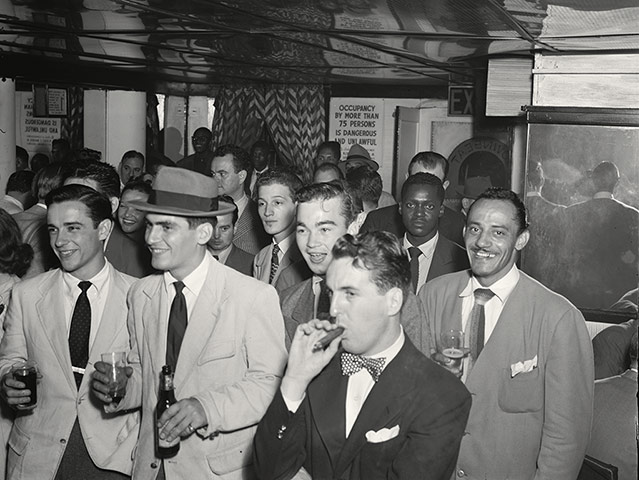
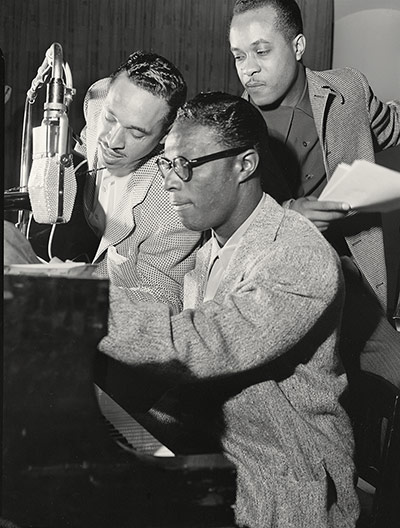
Charlie Parker pictured rehearsing backstage at Carnegie Hall, New York, 1947. "Two extraordinary mavericks changed the face of jazz in the 1940s," says Stuart Nicholson. "Saxophonist Charlie Parker changed the way it was played and entrepreneur Norman Granz changed the way it was sold by taking it out of the smoky jazz clubs and putting it on the concert stage." Photograph: Library of Congress/Library of Congress"Granz had become a jazz fan after hearing the Coleman Hawkins recording of Body and Soul and believed that jazz could be used as a means of breaking down racial segregation." A 1943 jam session at photographer Gjon Mili's studio loft. Duke Ellington is pictured at the piano surrounded by other jazz musicians, including Dizzy Gillespie (foreground, second left) on trumpet and behind him Mezz Mezzrow on clarinetPhotograph: Gjon Mili/Time & Life /Getty Images"In 1944 Granz [pictured here, far right, with Lester Young, centre, signing autographs, probably in 1945] took the ambitious step of arranging a promotion at the Los Angeles Philharmonic. Borrowing money to record the show, a novel idea of presenting the spontaneity of a 'jam session' for mass audiences, the event was a sell-out and the concept of 'Jazz at the Philharmonic' was born. More monthly concerts followed, and then the show went out on the road."Photograph: Courtesy of Tad Hershorn