Some of the UK’s oldest and most successful brands are testament to sound initial choices, brand consistency and carefully chosen strategic development – all underpinned by the crucial protection that trademarks offer.
1. Bass & Co’s Pale Ale – Brandbrew SA
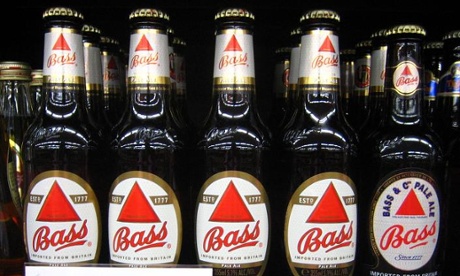
This brand holds the coveted title of the first trademark to be registered in the UK, with an employee of the Bass brewery rumoured to have been sent to the trademark office on New Year’s Eve 1875 to be first in line when the doors opened on 1 January 1876. It is clear from recent marketing activity that the current owners are proud of their heritage and are using it as a unique selling point: new branding has recently been introduced that carries the wording “Trademark No 1” underneath the distinctive red triangle.
2. Greggs

As the likes of John Lewis, Sainsbury’s and Greggs have shown, the choice of brand name doesn’t have to be particularly innovative and, in fact, many of today’s most trustworthy and successful brands are derived from their founder’s own name. Registered only in 1995, possibly due to changes in trademark law that came into effect in 1994 which made it easier to register surnames, the beauty of this trademark is that it is so everyday and recognisable. Its simplicity makes it effective.
Originally delivering eggs and yeast to local customers on a push bike in the 1930s, John Gregg opened his first shop in Newcastle in 1951. Today, what was once a neighbourhood favourite has over 1,600 stores across the UK, yet still stays true to its reputation of being “a company with the community at its heart”. In addition to offering classic British foods, Greggs sells regional specialities which means that it is not perceived as just another nationwide chain, but a chain that shows local awareness. The Greggs Foundation, launched several decades ago to make “a difference to the lives of people in need in the heart of Greggs’ local communities”, enforces this message and helps to foster emotional connections – crucial to brand loyalty.
3. Halfords

Geographical place names often form the inspiration for new brands and provided that they are not seen as descriptive of the goods or services on offer, can be protected as trademarks to secure exclusive intellectual property rights. Dating back to 1892, the UK’s leading retailer of car parts and bicycles, Halfords allegedly took its name from “Halford Street” where the first cycle shop was opened in 1902. It registered Halfords as a trademark in 1955 and has built a brand that is distinctive and unique.
With targeted marketing campaigns, such as #getonyourbike, Halfords capitalises on trends brilliantly, the most recent being the surge in popularity that cycling has enjoyed since London 2012. Exposure through television and radio commercials, as well as sponsorship of numerous sports teams, has allowed the company to push its brand and establish itself as a solid household name.
4. Wedgwood

Despite its sale to the Finnish Fiskars Group, the Wedgwood name is steeped in a 256-year history which has made it an iconic English brand. The Wedgwood story started in Staffordshire in 1759 with 29-year-old independent potter, Josiah Wedgwood. His designs were innovative and elaborate and within just a few years Wedgwood collections were gracing the tables of monarchs and heads of state around the world.
Wedgwood was registered as a trademark in February 1876 and remains in force today. The name and the values of the brand are unchanged but it has moved subtly with the times, allowing it to remain a desirable, premium product.
The brand has strived to stay distinctly English and still exports, based on its quintessentially English heritage, all over the world. Collaborations with leading artists have continued Josiah Wedgwood’s practice and have kept the brand current. Today pieces are still designed in England with collections from leading designers, such as Jasper Conran and Vera Wang, and campaigns featuring top British models.
Rebecca Tew is a partner at intellectual property law firm Marks & Clerk LLP
To get weekly news analysis, job alerts and event notifications direct to your inbox, sign up free for Media Network membership.
All Guardian Media Network content is editorially independent except for pieces labelled “Advertisement feature”. Find out more here.