
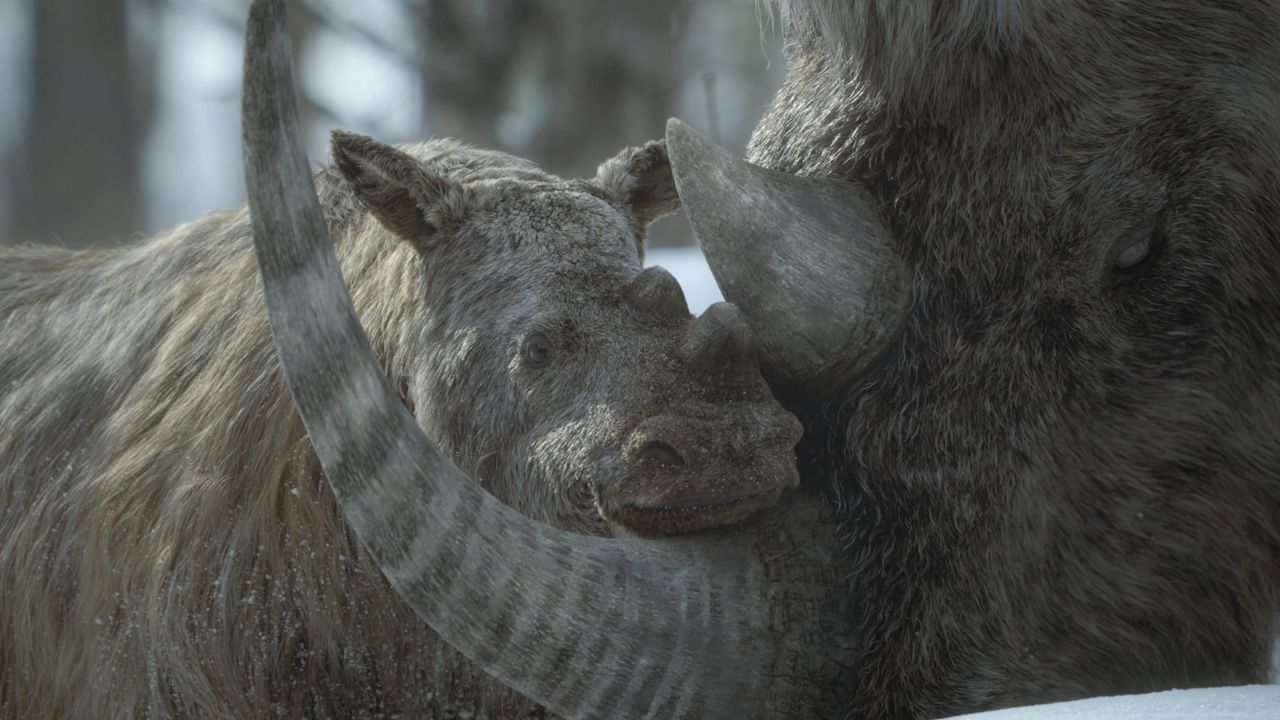
After the success of its first two seasons, Apple TV's "Prehistoric Planet" is back with a third instalment, this time focusing on the last ice age.
Whereas the first two seasons transported viewers back to the age of the dinosaurs, "Prehistoric Planet: Ice Age," which premieres Wednesday (Nov. 26), takes us to the Pleistocene epoch, which lasted from about 2.6 million to 11,700 years ago.
Narrated by Tom Hiddleston and scored by Hans Zimmer, the five-part docu-series features incredible creatures such as woolly mammoths, snow sloths, scimitar-toothed cats and dwarf elephants, among others, as the series documents how species adapted to a rapidly changing environment, from the "big freeze" to the "big melt."
Read on for Live Science's guide to "Prehistoric Planet" and how to watch every episode from all three seasons.
Where to stream Prehistoric Planet
"Prehistoric Planet" is exclusively streaming on Apple TV.
"Prehistoric Planet: Ice Age" premieres on Nov. 26, 2025, with all five episodes released on the same day. The first two seasons of "Prehistoric Planet" are available for catch-up on Apple TV now.
Save 50% with Apple TV's Black Friday promotion
Prehistoric Planet trailers
What is Prehistoric Planet?
"Prehistoric Planet" aims to combine up-to-date scientific research with cutting-edge visual technologies to create vivid animations that bring the past to life.
The franchise previously focused on dinosaurs and other prehistoric creatures from the late Cretaceous period in its first two seasons, but the new season winds the clock forward to Earth's most recent ice age.
See also | Woolly mammoths fight off attacking saber-toothed cats in stunning new 'Prehistoric Planet' clip
Which dinosaurs & other animals are in Prehistoric Planet?
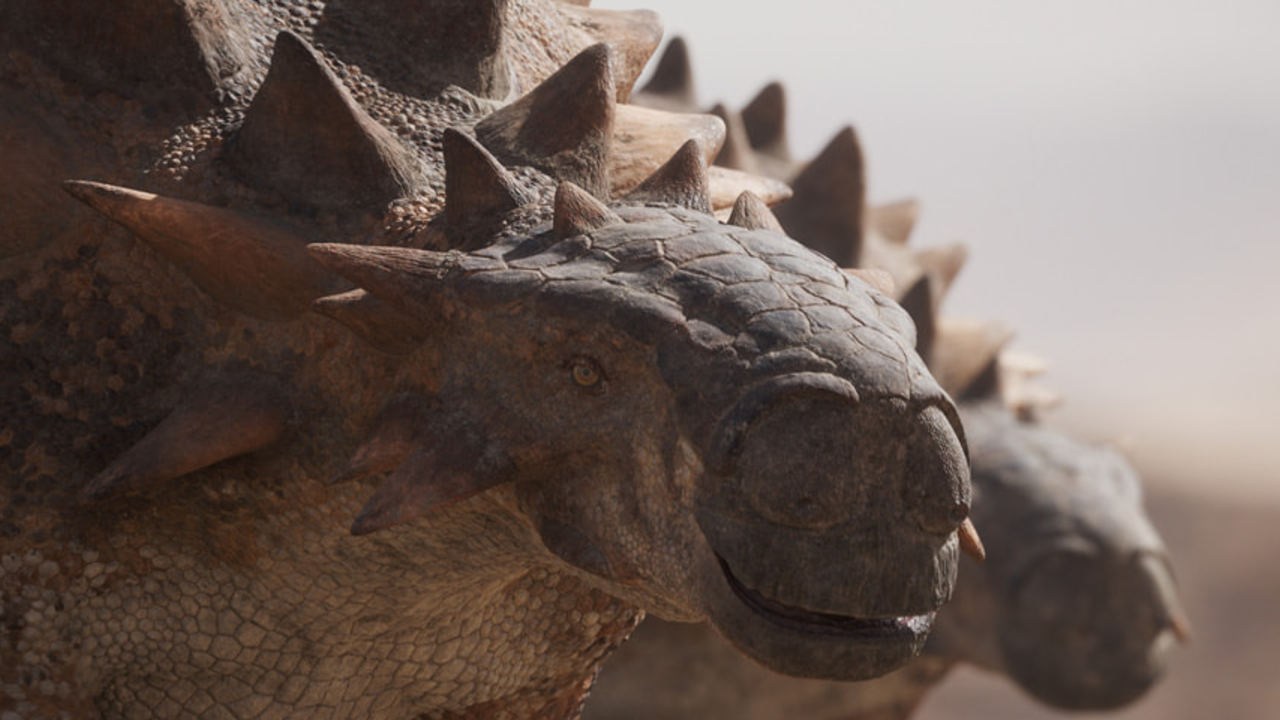
The first two seasons of "Prehistoric Planet" showcase dinosaurs, marine reptiles and pterosaurs — the three groups that dominated the land, water and air 66 million years ago.
The infamous Tyrannosaurus rex headlines the roster of carnivore dinosaurs, but other tyrannosaurids such as Tarbosaurus also make appearances. Small hunters like Velociraptor and Mononykus also feature. Perhaps more impressive are the larger herbivores, such as Dreadnoughtus, Olorotitan and Triceratops.
Season two adds to the mix the Indian sauropod Isisaurus, the armored Tarchia from Mongolia, and the bird-like troodontid Pectinodon, among many others. It also features Mosasaurus and relatively unknown species such as Tuarangisaurus and Kaikaifilu.
Pterosaurs ranging from the Barbaridactylus to the enormous Hatzegopteryx also appear throughout the series.
The latest season charts the Pleistocene from start to finish. The first episode features woolly mammoths, woolly rhinos and other species as they battle to adapt to the frozen environment. Episode 2 sees giant bears, sloths and armadillos along with tiny elephant relatives migrating in search of resources.
Episode 3 focuses on desert landscapes, with the likes of marsupial lions, giant kangaroos and giant moa, while episode 4 looks at grasslands and the giant creatures that thrived there, including the Doedicurus, a car-size prehistoric armadillo. The season concludes with scimitar-toothed cats, dire wolves and elephant birds adapting to landscapes transformed by rising temperatures.
Who created Prehistoric Planet?
"Prehistoric Planet" is produced by BBC Studios' Natural History Unit, with Jon Favreau ("The Lion King", "The Mandalorian") and Mike Gunton serving as executive producers.
Hans Zimmer headlines a trio of composers that includes Anže Rozman and Kara Talve.
Legendary broadcaster, biologist, natural historian and author Sir David Attenborough narrates the first two seasons, but award-winning actor Tom Hiddleston takes over for "Prehistoric Planet: Ice Age."
We test and review VPN services in the context of legal recreational uses. For example: 1. Accessing a service from another country (subject to the terms and conditions of that service). 2. Protecting your online security and strengthening your online privacy when abroad. We do not support or condone the illegal or malicious use of VPN services. Consuming pirated content that is paid-for is neither endorsed nor approved by Future Publishing.