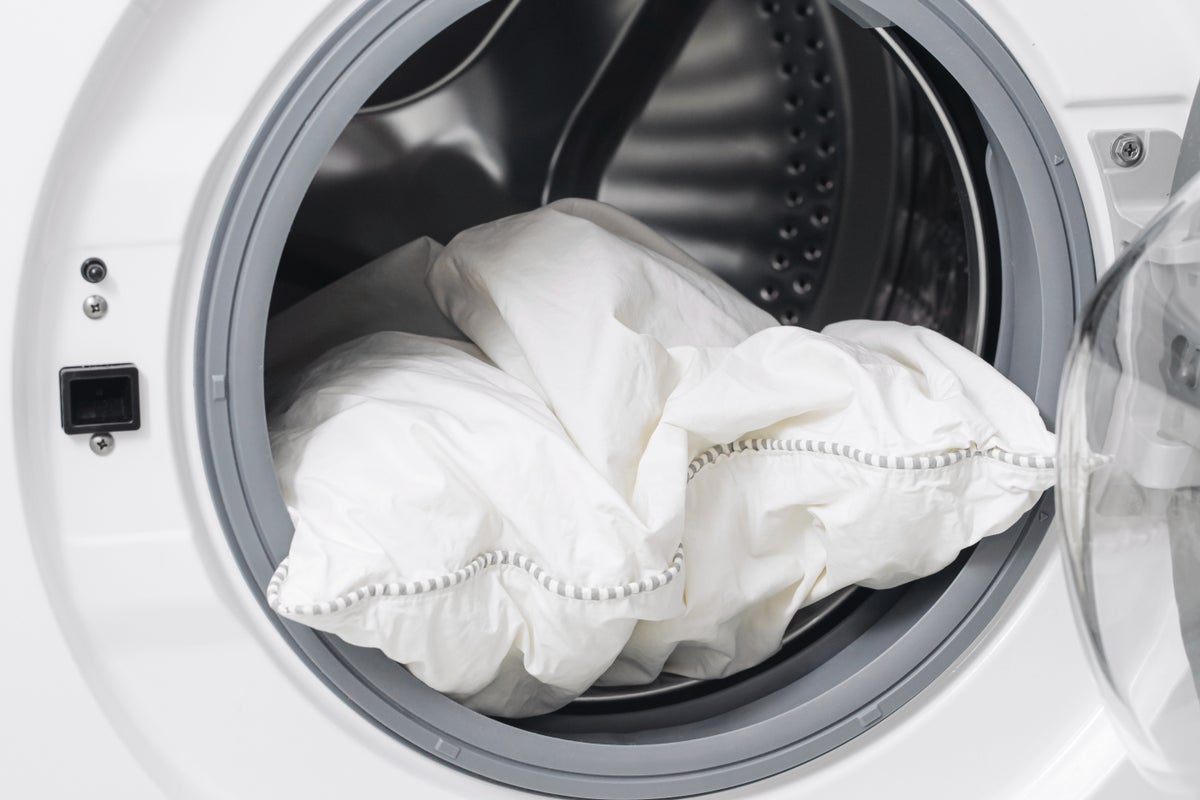
The best pillows do more than simply help you get a good night’s sleep. The right pillow supports your neck, shoulders and spine throughout the night, helping to maintain good posture and reduce aches and pains when you wake up.
But while many of us are diligent about washing our bedding regularly, pillows themselves are often overlooked. Many people don’t realise that, over time, pillows can absorb sweat, body oils, dead skin cells, and even harbour dust mites, all of which can affect not only how fresh they feel, but also how long they last. In some cases, dirty pillows can even aggravate allergies and impact sleep quality without you realising.
Regular cleaning is one of the easiest ways to keep your pillows feeling comfortable, hygienic, and supportive for longer. However, not all pillows can be washed in the same way, and using the wrong method could damage the filling or ruin their shape.
To find out exactly how to clean pillows properly – from machine washing to drying them correctly – I spoke to Andrew Seed, sleep specialist at The Odd Company, for his expert advice.
Keep reading for everything you need to know about washing your pillows, including how often you should clean them, the mistakes to avoid, and the best ways to keep them fresh for years to come.
Read more: Best pillows, tested by a sleep expert for support and comfort
Why is it important to wash pillows?
While pillowcases act as a protective barrier, they can only do so much. Over time, pillows themselves collect sweat, body oils, dead skin cells, and everyday dirt, all of which can build up deep within the filling. This not only leaves pillows looking yellowed and feeling less fresh, but can also create the perfect environment for dust mites and bacteria to thrive.
If left unwashed for too long, dirty pillows may contribute to allergies, skin irritation, and unpleasant odours, while also affecting how supportive and comfortable they feel to sleep on. Because of this, Seed recommends regular cleaning to help remove this build-up, keeping pillows hygienic and helping them maintain their shape and lifespan for longer.
“Many people overlook cleaning their actual pillows or duvets, but, just like your mattress, they play a key role in maintaining both comfort and hygiene,” he explains.
Can you wash pillows at home?
Many pillows can be washed at home, but it’s important to check the care label first as using the wrong washing or drying method can damage the filling, leave pillows misshapen, or reduce their support over time.
“For the best results, we recommend professional laundering,” says Seed. “This is because the washing machine drum needs to be large enough to ensure that pillows are sufficiently agitated and rinsed. It is also essential that the pillows are completely dry before being used on your bed again.”
This is especially important because any moisture trapped inside a pillow can lead to mildew, unpleasant smells, and even bacteria growth. Proper drying is just as crucial as washing when it comes to keeping pillows fresh and hygienic. However, if you want to wash them at home, don’t worry as Seed says there’s still a safe and effective way to do it.
What’s the best method for washing pillows at home?
“First check the care label, especially for premium materials,” Seed explains. “Most down, feather, or synthetic pillows can be machine-washed, but memory foam and latex pillows should never be put in the washing machine.”
For washable pillows, Seed recommends firstly removing the cases, and to pretreat any stains or discolouration with a designated fabric cleaner. “Wash two pillows together to balance the machine and ensure an even clean, on a warm cycle,” he adds. “Just make sure that the temperature is not too hot, as heat can cause damage to the pillow.”
After they’ve been washed, be sure not to use them again until they are 100 per cent dry. Andrew recommends either tumbling dry on low heat or air drying. “When tumble drying, add a tennis ball or dryer ball to the drum to prevent clumping – this is essential for maintaining luxury fibres.” In the drying process, Andrew notes it’s important to avoid high heat as this can break down fibres and causes discolouration over time.
How often should you be cleaning your pillows?
Even with a pillowcase on, build-up can gradually settle into the filling, which is why washing them occasionally should be part of your overall bedding routine.
As for how often you should be doing this, Andrew says pillows should be washed at least every six months to a year. However, if you're a hot sleeper, have allergies, or sleep with pets in the bed, aim to clean your pillows every three months. Using pillow protectors and regularly airing pillows out between washes can also help maintain their freshness.
Read more: How to find the right pillow for back, side, or front sleepers
Best pillows for sleeping
Simba hybrid pillow
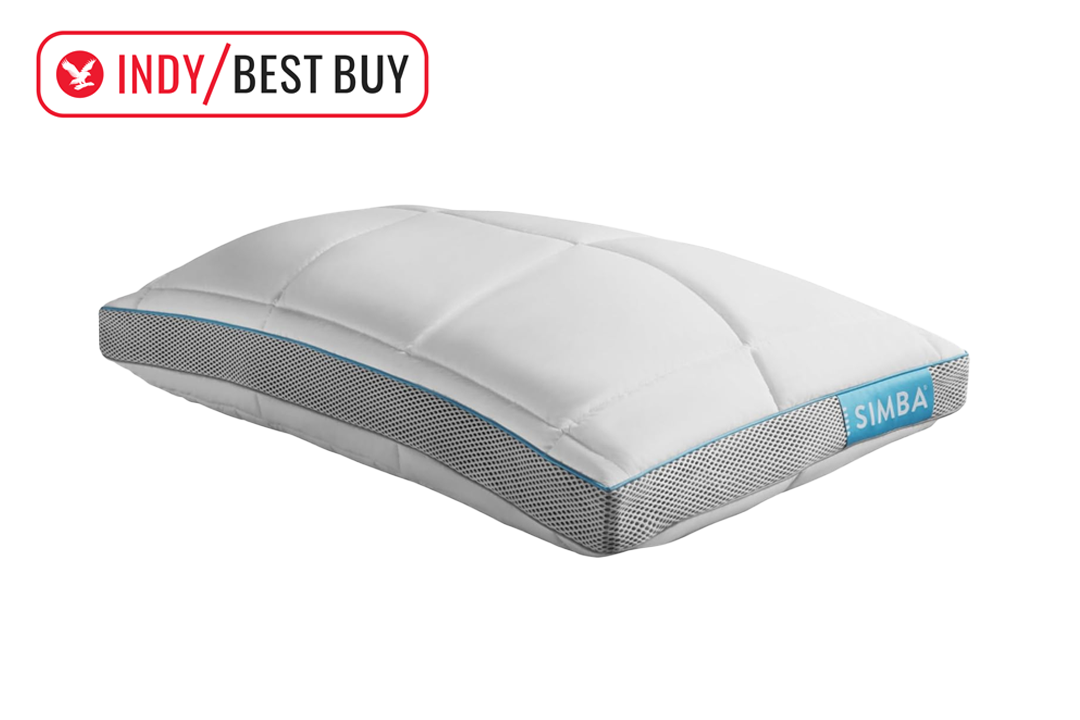
Fill/type: Adjustable foam cubes, polyester fibres
Firmness: Adjustable (roughly medium to firm)
Loft/height: Adjustable
Dimensions: 70cm x 45cm
Cover material: Cotton
Cooling/ventilation: Cool-touch face and breathable mesh border
Washability: Cover machine-washable; cubes not machine-washable
Why we love it
- Truly adjustable loft and firmness via nanocubes
- Cool-touch side and mesh perimeter
- Washable cover with sturdy zips
- Adapts well to side, back and even some front sleepers
Take note
- Expensive
- Inner foam cubes aren’t machine‑washable
Simba’s hybrid pillow emerged as the top choice in our guide to the best pillows. This pillow is filled with “nanocubes” instead of memory foam, meaning they “compress and bounce back with real spring,” reviewer Liz Dodd writes.
“In terms of firmness, it feels somewhere between a feather pillow and a memory foam pillow: the closest comparison I found was with a natural fibre like wool,” she adds. “There is plenty of support, particularly if you retain all the nanocubes and fluff them up occasionally, and your head doesn’t sink all the way to the mattress the same way it would with a down fill. But there is always a degree of give, which is particularly nice if you sleep on a firmer mattress and on your side (so you have a very low pillow).”
Read the full Simba hybrid pillow review
Buy now £109, Simbasleep.com
Slumberdown memory plus pillow
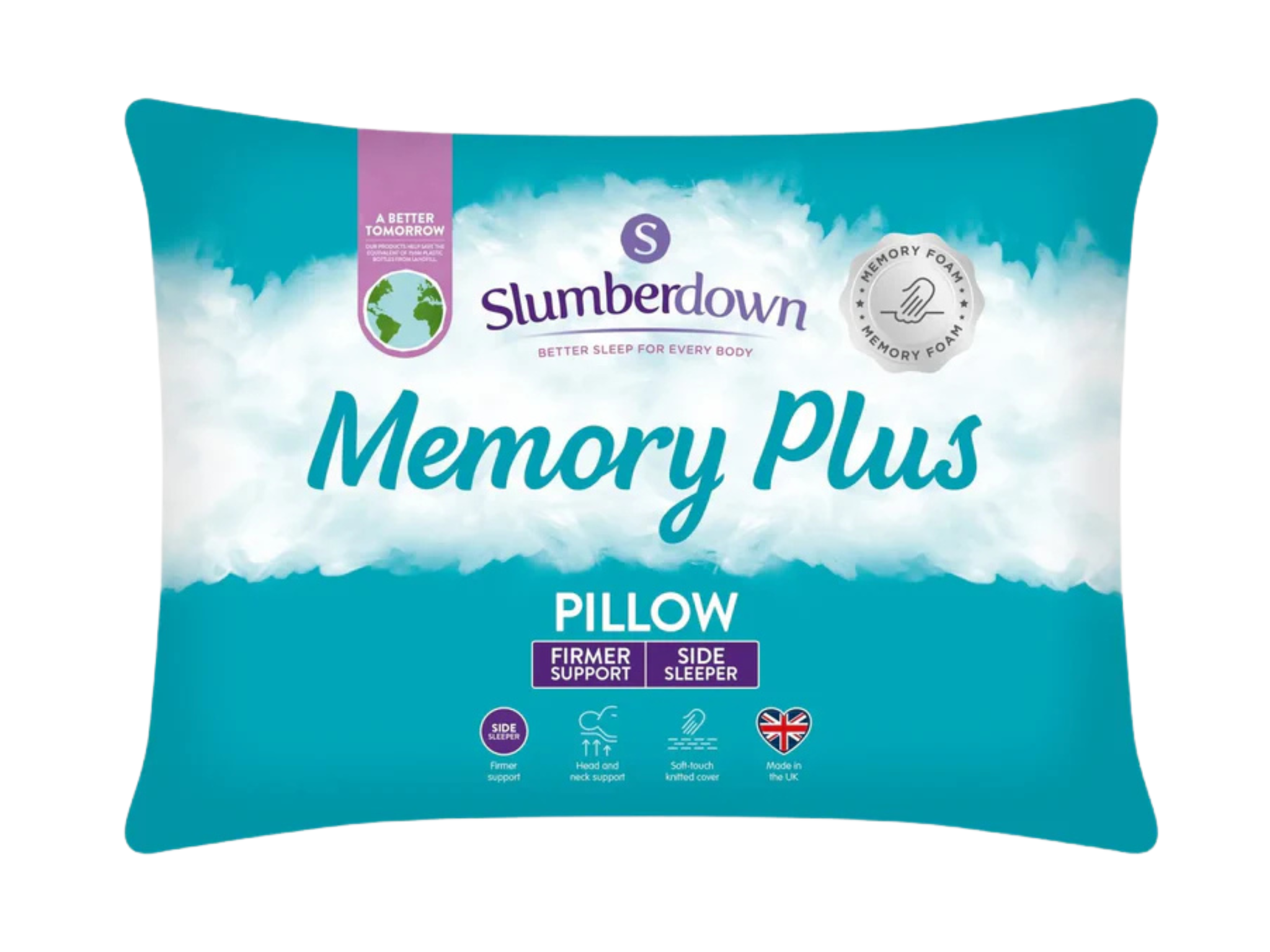
Fill/type: Single-piece viscoelastic memory foam with hollowfibre interior
Firmness: Medium-firm
Loft/height: Medium-high
Dimensions: 64cm x 38cm
Cover material: Polyester blend
Cooling/ventilation: None (runs warmer than ventilated/gel foams)
Washability: Sponge clean only
Why we love it
- Medium‑firm memory‑foam support at a budget price
- Consistent contouring with quick rebound
- Removable, machine‑washable cover
Take note
- Runs warmer than ventilated or gel‑infused foams
- Fixed loft is too high for most front sleepers
- Core not machine-washable
For a budget-friendly option, the Slumberdown memory plus pillow scored well with reviewer Caroline Preece. “When on my side or back, it kept my neck neutral, and I woke up without feeling stiff, though it might be a little high for front-sleepers,” she wrote.
“Heat management is the expected trade-off at this budget, as there are no gel infusions or perforation channels to keep you cool. This means it runs warmer than ventilated premium foams, but it stayed a comfortable temperature during testing rather than feeling clammy or needing constant flipping.”
Buy now £20.71, Slumberdown.co.uk
Levitex pillow
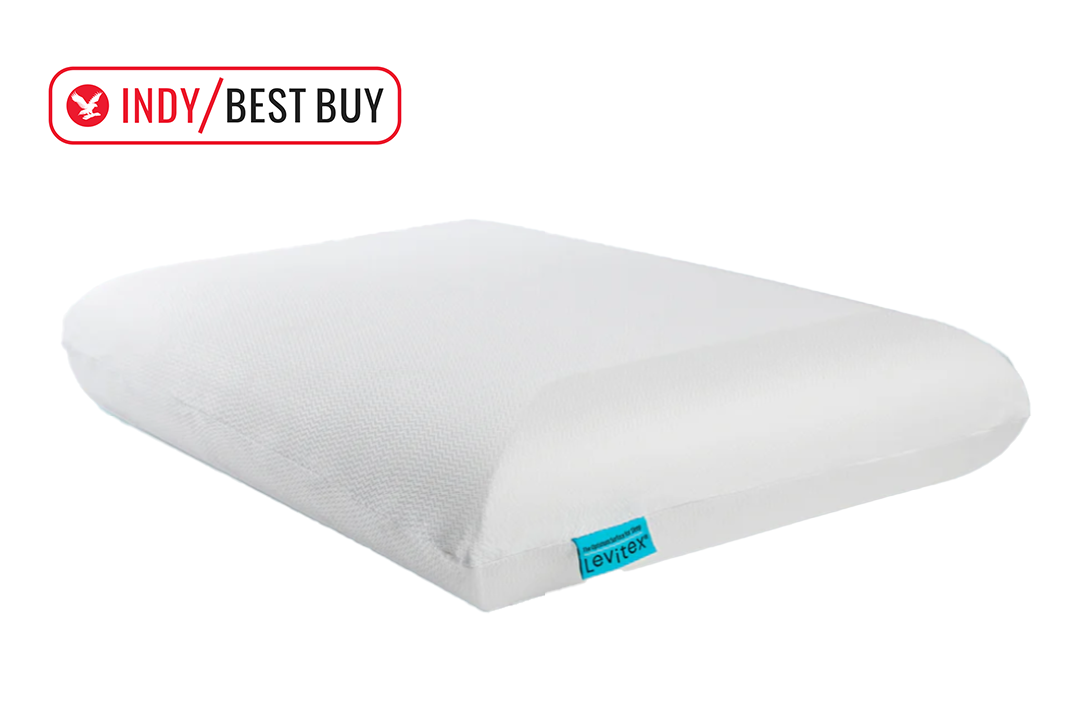
Dimensions: Small: 60cm x 40cm x 8cm, medium: 60cm x 40cm x 10cm, large: 60cm x 40cm x 12cm, extra large: 60cm x 40cm x 14cm
Filling: Levitex foam
Cover: Nylon
Firmness: Medium-firm
Guarantee: Three years
SnoreLab score: 7 (very good)
Why we love it
- Dramatically improved snoring
- Helped spine alignment
- Suits side sleepers and front sleepers
For snorers, the Levitex is a great choice, and topped our guide to the best anti-snore pillows.
“The foam technology in a Levitex pillow gently and comfortably supports you as you sleep, helping you to find a sleep posture that allows your spine to feel neutral and weightless and, crucially, keeps your airways open,” wrote Zoe Griffin.
“There are four pillow sizes, from small to extra large, available to ensure people of all sizes have the right level of support for the shape of their neck and shoulders. I tried a medium and it felt luxurious. After a few nights on this, I wondered why I hadn’t thrown out my old pillow years ago. Snoring was definitely reduced, neck and tension pain were relieved, and using the pillow even made an old hip injury feel less painful.”
Buy now £80, Levitex.co.uk
Meet the expert
- Andrew Seed: Sleep specialist at The Odd Company
Heading off on a long haul flight? Check out our review of the Trtl travel pillow