There are at least 80 million backyards across the country, and turning an unused outdoor space into a functional living area requires converting neglected, sloped, or overgrown dirt into designated zones for cooking, lounging, and gathering. Underutilized residential yards in every city serve as little more than high-maintenance lawn space. By pairing durable hardscaping materials like paver patios and retaining walls with targeted native landscaping, you turn an exposed lot into a private, high-performance retreat.
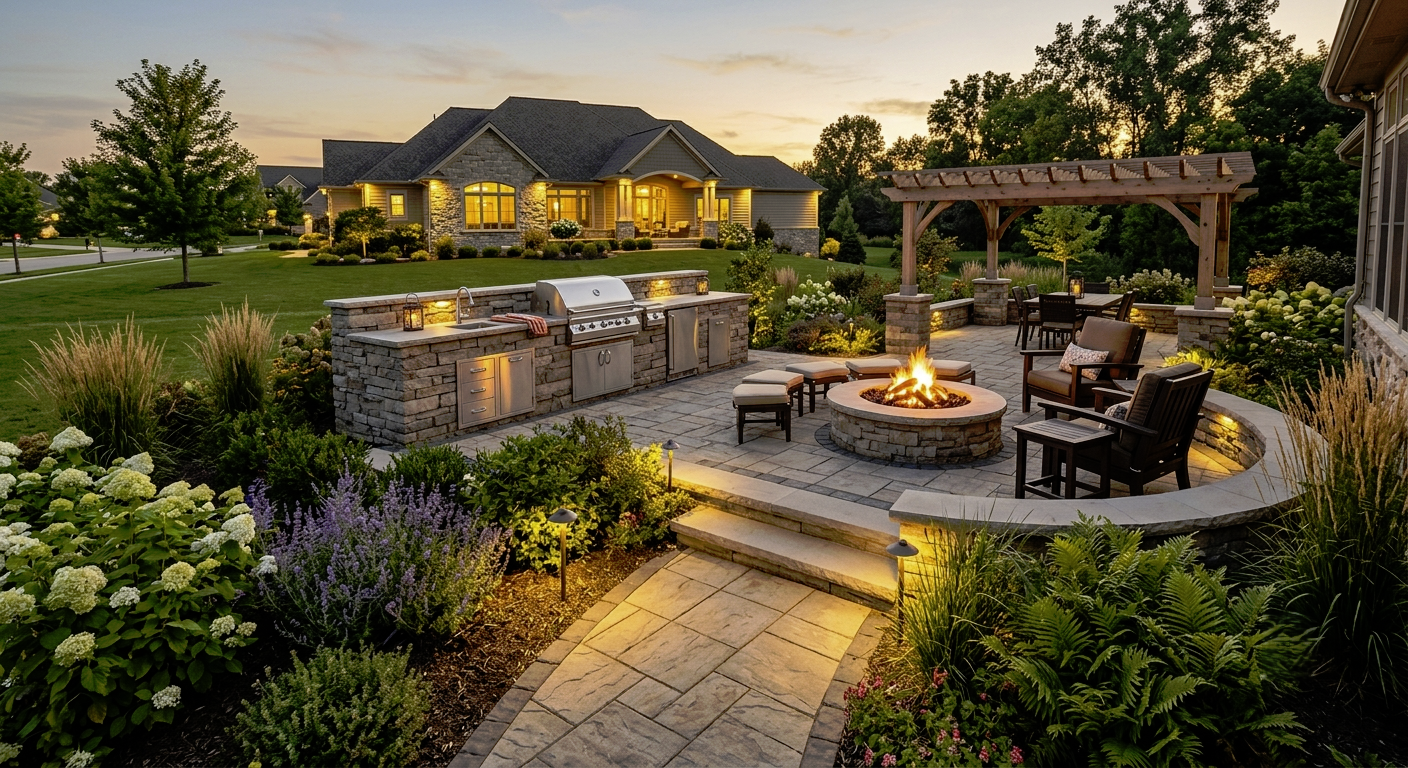
Image Source: Google Gemini
Building the Foundation With Hardscaping and Retaining Walls
The fastest way to make a backyard unusable is ignoring slope, poor drainage, and unstable soil. Before setting up furniture or installing high-end amenities, you must build a flat, structural foundation.
Installing a solid paver patio establishes clean sightlines and creates a stable base that resists seasonal shifting. If your property features uneven grade or soil erosion, site preparation becomes your top priority. National hardscape cost data cited by Lawnstarter indicates proper retaining wall installation averages $6,300 to effectively manage drainage and level out steep slopes. A well-placed wall converts an unusable hillside into a multi-tiered usable terrace.
Complex excavation, grading, and heavy hardscaping require specific technical skills and specialized machinery, preferably provided by professionals who know your region well. So, for homeowners in OK, turning to trusted Oklahoma contractors to manage site prep, construct retaining walls, and lay down seamless stone paving that endures severe weather cycles is sensible. Such a strategy should apply wherever you live.
Designing Functional Zones for Cooking and Gathering
Once your foundation is level, segment the yard into distinct functional zones. Rather than scattering elements randomly, treat your outdoor living space like an extension of your home floor plan.
Kitchen placement should offer direct access to your indoor pantry while keeping high-heat grills away from high-traffic footpaths. Data from Techo-Bloc's 2025 contractor survey shows built-in outdoor kitchens average $24,500 as homeowners prioritize permanent cooking hubs over portable grills. Adding built-in storage counters and integrated task lighting keeps the host engaged with guests instead of running inside for supplies.
Fire features act as natural focal points that draw people outdoors during cooler months. Whether you choose a gas fire table or a custom stone fire pit, surround the feature with integrated seating walls or weather-resistant furniture.
Managing Drainage and Water Runoff Behind Hardscape Installations
Sloped yards present hidden hydrostatic pressure issues that destroy fresh hardscaping within two winter freeze cycles. When converting soft earth into solid stone, heavy rainfall shifts from soaking into turf to rushing toward your home foundation or pooling behind new retaining walls.
Installing subsurface French drains and perforated pipe systems directly behind backfilled retaining walls directs groundwater away from load-bearing stone. Proper drainage aggregate paired with permeable paver beds prevents water buildup, keeping your structural hardscape level, dry, and crack-free for decades.
Also keep in mind that 78% of renovation projects exceed their original budget. So if you’re planning a backyard overhaul that goes beyond the basics, you’ll need a financial cushion in place for unexpected expenses.
Low-Maintenance Landscaping and Long-Term Usability
Hardscaping creates the structure, but strategic softscaping gives the space energy and privacy. The key to modern outdoor design is selecting low-maintenance elements that do not add hours of weekly chores to your routine.
- Native plants and water-wise shrubs cut down on supplemental irrigation requirements
- Drip lines delivered beneath mulch beds stop weed growth before it starts
- Integrated low-voltage LED lighting extends usable yard hours well past sunset
Integrating native flora alongside custom stone structures creates a balanced ecosystem that thrives in local climate conditions. According to recent home design analyses, pairing hardscape structures with water-wise native plantings maximizes long-term outdoor usability.
If you want to keep exploring ways to improve your property value, dive into our other guides on exterior home upgrades and hardscape maintenance. We’ve got plenty of posts across other topics as well, so you won’t be short of something to read.