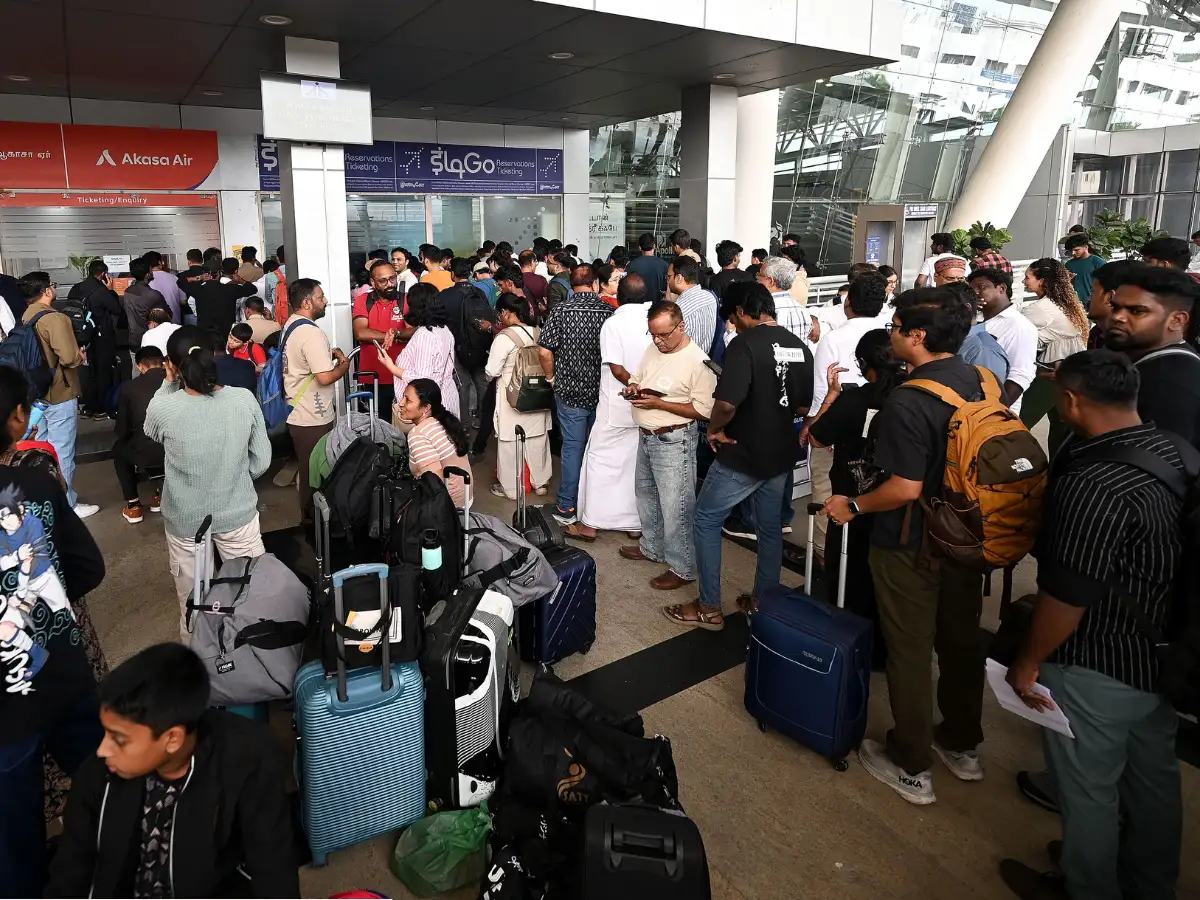
Travel has split into two systems: one for people who know how to navigate a dysfunctional industry, and one for everyone else. What was once a straightforward purchase — go to an airline’s website, buy a ticket, go on your trip — is now an exercise in optimization and risk hedging.
According to Bloomberg Intelligence, which surveyed the 2026 vacation plans of 1,000 adults, 66% expect to spend more on vacations in 2026 than they did the year prior. That’s happening even as many are staying closer to home, citing safety concerns tied to geopolitical instability. For lower-income travelers, higher costs are largely unavoidable, driven by inflation. Higher earners, meanwhile, are trading up as midrange options disappear. Some 43% of respondents say they’re tapping savings to fund trips, while 10% are using buy-now-pay-later financing, proof that demand for travel isn’t weakening, though it could be financed in more precarious ways.