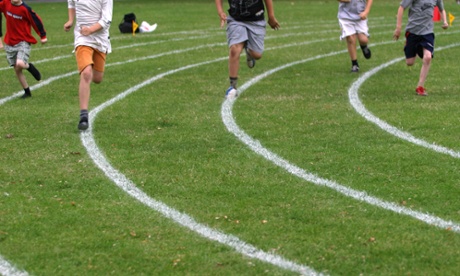
While the past decade has been noted for the rapid rise in tech, another phenomenon has also hit our streets: the running boom.
It feels like there have never been so many people pounding pavements – often in snazzy leggings and high-vis, dry-fit tops. This week’s how to teach shares the best ideas and resources to get teachers and students off on the right foot.
Kick off by introducing one of the world’s most exciting city races. This year the London Marathon takes place on Sunday 26 April, when the streets will once again be filled with thousands of lycra-clad runners.
Ahead of the big day, give students an idea of the context of the event. This fact sheet tells the 35-year history of the race, while this course map could be used to calculate distances between key landmarks.
For younger students, introduce the basics of running with a set of eight lesson plans designed by Active for Life, a social enterprise that promotes physical literacy. There are four lessons for students aged five to eight. The first introduces some of the basic skills needed to run well, including keeping the head still, bending the arms at the elbows and lifting the knees. The second focuses on practising these; it’s important, for example, to encourage students to pump their arms forward and back – without crossing across the body – when running.
A third lesson about sprinting considers the need to bring the knees up sharply while the hands travel “from hip to lip”, and a fourth lesson focuses on running forwards, sideways and backwards. A key teaching point here is the need to keep the head up.
Find the fun side of running practice using games such as “British bulldog”, “Octopus tag” and “Traffic lights”. Instructions for all of these games are in the different lesson plans above.
Another fun activity involves getting children to pretend they are running through the jungle, dodging animals. Teachers can give commands, such as “jump over logs” and “duck under branches”. This is a great way to get kids’ hearts pumping – just make sure you’ve got some space.
You might also want to try some of these PE warm-ups and outdoor activities by Twinkl. Ideas include “sheep and wolves” – a fun version of tag where students who are caught have to lie down with their feet in the air until they are freed by a “farmer”. “Shout the shapes”, another great song and PE game, involves students shouting out the names of shapes held up in front of them before running around and making shapes with their bodies.
The Training and Development Agency for Schools has advice on adapting activities such as these for primary students with special educational needs and/or disabilities. Some ideas worth considering include shortening the distance of sprints, or getting students to run in and out of slalom cones instead of moving sideways or backwards.
To help upper primary and early secondary students improve their running technique, Active for Life has lesson plans for pupils aged eight to 12. There’s an introductory lesson about different types of running, along with lessons about jogging, sprinting and running in different directions. From this stage onwards, students should be lifting their knees high when sprinting, landing on the balls of their feet and bringing their heels up close to the backs of their legs. Their arms should be bent at 90 degrees and swinging from the shoulders. When jogging, the foot should roll from heel to toe and the back should be straight but not stiff.
Encourage these skills with fun activities including sprint relays or a “bum walk”, which involves students sitting on the floor with their legs stretched out. They must move across the activity space by swinging alternate hands “from hip to lip” while keeping their backs straight. The Active for Life lesson plans detailed above include instructions for additional running games such as “crows and cranes” and “tent tag”.
As students progress through secondary school, they will beable to cover longer distances. There is some debate about just how far young people should push themselves; the Running for Fitness website suggests that children should not train for middle-distance races – for example, 800m and 1500m – until they are about 13 or 14. Longer races, such as 10km, should be put on hold until the young person is 16.
Back in the classroom, keep the running theme going with this reading comprehension activity based on the poem “The Weather is Perfect for Running”. Alternatively, challenge students to make running-themed word searches similar to this one by Primary Leap.
For more fitness-themed ideas see these How to teach articles about yoga, water safety, which includes tips on swimming, and tennis. Also useful for recognising sporting achievement is this PE award certificate.
Finally, if you have students who are particularly keen, why not start an after school running club?