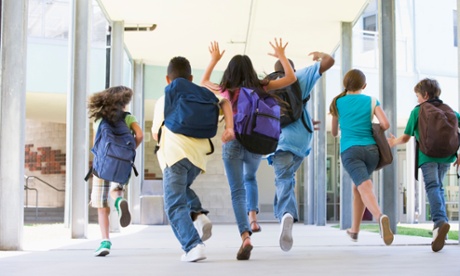
A long summer stretches out invitingly before students (and teachers), but when they return to school after the break, everything will have changed. The new academic term means new year groups and, for some, the start of a new school.
With this transition comes the inevitable challenge of making friends. Children of all ages worry about various things, from finding a partner to work with in science class to having someone to eat lunch with on the first day.
So, to prepare your students for their next steps, and in time for the UN International Day of Friendship on Thursday 30 July, this week’s how to teach... includes a selection of ideas and resources to help your students strengthen current friendships and make new ones.
Primary students
There is an old adage that to love someone else you must first love yourself, and the same is true of friendships. Children need to value themselves before they can properly value others, so kick things off by building self-esteem. Get your students to discuss their talents – dancing, running, helping at home or drawing. Then share their ideas during a circle-time activity or record their thoughts on this worksheet.
Next, get children to reflect on others’ qualities by thinking about what they look for in a friend using this worksheet and game, both by Twinkl. Playing as a group or in pairs, students must explain whether each of a variety of attributes is something a “good friend” or “bad friend” would have. Some of the cards have been left blank for pupils’ own ideas. When you’ve gathered opinions on this, get creative by making colourful friendship posters, or write a recipe for what makes a good friend. Ingredients might include a tablespoon of honesty, a pinch of patience and a sprinkle of kindness.
Discover what worries students have around making friends by answering the questions primary students often ask. For example, why is friendship important? What if a friend is mean to me? A nice introduction to questions like these is provided by this PowerPoint presentation about two friends called Frizz and Shine. Do students agree that it’s impossible to share a friend? Role play might be an interesting way to explore how to resolve Frizz and Shine’s dilemma.
Go beyond the classroom and get students thinking about the theme of friendship around the world by focusing on relations between countries. This presentation by CAFOD, the Catholic Aid Agency for England and Wales, includes examples of countries falling out; use this to encourage students to think about what they can do to help create a more peaceful world. As a follow-up activity, ask students to identify times when they could be a good friend to others. How would they behave towards a new child in their class, for example? This worksheet about what friends do and don’t do could also be completed as a homework activity.
Secondary students
One of the most challenging times in terms of making friends is moving to secondary school, and a little cinema magic is a great way to ease the transition. Into Film has created a Back to School assembly, which contains a whole section on making new friends at secondary school. It uses clips from films such as Harry Potter and the Philosopher’s Stone, Skateboards and Spandex, and Akeelah and the Bee to tackle themes such as first days, making new friends, believing in yourself and working together.
Next up, examine the concept of friendship and encourage students to reflect upon their own relationships with this assembly outline by Teaching Resources Support. As well as considering the qualities of a good friend, it looks at some negative influences and questions whether all our friends are good for us. Is it possible for a friend to lead us down a path we might later regret? Students could use their responses to write a fable about friendship in the style of Aesop’s The Lion and the Mouse or The Hare with Many Friends.
It’s not enough just to look at school friends, however; other relationships we have in life make for a good discussion. This resource by the charity UK Youth gets your class to think about relationships with their parents, strategies for tackling bullying, and the difference between a sexual relationship and a friendship. In one activity, students are asked to draw a circle (or pie) showing how big a slice of their life is devoted to their friends versus other commitments such as family, school work, hobbies etc. Are they happy with the balance or is there anything they would change?
This year the UN International Day of Friendship is focusing on involving young people in community activities that include different cultures and promote international understanding. With this in mind, check out this lesson plan on diversity for all ages, and a video from CAFOD about young leaders in the Middle East who are reaching out across divisions in their societies.
For more ideas, check out these How to teach articles about relationships and consent, anti-bullying, and transition.
Have you got a teaching resource or lesson plan you want to share with the Guardian Teacher Network community, upload it here.