It’s time for students to get out their binoculars as this week sees the launch of one of the UK’s biggest wildlife surveys.
The Big Schools’ Birdwatch, an event organised by the Royal Society for the Protection of Birds (RSPB), asks students to spend just one hour counting the birds in their school grounds at any time between Monday 5 January and Sunday 13 February 2015 and record and log their findings. The aim is to create a snapshot of the bird population of the UK and gain an insight into the health of the wider environment.
This week on the Guardian Teacher Network we have put together a gaggle of great ideas and resources to not only introduce the topic of birds and birdwatching, but also get your whole class twitching.
Start by discussing the event with this assembly and teachers’ notes from the RSPB. It includes tips on identifying different birds along with clips of what they sound like. These research activities by PrimaryLeap about the blackbird, greenfinch, robin and blue tit will help give key stage 2 students an idea of what to look out for.
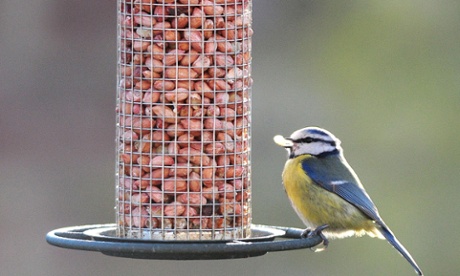
You may also need to feed the birds to encourage them to visit your school grounds – but be sure to check for any nut allergies in your class before working with bird seed. This instruction sheet explains how to make bird feeders from pine cones. While this activity encourages primary school students to create “edible art” using bird seed, you could also try making bird feeders from recycled plastic bottles or mixing a speedy bird cake in a yoghurt pot. Hang them away from the main play areas, ideally somewhere you can see from your classroom.
It would be useful to familiarise students with a variety of different birds before embarking on the official class count. What species do pupils know? What do they look like? Are there any differences between male and females? This garden bird observation sheet from Teaching Ideas is likely to come in handy. Print out two copies then cut out the cards to make a quick game of snap, or allocate groups a species or type of bird to research and then report back to the class on. Students could also use the names of different species to make their own bird-themed word searches or anagram puzzles.
Primary pupils can learn about different parts of a bird’s body using this RSPB worksheet. We also have a robin mask and puppet templates to help pupils learn about the colours of different birds. There’s one each for the robin, the blue tit and the goldfinch. Each template features an interesting fact about the type of bird. As a homework activity, challenge students to find some facts of their own.
For secondary students, this lesson plan from the Hamilton Trust about the life cycle of birds could be really handy. Students learn about the main difference between the lives of mammals and birds, recap on the structure of eggs and explore patterns of migration. We also have a lesson plan from Millgate House Education that considers why birds are able to sit on electricity power lines.
Closer to the time of your Big Schools’ Birdwatch, you might want to turn a corner of your classroom into a “hide” using large sheets of paper stuck to the inside of the windows with eye slits to peep through. Decorate and make it into a comfortable and colourful bird watching area using these robin-themed page borders by Twinkl and this beautiful birds poster and colouring sheet from Seeme Resources.
On the day of your watch, start early as you’re more likely to see birds feed and they are easier to spot in the morning. Give each student a counting chart so they can tally how many different species they spot. The RSPB has created counting and identification sheets for early years, key stage 1, key stage 2 and key stage 3.
The online results submission form has been designed as a fun data-handling activity using an interactive whiteboard. As well as reporting what they saw, students can build graphs and charts using the information they’ve collected. A series of questions will give your class the chance to explore and interpret their data. Print the charts off and use them as part of a display. Every school that submits its results before Friday 20 February will receive a certificate and personalised mini-beasts poster as a thank you for taking part. They will also be sent news of the results once all of the national data has been counted.