
Children with congenital heart defects
Congenital Heart Defects are the most common congenital problem, affecting every 100 live-born babies. In our country, it is not uncommon to see grown-ups diagnosed for the first time with congenital heart defects, and late presentation is primarily due to lack of awareness and health facilities. It is the responsibility of all of us—medical personnel, parents, and society—to work together to increase awareness about the disease so that diagnosis can be made on time and treatment can be offered.
Signs that your child may be suffering from a heart defect?
Difficulty in feeding: Feeding difficulty is a common presenting feature in an infant. Parents may complain that the baby gets tired during feeds, takes small, interrupted feeds, and may exhibit excessive sweating. It is not uncommon to switch to bottle feed as the mother becomes very apprehensive.
Poor weight gain:
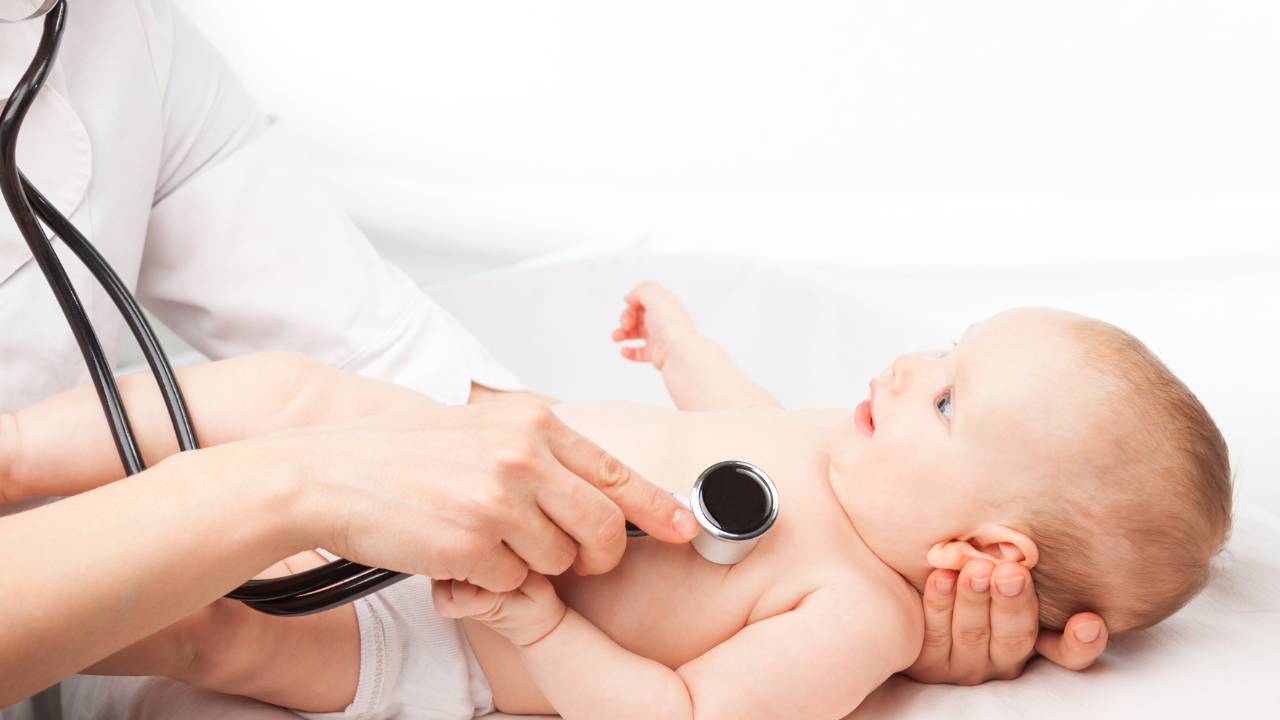
According to Dr. Munesh Tomar, Director Pediatric cardiology and congenital heart diseases, Max Super Speciality Hospital Saket Delhi, “With underlying severe heart disease, there is an increase in caloric demand, but the child is unable to take adequate calories, leading to poor weight gain. Recurrent chest infections also contribute to failure to thrive.”
Blueness (cyanosis): The earlier the blueness appears, the more serious the heart defect. Some blue babies present in the emergency room with excessive crying and deepening of cyanosis, known as "cyanotic spells." If there is a history suggestive of a "cyanotic spell," the child needs early intervention.
Tiredness: Early tiredness and inability to keep pace with peers while playing.
Fast heartbeat: Fast heart beat, high blood pressure, frequent chest infections and hospitalizations and sometimes fainting (syncope) could be the presenting symptoms.
What should parents do?

If you notice any of the above symptoms, consult a pediatrician. The treating pediatrician may refer the baby to a pediatric cardiologist if there is suspicion of a heart problem. Detailed cardiac evaluation is a must to diagnose the problem and determine the timing of intervention.
Is there any way to detect heart defects before birth?
Congenital heart defects can be found before birth by fetal echocardiography, helping families to plan postnatal care and treatment. The ideal time for fetal echocardiography is 18-20 weeks of gestation.