Using a box of chips and a recording of an angry male voice, researchers have discovered a way of stopping seagulls from stealing your food.
In a study at the University of Exeter, experts tested the reaction of 61 Cornwall gulls when they heard the sound of a man speaking in a calm voice compared to one shouting in anger. They found seagulls shy away from stealing your food when they sense signs of frustration.
The study set out to show that physical violence isn’t necessary to scare off pesky seagulls, which can instead be deterred by your tone.
Dr Neeltje Boogert, an author of the study, said: “We found that urban gulls were more vigilant and pecked less at the food container when we played them a male voice, whether it was speaking or shouting.
“But the difference was that the gulls were more likely to fly away at the shouting and more likely to walk away at the speaking.”
Using a box of chips to lure in the seagull, researchers played a male voice either speaking or shouting the words “No, stay away, that’s my food”, or the ‘neutral’ birdsong of a robin.
The recordings were then adjusted to be at the same volume, which suggests the gulls can detect differences in the acoustic properties of human voices, the study said.
The researchers tested 61 herring gulls across nine seaside towns in Cornwall, and found that those exposed to the shouting flew away within a minute.
Those exposed to the speaking male voice flew away 15 per cent of the time, while the rest walked away.
Around 70 per cent of the birds exposed to the robin song stayed near the food for the duration of the experiment.
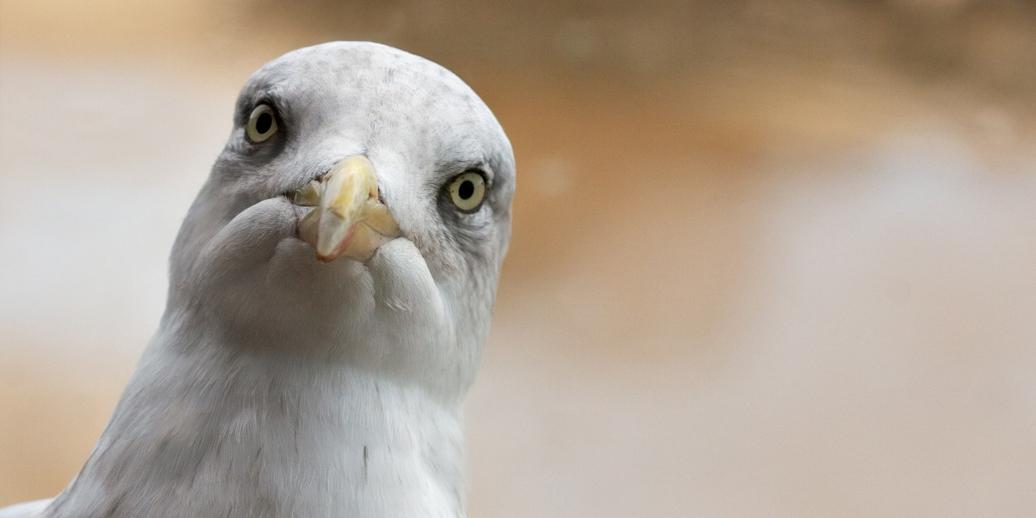
“It seems that gulls pay attention to the way we say things, which we don’t think has been seen before in any wild species, only in those domesticated species that have been bred around humans for generations, such as dogs, pigs and horses.”
A separate study from earlier this year also found that seagulls were more likely to try to steal your food when surrounded by other gulls, rather than on their own.
Dr Boogert said: “Most gulls aren’t bold enough to steal food from a person, I think they’ve become quite vilified.
“What we don’t want is people injuring them. They are a species of conservation concern, and this experiment shows there are peaceful ways to deter them that don’t involve physical contact.
“So when trying to scare off a gull that’s trying to steal your food, talking might stop them in their tracks but shouting is more effective at making them fly away.”
Name and shame ‘shrinkflation’ culprits, Reeves urged
New Trump directive could deny more visas based on applicants' health and finances
The common foods that increase your risk of pre-diabetes
Anne admires flower named after late royal in Singaporean botanic garden
Seven men charged in child sexual exploitation investigation
Thousands sign petition urging BBC to refuse paying Trump: Live