Virtual Reality (VR) technology has transformed the entertainment industry by offering immersive experiences that captivate users of all ages. As consumer demand for interactive attractions continues to grow, VR theme parks have emerged as a highly profitable business opportunity. Entrepreneurs who are interested in starting a VR business can benefit from this growing market by creating a destination that combines technology, entertainment, and innovation.
This guide explores the key steps involved in launching a successful VR theme park, from market research and business planning to selecting the best VR equipment for commercial use and attracting customers.
Understanding the VR Theme Park Market
Before investing in a VR theme park, it is essential to understand the market. VR entertainment centers appeal to a wide audience, including families, gamers, tourists, students, and corporate groups. Unlike traditional arcades, VR theme parks offer fully immersive experiences that transport users into virtual worlds.
The global VR industry continues to expand due to advancements in hardware, software, and internet connectivity. Entrepreneurs who enter the market early can establish a strong brand presence and gain a competitive advantage. Conducting market research will help identify customer preferences, competitor offerings, and potential revenue opportunities in your target location.
Creating a Comprehensive Business Plan
A detailed business plan is the foundation of any successful venture. When starting a VR business, your business plan should clearly define your goals, target audience, services, and financial projections.
Key elements of your business plan include:
- Executive summary
- Market analysis
- Business model
- Marketing strategy
- Equipment requirements
- Staffing needs
- Revenue forecasts
- Risk management plan
A well-structured business plan not only guides operations but also helps secure funding from investors and financial institutions.
Choosing the Right Location
Location plays a crucial role in the success of a VR theme park. High-traffic areas such as shopping malls, entertainment districts, tourist attractions, and commercial centers are ideal choices.
When evaluating locations, consider factors such as:
- Accessibility
- Parking availability
- Foot traffic
- Local competition
- Rental costs
- Safety regulations
The space should be large enough to accommodate multiple VR stations, waiting areas, customer lounges, and administrative offices. A comfortable and modern environment enhances the overall customer experience and encourages repeat visits.
Selecting the Best VR Equipment for Commercial Use
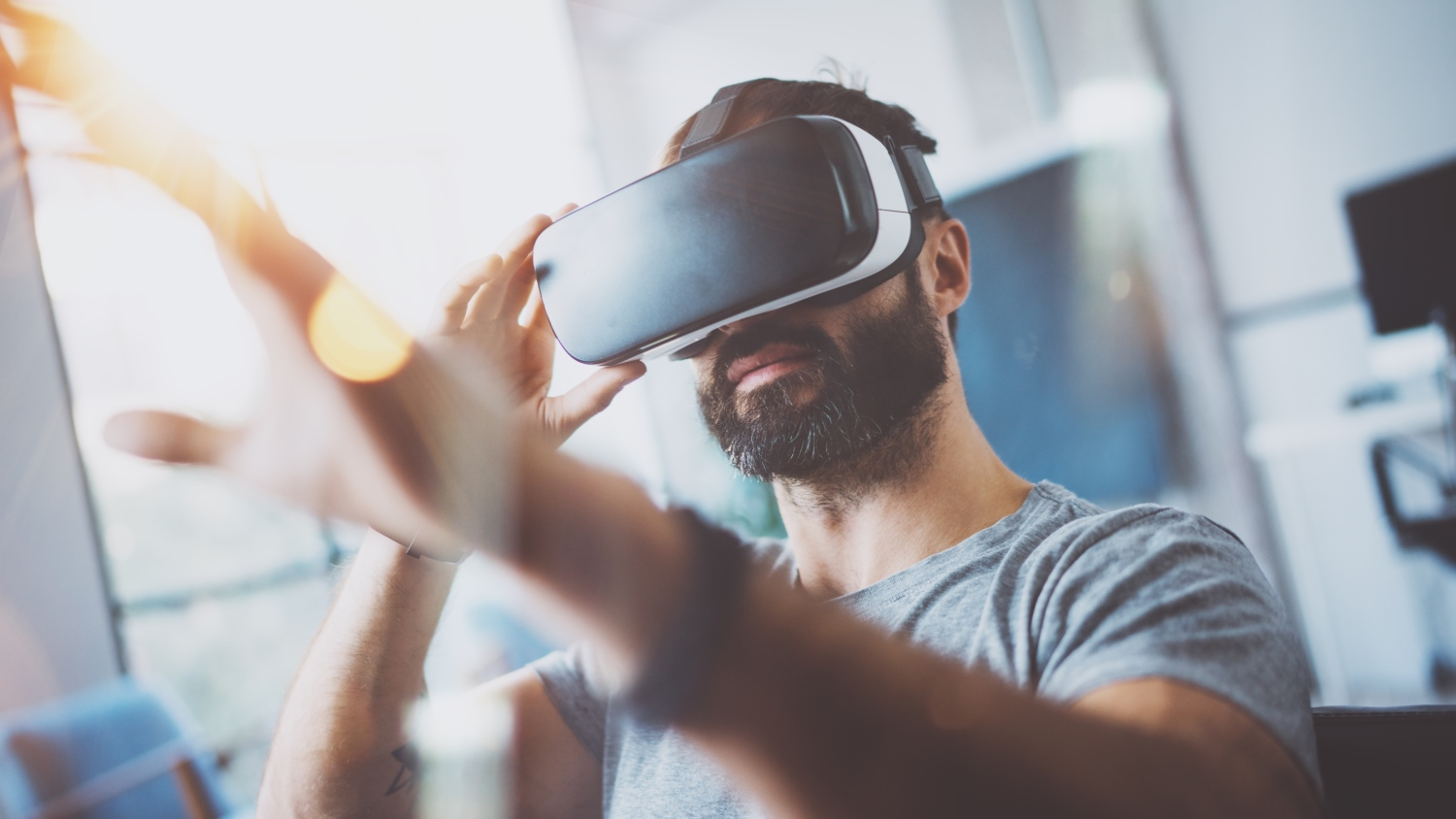
One of the most important decisions when launching a VR theme park is investing in the best VR equipment for commercial use. Commercial-grade equipment is designed to handle frequent usage while providing exceptional performance and reliability.
Important components include:
VR Headsets
Choose high-quality VR headsets with excellent resolution, tracking accuracy, and user comfort. Premium headsets provide a more immersive experience and reduce motion sickness.
Motion Platforms
Motion simulators add realism to racing, flying, and adventure experiences. These platforms significantly enhance customer engagement.
Gaming PCs
Powerful gaming computers are essential for running advanced VR applications smoothly. Invest in systems with high-performance processors, graphics cards, and sufficient memory.
Tracking Systems
Accurate tracking systems allow users to move naturally within virtual environments. Reliable tracking improves gameplay quality and customer satisfaction.
VR Accessories
Additional accessories such as haptic gloves, motion controllers, VR treadmills, and sensory effects can create unique experiences that distinguish your theme park from competitors.
Investing in the best VR equipment for commercial use ensures durability, lower maintenance costs, and superior customer experiences over the long term.
Designing Engaging VR Experiences
The success of a VR theme park largely depends on the quality and variety of experiences offered. Customers are constantly seeking new and exciting attractions that provide value for their time and money.
Popular VR attractions include:
- Multiplayer shooting games
- Escape rooms
- Racing simulators
- Roller coaster experiences
- Zombie survival adventures
- Educational simulations
- Virtual travel experiences
Offering experiences for different age groups helps maximize your customer base. Regularly updating content keeps visitors interested and encourages repeat business.
Partnerships with VR content developers can provide access to exclusive games and experiences that competitors may not offer.
Understanding Legal and Safety Requirements
Safety is a critical consideration when operating a VR theme park. Entrepreneurs should comply with local regulations regarding business licensing, insurance, health standards, and customer safety.
Important measures include:
- Liability insurance coverage
- Equipment safety inspections
- Emergency procedures
- Staff training programs
- Hygiene protocols for VR headsets
Clear safety instructions should be provided before each session. Proper supervision helps prevent accidents and ensures a positive customer experience.
Consulting legal professionals can help ensure compliance with all applicable regulations before opening your business.
Managing Operations and Scaling Your Business
Once your VR theme park is operational, efficient management becomes essential. Focus on delivering exceptional customer service, maintaining equipment, and monitoring financial performance.
Key operational priorities include:
- Staff training
- Equipment maintenance
- Customer feedback collection
- Inventory management
- Financial reporting
Technology trends evolve rapidly, so staying updated on industry developments is important. As demand grows, consider expanding your services through additional locations, mobile VR events, franchise opportunities, or new attractions.
Entrepreneurs who continuously innovate are more likely to remain competitive in the rapidly evolving VR entertainment industry.
Conclusion
The VR entertainment sector offers exciting opportunities for ambitious entrepreneurs. With careful planning, strategic investments, and a customer-focused approach, launching a VR theme park can become a highly profitable venture.
Success begins with thorough market research, selecting an ideal location, investing in the best VR equipment for commercial use, and creating immersive experiences that keep customers coming back. For individuals interested in starting a VR business, the growing popularity of virtual reality presents a unique opportunity to build a thriving entertainment destination that stands out in today's competitive market.
By combining cutting-edge technology, effective marketing, and exceptional customer service, entrepreneurs can create a successful VR theme park business with strong growth potential for years to come.