
The years leading up to Medicare eligibility can feel like walking a tightrope—especially for retirees who left work early or those between jobs. Private insurance, COBRA, or marketplace plans can carry hefty premiums, and unexpected medical expenses can eat into retirement savings fast. But with smart planning and a few insider strategies, you can shrink those costs without sacrificing coverage or care.
1. Maximize HSA Contributions While You Still Can
If you’re enrolled in a high-deductible health plan (HDHP), your Health Savings Account (HSA) is your best friend before Medicare. Contributions are tax-deductible, grow tax-free, and can be withdrawn tax-free for medical expenses. It’s the only triple-tax-advantaged account available. You can even use HSA funds later in retirement to cover Medicare premiums or long-term care. The more you build now, the less you’ll pay out-of-pocket later.
2. Shop the Marketplace Every Year—Don’t Auto-Renew
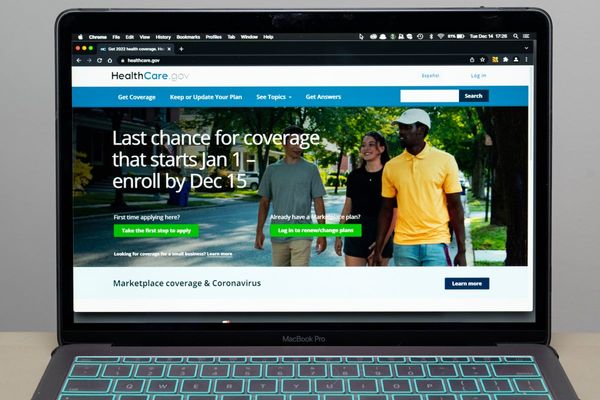
Many pre-Medicare adults stick with the same health plan year after year, but rates and benefits change annually. Comparing options on HealthCare.gov or your state marketplace can reveal new savings or better coverage. Even a lower deductible or more generous network can reduce total costs over time. Some states offer expanded subsidies for middle-income earners. Spending an hour shopping could save hundreds per month.
3. Time Major Procedures Strategically
If you’re close to Medicare eligibility, timing matters. Scheduling elective surgeries or expensive treatments after your coverage begins can prevent large bills that private insurance may not fully cover. If you can’t wait, ask about in-network facilities or payment plans to reduce financial strain. Hospitals often have “self-pay” discounts for early or full payments. A little planning can turn major medical events into manageable expenses.
4. Understand COBRA vs. Marketplace Trade-Offs
After leaving a job, COBRA allows you to keep your employer plan—but it’s pricey because you pay the full premium plus administrative fees. Marketplace coverage may be cheaper, especially with income-based subsidies. However, COBRA can make sense if you’re only a few months away from Medicare and want to avoid switching doctors. Compare total costs over the gap period, including deductibles, to make the right call.
5. Ask Providers About Cash Pricing and Discounts
It may sound counterintuitive, but paying cash for certain medical services can be cheaper than using insurance. Many doctors, imaging centers, and pharmacies offer reduced “self-pay” rates or membership-based pricing for routine visits and prescriptions. Tools like GoodRx can uncover medication discounts of up to 80%. Never assume your insurance-negotiated rate is the lowest—comparison shopping applies to healthcare, too.
6. Use Preventive Care to Avoid Bigger Bills
Skipping checkups might save a co-pay today, but can cost thousands later. Preventive services—like screenings, vaccines, and annual exams—catch problems before they turn expensive. Most marketplace plans must cover preventive care at no cost to you. Staying proactive keeps you healthier and reduces future medical emergencies. Think of it as investing in your body before retirement begins.
7. Keep Track of Medical Expenses for Tax Deductions
If your healthcare costs exceed 7.5% of your adjusted gross income, you can deduct them on your taxes. This includes insurance premiums, prescriptions, and even mileage to medical appointments. Keeping detailed records can result in a valuable deduction that offsets other retirement income. Pair this with an HSA withdrawal strategy, and you’ve built a strong shield against high medical bills. Organization equals opportunity when it comes to healthcare taxes.
Smart Planning Now Prevents Financial Shock Later
Bridging the gap between private insurance and Medicare can be one of the trickiest parts of retirement. But careful timing, tax-efficient tools, and consistent price comparisons can dramatically lower your healthcare burden. By taking charge now, you protect both your health and your hard-earned savings—so your retirement years start strong, not strained.
What’s your biggest strategy for cutting medical costs before Medicare? Share your tips and experiences in the comments—your insight might help someone else save thousands.
You May Also Like…
- What the “One Big Beautiful Bill” Means for Your Medicare Premiums
- What Happens to Your Medicare When You Move States?
- Are You Losing Out Because of Medicare Open Enrollment Mistakes?
- How to Make Medicare Advantage Work Better Than Original Medicare
- Medicare Might Deny Eyeglasses Even After Cataract Surgery in Many States