

This week, we're exploring how to produce piano in your DAW, whether that's creating ethereal ambient piano tones or choosing the right plugin for your track. Today, we're showing you how to process acoustic piano so it can shine in the context of any rock or pop mix.
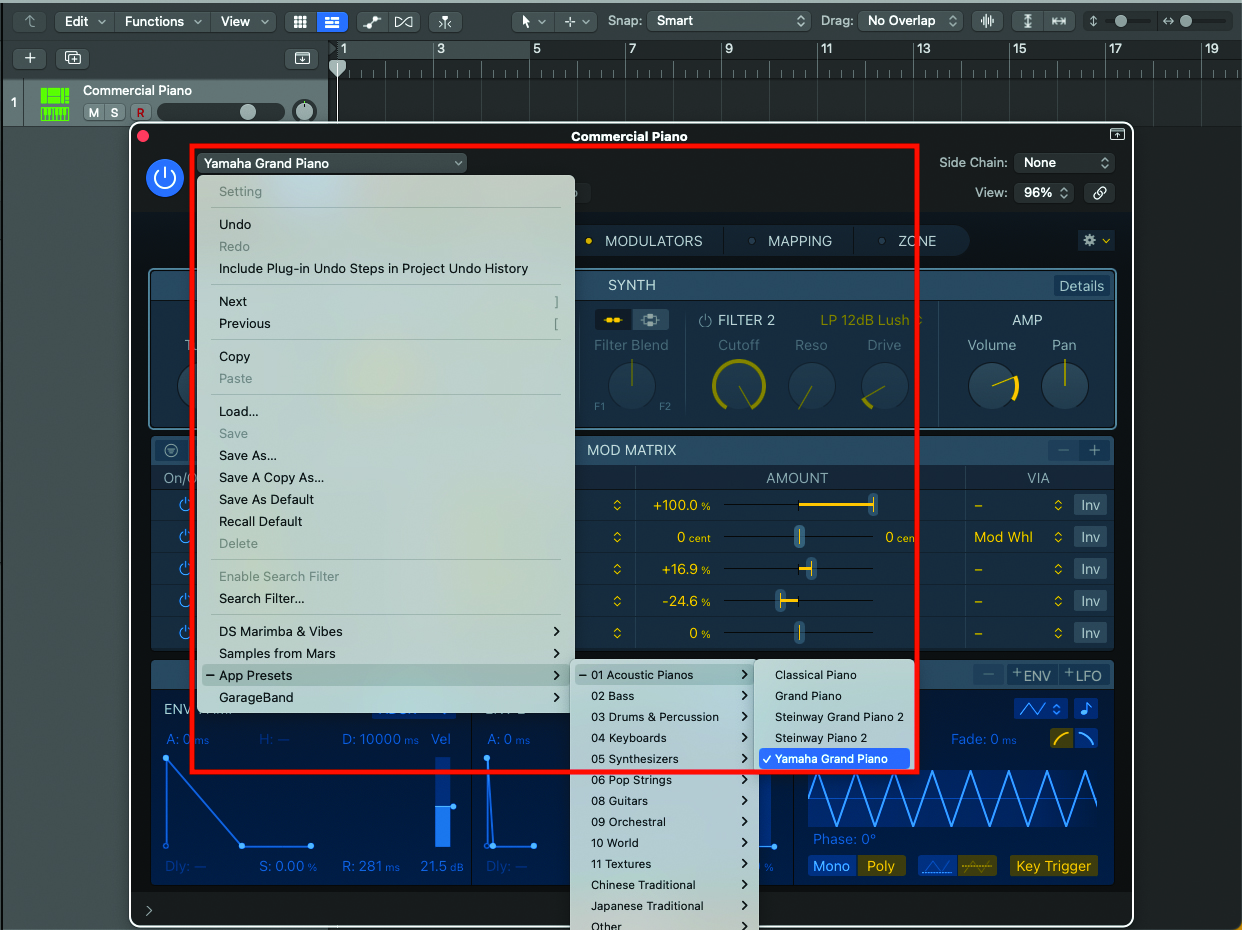
If you want to use an acoustic piano sound, within the context of a rock or pop setting, a logical choice of instrument would be a Yamaha. You’ll probably find something similar to a Yamaha piano included with your DAW’s samples. We’re using the ‘stock’ Yamaha sample, included as part of Logic Pro.
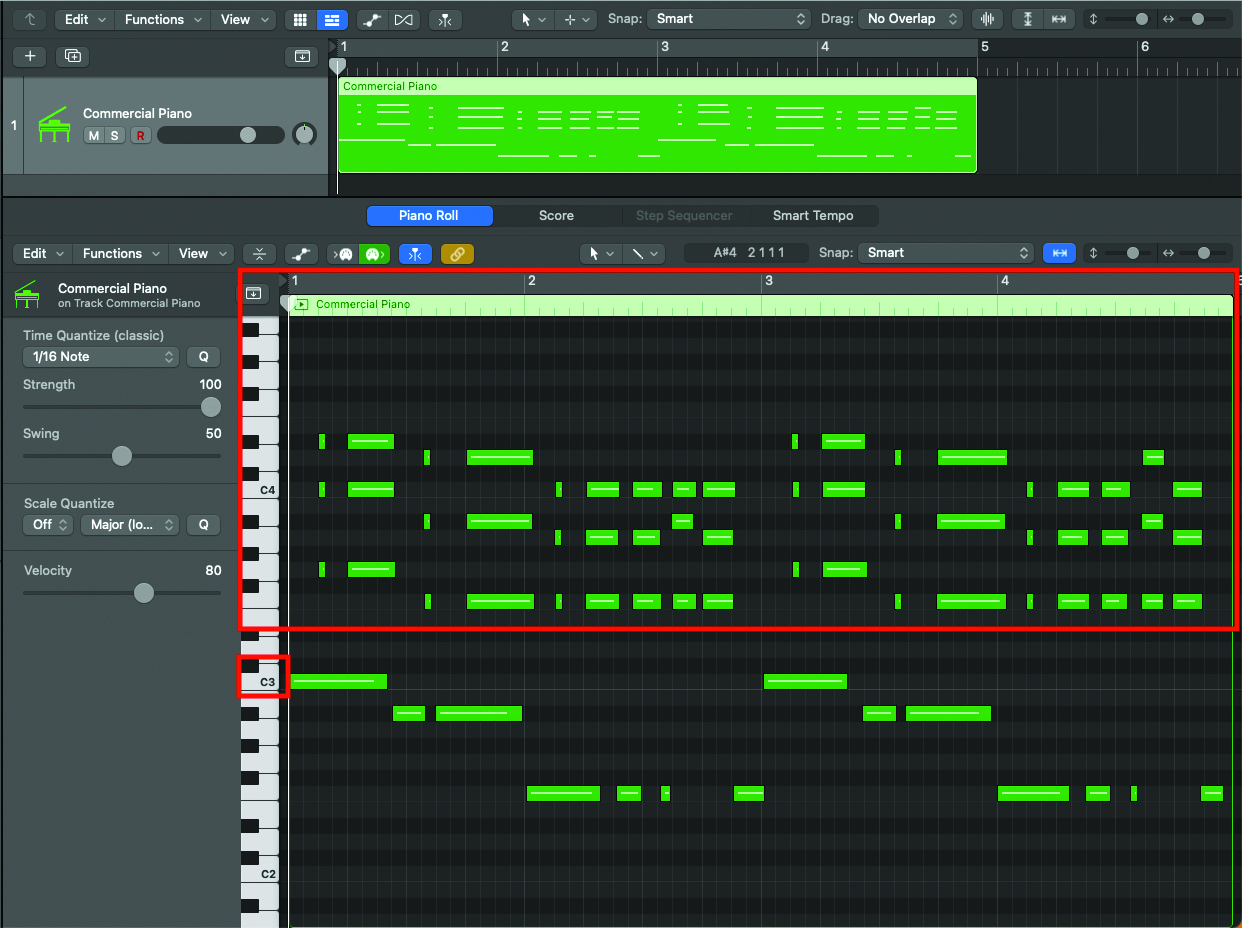
Once selected, play around with your piano line, but start to consider the register in which you play. As you can see from our example, we’ve tried to keep the chords above the note C3, also known as middle C. There are single notes below, but not so low in register that they will interfere with a bass instrument.
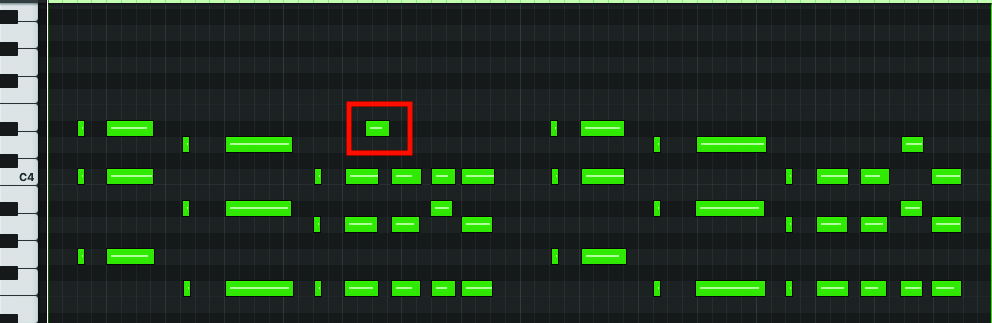
If you’re working in a rockier style, you may choose to leave your piano playing intact, without quantising. However, you may find that you’ve made the odd mistake in recording; now would be the perfect time to edit your track, and get rid of any gremlins that may have infiltrated your playing.
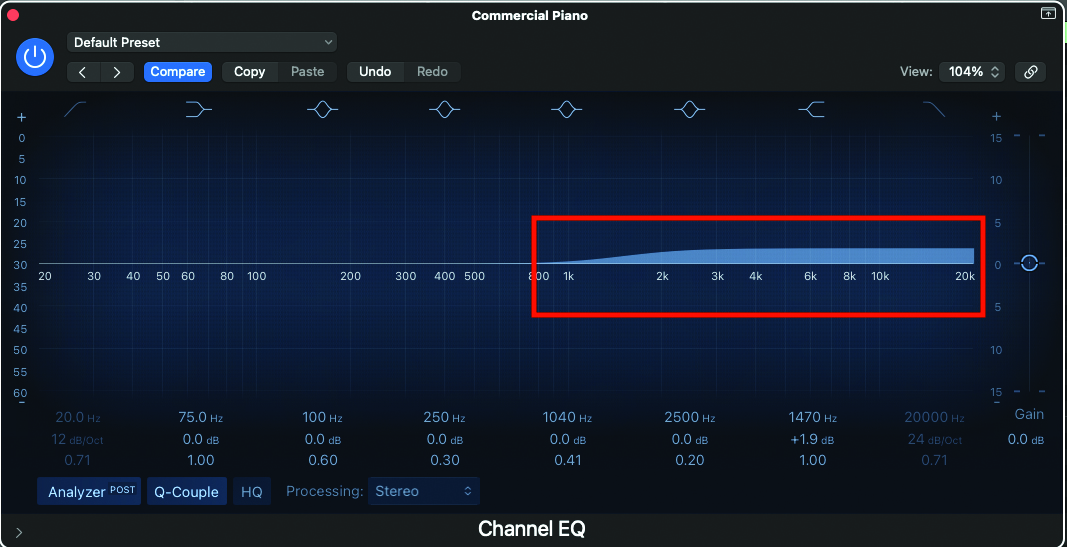
Now we can start to work with the tonal colour of the instrument. While the sound of a Yamaha piano is already quite bright, it will help the instrument cut in the mix if we boost the top-end further. It is important to add upper EQ while listening to your track; you don’t want to overcook things, otherwise it could end up sounding very brittle.
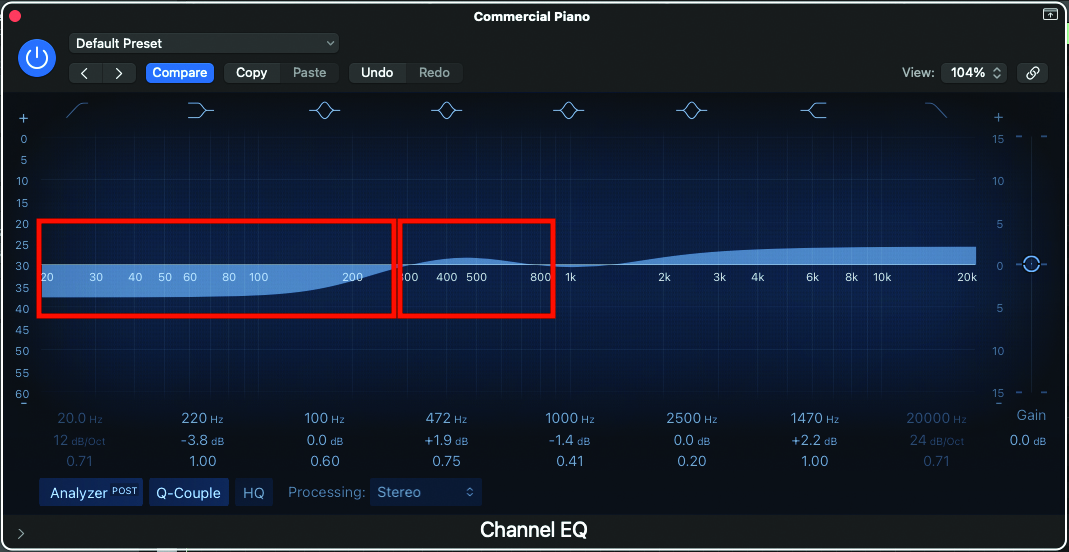
As an equal and opposite, reduce the lower end frequency content, below around 300Hz. This will ensure that the piano does not get in the way of your bass. However, you may also want to introduce a small bump in the mid register, which will give the piano some body and depth, within the context of the mix.
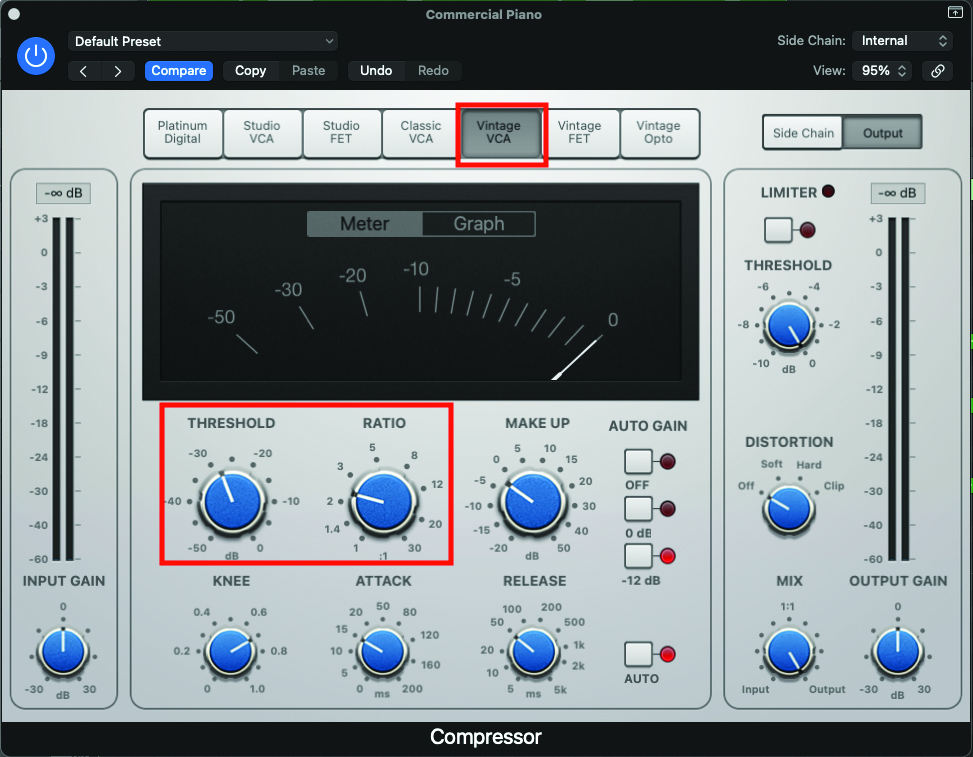
Applying compression is always a good idea. It’s definitely worth experimenting with different types, but something with a more vintage character might be perfect for the job. We’re using our DAW’s onboard compressor, in a vintage setting. Adjust your threshold and ratio controls, but not so far that the piano sounds overly effected.
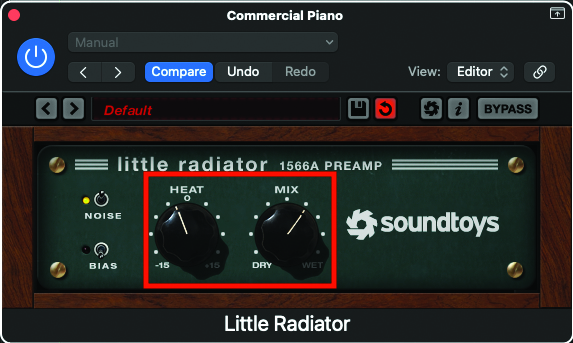
Because of the brightness of this particular piano sound, adding some saturation or distortion to offer some warmth is a good idea. There are many distortion plugins for this purpose, but we like the idea of a basic preamp, to introduce noise and warmth. In our example, we’re using the cost-effective Little Radiator from Soundtoys. Blend it with your piano to suit your mix.
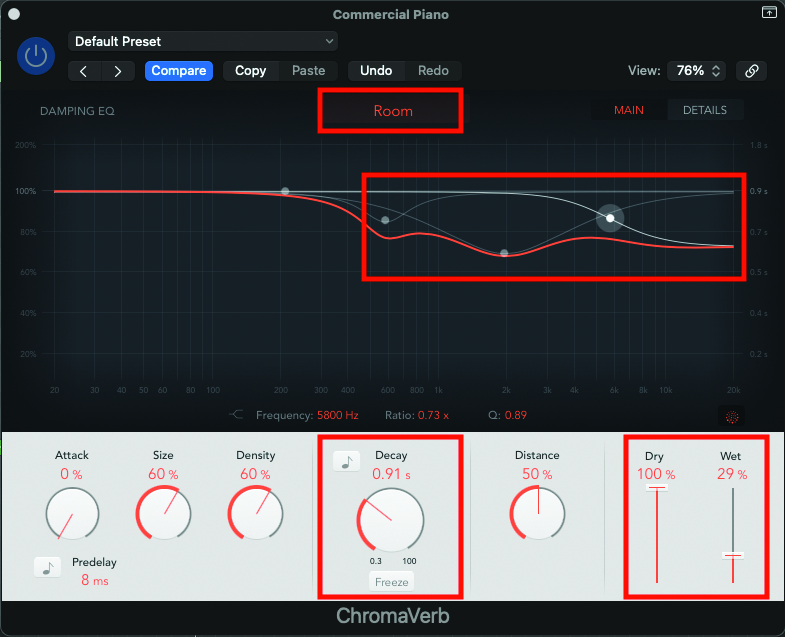
To further enhance our track, we’ve opted to use a room reverb from our DAW’s onboard reverb plugin. Applying a reverb time of under one second, while adjusting the wetness, should create more depth on the piano channel. If you have the option, you can alter the reverb’s EQ, so that the reverb is not too bright within your track.
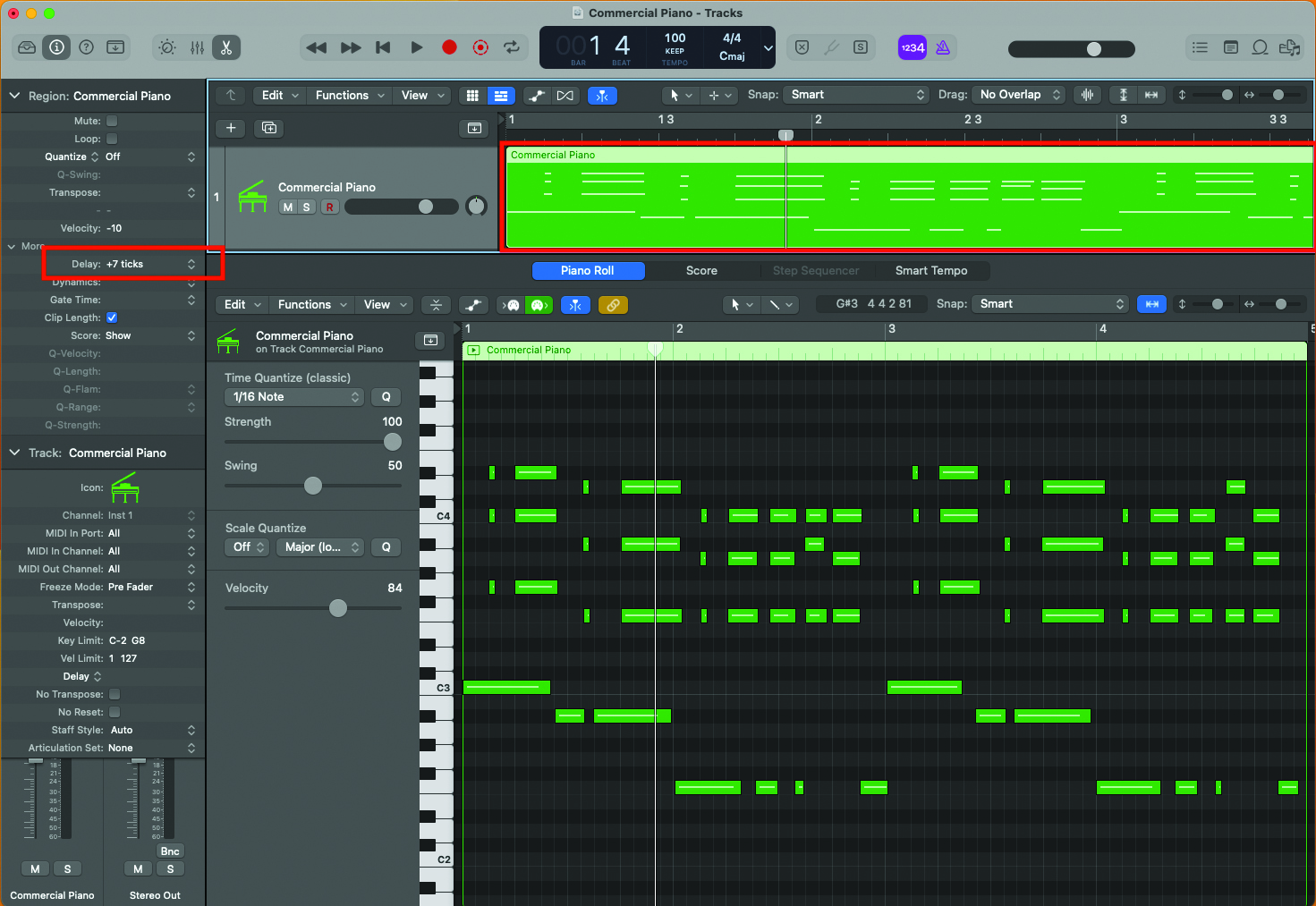
Finally, think about where your piano playing sits, against the rest of the band in your track. The chances are, you might find that some subtle adjustments to your overall timing could really help the track as an ensemble piece. Try delaying your piano track, by a few ticks on-screen. The difference can be very noticeable.