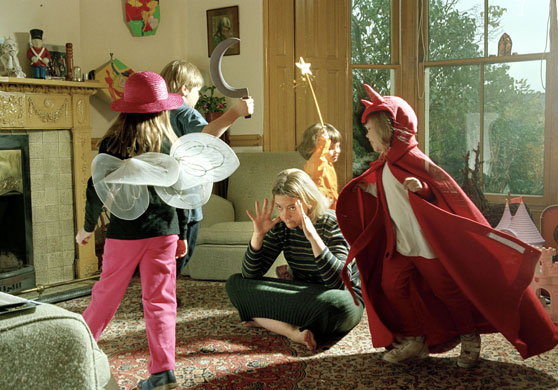
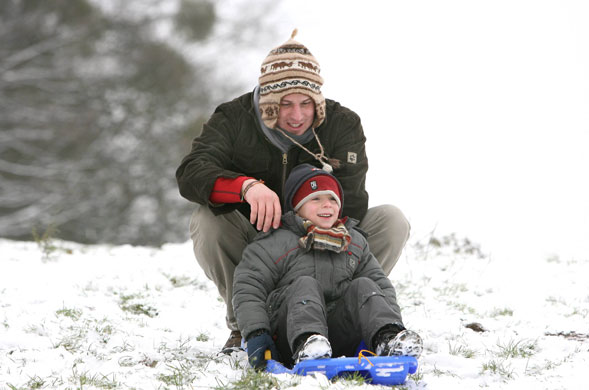
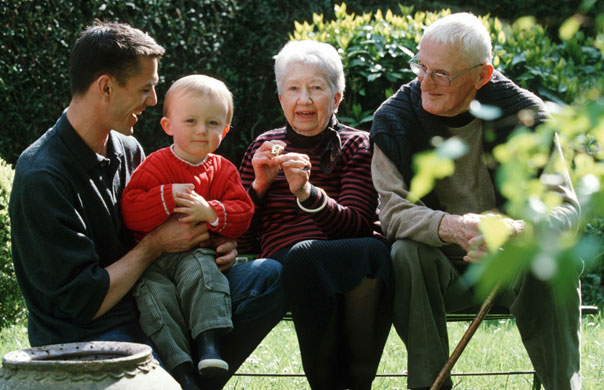
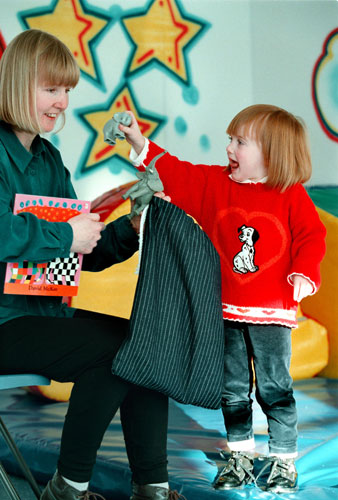
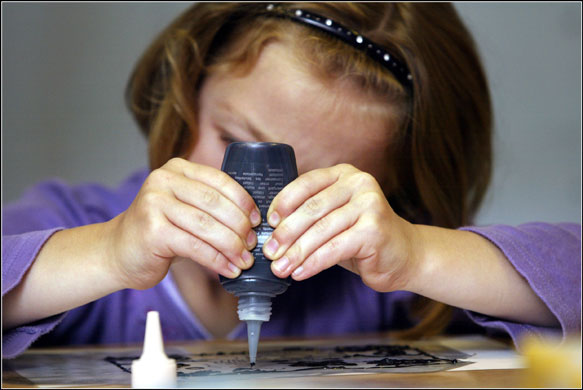
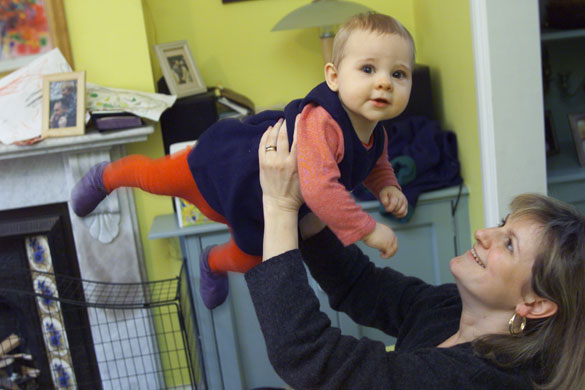
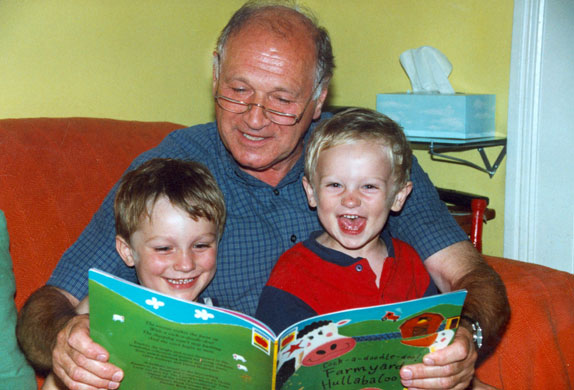
1. Join in. Adult involvement in play supports children. As little as 10 minutes of your time can boost a child's learning and discovery more than you realise.Photograph: Murdo Macleod2. Be spontaneous. If you see a window of opportunity, take it. If it's wet out, jump in puddles. If it's been snowing, dust off the sled.Photograph: Closon/Jacquemart/Rex Features3. Communication is vital for a child's development. Asking them questions, or providing a running commentary on what you are doing, will help them develop language skills.Photograph: Rex Features
4. Children learn by doing. Hands-on activities that stimulate all five senses are great for learning Photograph: Rex Features5. Let the child lead. If they feel in control of the activity, it will occupy them for much longer.Photograph: Murdo Macleod6. It's the process that counts, not what you end up with. Even the most abstract creation is the product of the child's exploration and imagination. You wouldn't ask Picasso to 'finish it off' or 'add a bit here', so leave young artists to decide when they have finished Photograph: Christopher Thomond/Guardian7. Play doesn't need to be expensive. In fact, it's better when it's not.Photograph: Martin Argles/Guardian8. Let them show you how it's done. Give them a chance to have a go first, before you step in to help. Photograph: David Levene9. Your genuine interest means more than sweeties. Don't bribe them with treats to be good, offer your time instead. Photograph: Danny John/Guardian10. Enjoy the experience. Playing together reduces stress. If you are relaxed the child will be too Photograph: Rex Features
Sign up to read this article
Read news from 100’s of titles, curated specifically for you.