If you’re an astrophotographer looking for an exciting and unique project, go get a calendar and put a ring around Wednesday, August 12, 2026. On that day — after lunch in North America and just before sunset in Western Europe — the sun will be eclipsed by the moon. Depending on exactly where you are, it will range from something relatively minor to a landmark celestial event for the ages. But regardless of where you are in the Northern Hemisphere, after dark, the annual Perseid meteor shower will reach its peak beneath moonless skies — and in peak Milky Way season.
Do you travel for the eclipse? Or head to dark skies for the meteor shower? On August 12, you can do both. Sure, the eclipse and the Perseids have different observing requirements, but they both reward the exact same approach. Here’s how to make a plan for an entire day and night of shooting the sky.
Read: 10 must-shoot events for astrophotographers in 2026
Planning for the solar eclipse
The eclipse itself will look very different depending on where you are in the world, though to see anything at all, you must be in Western Europe, the northwestern tip of Africa or in North America.
Total solar eclipse: Greenland, Iceland and Spain
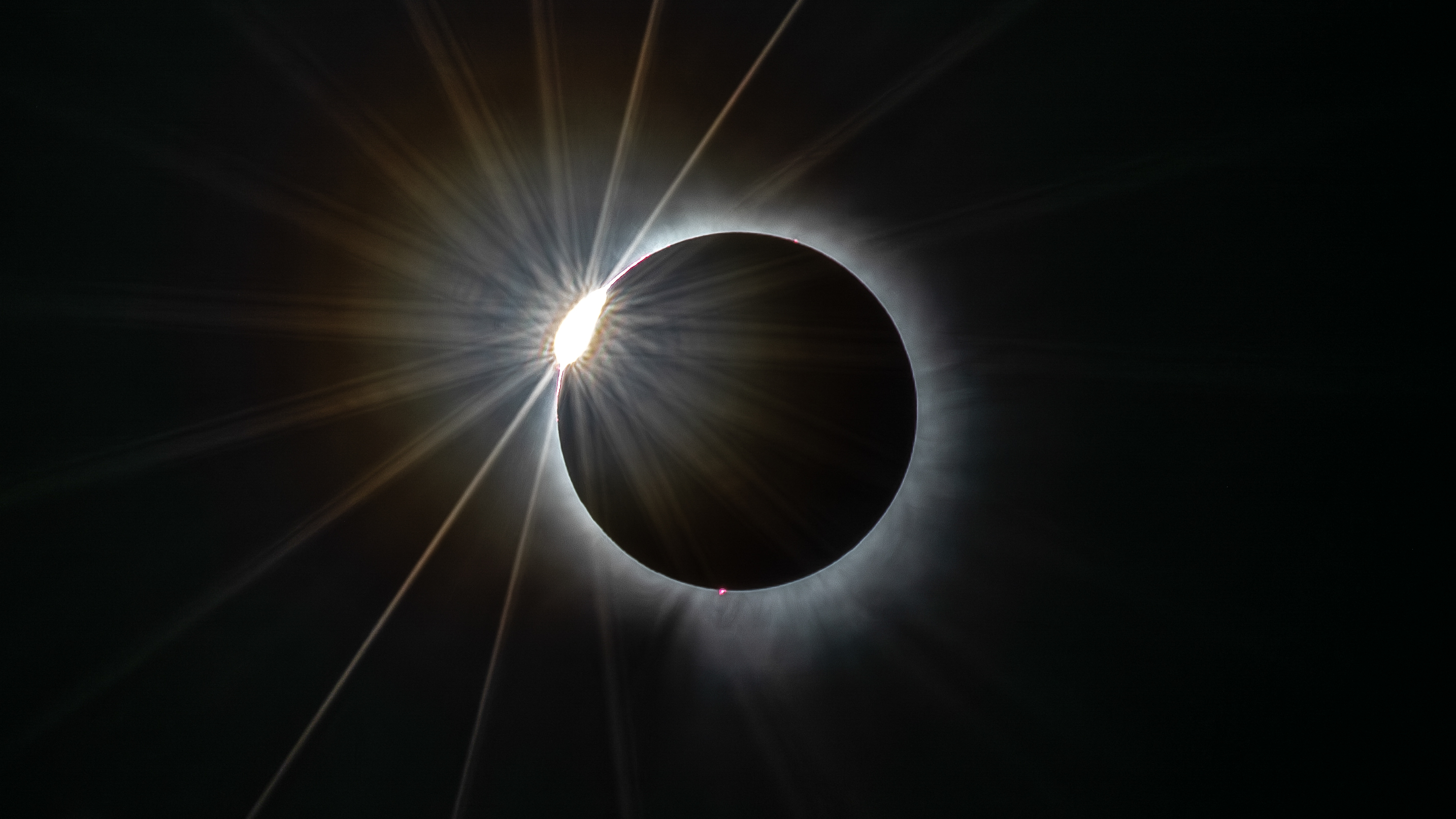
Travelers within a narrow path of the moon’s shadow in eastern Greenland, western Iceland and northern Spain will experience totality, when the moon completely covers the sun and day briefly turns to night. Along the centerline of that path, totality will last up to 2 minutes 18 seconds (off the coast of Iceland), down to 1 minute 35 seconds in Mallorca, Spain. The further east you travel on the path, the lower the eclipse will take place in the sky, with Mallorca seeing totality minutes before sunset.
Read: 8 tips on photographing a total solar eclipse
Deep partial solar eclipse: UK, Europe and northeast Africa
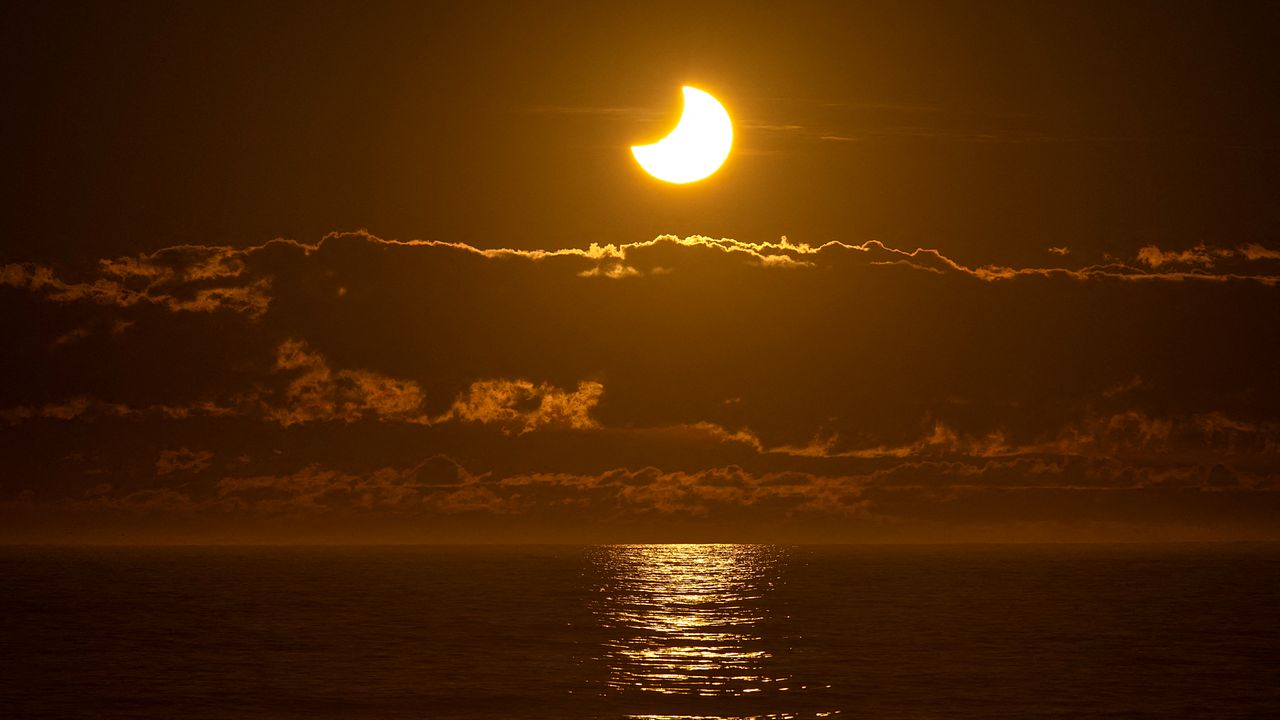
Across the UK, a deep partial eclipse will occur about 90 minutes before sunset. Over 95% of the sun will be obscured from many locations, making it the most significant solar eclipse visible from Britain since 2015. Maximum eclipse occurs about 13 degrees above the horizon, so a relatively clear horizon slightly north of due west will be essential.
Across much of western and central Europe and northwest Africa, observers will also see a deep partial solar eclipse, but closer to sunset. In some locations (including Algiers in Algeria, Corsica, Venice, Vienna, Prague and Warsaw), the sun will sink below the horizon while still heavily eclipsed, creating opportunities for dramatic photography that are not possible in the UK.
Small partial solar eclipse: North America
In northeastern North America, the partial solar eclipse will be smaller, with parts of eastern Canada seeing around 50% of the sun blocked by the moon and the northeastern U.S. seeing more modest partial phases during the afternoon. The eclipse will occur high in the sky in early afternoon.
Useful resources for understanding the eclipse and simulating exactly what you’ll see from any location include TimeAndDate.com, TPE’s Eclipse Simulator and Xavier Jubier’s Interactive Google Map.
Read: How to photograph a partial solar eclipse
Planning for the Perseids
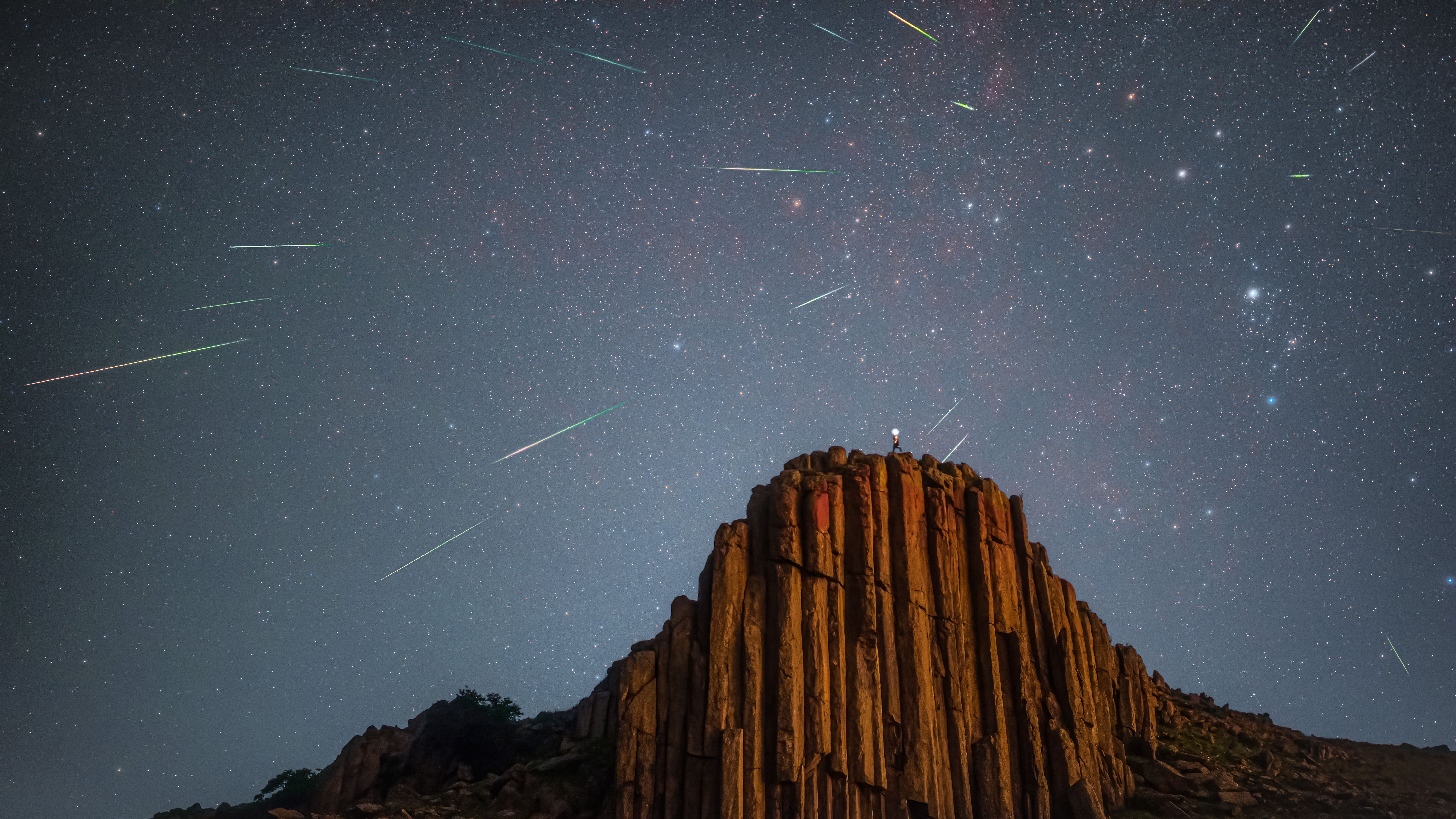
In Europe, sightlines to the eclipse will need to be taken into account, but the instinct is to choose an eclipse location first and think about the Perseids later. A better strategy is to do the reverse.
An eclipse merely requires a clear view of the sun, with light pollution irrelevant. However, to see the meteor shower at its best, you'll need dark skies far from towns and cities. That means the ideal location for August 12 is a dark-sky reserve, national park, rural coastline or remote campsite that provides a perfectly good eclipse view while also giving you excellent meteor-watching conditions later that night.
If you’re already making the effort to travel, it makes sense to choose somewhere you can stay after sunset rather than relocating immediately. Besides, if you’re in the path of totality, relocating amid post-eclipse traffic may be near-impossible.
Useful resources for finding dark skies include a light pollution map, the Dark Sky Places finder and, for the U.K, a map of Dark Sky Discovery locations.
Read: How to photograph the Perseid meteor shower
Choosing a location
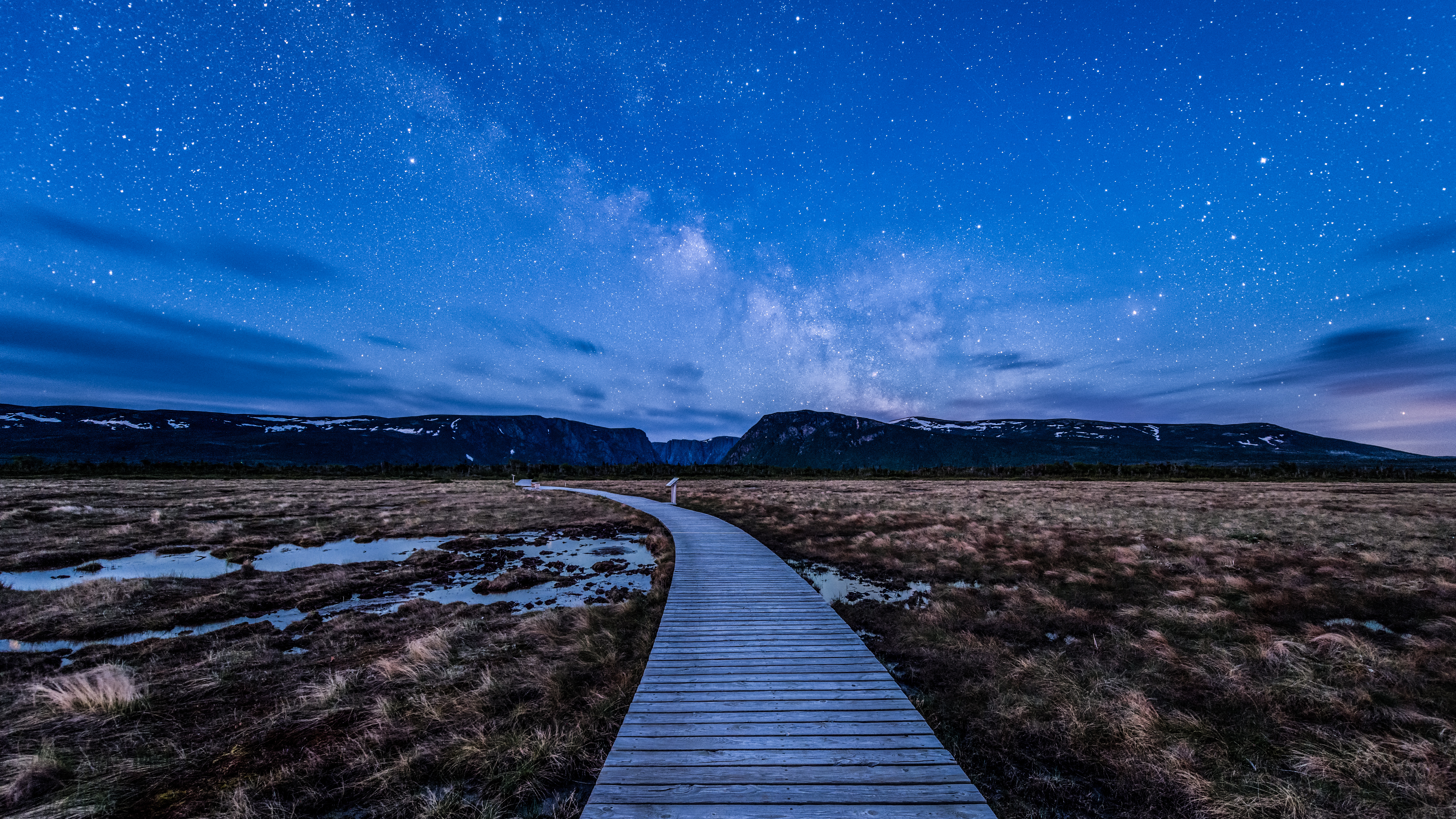
For observers in the UK, the relatively low altitude of the eclipsed sun makes horizon access the priority. Coastal viewpoints, hilltops and open landscapes with a clear view to the west-northwest are where to be. Since you'll need to stay out late for the Perseids anyway, dark-sky locations such as national parks, moorland areas and remote coastlines deserve particular attention. Across Europe, the eclipse becomes a sunset event. The closer you are to the sunset line, the more important an unobstructed western horizon becomes.
In North America, the eclipse is less dramatic, which arguably makes the Perseids the main attraction. Locations in Atlantic Canada, Maine and other northeastern regions where the eclipse is most significant offer the best combination of eclipse magnitude and dark skies, making them ideal destinations for an overnight astrophotography road trip/camping trip.
Although it’s wise to choose somewhere that works for both the eclipse and the Perseids, weather could, of course, force a change of plans. Fortunately, neither the partial eclipse nor the Perseids requires a fixed observing site. Unlike totality, where being in exactly the right place matters enormously, a deep partial eclipse or a meteor shower can often be rescued with a well-timed drive to clearer skies.
Know the celestial schedule
Whether August 12 is a relaxed or tense affair will depend on where you are. In North America, the eclipse is in the afternoon and not a particularly dramatic event, meaning there’s time to take a break afterward and prepare for the Perseids. For everyone in Europe — whether in the path of totality or not — the eclipse will be tense and dramatic (particularly if there are clouds in the sky) because the prize is bigger, and there’s not much of a gap between the end of the eclipse and darkness.
However, the Perseids are best after midnight, when the radiant in the constellation Perseus climbs higher into the northeastern night sky. With the moon absent from the sky (by definition, a solar eclipse is only possible at new moon), even relatively dark rural locations should provide excellent viewing conditions. Under very dark skies, dozens of meteors per hour may be visible.
Read: How to photograph the Milky Way
Dark places for the eclipse and Perseids
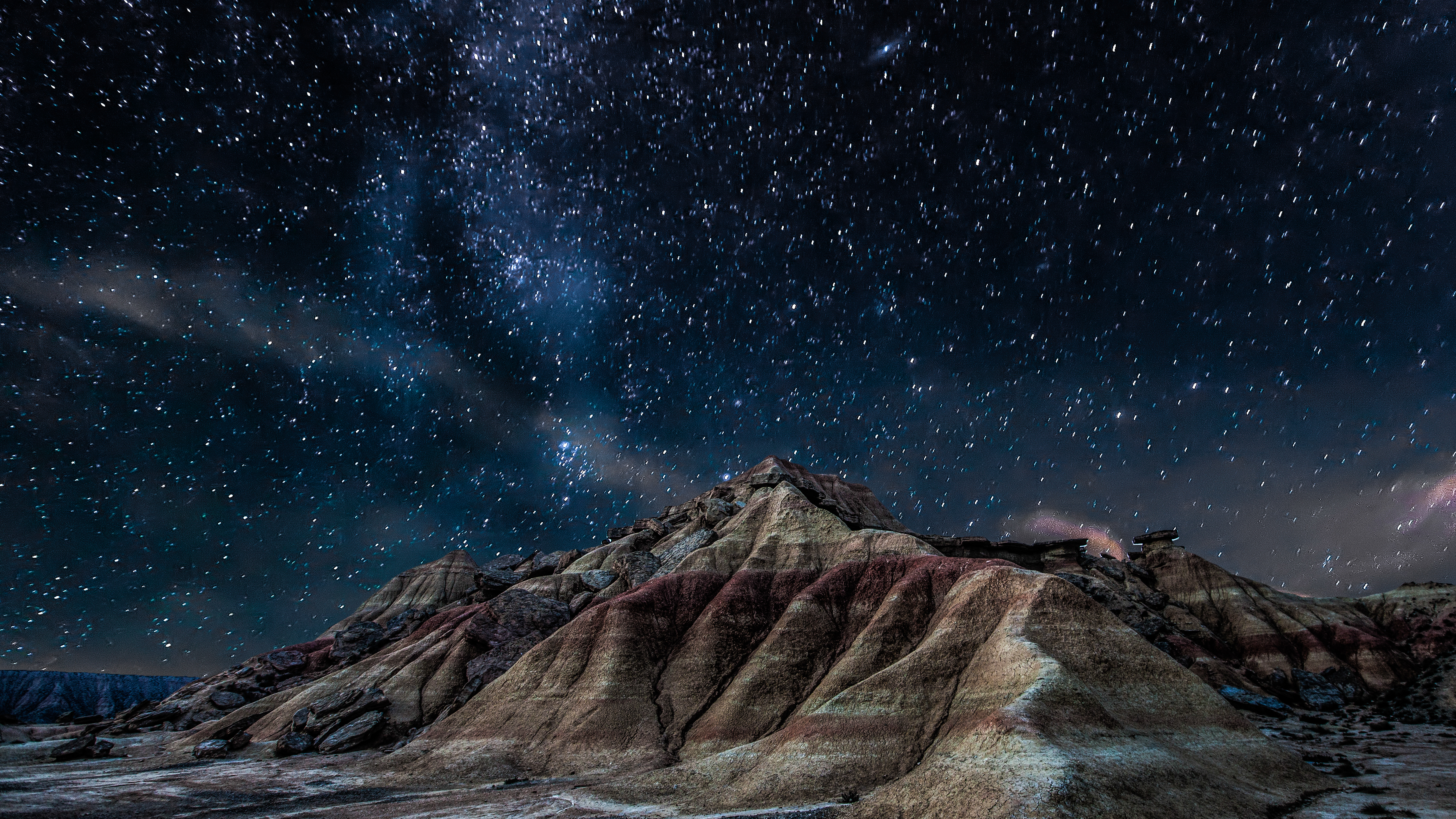
Possible dark sky locations ideal for shooting both the eclipse and the peak of the Perseids across western Europe and North America are endless, but here’s a selection to give you an idea. The list does not include Greenland or Iceland, where darkness is in short supply in August, but does include some locations within the path of totality:
- Centro Astronómico Trevinca , Galicia, Spain (total solar eclipse for 40 seconds at 8:29 p.m. CEST)
- Bardenas Reales Natural Park , Navarre, Spain (total solar eclipse for 1 minute, 4 seconds at 8:28 p.m. CEST)
- Laguna de Gallocanta , Aragon, Spain (total solar eclipse for 1 minute and 42 seconds at 8:30 p.m. CEST)
- Cévennes National Park , France (96% partial solar eclipse at 8:24 p.m. CEST)
- Kerry International Dark Sky Reserve , Ireland (98% partial solar eclipse at 7:13 p.m. BST)
- Exmoor National Park & Dark Sky Reserve , England (94% partial solar eclipse at 7:14 p.m. BST)
- Eryri (Snowdonia) National Park & Dark Sky Reserve , Wales (93% partial solar eclipse at 7:11 p.m. BST)
- Brecon Beacons (Bannau Brycheiniog) Dark Sky Reserve , Wales (93% partial solar eclipse at 7:13 p.m. BST)
- Gros Morne National Park Dark Sky Preserve , Newfoundland, Canada (49% partial solar eclipse at 3:26 p.m. NDT)
- Mont-Mégantic Dark Sky Reserve , Quebec, Canada (22% partial solar eclipse at 1:49 p.m. EDT)
- Acadia National Park , Maine, U.S. (24% partial solar eclipse at 1:54 p.m. EDT)
- Cherry Springs Dark Sky Park , Pennsylvania, U.S. (7% partial solar eclipse at 1:46 p.m. EDT)
• Astrophotography tools: the best camera, lenses and gear