
Image source: shutterstock.com
When the first real snowfall hits, many kids instantly start begging for a new sled, tube, or snow toy of their own. As a parent, it’s easy to feel torn between wanting them to have something fun and not wanting to waste money on gear that falls apart after two runs. The winter aisle is packed with bright colors, cartoon characters, and price tags that don’t always match the quality you’re getting. With a little strategy, you can pick out a snow toy that’s safe, sturdy, and exciting without blowing the family budget. Here’s how to sort through the options so your kids get more joy per dollar every time they head to the hill.
1. Start With Inflatable Snow-Toy Safety
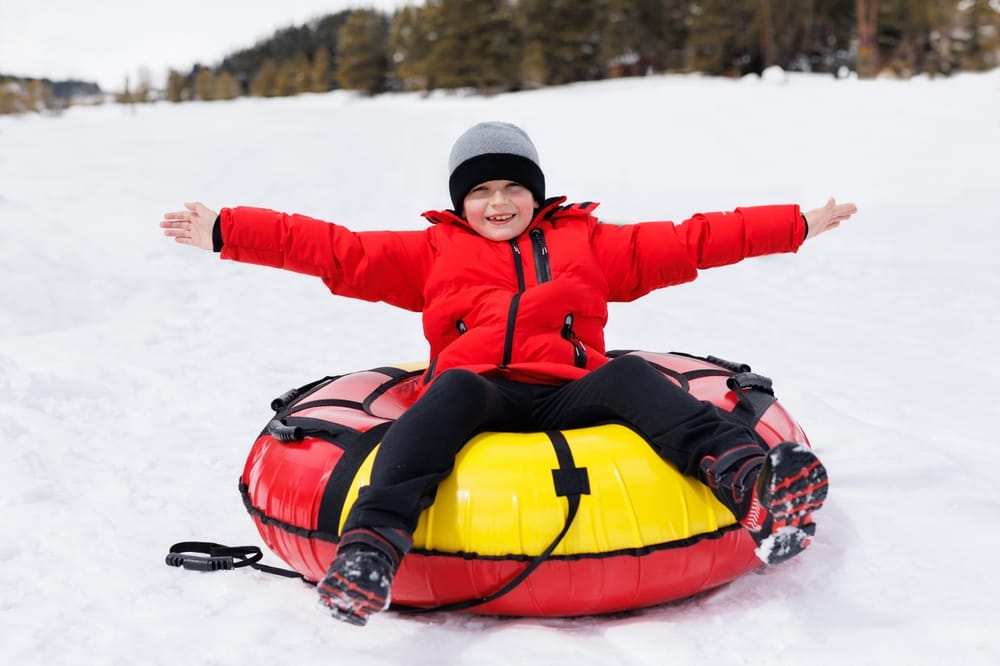
Before you even browse cute designs, think about how the right inflatable snow-toy will behave on the hill. You want something that tracks straight, doesn’t flip easily, and lets your child keep their feet forward instead of dragging behind. Check the recommended age range, weight limit, and maximum riders, because overloading a sled is one of the fastest ways to turn fun into an injury. Look for clear safety warnings, bright colors that stand out against snow, and a pull rope so you’re not struggling to drag it back up the slope. If your child is new to sledding or nervous about speed, choose a basic inflatable snow-toy without ramps, wings, or complicated shapes so they can build confidence gradually.
2. Match the Toy to Your Child’s Age and Size
A sled that’s perfect for your ten-year-old can be completely wrong for your preschooler. Younger kids generally do better with wider, lower designs they can sit in rather than on top of, because that lower center of gravity helps them feel stable. If your toddler is small, a wide, low inflatable snow-toy is easier to control and less likely to tip than a long, narrow model built for speed. Older kids may want more speed or a design that lets them lie on their stomachs, but they still need room to keep elbows and knees inside the edges. When you’re shopping online, always check the listed measurements and compare them to your child’s height so you’re not surprised when the box arrives.
3. Compare Materials, Handles, and Construction
Not all winter inflatables are built to survive more than a few runs down the hill. Look for thick, puncture-resistant PVC, reinforced seams, and double-stitched handles rather than thin plastic that feels like a pool float. An inflatable snow-toy with sturdy, well-placed handles makes it easier for kids to hang on, especially when they hit a bump or rutted patch of snow. Check reviews for complaints about slow leaks, seams splitting, or valves popping open, because those problems usually show up quickly in real-world use. If you live somewhere with lots of ice or exposed rocks, it’s often worth paying a little more for a heavier-duty model that won’t tear after one weekend.
4. Balance Price, Durability, and Features
It’s tempting to grab the cheapest sled you see in a big bin, but that bargain can cost more if it deflates halfway through the season. A very cheap inflatable snow-toy may save you a few dollars now, but you might end up replacing it mid-winter when the material thins out or the seams rip. On the other hand, you don’t need to splurge on the flashiest branded design with lights and extra gadgets if your child will be happy simply sliding down the hill. Compare price per season by asking yourself how many winters you realistically expect the toy to last and dividing the cost by that number. Sometimes a mid-range option with solid construction and simple graphics is the sweet spot between durability and affordability.
5. Shop Smart and Avoid Overpaying
The easiest way to overpay is to wait until the first big snowstorm, when everyone else is rushing to buy sleds and stores have no reason to discount them. If you can, watch for early-season sales, clearance events at the end of winter, or off-season deals where retailers are trying to clear out bulky stock. Buying your inflatable snow-toy during those quieter times often means better prices, plus a larger selection so you’re not stuck with whatever is left on the shelf. Compare prices across a few websites, and don’t forget to factor in shipping costs, taxes, and any rewards points or cashback offers you can stack. Reading a mix of reviews before you click “buy” can also help you spot toys that fall apart quickly, saving you from paying twice when you have to replace a disappointing sled.
A Smart Approach to Winter Thrills
Choosing a sled might feel like a small purchase, but it’s still worth slowing down and thinking through safety, fit, and value. When you’re clear on what your kids need and how they’ll use it, you can skip the impulse buys and focus on toys that actually hold up. A little research helps you stretch your winter fun budget while avoiding the frustration of leaks, tears, and one-and-done gear. You also teach your kids an important lesson about comparing options and spending money wisely, even on things that seem purely fun. With the right sled and a bit of planning, you’ll spend more time laughing on the hill and less time worrying about whether you wasted your cash.
What’s your best tip for choosing a winter sled or tube without overpaying—and what’s the one mistake you’ll never make again? Share it in the comments!
What to Read Next…
6 Holiday Family Movie Night Ideas That Will Make Your Winter Extra Cozy
Stock-Up Items to Buy Right After Christmas That Will Last Through Winter
Simple Ways to Keep Your Kids Healthy This Winter
How Much Are You Really Paying for Developmental Toys?
Toy Investments: Here Are The Top 10 Most Expensive Lego Sets
The post How to Pick the Right Inflatable Snow-Toy for Your Kids Without Overpaying appeared first on Kids Ain't Cheap.