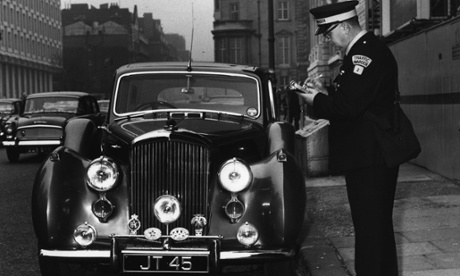
Getting a parking ticket for your own car can be a stress-inducing nightmare – getting a parking ticket when you were not the person behind the wheel is even worse, especially considering the ensuing admin and financial burden to your business. To make life a little easier, we’ve put together a few tips to help prevent tickets from being issued in the first place, and advice on what do if you end up with one:
Plan your journey
Planning your team’s journeys can be tricky if you receive daily requests that will see your fleet heading out on the road to different areas, but there is a wealth of technology available to help you work out parking spaces near their destinations. Parkopedia is an online database of parking destinations across the world.
It’s interactive, so users can share details of any cheap, available parking sites and their experience of using different areas. At the time of writing, the sitehad logged over 38,000,000 parking spaces across 52 countries, so it’s likely you’ll find something to help make your journeys smoother. Park Mark is the website for the Safer Parking Scheme, which works to reduce crime around car parks and keep vehicles and drivers safe, and has a search tool function for car parks across the UK.
Permits and season tickets
Planning ahead includes arranging for permits and booking in advance where possible.
Check with your local council to see what parking permit options are available to you toprevent getting caught out; and you can use this tool from the Department for Transport to get started on organising your permit.
If you thought that season tickets were just for public transport, think again. The NCP provide parking spaces and useful business solutions too – so you might be able to find a cost-effective solution to your business’s parking needs.
Training and research
Training may seem like a no-brainer, but basic mistakes can cost your company hundreds of pounds worth of fines. Make sure your team is up-to-date with the latest rules so they are aware of all the ways that they can avoid parking fines.
Being aware of the increasingly complex world of parking regulations can make all the difference – research from Churchill Car Insurance found that confusing parking signs and obscure restrictions are resulting in millions of drivers across the country being handed unexpected fines.
These figures are at their most dense in bigger cities – in London alone, 61% of drivers have been fined or towed because of unclear parking restrictions.
The issue is effecting drivers to the extent that 10% are avoiding parking in their residential areas, while a third avoid parking in their local town centres – so you can imagine how easy it can be for drivers to get caught out in unfamiliar locations.
If you know that your fleet will be visiting a particular area regularly, do your research so that your team is aware of restrictions – this way you can anticipate ticketing dangers in other areas too.
Training can involve refresher courses, including online modules that focus on specifics such as parking. You can also help your team stay focused through incentives, by offering rewards for reducing the number of fines your company accrues each month or quarter.
Be fast and stay organised
Even when you do put measures in place, getting a ticket is still something that you should be prepared to deal with. The first and most important thing is timing. If you respond within 14 days, you can reduce the penalty that you have to pay. To help with this, keeping an inventory of all fines received, as well as logging which driver was responsible will help with any correspondences you have with the issuer of the ticket.
Appeals and Leasing
Statistics from the ACFO (Organisation for Fleet Operators) found that 61% of companies with fleets do not contest the fines they receive, which means losing out the opportunity to avoid paying fines that can drain finances.
According to Money Saving Expert, over 2013/2014, 50% of tickets that went to appeal were successful – so it’s always worth trying if there is time. If you act quickly, and keep accurate records of all your correspondence (including taking steps such as recorded delivery and copies of any letters), you can help your case and possibly avoid paying a fine.
If you lease your company’s fleet, it’s also important that you outline with the leasing company what procedures are in place should your company incur any fines. Sometimes the company leasing your fleet to you will automatically pay the fine, so you may end up paying off fines and not being aware of it until the next round of bookkeeping.
Content on this page is paid for and provided by Kia Fleet sponsor of the Guardian Small Business Network Accessing Expertise hub.