

Muted palettes, minimalist textures, and calming silhouettes are some of the most sought-after elements of design in Japanese homes. However, an underlying and vastly underrated aspect of these living spaces is their scent story.
While the ritual of Kōdō plays a key role in perfuming Japanese-inspired spaces, it's the traditional fragrance notes that truly shine through. Think white musk, tea notes, bitter citrus, smoky woods, and watery fruits and florals.
Just as with Japanese design principles, the way you scent your space should also carry intention. So, here's a better look at why these scents work and where to use them.
1. White Musk
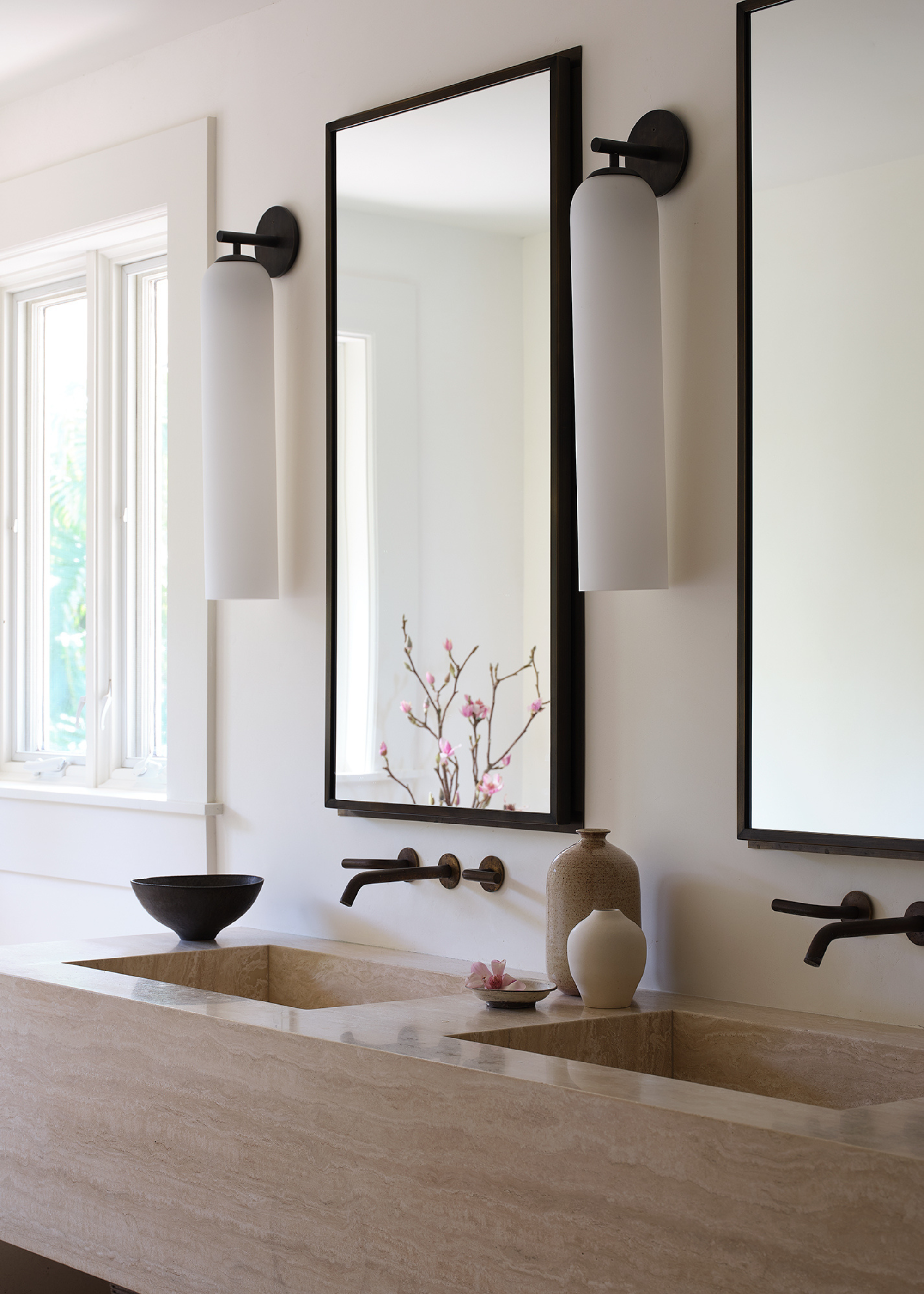
Gini Lin, scent expert and founder of Airy Fragrances, tells me white musk is extremely common in Japan. "That laundry fresh smell fits the Japanese preference for low sillage, meaning scents that stay close to the body and feel personal," she says.
"It gives you a feeling of security and softness, like sun-dried sheets. People love that clean, just-out-of-the-shower vibe. And I recommend using it to make your bedroom smell nice. Or even in your bathroom, as it reinforces the ritual of purification, making the space feel like a cozy sanctuary."
Notes: Aldehyde, Pink Pepper, White Rose, Neroli, Peony, Violet, Blonde Woods, Musks, Sandalwood
Coin Laundry by Byredo is a contemporary blend with a fresh musk that lingers long after.
2. Tea Notes
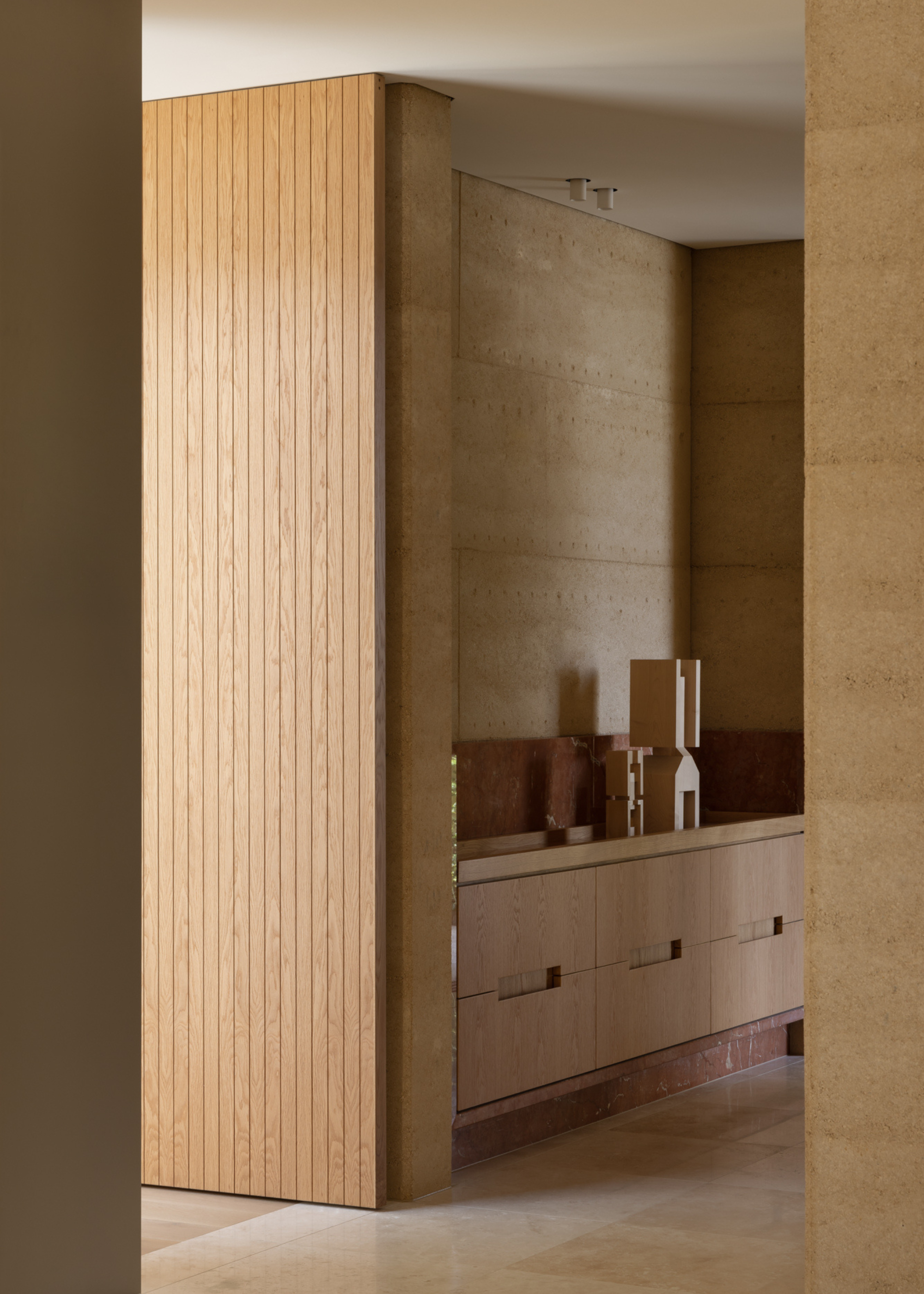
"In Japan, tea-based scents are highly popular for creating a serene, zen atmosphere. It's about the feeling of making time, paired with the pause and warmth of brewing a cup," says Gini.
"Rooted in the minimalist tradition of the Japanese tea ceremony, these notes offer a refined, subtle scentscape. They evoke cultural memories of tranquillity and hospitality, often blended with a citrus note to keep the fragrance airy."
Gini finds that it's best used to make an entryway smell welcoming. "It serves as a transitional scent, helping people shed the city's stress the moment they walk through the door."
Notes: Cardamom, Rosemary, Jin Xuan Tea, Bergamot, Magnolia, Tuberose
This diffuser weaves a welcoming fragrance into your home for moments of peace.
Bitter Citrus
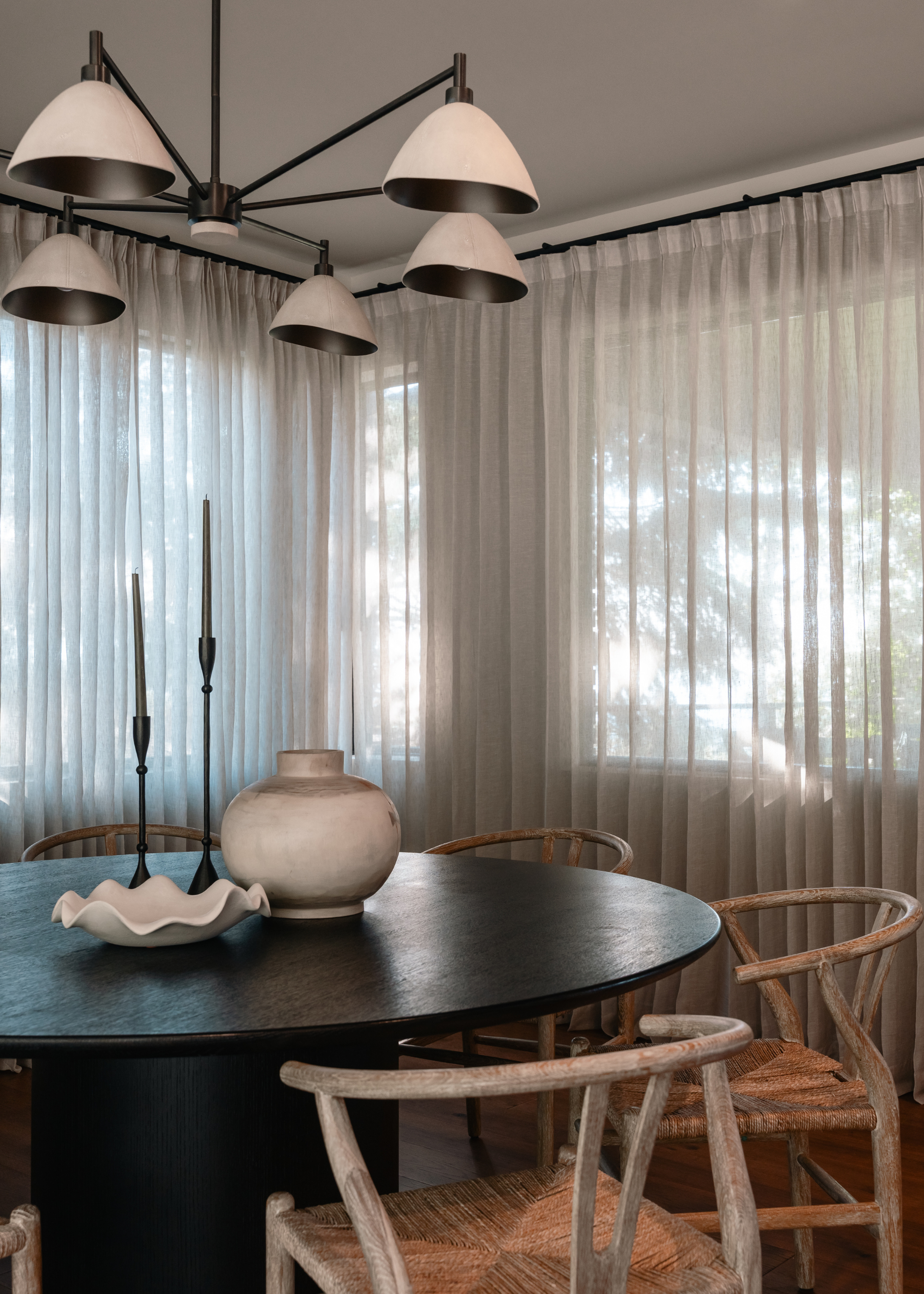
Bitter citrus is another fragrance note in Japanese homes that's unexpectedly refreshing. "Culturally, yuzu represents purity and the resetting of a space. Yuzu is traditionally used in winter baths to prevent colds and boost immunity," she explains.
"And its sharp, sophisticated scent is associated with the calming, everyday moments of a life well-lived. It's the perfect choice to make a kitchen smell good, as it complements culinary aromas rather than competing with them."
Notes: Yuzu
If you want your home to feel light, clean, and comforting, this Oyédo Classic Candle is a lovely choice.
4. Watery Fruits and Florals

"This is where I find Japan differs greatly from the West. While Westerners sometimes find fruity florals too sweet, Japanese people love them because they are viewed as dewy and watery," says Gini.
"These notes reflect a love for seasonal changes, like sakura for spring or osmanthus for autumn, and they embody the Japanese philosophy of cleaning valued so much in society."
In Japan, Gini finds that these are treated as a whisper of the season rather than a bold statement. She encourages scenting with watery fruits and florals in hallways and entry points. "You can also use it to make your living room smell good," she adds. "It creates an optimistic, vibrant energy that feels like a fresh-cut bouquet."
Notes: Cherry Blossom
I have my eye on this Sakura Diffuser from Jo Malone to make my home smell like spring.
5. Smoky Woods

According to Gini, woody notes are always classic and embody the traditional soul of Japan. "Hinoki cypress and sandalwood, in particular, have long been favoured for deep relaxation, as they are known to lower cortisol levels and heart rates by mimicking an onsen experience indoors," she says.
"Since traditional Japanese bathtubs are crafted from wood to connect the bather to nature, these scents signal a shift into a zen sanctuary mindset. Beyond their ability to reduce stress, these woody aromas draw from the practice of forest bathing."
Gini explains that smoky woods harmonize with the Japanese aesthetic of understated, clean, and calming environments. So, she recommends perfuming your home office or bedroom with these woody blends for a grounded atmosphere.
Notes: Hinoki, Cinnamon, Clove
Aesop's Murasaki Aromatique Incense is a nice finishing touch to resetting your home for spring.
FAQs
What's the Most Traditional Use of Fragrance in Japanese Homes?
The most traditional format of perfuming Japanese homes is traditional incense. Be it in the form of incense sticks or cones, this lightly smoking method is a fragrance ritual that cleanses and perfumes at the same time.
If you're keen to embrace the Japanese way of fragrance and the notes that come with it, then MUJI's candles should be on your radar. Not to mention my favorite scent of the moment is this Elegant Harmony 優 Home Reed Diffuser from Airy Fragrances.
And for more scenting inspiration, from ritual to blends, sign up for the Livingetc newsletter.