
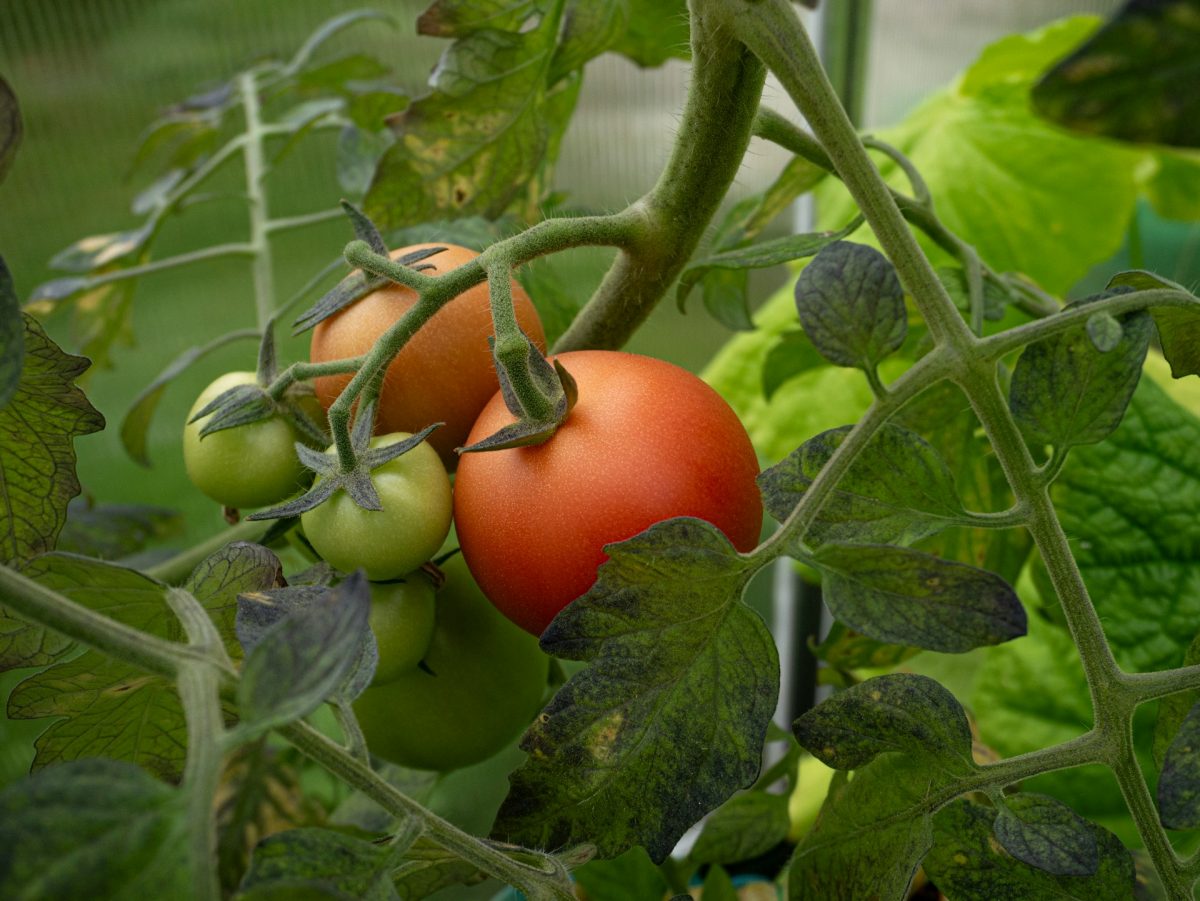
There’s something so wonderfully satisfying about turning a handful of tiny seeds into a jungle of tomato plants that practically beg to be picked. No plastic trays from the store, no mystery soil mixes, no overpriced seedlings that look tired before they even hit the ground. Just seeds, soil, light, and a little bit of stubborn determination. That kind of gardening feels like a win before the first tomato even ripens.
Growing tomatoes from scratch doesn’t require a greenhouse empire or a degree in botany. It demands attention, timing, and a willingness to get hands dirty in a way that actually matters. Skip the store transplants, and everything changes: stronger roots, healthier plants, and a deeper connection to what grows in the garden. That connection pays off with better flavor, better yields, and the kind of pride that no store-bought plant could ever deliver.
Start Strong: Seeds, Soil, and a Smart Setup
Success begins long before the first sprout appears, and it starts with choosing the right seeds. Heirloom varieties bring bold flavor and unique shapes, while hybrid seeds often deliver disease resistance and consistent yields. Both options work beautifully, but selecting varieties that suit the local climate gives tomatoes a real advantage from day one. A short growing season calls for faster-maturing types, while longer summers allow room for those big, juicy slicers that take their time. Paying attention to seed packets might sound simple, but that small step saves a lot of frustration later.
Soil matters just as much as seeds, and cutting corners here rarely ends well. A light, well-draining seed-starting mix gives roots the oxygen they need to grow quickly and evenly. Heavy garden soil compacts too easily and traps moisture, which invites rot and weak seedlings. Containers don’t need to look fancy, but they must drain well to prevent soggy roots. Even repurposed yogurt cups can work perfectly when they include drainage holes. A clean, fresh setup also reduces the risk of disease, which can wipe out seedlings faster than expected.
Lighting makes or breaks early growth, and natural sunlight alone often falls short indoors. Seedlings stretch toward weak light and become thin and fragile instead of sturdy and compact. A simple grow light placed just a few inches above the plants keeps them short, strong, and ready for the outdoors. Consistent warmth also plays a role, with most tomato seeds sprouting best in temperatures between 70 and 80 degrees Fahrenheit. Starting seeds at the right time, usually six to eight weeks before the last expected frost, gives plants a head start without letting them outgrow their containers.
The Art of Babying Seedlings Without Overdoing It
Seedlings don’t need constant fussing, but they do need the right kind of attention. Watering requires a careful balance, because too much water suffocates roots while too little dries them out quickly. Soil should feel slightly damp, not soaked, and letting the top layer dry out a bit between waterings encourages roots to grow deeper. That deeper root system leads to stronger, more resilient plants later on. Overwatering remains one of the fastest ways to ruin a promising batch of seedlings, so restraint pays off here.
Air circulation might not sound exciting, but it plays a surprisingly powerful role in building strong plants. A gentle breeze from a fan mimics outdoor conditions and helps stems grow thicker and sturdier. Without that movement, seedlings stay weak and floppy, which makes transplanting more stressful than it needs to be. Temperature consistency also keeps growth steady, avoiding the stress that comes from sudden swings. Even small details like rotating trays every few days ensure even exposure to light and prevent lopsided growth.
Feeding seedlings doesn’t require heavy fertilizers right away, but a diluted liquid fertilizer can give them a gentle boost once they develop their first true leaves. Too much fertilizer burns roots and creates rapid, weak growth that doesn’t hold up outdoors. Patience wins this stage every time, because steady, controlled growth leads to healthier plants overall.
Harden Off Like a Pro and Avoid the Rookie Mistakes
Moving seedlings outdoors too quickly can undo weeks of careful work in a single afternoon. Sunlight, wind, and temperature swings hit young plants hard if they don’t get time to adjust. Hardening off solves that problem by gradually introducing seedlings to outdoor conditions over the course of about a week. Starting with just an hour or two outside in a sheltered spot and increasing exposure each day helps plants adapt without shock. This step might feel slow, but skipping it almost always leads to sunburned leaves and stunted growth.
Timing matters just as much as the process itself. Tomatoes hate cold soil and struggle when nighttime temperatures dip below 50 degrees Fahrenheit. Waiting until the weather stabilizes gives plants a much better chance to thrive once they go into the ground. Checking the forecast before transplanting prevents surprise cold snaps from causing damage. A little patience here can mean the difference between a thriving plant and one that never fully recovers.
Planting technique also deserves attention, because tomatoes break the usual rules in the best possible way. Burying part of the stem encourages roots to form along it, which creates a stronger, more stable plant. Removing the lower leaves before planting allows for deeper placement without risking rot. Spacing plants properly ensures good airflow and reduces the chance of disease spreading through the garden. It might feel tempting to squeeze in more plants, but overcrowding leads to weaker growth and smaller yields. Giving each plant room to breathe pays off when the vines start producing heavily.
Feed, Water, and Support for a Tomato Explosion
Once tomatoes settle into the garden, they reward consistent care with explosive growth. Watering deeply but less frequently encourages roots to grow down instead of staying near the surface. Shallow watering creates weak plants that struggle in hot weather, while deep watering builds resilience. Mulch helps retain moisture, regulate soil temperature, and reduce weed competition. Organic options like straw or shredded leaves work beautifully and break down over time to enrich the soil.
Feeding tomatoes requires a bit of strategy, because too much nitrogen leads to lush leaves but fewer fruits. A balanced fertilizer or one slightly higher in phosphorus and potassium supports flowering and fruit production. Watching plants closely helps identify what they need, whether that means a nutrient boost or simply more consistent watering. Yellowing leaves or slow growth often signal a problem that can be corrected quickly with the right adjustments. Staying proactive keeps plants healthy and productive throughout the season.
Support structures make a huge difference as plants grow taller and heavier. Stakes, cages, or trellises keep vines off the ground and improve airflow, which reduces disease risk. Training plants to grow upward also makes harvesting easier and keeps fruits cleaner. Pruning suckers on indeterminate varieties can direct energy into fruit production instead of excessive foliage. That small bit of maintenance helps plants stay manageable and productive rather than turning into an unruly mess. A well-supported tomato plant doesn’t just look better, it performs better in every way.
Confidence, Patience, and a Little Bit of Dirt
Growing tomatoes without store transplants isn’t just about saving money or proving a point. It’s about taking control of the entire process and watching something incredible unfold from the very beginning. Every step, from planting seeds to harvesting ripe fruit, adds another layer of satisfaction that store-bought plants simply can’t match. Mistakes will happen, and some plants won’t thrive, but those moments teach more than any instruction guide ever could. The garden becomes a place of experimentation, growth, and surprisingly addictive success.
What strategies have worked best for you, or what challenges keep showing up when growing tomatoes from scratch? Let’s hear your thoughts, ideas, or even a few hard-earned lessons in the comments.
You May Also Like…
Ways to Grow Tomatoes for Less This Year
This Backyard Weed Is Hosting a Virus That’s Killing Tomato Plants
The One Plant You Shouldn’t Put Next to Tomatoes – According to Gardeners
The Hidden Risks of Improper Pruning That Reduce Summer Harvests
9 Root Vegetables to Store in Sand This Winter
The post How to Grow Tomatoes Successfully Without Buying Store Transplants appeared first on Frugal Gardening.