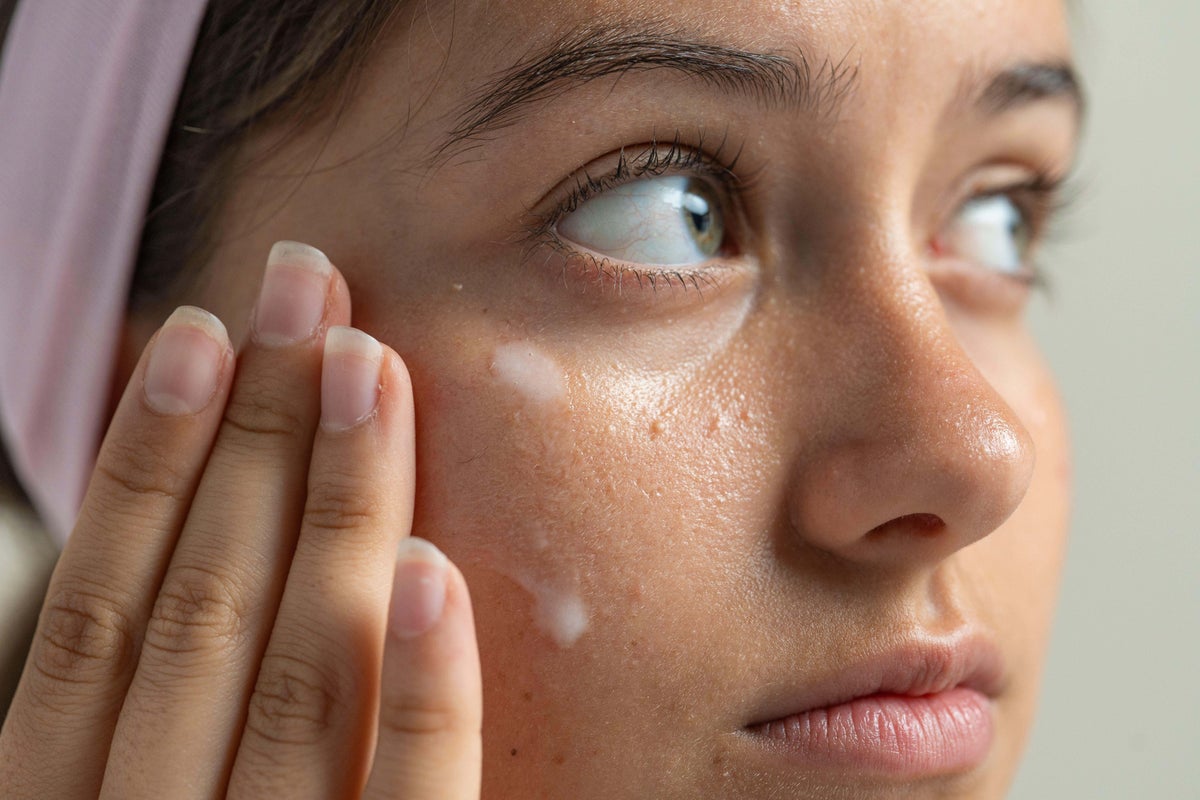
They’re tiny, pearly and almost impossible to ignore once you’ve spotted them. Milia – often called “milk spots” due to their white drop-like appearance – tend to cluster around the eyes and cheeks, sitting just beneath the surface of the skin like stubborn little beads.
They look like whiteheads, but try to squeeze one and you’ll quickly realise they are something entirely different.
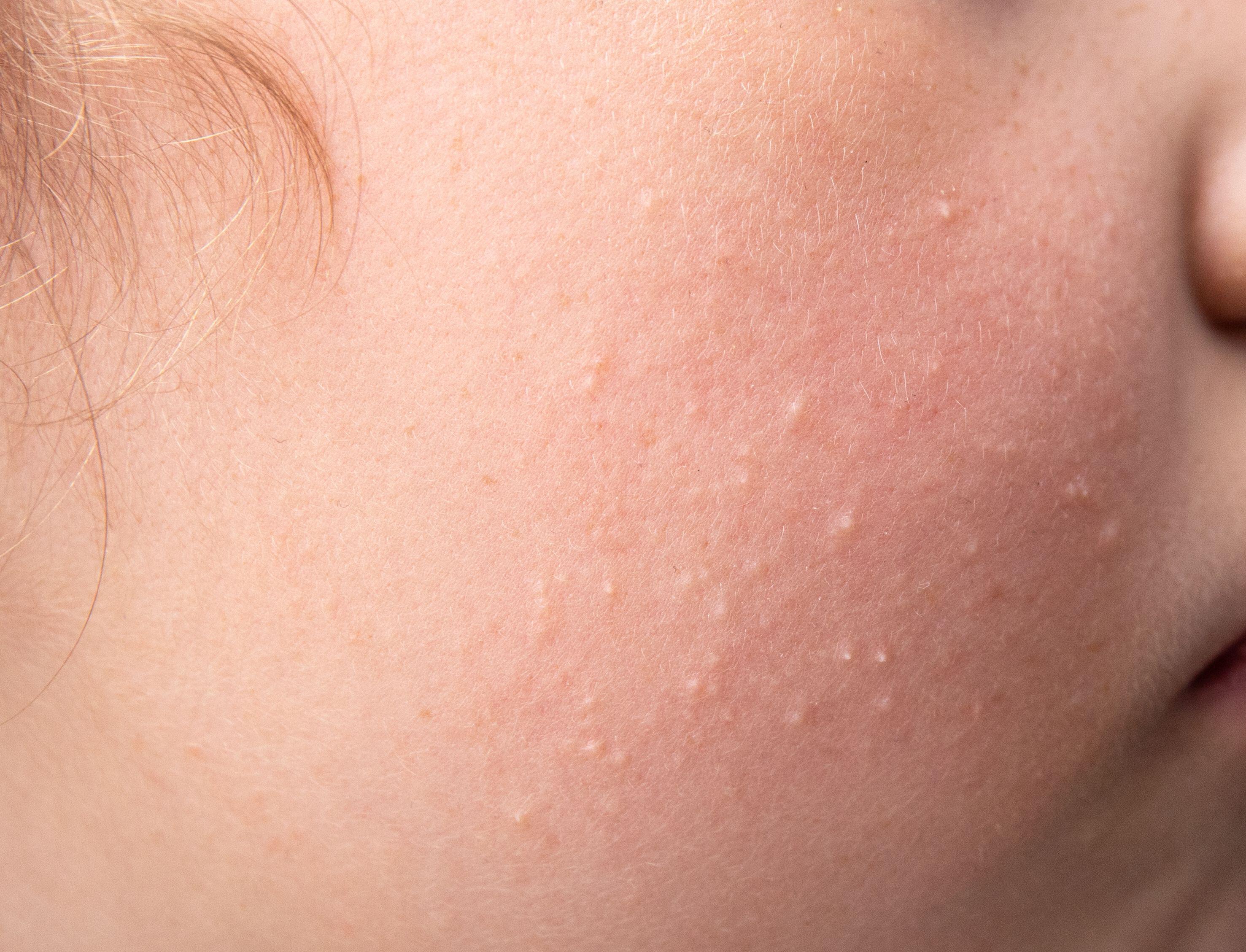
Unlike a typical spot, milia don’t respond to pressure, drying lotions or pimple patches. And in many cases, the more you interfere, the worse your skin looks afterwards.
So what are they and how do you get rid of them safely? A dermatologist tells us all you need to know.
What exactly are milia?
“Milia are tiny, firm, white cysts that sit just under the skin,” explains dermatologist Dr Nora Jaafar, known online as Dr Nora. “They’re made of trapped keratin, not oil.”
That distinction is crucial. Whiteheads are a form of acne, caused by clogged pores and excess sebum. Milia are not. “There’s no clogged pore, no inflammation and no opening to squeeze,” she says. “That’s why they feel harder and won’t ‘pop’ like a spot.”
Because they don’t have an opening at the surface, squeezing them at home rarely works. Instead, it often leads to redness, broken capillaries or post-inflammatory pigmentation – particularly around the delicate eye area.
Why do milia form?
At their core, milia are a problem of cell turnover. Skin naturally sheds dead cells, but when that process slows or becomes disrupted, those cells can become trapped beneath the surface.
“They form when dead skin cells get trapped instead of shedding properly,” Jaafar explains, “common triggers include heavy eye creams, thick occlusive products, sun damage and sometimes skin procedures.”
Mature skin can be more prone because turnover naturally slows with age. But over-layering skincare can trigger milia at any stage of life. In the age of multi-step routines and rich overnight masks, it’s surprisingly easy to overwhelm the skin.
“The delicate eye area doesn’t tolerate heavy products well in some people,” she says. Rich balms, thick creams and excessive layering can trap keratin under the surface, especially if you’re applying multiple products morning and night.
Can you treat milia at home?
The temptation to squeeze is understandable, but it’s not recommended.
“You can’t safely squeeze true milia at home, especially around the eyes,” says Jaafar. While some milia will resolve naturally over time, persistent ones are best removed professionally.
In clinic, removal is straightforward. A practitioner uses a sterile needle or blade to create a tiny opening before gently extracting the keratin plug. Done correctly, it’s quick and leaves minimal trace.
At home, the focus should be on prevention rather than extraction.
Retinoids can help regulate cell turnover and reduce the likelihood of new milia forming. Gentle exfoliating acids can also support the shedding process. “I always recommend using a salicylic or glycolic acid wash a few times a week,” Jaafar says, adding that a light toner can help if someone is particularly prone.
The key is restraint. Over-exfoliating can damage the skin barrier, leading to sensitivity and further issues.
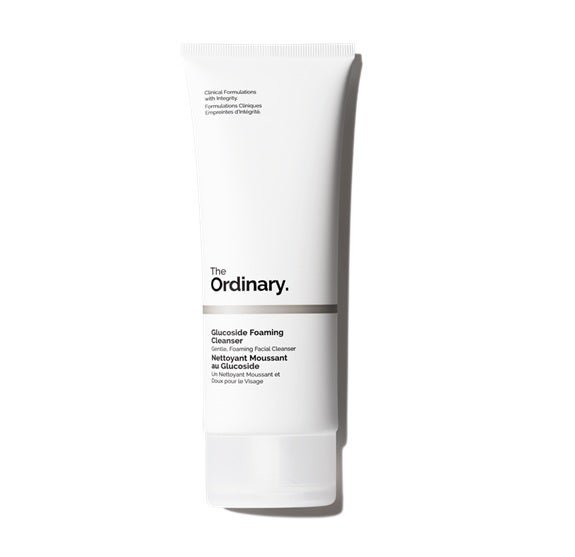
The Ordinary Glucoside Foaming Cleanser, £11.10
What’s the safest way to prevent them?
Prevention comes down to balance: encouraging healthy turnover without overwhelming the skin.
Retinoids remain one of the most effective long-term tools for improving cell renewal.
Equally important is daily sun protection. “Daily SPF is important to keep the skin functioning optimally,” Jaafar notes. UV damage can impair the skin’s natural shedding process, making trapped keratin more likely.
If you’re prone to milia, consider reassessing your eye cream. Thick, occlusive formulas may feel nourishing but can contribute to congestion in some people. Lighter gel-based or serum-style formulas are often better tolerated.
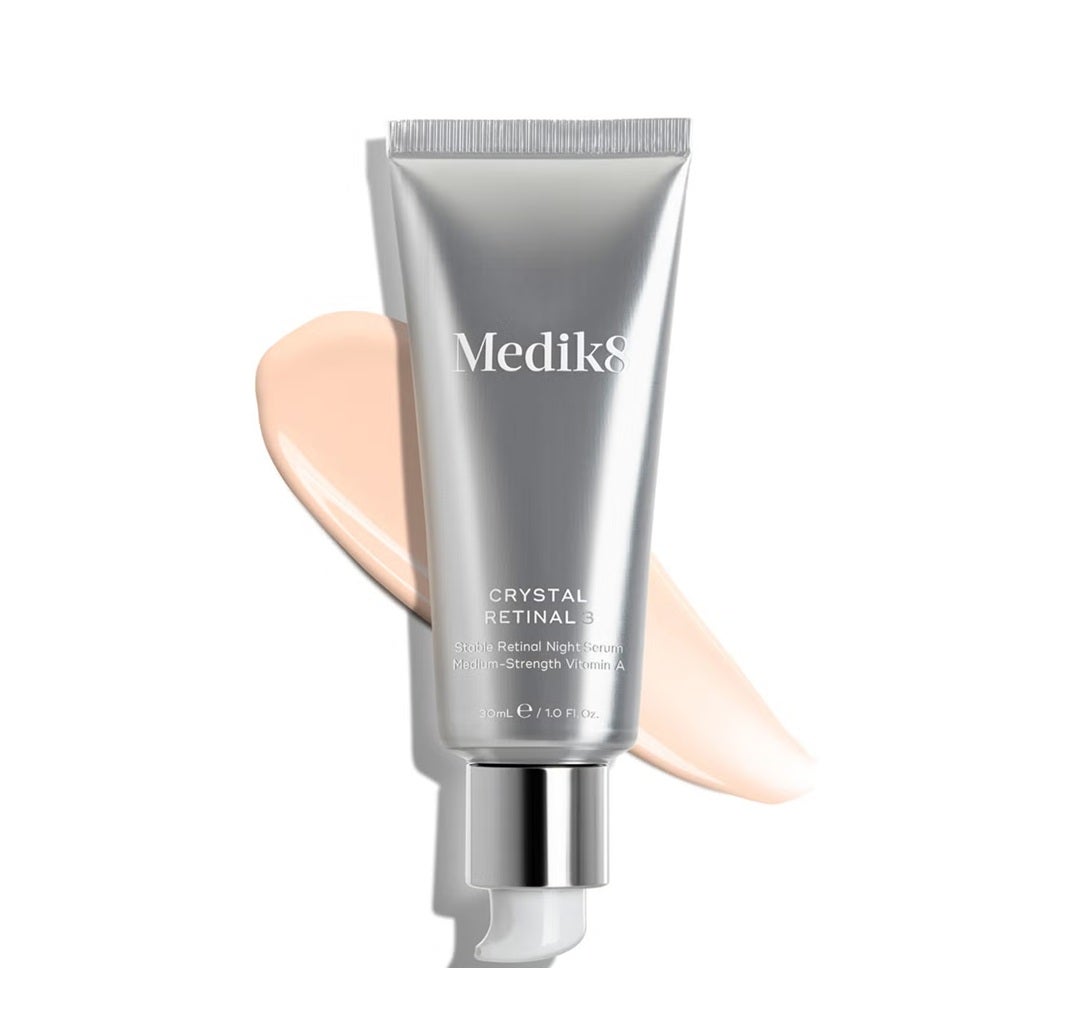
Medik8 Crystal Retinal 3 Serum, £45, Look Fantastic
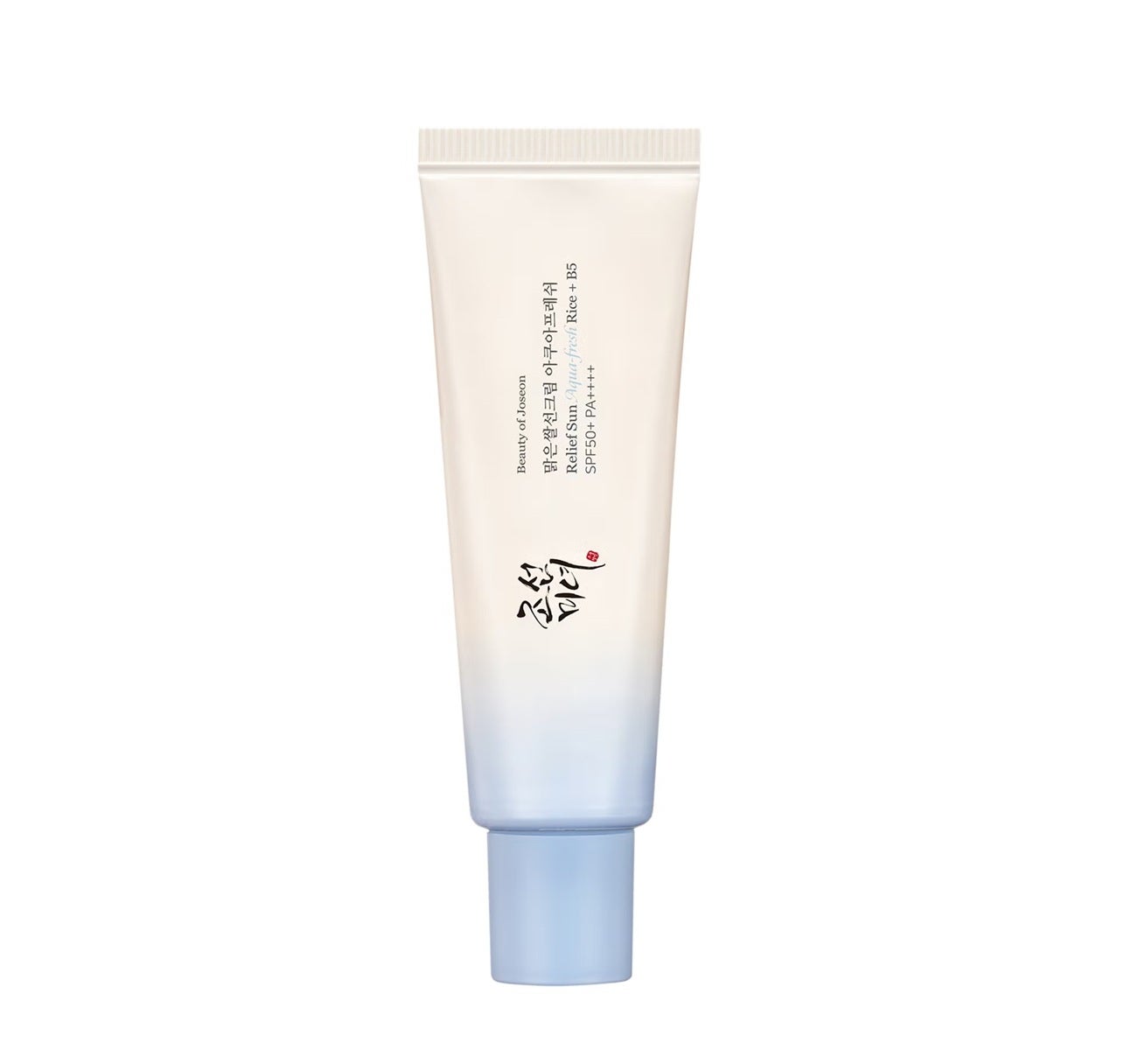
Beauty of Joseon Relief Sun Aqua-Fresh Rice + B5 SPF50+, £15.50, Cult Beauty
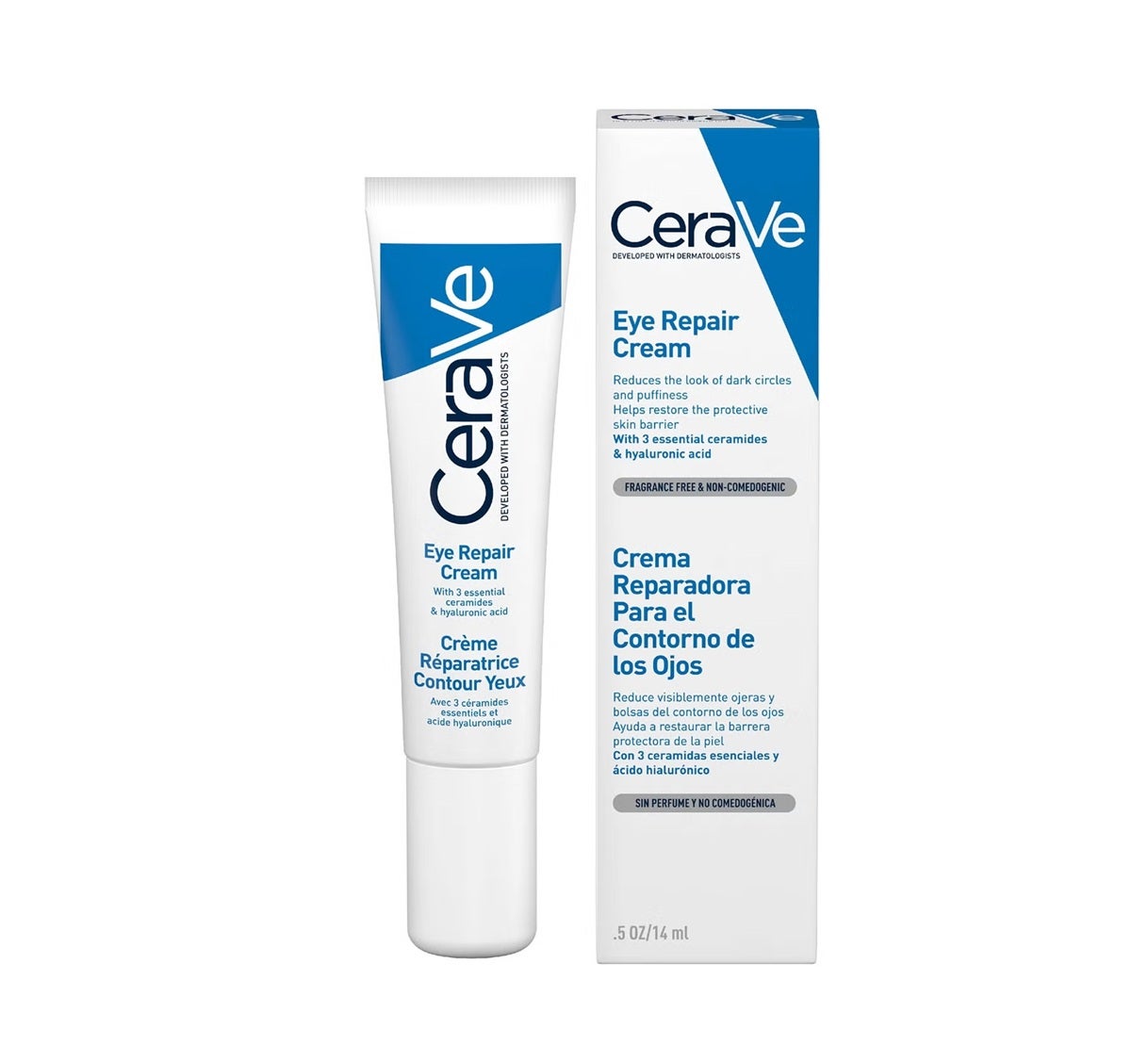
CeraVe Eye Repair Cream for Dark Circles & Puffiness, £11.60, Boots
Are your skincare habits making it worse?
Often, yes.
“Very rich eye creams, thick balms and excessive layering can trap keratin under the skin,” Jaafar says. The current obsession with “slugging” and ultra-rich night treatments isn’t suitable for everyone.
If you’re noticing recurring milia, simplify. Strip your routine back to the essentials: a gentle cleanser, lightweight moisturiser, targeted treatment and SPF. Introduce actives slowly and monitor how your skin responds.
Hydration still matters – but it doesn’t have to mean heaviness. As Jaafar makes clear, healthy skin isn’t about doing more – it’s about doing what your skin actually needs.
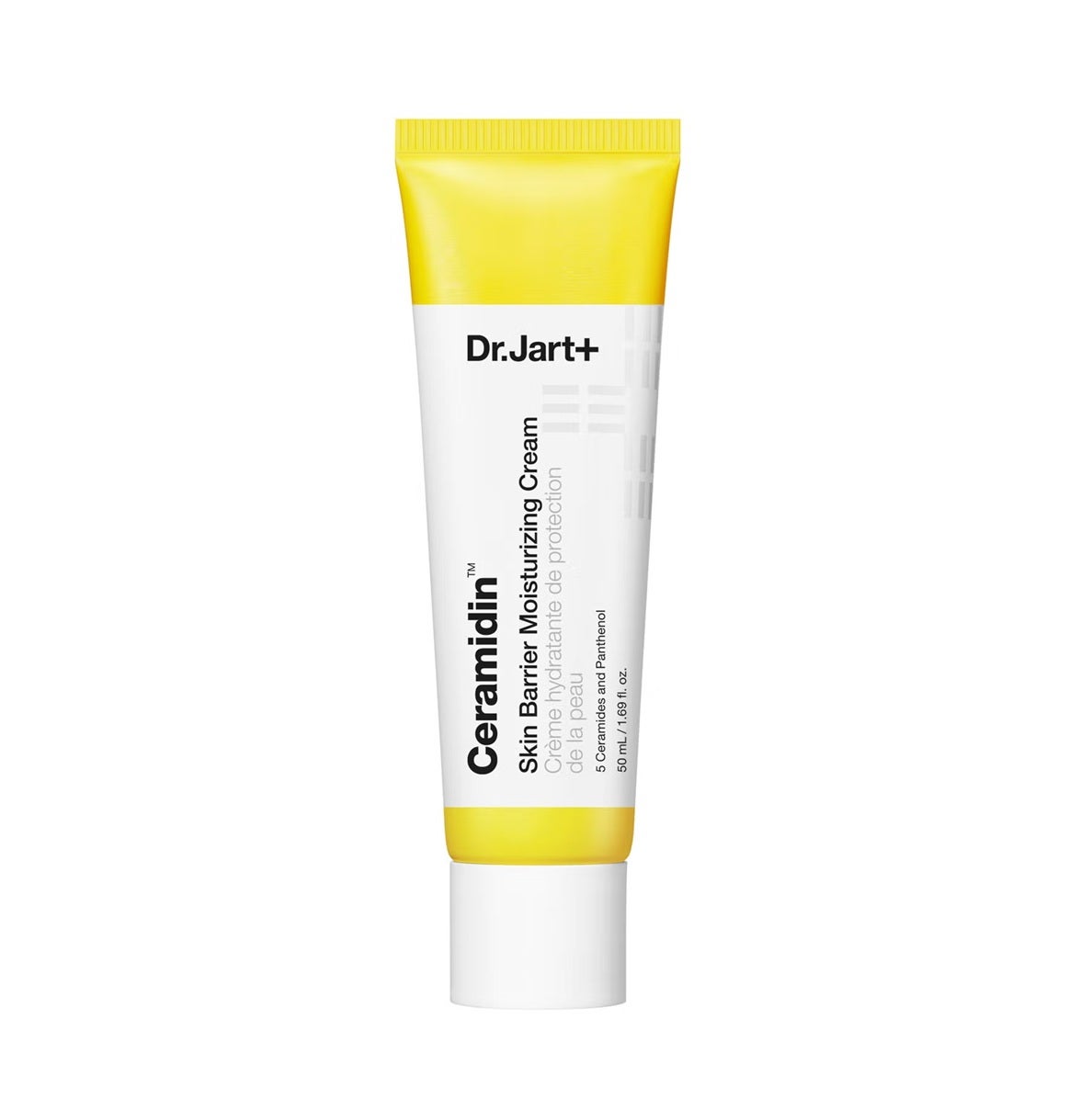
Dr.Jart+ Ceramidin Cream, £38, Look Fantastic
Olympic skater Alyssa Liu’s ‘smiley’ piercing looks cool - but it poses health risks
How a last-minute visit to Boots saved this mother-of-six’s life
Meghan mixes affordable and luxury in Zara style staples on her trip to Jordan
Stars turn out for Prada’s blend of utility and glamour at Milan Fashion Week
5 trends from London Fashion Week to invest in now
Romeo Beckham takes spotlight in Burberry to close London Fashion Week